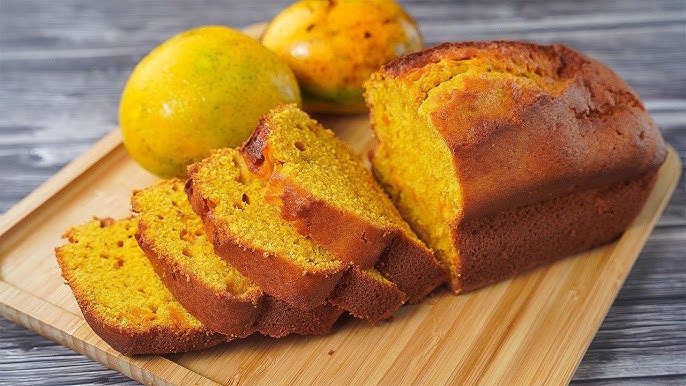
Mango Cake Recipe: If sunshine had a flavor, it would taste just like mango cake. Imagine biting into a soft, fluffy slice that bursts with sweet tropical mango flavor in every mouthful. That’s exactly what this mango cake delivers. Whether it’s summer and mangoes are in season, or you’re craving something fruity and delicious in the middle of winter, this cake will hit the sweet spot every time.
Mango cake is more than just a dessert—it’s a celebration of flavor and texture. It’s moist, airy, slightly tangy, and refreshingly fruity. This tropical delight pairs beautifully with a light whipped mango cream or a tangy cream cheese frosting. Whether you’re baking for a birthday, picnic, or just to treat yourself on a quiet weekend, this cake is perfect.
This step-by-step guide will walk you through the entire process of making mango cake from scratch. We’ll go over the tools, ingredients, tips, and common mistakes to avoid, so even if you’re a beginner baker, you’ll end up with a picture-perfect cake.
Why You’ll Fall in Love with This Mango Cake
This cake is a crowd-pleaser—and for good reason. It’s not just delicious, it’s downright addictive. Here’s why you’ll find yourself making this recipe over and over again:
- Incredible Flavor: Ripe mangoes give the cake a natural sweetness and fruity richness that you won’t find in boxed cake mixes.
- Moist Texture: The cake stays soft and moist thanks to the mango puree and a good balance of wet and dry ingredients.
- Easy to Make: This isn’t a complicated cake. No fancy equipment. No unusual techniques. Just simple steps and stunning results.
- Versatile: You can serve it plain, frost it, layer it, or even turn it into cupcakes. It’s flexible and fun to experiment with.
- Perfect for Any Occasion: From birthdays to BBQs, this mango cake fits right in. You’ll be surprised how many people will ask for seconds.
So if you’re looking for a light, fruity, and flavorful dessert that’s easy to make but impressive enough to wow your guests, this mango cake is calling your name.
Best Type of Mangoes for Baking
Not all mangoes are created equal, especially when it comes to baking. The right mango makes all the difference between a bland cake and a tropical flavor bomb.
Top Mango Varieties for Baking
- Alphonso – Known as the king of mangoes, Alphonso is incredibly sweet, fragrant, and low in fiber. Perfect for puree.
- Ataulfo (Honey Mango) – These are small, creamy, and sweet with very little fiber.
- Kent or Keitt – Less fibrous and very juicy, ideal for making smooth mango pulp.
Fresh vs. Canned Mangoes: Which Works Best?
- Fresh Mangoes: Offer a more vibrant flavor and fragrance. However, you need to ensure they’re fully ripe and not too fibrous.
- Canned Mango Pulp: Convenient and reliable, especially if fresh mangoes are out of season. Use unsweetened if possible.
For best results, go with fresh mangoes during peak season and switch to canned during off-seasons. Just make sure to taste your pulp—if it’s too sweet, reduce sugar in the batter slightly.
Essential Tools & Equipment for Baking Mango Cake
Before we get to mixing and baking, let’s gather the essential tools. Having the right equipment on hand makes everything smoother and less stressful.
Must-Have Tools
- Mixing bowls (at least two sizes)
- Electric hand mixer or stand mixer
- Measuring cups and spoons
- Sifter or fine mesh sieve
- Rubber spatula
- 8 or 9-inch round cake pans (or a loaf pan)
- Parchment paper
- Cooling rack
- Blender or food processor (for mango puree)
Having these basics will make the process quicker, cleaner, and help you avoid baking mishaps.
Ingredients You’ll Need
You probably have most of these in your kitchen already. This cake uses pantry staples with the addition of luscious mangoes.
Dry Ingredients
- 2 cups all-purpose flour (sifted)
- 1½ tsp baking powder
- ½ tsp baking soda
- ¼ tsp salt
Wet Ingredients
- 1 cup mango puree (fresh or canned)
- ¾ cup granulated sugar (adjust based on mango sweetness)
- ½ cup plain yogurt (room temp)
- ½ cup vegetable oil (or melted butter)
- 1 tsp vanilla extract
- 2 large eggs (room temp)
Optional Add-ons
- ½ tsp cardamom powder (for a warm, aromatic touch)
- ½ cup chopped mango chunks (for extra texture)
- ¼ cup chopped nuts (cashews, almonds, or pistachios)
Feel free to experiment with your add-ins. This cake is super forgiving and welcomes creativity.
Tips Before You Start Baking
Before you preheat that oven, let’s run through some important tips that will help make your baking smooth and successful:
- Use ripe mangoes: Unripe mangoes lack flavor and sweetness.
- Room temperature ingredients: This helps everything mix more evenly.
- Don’t overmix the batter: Overmixing can lead to a dense, rubbery cake. Mix just until combined.
- Grease and line your pan: Nobody wants a perfect cake that sticks to the pan!
- Use a kitchen scale: If possible, weigh your ingredients for the most accurate results.
- Taste your mango puree: If it’s overly sweet, cut back slightly on sugar in the recipe.
Getting these small details right will set you up for cake success. Trust me—it’s worth the extra minute or two of prep.
Step-by-Step Guide to Making Mango Cake
Alright, it’s time to roll up your sleeves and start baking. This step-by-step guide will walk you through every stage of the process. Stick with it, and you’ll have a show-stopping mango cake in no time.
Step 1: Prepare Your Baking Pans
Start by greasing your cake pans with butter or oil, then lining the bottoms with parchment paper. This prevents sticking and ensures your mango cake releases perfectly after baking.
Step 2: Preheat Your Oven
Set your oven to 350°F (175°C). Preheating ensures consistent baking temperature from the moment the batter goes in, giving you an evenly risen cake.
Step 3: Mix the Dry Ingredients
In a bowl, whisk together flour, baking powder, baking soda, and a pinch of salt. Mixing the dry ingredients first guarantees even distribution of leavening agents, helping the cake rise beautifully.
Step 4: Blend the Mango Pulp
Puree fresh ripe mangoes until smooth. The pulp should be thick, fragrant, and naturally sweet. If using canned mango pulp, make sure it’s unsweetened to control the cake’s sugar balance.
Step 5: Combine Wet and Dry Mixtures
In a large mixing bowl, beat sugar and oil (or butter) until light. Add eggs one at a time, followed by the mango pulp and vanilla extract. Fold in the dry ingredients gently to avoid overmixing, which can make the cake dense.
Step 6: Pour Batter into Pan and Smooth the Top
Transfer the batter into your prepared pans, spreading it evenly with a spatula. A smooth surface ensures even baking and a clean finish for frosting later.
Step 7: Bake to Perfection
Place the pans in the center of the oven and bake for 30–40 minutes or until a toothpick inserted into the center comes out clean. The cake should be golden, fluffy, and fragrant with mango aroma.
Step 8: Cool the Cake Before Frosting
Let the cakes cool in the pans for 10 minutes, then transfer to a cooling rack. Allow them to cool completely before applying frosting to prevent melting or sliding.
Simple Mango Frosting Recipe
Frosting takes this cake from delicious to divine. Here are two easy mango frosting recipes you can try.
Cream Cheese Mango Frosting
Ingredients:
- 1 cup cream cheese (softened)
- ½ cup unsalted butter (softened)
- 1½ cups powdered sugar
- ¼ cup mango puree
- ½ tsp vanilla extract
Instructions:
- Beat cream cheese and butter until creamy.
- Add powdered sugar gradually, mixing until fluffy.
- Fold in mango puree and vanilla.
- Chill before frosting for better texture.
This frosting is rich, tangy, and adds the perfect contrast to the sweet mango cake.
Whipped Mango Cream
Ingredients:
- 1 cup heavy whipping cream
- ¼ cup mango puree
- 2 tbsp powdered sugar
- ½ tsp vanilla extract
Instructions:
- Whip the cream until soft peaks form.
- Add mango puree, sugar, and vanilla.
- Continue whipping until stiff peaks form.
It’s light, airy, and perfect if you prefer a less sweet topping.
Decorating Ideas for Your Mango Cake
You don’t have to be a cake artist to make this cake look stunning. Here are some simple ideas:
- Fresh Mango Slices: Fan them out on top in a flower shape.
- Edible Flowers: Add tropical flair with edible blooms like pansies or nasturtiums.
- Toasted Coconut: Sprinkle around the edges for a beautiful texture contrast.
- Mint Leaves: A pop of green adds freshness and color contrast.
Get creative and make it your own!
Storing and Freezing Your Cake
So you’ve made this gorgeous mango cake, and maybe (just maybe) you have leftovers. Here’s how to keep your cake fresh and delicious for as long as possible.
Short-Term Storage (1–3 days)
- Unfrosted Cake: Wrap the cooled cake tightly in plastic wrap and store at room temperature in a dry place.
- Frosted Cake: Place it in an airtight container and refrigerate. If you used cream cheese or whipped cream frosting, it must be refrigerated.
Before serving, let the refrigerated cake sit at room temperature for 30 minutes to soften up.
Freezing Mango Cake
Want to freeze it for later? No problem.
- Unfrosted Layers: Wrap each cake layer individually in plastic wrap, then again in foil or a freezer bag. Label it with the date.
- Frosted Cake: Freeze it uncovered for 1–2 hours (this prevents smudging), then wrap and freeze.
You can freeze mango cake for up to 3 months. When ready to eat, thaw overnight in the fridge and bring to room temp before serving.
Mistakes to Avoid While Making Mango Cake
Even the best bakers slip up sometimes. Avoid these common mistakes and you’ll save yourself a lot of disappointment:
- Using unripe mangoes: You’ll end up with a bland cake. Always taste your mango puree before using.
- Overmixing the batter: This can make the cake dense and rubbery.
- Skipping the sifting: Unsifted flour and baking powder can cause clumps and uneven rising.
- Not preheating the oven: Leads to uneven baking and a sunken center.
- Frosting too soon: A warm cake will melt your frosting and make a mess.
- Too much sugar: If your mangoes are super sweet, reduce sugar to avoid an overpowering sweetness.
Keep these pitfalls in mind, and you’ll be baking like a pro in no time.
Mango Cake Variations You Can Try
Once you’ve mastered the base recipe, it’s time to have some fun. Here are a few ways to level up or switch things around:
1. Mango Coconut Cake
Add shredded coconut to the batter and top with coconut cream frosting. Think piña colada vibes in cake form.
2. Mango Cheesecake Cake
Layer your mango cake with a baked cheesecake layer in the middle. It’s rich, creamy, and absolutely indulgent.
3. Vegan Mango Cake
Use plant-based yogurt, flax eggs, and coconut oil. You’d be surprised how moist and flavorful it turns out.
4. Mango Cupcakes
Pour the batter into cupcake liners and bake for 18–20 minutes. Great for parties or grab-and-go treats.
5. Mango Layer Cake
Double the recipe and stack with mango cream or fresh whipped cream between layers.
The options are endless. Don’t be afraid to experiment—it’s mango magic, after all!
What to Serve With Mango Cake
While mango cake is delicious on its own, pairing it with the right side or drink makes the experience even better.
Pairing Suggestions:
- Iced Herbal Tea: Think hibiscus or chamomile.
- Tropical Fruit Salad: Pineapple, kiwi, and berries go beautifully with mango.
- Vanilla Ice Cream: A classic pairing with any fruity dessert.
- Coconut Cream Drizzle: Elevates the tropical flavor profile.
These accompaniments add contrast, enhance flavor, and make your dessert feel more complete.
Nutrition Facts (Per Slice)
Here’s a general breakdown based on a standard 9-slice yield and without frosting:
| Nutrient | Amount (Approx) |
|---|---|
| Calories | 280–320 kcal |
| Total Fat | 12g |
| Saturated Fat | 2.5g |
| Carbohydrates | 40g |
| Sugars | 22g |
| Protein | 4g |
| Fiber | 1.2g |
| Sodium | 160mg |
These values will vary based on the ingredients and frosting you use, but it gives you a solid idea. For a lighter version, reduce oil and sugar or swap in alternatives like applesauce or honey.
FAQs about Mango Cake Recipe
1. Can I use frozen mangoes instead of fresh or canned?
Absolutely! Just thaw them completely and blend into a smooth puree. Make sure to drain excess water to avoid a runny batter.
2. What can I use instead of yogurt in the recipe?
You can replace yogurt with sour cream, buttermilk, or even a dairy-free alternative like coconut yogurt.
3. How do I make this recipe vegan?
Swap eggs for flax eggs (1 tbsp flaxseed + 2.5 tbsp water = 1 egg), use plant-based yogurt, and choose coconut oil or vegan butter instead of regular butter.
4. Can I bake this mango cake in a loaf pan?
Yes! It works beautifully. Just increase the baking time by 10–15 minutes and check for doneness with a toothpick.
5. How do I keep my cake moist?
Don’t overbake it, use ripe mangoes, and store it properly. You can also brush the cake layers with mango juice before frosting for extra moisture.
Conclusion
And there you have it—the ultimate mango cake recipe from scratch. From selecting the right mangoes to baking, frosting, and even storing your cake, we’ve covered everything you need to know. Whether you’re a seasoned baker or trying this as your first homemade cake, this recipe delivers every time.
The beauty of mango cake is in its simplicity and flavor. With minimal effort and fresh ingredients, you can whip up something that feels fancy but tastes like a sunny afternoon in every bite.
Next time you see ripe mangoes at the store, grab a few. Your future self (and your guests) will thank you for it. Happy baking—and don’t forget to take a slice for yourself before it’s all gone!