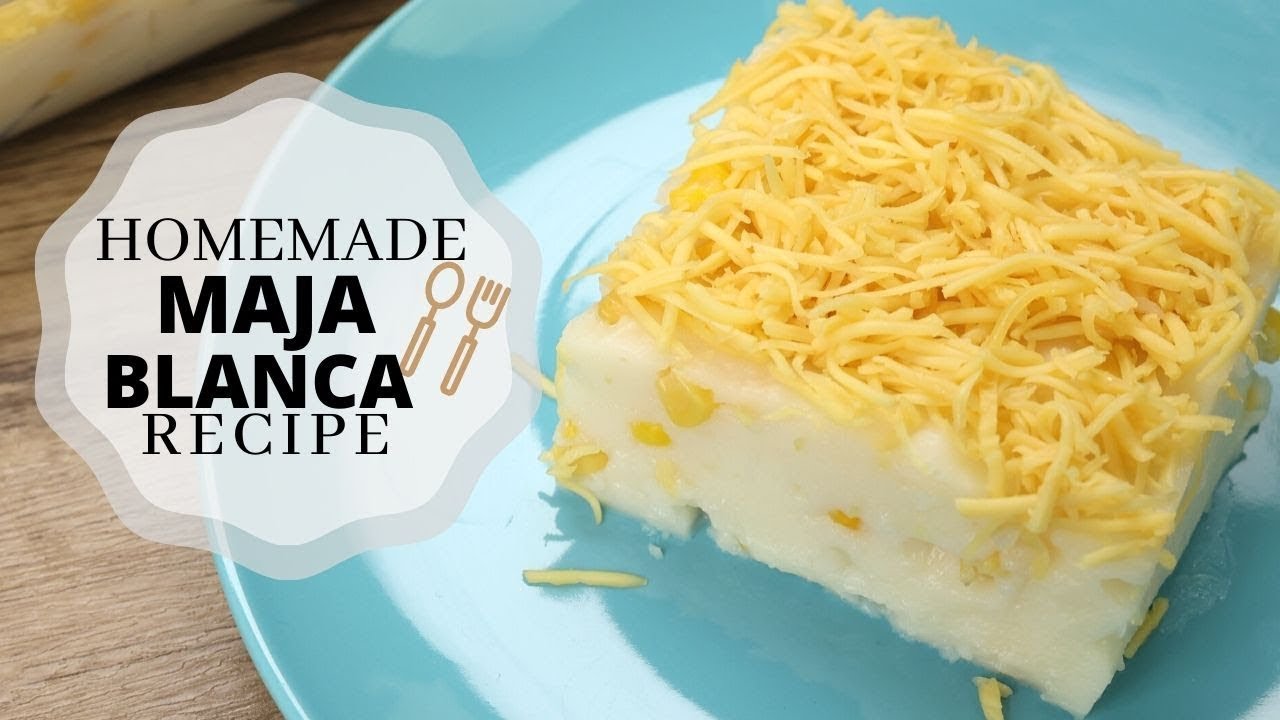
Maja Blanca Recipe: Maja Blanca is a classic Filipino dessert that’s silky, creamy, and delicately sweet. Often served during fiestas, holidays, or any family gathering, this coconut milk-based pudding is a beloved treat across the Philippines. It’s known for its soft, jelly-like texture and its delightful creaminess, usually topped with golden toasted coconut or latik (cooked coconut milk curds).
It’s often compared to a cross between pudding and flan but with a unique tropical twist thanks to the use of coconut milk and corn. If you’re looking for a simple, crowd-pleasing dessert that doesn’t require an oven or fancy ingredients, Maja Blanca might just be your next go-to.
The Origin of Maja Blanca
Maja Blanca finds its roots in Spanish influence, particularly from the dish “manjar blanco,” which literally means “white delicacy.” This dessert evolved over centuries in the Philippines, incorporating native ingredients like coconut milk and corn. These tweaks made it uniquely Filipino while preserving its Spanish elegance.
What started as a colonial dessert adapted through local tastes and resources, Maja Blanca has now become a timeless staple, especially during festive seasons like Christmas and town fiestas. Every region may have its twist, but the core essence remains the same.
Why Maja Blanca is a Filipino Favorite
Aside from its delicious taste, one reason Maja Blanca is so loved is its versatility and simplicity. It’s made with accessible, affordable ingredients and doesn’t take hours to prepare. Its smooth texture, slight sweetness, and coconut richness are perfect for Filipino taste buds, which appreciate balance over overpowering sweetness.
Plus, it’s easily customized—some add cheese for a salty contrast, others include sweet corn kernels for texture and flavor. No matter the variation, it’s a comfort dessert many Filipinos grew up eating at parties or family reunions.
Ingredients You’ll Need
Core Ingredients
Here are the basic ingredients to make traditional Maja Blanca:
- 4 cups coconut milk – the creamy base that defines the dessert.
- 1 can (14 oz) condensed milk – for added sweetness and creamy texture.
- 3/4 cup cornstarch – this thickens the mixture and gives it that pudding consistency.
- 1/2 cup white sugar – adds sweetness; you can adjust this based on your taste.
- 1 cup whole kernel corn (optional) – adds texture and flavor.
- 1/2 cup evaporated milk – to make it extra creamy.
- Toasted desiccated coconut or latik for topping
These are easy to find at most grocery stores, and you might already have many of them in your pantry.
Optional Add-Ins for More Flavor
Want to spice things up? Here are some additions you can try:
- Grated cheese – gives a salty contrast to the sweet base.
- Ube flavoring or extract – adds color and a distinct earthy sweetness.
- Chopped nuts or dried fruit – for texture and bite.
Feel free to experiment with what’s in your kitchen; that’s the beauty of this dish!
Substitutes You Can Try
Don’t have every ingredient? Here are some smart swaps:
- Coconut cream instead of coconut milk for a richer base.
- Arrowroot powder or tapioca starch in place of cornstarch, but it may alter the texture slightly.
- Fresh corn kernels if you prefer a more natural corn taste.
These substitutions can still help you achieve a delicious result, especially when working with limited pantry items.
Kitchen Tools and Preparation Tips
Essential Kitchen Tools
To make your Maja Blanca hassle-free, gather these tools:
- Medium-sized pot or saucepan
- Wooden spoon or whisk
- Measuring cups and spoons
- 8×8 square pan or glass dish
- Stove
- Grater or frying pan (for toasting coconut)
Having the right tools on hand ensures a smoother cooking process and helps prevent overcooking or lumps in your pudding.
Tips Before You Start Cooking
- Grease the pan lightly to make slicing easier later.
- Stir continuously when cooking the mixture to prevent sticking or lumps.
- Prepare your toppings early like toasting coconut or cooking latik, so you’re ready to garnish right away.
- Let it fully cool before refrigerating for the best texture.
- Use medium-low heat to avoid curdling the milk or burning the bottom.
Getting these steps right from the beginning means you’ll end up with a silky, professional-looking dessert that melts in your mouth.
How to Make Maja Blanca – Step-by-Step Instructions
Step 1: Prepare the Coconut Mixture
Start by pouring the coconut milk into a medium pot over medium heat. Add the condensed milk, sugar, and evaporated milk. Stir everything together until well combined. Keep stirring occasionally as the mixture heats up to prevent burning.
If you’re using corn kernels, add them in at this stage. This lets them infuse with the sweet coconut base. Let the mixture come to a gentle simmer, not a boil, to ensure all the flavors meld without breaking down the coconut milk.
Tip: Do not walk away from the pot! Even a few seconds of neglect can lead to a scorched bottom.
Step 2: Thicken the Mixture with Cornstarch
In a separate bowl, dissolve cornstarch in 1 cup of water. Stir until smooth—there should be no lumps. Slowly pour this cornstarch slurry into your simmering coconut mixture while stirring continuously.
This is the most crucial step. As you stir, you’ll notice the mixture thickening almost instantly. Lower the heat and keep stirring until the texture becomes thick and smooth—this may take around 8 to 10 minutes. It should resemble a thick custard or soft pudding.
Step 3: Pour and Set the Mixture
Once your mixture reaches that thick, luscious pudding consistency, it’s time to transfer it to a prepared pan. Make sure the pan is lightly greased or lined with parchment paper to make unmolding easier later on. Carefully pour the hot mixture into the pan, using a spatula to spread it evenly and smooth out the surface.
This part is all about patience. The Maja Blanca needs time to cool down and set properly before slicing. Let it rest at room temperature for at least 30 minutes. Then, transfer it to the refrigerator and let it chill for another 1 to 2 hours. During this time, it firms up to that perfect sliceable texture we all love.
While it’s setting, this is a great moment to prepare your toppings if you haven’t already. Whether you’re using toasted desiccated coconut, latik, or grated cheese, get them ready to sprinkle generously once the pudding is cool.
Pro Tip: Don’t rush the chilling! If you try to cut into it too soon, it may not hold its shape and can come out too soft.
Step 4: Chill and Serve
After the Maja Blanca has fully set in the fridge, it’s time for the final touch—garnishing and serving! Gently remove the dessert from the pan (if using parchment paper, this should be super easy). Place it on a cutting board and slice it into squares or rectangles, depending on your serving style.
Top each piece with a generous sprinkle of your chosen topping. If you went with latik, its rich, nutty flavor pairs wonderfully with the smooth coconut pudding. For a more modern twist, grated cheese adds a salty-sweet balance that’s surprisingly delightful.
Now you’re ready to impress your guests—or yourself! Serve cold or at room temperature, and watch as everyone takes seconds (and maybe thirds).
Optional: Serve it with a side of brewed coffee or hot tea for the ultimate merienda (Filipino snack time) experience.
Variations and Serving Suggestions
Maja Blanca with Corn
This is perhaps the most common and beloved version of Maja Blanca. Sweet whole corn kernels add a pop of color and a pleasant chewiness to the smooth base. It’s best to use canned corn for convenience, but fresh corn also works beautifully—just be sure to cook it first.
Some people even like to blend a portion of the corn with the coconut mixture to intensify the flavor throughout the dessert. If you’re a fan of textures and subtle sweetness, this version is definitely a must-try.
Try This Twist: Use a mix of white and yellow corn kernels for an aesthetic touch and a bit of extra sweetness.
Maja Blanca with Cheese
It might sound unusual at first, but cheese works wonders in balancing out the dessert’s sweetness. The saltiness of grated cheddar cheese adds contrast and depth, making each bite more exciting.
Simply sprinkle grated cheese on top after the pudding has cooled but before refrigeration. As it chills, the cheese melds slightly into the surface, creating a tasty topping that’s both savory and creamy.
Pro Tip: Use sharp cheddar or quick-melt cheese for maximum flavor impact.
How to Serve for Special Occasions
Maja Blanca isn’t just for casual snacking—it shines on special occasions, too! Here’s how to dress it up:
- Use molds to make individual servings for a party-friendly presentation.
- Decorate with fruits like mango slices, strawberries, or kiwi for a tropical vibe.
- Top with edible flowers or sprinkle crushed nuts for elegance.
If you’re preparing a dessert buffet, Maja Blanca pairs beautifully with other Filipino sweets like leche flan, biko, or sapin-sapin.
Hosting tip: Add colorful toothpicks or mini flags for an Instagram-worthy dessert platter!
FAQs about Maja Blanca Recipe
1. How long does Maja Blanca last in the fridge?
Maja Blanca can last up to 5 days in the refrigerator when stored in an airtight container. Just be sure to keep it chilled to maintain its texture.
2. Can I freeze Maja Blanca?
Yes, you can freeze it, but it may slightly change in texture. It’s best enjoyed fresh or refrigerated for the best mouthfeel.
3. Is it okay to use coconut cream instead of coconut milk?
Definitely! Coconut cream makes it even richer and thicker, just reduce the amount slightly if it becomes too heavy.
4. What can I use instead of cornstarch?
Arrowroot powder, tapioca starch, or even agar-agar can work. Each will give a slightly different texture, so experiment to your preference.
5. Can I make it vegan?
Absolutely. Use plant-based condensed milk alternatives and make sure any added toppings like cheese are vegan-friendly.
Conclusion
Maja Blanca is more than just a dessert—it’s a symbol of Filipino hospitality, simplicity, and creativity. Whether you stick to the traditional recipe or experiment with exciting twists, each bite brings comfort and joy. With its rich coconut flavor, creamy consistency, and customizable nature, it’s no wonder this dish remains a staple at every Filipino table.
So go ahead—give it a try. Share it with friends, family, or enjoy it solo. Either way, your sweet tooth will thank you!