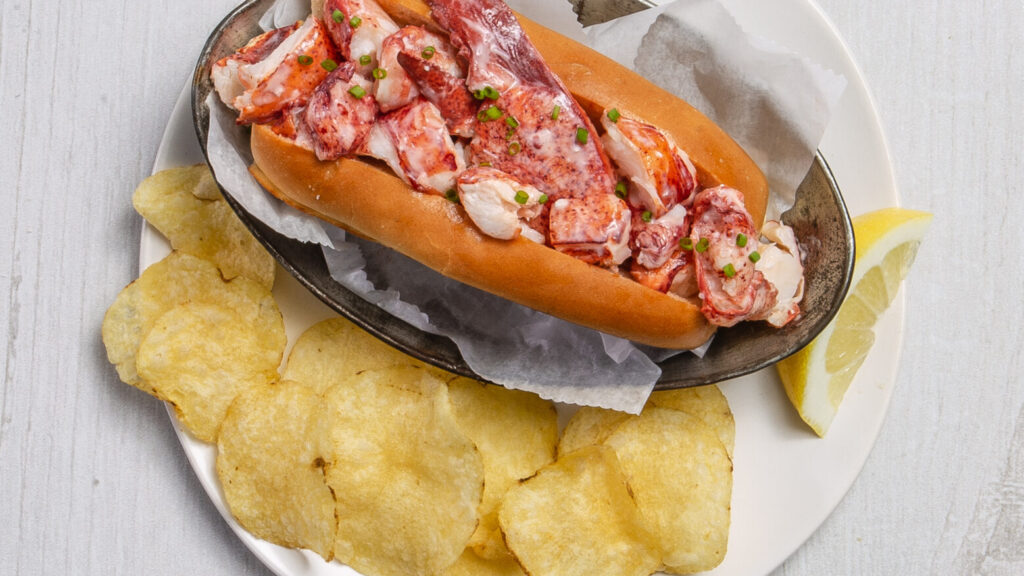
Maine Lobster Roll Recipe: There’s nothing quite like biting into a buttery, perfectly toasted bun filled with sweet, tender lobster meat. The Maine lobster roll is more than just a regional favorite—it’s a summertime classic and an experience all on its own. Whether you’re recreating that coastal charm in your home kitchen or just craving a seafood fix, this step-by-step guide will help you make an authentic, mouth-watering lobster roll that tastes like it came straight from a seaside shack in Bar Harbor.
This guide will take you through every stage of the process—from selecting the right ingredients to assembling the perfect roll. So grab your apron and let’s get started!
Why Maine Lobster Rolls Are So Special
If you’ve ever been to New England, you’ll know that lobster rolls are more than just food—they’re a part of the culture. Maine is especially known for its cold-water lobsters, which are prized for their sweet, tender meat. What sets the Maine lobster roll apart from other regional variations is its simplicity: no heavy spices or sauces, just a celebration of the lobster itself.
Unlike the Connecticut-style roll that serves lobster warm with melted butter, the Maine version is typically served chilled, lightly dressed in mayonnaise, and stuffed into a top-split, buttered bun. This minimalist approach is what makes the Maine lobster roll such a standout—it lets the flavor of the lobster shine.
What Makes a True Maine Lobster Roll?
A true Maine lobster roll doesn’t mess around with too many ingredients. It keeps things simple and clean. Here’s what characterizes a traditional roll:
- Lobster Meat: Fresh, preferably from a whole lobster. Mostly claw and knuckle meat.
- Mayo: Just a light coating, not drowning in it.
- Celery (optional): For a little crunch.
- Top-Split Hot Dog Bun: Buttered and toasted on the sides.
- Lemon: A little juice or zest can brighten things up.
- Salt & Pepper: To taste, never to overpower.
That’s it. No lettuce, no paprika overload, and definitely no fancy aiolis. If it sounds too gourmet, it’s probably not a true Maine lobster roll.
List of Ingredients You’ll Need
To make an authentic Maine lobster roll, you’ll need the following ingredients:
Fresh vs Frozen Lobster Meat
- Live Lobster (1.5–2 lbs per person) OR
- Cooked Lobster Meat (approx. 6–8 oz per roll)
If you’re going the fresh route, boiling or steaming the lobster yourself ensures optimal flavor. However, high-quality frozen lobster meat (often sold in claw and knuckle chunks) can be a great time-saver.
The Best Bread for Lobster Rolls
- Top-Split New England Style Hot Dog Buns
These are a must. They have flat sides, perfect for toasting in butter.
Dressing and Garnishes
- Mayonnaise (2–3 tablespoons)
- Unsalted Butter (for toasting buns)
- Celery (finely chopped – optional)
- Fresh Lemon Juice (optional)
- Salt and Pepper (to taste)
- Chives or Parsley (optional, for garnish)
Keep it minimal. The lobster is the star, so let’s not overshadow it.
Kitchen Tools You’ll Need
To make things smooth in the kitchen, grab these tools:
- Large pot (for boiling or steaming lobsters)
- Tongs (for handling live or hot lobster)
- Kitchen shears (to remove meat from shells)
- Mixing bowl
- Butter knife or pastry brush
- Skillet or griddle (for toasting buns)
- Cutting board and chef’s knife
Having everything ready before you start will make the process easier and more enjoyable.
How to Cook Lobster (If Using Live Lobster)
If you’ve decided to go all in with live lobsters, here’s how to cook them:
- Fill a large pot with water (add a tablespoon of salt per quart).
- Bring to a boil, then carefully place lobsters head-first into the pot.
- Cover and cook:
- 1.25 lb lobster: 8–10 minutes
- 1.5 lb lobster: 10–12 minutes
- 2 lb lobster: 15–18 minutes
- When done, the shells should be bright red.
- Remove and place in an ice bath to stop cooking.
Once cooled, crack open the shells and remove the meat from claws, knuckles, and tails. Chop into bite-sized chunks and set aside.
How to Prepare Lobster Meat for the Roll
Once you’ve got the meat out, it’s time to prep it for mixing:
- Dry the Meat: Use a paper towel to gently pat the lobster dry. Excess moisture can make the filling soggy.
- Chop Lightly: Keep the pieces chunky—no one wants minced lobster.
- Chill: If serving cold, let the meat rest in the fridge for 15–30 minutes.
Want to really amp up the flavor? Squeeze a bit of fresh lemon juice over the meat before mixing. It adds a touch of brightness that pairs beautifully with the richness of the lobster.
Step-by-Step Guide to Making a Maine Lobster Roll
Let’s break it down into manageable steps so your roll turns out restaurant-worthy.
Step 1: Preparing the Lobster Meat
Start by steaming or boiling the lobster until fully cooked, then let it cool before removing the meat from the claws, knuckles, and tail. Chop the lobster into bite-sized chunks, keeping some larger pieces for that classic, hearty lobster roll texture. Pat the meat dry to avoid a watery filling.
Step 2: Toasting the Buns
Use traditional New England–style split-top buns. Butter the sides generously and toast them in a skillet until golden and crisp. This gives the roll structure and adds a buttery crunch that complements the lobster.
Step 3: Mixing the Lobster Filling
Gently mix the lobster meat with mayonnaise, a squeeze of lemon, a pinch of salt, pepper, and a little chopped celery if you prefer light crunch. Keep the mixture chilled and simple—Maine style is all about the lobster.
Step 4: Assembling the Roll
Fill each toasted bun generously with the chilled lobster mixture. Serve immediately and enjoy!
Warm vs Cold Lobster Rolls – Which is Best?
This debate has been going on for ages—should a lobster roll be served warm or cold? While both versions have their loyal fanbases, it really comes down to personal preference.
Maine Lobster Roll (Cold Version)
This is the classic. Chilled lobster meat, lightly tossed with mayonnaise, sometimes a touch of celery or lemon juice, and loaded into a toasted, buttery bun. It’s fresh, creamy, and perfect for a hot summer day.
Connecticut Lobster Roll (Warm Version)
This version skips the mayo altogether. Instead, the lobster meat is gently warmed in clarified butter and piled into the bun. It’s rich, decadent, and lets the lobster flavor shine in a different way.
Which should you choose?
If you’re looking for a refreshing, light bite, go with the Maine style. But if you’re after richness and warmth, the Connecticut roll may be your winner. Either way, you can’t go wrong with buttery bread and lobster.
Tips for Making the Perfect Lobster Roll
To elevate your lobster roll from good to unforgettable, keep these tips in mind:
- Use Fresh Lobster Whenever Possible: The taste difference is huge.
- Don’t Overdo the Mayo: A little goes a long way. The goal is to coat, not drown.
- Toast the Bun Right: That golden, buttery crunch adds texture and makes a big impact.
- Let the Lobster Shine: Avoid overpowering flavors—skip garlic powders, heavy spices, or strong sauces.
- Serve Immediately: Lobster rolls are best enjoyed fresh. The longer they sit, the soggier the bun gets.
- Keep Ingredients Cold: For cold lobster rolls, keep the meat and mayo chilled until right before assembling.
One more bonus tip? A small squeeze of lemon juice over the top right before serving adds brightness and enhances every bite.
Common Mistakes to Avoid
Even a simple recipe like a Maine lobster roll has its pitfalls. Watch out for these common errors:
- Using Too Much Mayo
You’re not making a lobster salad. Overdressing drowns the delicate flavor of the meat. - Skipping the Toasted Bun
The texture contrast is vital. Cold lobster + warm, crispy bun = perfection. - Using the Wrong Bun
Top-split buns aren’t just tradition—they hold the filling better and toast more evenly. - Overcooking the Lobster
Overcooked lobster becomes rubbery and dry. Stick to cooking times and use an ice bath immediately after boiling. - Underseasoning
Even the best lobster needs a pinch of salt and a bit of acidity. Don’t be afraid to season lightly. - Letting the Roll Sit Too Long
Assembly should be the last step—right before eating. Otherwise, you’ll end up with a soggy, lukewarm mess.
Avoid these, and your lobster roll game will be strong.
Best Sides to Serve with Maine Lobster Rolls
Looking to make a full meal out of your lobster roll? Here are some great side dish ideas that complement its coastal flavors:
Classic Pairings
- Kettle-Cooked Potato Chips: The salty crunch balances the creaminess of the roll.
- Coleslaw: A cool, tangy counterpoint with a refreshing crunch.
- Dill Pickles: Their vinegar bite cuts through the richness of the lobster.
Creative Options
- Corn on the Cob with Butter
- Lemon-Herb Roasted Potatoes
- Cucumber and Red Onion Salad
- Seaweed Salad (for a fun coastal twist)
Refreshing Beverages
- Lemonade
- Cold Beer (try a pilsner or light ale)
- White Wine (Sauvignon Blanc or Chardonnay)
The goal is to enhance the lobster roll, not outshine it. Keep it simple, light, and flavorful.
Storage and Leftover Tips
Lobster rolls are best enjoyed fresh, but if you find yourself with leftovers, here’s how to handle them:
Storing Lobster Meat
- Place the lobster meat in an airtight container.
- Store in the fridge for up to 2 days.
- Do not mix with mayo before storing. Keep dressing separate.
Reheating Lobster Meat
If you want to reheat the meat for a warm-style roll:
- Place it in a pan with a small amount of butter over low heat.
- Gently warm—it should never sizzle.
Avoid Freezing
Lobster meat doesn’t freeze well once cooked and mixed. The texture suffers, and it loses its sweet flavor.
Pro Tip: Toast fresh buns and assemble the roll right before serving—even if using leftovers. That’s the secret to maintaining texture.
FAQs about Maine Lobster Roll Recipe
Q: Can I use frozen lobster meat?
Absolutely, but make sure it’s high-quality and from a trusted seafood source. Thaw it gently in the fridge overnight for best results.
Q: What’s the best type of lobster to use?
Cold-water lobsters from Maine are ideal. They have sweet, tender meat that works perfectly for rolls.
Q: Can I make lobster rolls ahead of time?
You can prep the lobster meat and toast the buns in advance. But assemble the roll just before serving for the best taste and texture.
Q: Are there any good substitutes for lobster?
Imitation lobster or even shrimp can work in a pinch, but it won’t be the same. For true flavor, stick with real lobster.
Q: How many lobster rolls can I make with 1 pound of meat?
One pound of lobster meat typically yields 2–3 hearty lobster rolls, depending on how generously you stuff them.
Conclusion
There’s something magical about a Maine lobster roll. It’s not just the sweet, succulent lobster meat or the buttery toasted bun—it’s the feeling of the ocean breeze, summer sunshine, and the simplicity of something made with care.
Making your own Maine lobster roll at home might seem intimidating, but as you’ve seen, it’s really about doing a few things right. Use fresh ingredients, treat the lobster with respect, and let the natural flavors take the lead.
Whether you like yours with a dash of lemon, a bit of celery crunch, or just plain and simple, one thing’s for sure: once you master the art of the Maine lobster roll, you’ll never settle for a restaurant version again.