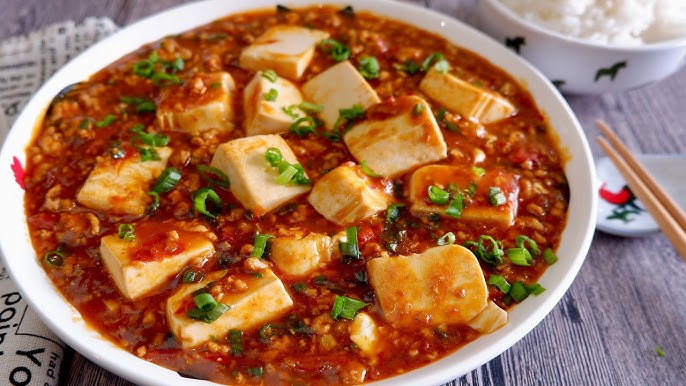
Mabo Tofu Recipe: Mabo Tofu, also known as Mapo Tofu, is one of the most iconic dishes in Chinese cuisine, particularly in Sichuan cooking. It’s a spicy, flavorful dish made with silky tofu cubes cooked in a rich, savory sauce often combined with ground pork or beef. The beauty of this dish lies in its balance: spicy from chili bean paste, numbing from Sichuan peppercorns, and umami-packed from fermented sauces. At first glance, Mabo Tofu might look like a simple stir-fry, but in reality, it’s a harmony of flavors that explode in every bite.
The name “Mabo” comes from “Ma” (numbing) and “Po” (old woman), referring to the dish’s origin, where it was first cooked by a grandmother in Sichuan province. Today, this dish has gained global recognition and is found in restaurants worldwide, from authentic Chinese eateries to Japanese-style adaptations called “Mabo Dofu.”
What makes Mabo Tofu so unique is its versatility. You can make it fiery hot like in Sichuan, milder and sweeter like the Japanese variation, or even vegetarian by skipping the meat and focusing on tofu and vegetables. This flexibility makes it an accessible dish for anyone who loves bold flavors but still wants the comfort of a hearty meal.
The Origin and History of Mabo Tofu
Mabo Tofu has a fascinating backstory that ties directly to Sichuan’s culinary culture. The dish originated in Chengdu, the capital of Sichuan province, during the late 19th century. The creator was a woman known as Chen Mapo, who ran a small restaurant. She specialized in a tofu dish with ground beef, flavored with fermented broad bean paste and Sichuan peppercorns. Locals loved it for its unique numbing-spicy sensation, which became the hallmark of Sichuan cooking.
Over time, the recipe spread across China and adapted to local tastes. For example, in Cantonese cuisine, the dish tends to be milder with less chili, while in Japan, it was transformed into “Mabo Dofu,” a lighter, slightly sweet version that’s very popular in Japanese households.
Today, Mabo Tofu represents more than just food—it’s a cultural connection. When you cook it at home, you’re not only preparing a meal but also preserving a piece of history that has traveled from Sichuan to kitchens around the world.
Why You Should Try Making Mabo Tofu at Home
Cooking Mabo Tofu at home is easier than it looks. Many people assume that authentic Chinese dishes require special techniques or hard-to-find ingredients, but with a few essentials, you can make restaurant-quality Mabo Tofu right in your kitchen.
Here’s why you should try making it:
- Customizable Flavors – You can control the level of spice, saltiness, and richness.
- Quick and Easy – The whole dish comes together in less than 30 minutes.
- Nutritious and Filling – Tofu is packed with protein, low in calories, and very satisfying.
- Budget-Friendly – The ingredients are simple and inexpensive, yet the result tastes luxurious.
- Great for All Diets – Whether you eat meat, are vegetarian, or even vegan, Mabo Tofu can be adapted to suit your lifestyle.
By making it yourself, you’re not only saving money but also ensuring a healthier version, as you can reduce oil, adjust sodium, and choose fresh ingredients. Once you cook it once, it might just become your new weeknight favorite.
Ingredients You’ll Need
Core Ingredients for Mabo Tofu
To create authentic Mabo Tofu, you’ll need a mix of protein, tofu, and flavoring agents. Here are the essentials:
- Tofu (medium-firm or silken): The star of the dish. Choose tofu that’s soft enough to soak up flavor but firm enough to hold its shape.
- Ground pork (or beef): Adds richness and depth of flavor. Pork is traditional, but beef works well too.
- Doubanjiang (chili bean paste): A fermented paste made from broad beans, soybeans, and chili peppers—this is the soul of Mabo Tofu.
- Douchi (fermented black beans): Provides a salty, umami punch.
- Garlic and ginger: Aromatics that lay the foundation of flavor.
- Sichuan peppercorns: Brings the signature numbing sensation.
- Soy sauce: Adds saltiness and depth.
- Chicken or vegetable broth: Used to create the sauce base.
- Cornstarch slurry: For thickening the sauce.
These ingredients create the authentic Sichuan-style Mabo Tofu flavor profile.
Optional Ingredients to Enhance Flavor
While the core ingredients are non-negotiable for authenticity, you can also add extra elements to deepen the dish’s complexity:
- Green onions (scallions): Sprinkled on top for freshness.
- Chili oil: For extra heat and aroma.
- Sesame oil: Adds a subtle nutty note.
- Mushrooms (shiitake or wood ear): Provide earthiness and texture.
- White pepper: For an extra kick without more chili.
These extras aren’t required but can elevate your Mabo Tofu to the next level.
Substitutes for Vegetarian and Vegan Versions
Not a fan of meat? No problem—Mabo Tofu is incredibly adaptable.
- Meat substitutes: Replace ground pork with crumbled tempeh, plant-based ground “meat,” or finely chopped mushrooms.
- Vegetarian sauces: Use vegetarian doubanjiang and fermented bean pastes without fish extracts.
- Broth alternatives: Opt for vegetable broth instead of chicken broth.
The result is just as flavorful, and sometimes even more aromatic, since the tofu and vegetables really shine.
Kitchen Tools and Preparation
Essential Cooking Utensils
Before you begin, it’s best to gather the right tools. This will make the cooking process smoother and faster:
- Wok or large frying pan: A wok is ideal for high-heat stir-frying.
- Sharp knife: For cutting tofu into even cubes.
- Cutting board: Preferably one dedicated to vegetables and tofu.
- Small bowl for cornstarch slurry: Keeps thickening agents ready.
- Spatula or wooden spoon: For stirring without breaking tofu.
Having these tools prepared ensures that your cooking process flows seamlessly.
Prepping the Tofu Correctly
Handling tofu can be tricky since it breaks easily. Here’s how to prep it:
- Drain the tofu: Remove it from the package and gently press out excess water with a paper towel.
- Cut into cubes: Around 1-inch cubes work best—not too small, not too large.
- Optional step – blanching: Some chefs briefly blanch tofu cubes in salted water to firm them up. This step also removes the raw soybean taste and helps tofu absorb flavors better.
Taking time to prepare the tofu correctly ensures a smoother cooking process and a more satisfying final dish.
Prepping Vegetables and Aromatics
Next comes the aromatics, which are essential for building flavor:
- Garlic: Mince finely.
- Ginger: Mince or grate to release more fragrance.
- Scallions: Slice thinly; separate white and green parts for cooking and garnish.
At this stage, you can also prepare any optional vegetables, like mushrooms, so everything is ready when you start cooking. Mabo Tofu comes together fast, so preparation is key.
Step-by-Step Guide to Making Mabo Tofu
Step 1 – Preparing the Tofu
The very first cooking step is to handle the tofu with care. Once cubed, you can blanch it briefly in salted boiling water for about 1–2 minutes. This helps it maintain its shape when stir-fried later. After blanching, gently remove the tofu with a slotted spoon and set it aside.
This step may seem minor, but it makes all the difference. Blanching prevents the tofu from crumbling and ensures that it has a smoother texture in the final dish.
Step 2 – Cooking the Ground Meat (or Meat Substitute)
Once the tofu is ready, it’s time to build the base of the dish with protein. Traditionally, ground pork is used in Mabo Tofu because of its rich flavor and fat content, which blends beautifully with the sauce. However, ground beef, chicken, or even vegetarian substitutes like crumbled tofu, tempeh, or plant-based ground “meats” work just as well.
Start by heating a wok or large skillet over medium-high heat. Add about 1–2 tablespoons of neutral oil, such as vegetable or canola oil. When the oil begins to shimmer, toss in the ground pork. Use a spatula to break it apart into small pieces. Cook until it’s browned and slightly crispy around the edges. This caramelization is essential because it enhances the savory depth of the dish.
If you’re using vegetarian options like mushrooms or plant-based ground, cook them until they release their moisture and develop a golden-brown color. Mushrooms especially add a meaty, umami-packed flavor that mimics pork.
Season the protein lightly with soy sauce and a pinch of salt while cooking, but don’t overdo it yet. The real flavor is going to come from the sauce base you’ll build in the next step. Once the meat is cooked, push it to one side of the wok to make space for aromatics.
Step 3 – Creating the Sauce Base
This is the heart of Mabo Tofu, where the dish transforms from ordinary stir-fry into a bold, flavor-packed masterpiece. The sauce is where the magic happens, combining spicy, salty, and numbing sensations all in one bite.
- Aromatics First: Add minced garlic, ginger, and the white parts of scallions to the hot oil alongside the cooked meat. Stir-fry quickly until fragrant, usually around 30 seconds. Be careful not to burn them.
- Doubanjiang (Chili Bean Paste): Add 1–2 tablespoons of doubanjiang, depending on your spice tolerance. Stir it into the oil and meat, letting it sizzle and release its deep red color. This is where the dish gets its signature heat and complexity.
- Douchi (Fermented Black Beans): Crush them lightly with the back of your spoon and toss them in. These add a salty, funky dimension that makes Mabo Tofu unforgettable.
- Liquid Ingredients: Pour in about ½ cup of chicken or vegetable broth. This deglazes the pan and helps form a rich sauce. Add 1 tablespoon of soy sauce and 1 teaspoon of sugar to balance the heat and saltiness.
At this point, the kitchen will be filled with a spicy, mouthwatering aroma. The sauce should look glossy and vibrant, with little specks of chili oil floating on top.
Step 4 – Combining Tofu with Sauce
Now it’s time for the star of the show: tofu. Gently slide the cubed tofu into the simmering sauce. This is the stage where patience matters—don’t stir too aggressively, or the tofu will break apart. Instead, gently push the sauce over the tofu with a spatula, letting it soak up the flavors.
Allow the tofu to simmer in the sauce for about 5–7 minutes. This step is crucial because it ensures the tofu absorbs the savory-spicy goodness of the sauce. You’ll notice the tofu slowly changing in color as it takes on the rich red hues of the doubanjiang.
If you prefer a milder flavor, you can reduce the cooking time slightly. For a stronger infusion, let the tofu simmer longer, but keep an eye on it so it doesn’t overcook or fall apart.
Step 5 – Thickening and Finishing Touches
The final step is all about achieving the perfect texture and balance. Mabo Tofu should have a slightly thick, glossy sauce that coats each tofu cube without being soupy.
- Cornstarch Slurry: In a small bowl, mix 1 tablespoon of cornstarch with 2 tablespoons of water until smooth. Slowly pour this slurry into the simmering sauce while gently stirring. Within a minute, the sauce will thicken to a luscious consistency.
- Sichuan Peppercorns: Lightly toast them in a dry pan, grind them, and sprinkle over the dish. This adds the signature numbing sensation (known as “mala” in Chinese cuisine). Adjust the amount to your preference—start small if you’ve never tried it before.
- Final Seasoning: Taste the dish and adjust with more soy sauce, sugar, or chili oil if needed. The goal is balance: spicy, numbing, savory, and just a hint of sweetness.
- Garnish: Sprinkle the green parts of scallions on top for freshness and color.
At this point, your kitchen smells heavenly, the sauce glistens beautifully, and the tofu is perfectly tender. Your Mabo Tofu is ready to serve!
Serving Suggestions
Best Side Dishes to Serve with Mabo Tofu
Mabo Tofu is typically served with steamed white rice, and for good reason—the rice soaks up the flavorful sauce and balances the spice. But there are other side dishes that can complement it wonderfully:
- Steamed Jasmine or Short-Grain Rice: A must-have. The mildness of rice pairs perfectly with the bold flavors of Mabo Tofu.
- Stir-Fried Vegetables: Bok choy, Chinese broccoli, or snow peas add freshness and crunch.
- Chinese Pickles: Tangy and salty, these help cut through the richness.
- Hot and Sour Soup: A great starter to complement the meal.
- Dumplings or Spring Rolls: For a more festive spread.
Mabo Tofu is versatile—it can be the star of a simple weeknight dinner or part of a larger feast when entertaining guests.
How to Adjust Spice Levels for Everyone
One of the challenges of serving Mabo Tofu to family or friends is dealing with varying spice tolerances. The good news is, you can easily adjust it:
- For Mild Versions: Reduce the amount of doubanjiang and skip extra chili oil. Use more broth to dilute the heat.
- For Medium Spice: Stick with the standard amount of doubanjiang but hold back slightly on Sichuan peppercorns.
- For Extra Spicy: Add additional chili flakes, chili oil, or even fresh chopped chilies while cooking.
This flexibility makes Mabo Tofu a crowd-pleaser—you can serve it to spice lovers while still keeping it enjoyable for those with milder preferences.
Presentation Tips to Make it Restaurant-Style
We eat with our eyes first, and a well-presented Mabo Tofu makes the dish feel even more special. Here’s how to serve it beautifully:
- Use a Wide, Shallow Bowl: This showcases the glossy sauce and allows for even distribution of tofu.
- Garnish Generously: A sprinkle of scallions and a drizzle of chili oil make the dish look vibrant.
- Add Contrast: Pair the red sauce with steamed green vegetables on the side.
- Serve Fresh and Hot: Mabo Tofu tastes best immediately after cooking, when the tofu is warm and the sauce silky.
Done right, your homemade Mabo Tofu will not only taste like restaurant quality but also look the part.
Nutritional Value of Mabo Tofu
Calorie Breakdown and Health Benefits
Mabo Tofu isn’t just delicious—it’s also highly nutritious. A single serving typically contains around 300–400 calories, depending on the amount of oil and protein used. The tofu itself is low in calories but packed with protein, making it an excellent choice for vegetarians and those who want to reduce meat consumption.
Here’s a breakdown of the key nutrients:
- Protein: Both tofu and ground meat provide a good dose of protein, essential for muscle growth and repair.
- Iron and Calcium: Tofu is naturally rich in both, supporting bone health and circulation.
- Healthy Fats: While some oil is used in cooking, you can choose lighter oils and adjust the amount to suit your dietary needs.
- Fiber: If you include mushrooms or vegetables, the fiber content increases, aiding digestion.
- Capsaicin from Chili: Boosts metabolism and provides anti-inflammatory benefits.
For those watching sodium intake, you can reduce soy sauce and use a low-sodium broth. The beauty of Mabo Tofu lies in its adaptability—you can make it as light or as rich as you like without losing its core flavors.
Different Variations of Mabo Tofu
Sichuan-Style Authentic Mabo Tofu
The traditional Sichuan version is fiery, numbing, and unapologetically bold. It leans heavily on doubanjiang, douchi, and Sichuan peppercorns to create the signature “mala” (numbing-spicy) effect. This version is best for those who enjoy authentic Chinese heat.
Japanese Mabo Dofu
In Japan, Mabo Tofu (Mabo Dofu) has been adapted to suit milder palates. It uses less chili, skips Sichuan peppercorns, and often includes miso paste for sweetness and umami. The sauce tends to be slightly thicker, making it a comfort food staple in Japanese households.
Vegetarian and Vegan Mabo Tofu
Skip the meat entirely and load up on mushrooms, eggplant, or plant-based protein substitutes. Vegetarian doubanjiang is available in many Asian stores, ensuring you don’t miss out on authenticity. The result is just as flavorful but lighter on the stomach.
Fusion Variations
Creative cooks have developed unique versions, such as:
- Mabo Tofu with Seafood: Shrimp or scallops add a new dimension.
- Cheesy Mabo Tofu: Popular in Japanese izakayas, where a layer of melted cheese is added on top.
- Mabo Tofu Noodles: Instead of serving with rice, it’s poured over noodles for a spicy, comforting bowl.
These variations prove that Mabo Tofu is not just a dish but a canvas for culinary creativity.
Tips for Perfecting Mabo Tofu Every Time
Use Fresh Ingredients
The flavor of Mabo Tofu heavily depends on the freshness of the tofu, meat, and aromatics. Fresh ginger and garlic make a huge difference compared to pre-minced jars.
Don’t Skip Doubanjiang
Many people try to substitute doubanjiang with plain chili paste, but this takes away the authentic depth. If you want the real Sichuan taste, doubanjiang is non-negotiable.
Control the Heat
Sichuan cuisine is famous for its intensity, but you can always start small with chili bean paste and peppercorns. Add more gradually rather than overwhelming the dish from the start.
Balance Flavors
Great Mabo Tofu isn’t just about spice. The best versions balance spicy, numbing, savory, salty, and slightly sweet notes. Always taste as you cook.
Simmer, Don’t Boil
When adding tofu to the sauce, simmer gently instead of boiling. This prevents the tofu from breaking apart and ensures it absorbs the sauce slowly.
Common Mistakes to Avoid
- Overhandling Tofu: Stirring too much or too vigorously can cause tofu cubes to fall apart. Always fold gently.
- Skipping Cornstarch Slurry: Without thickening, the sauce becomes watery instead of silky.
- Not Toasting Sichuan Peppercorns: Using them raw can make the flavor harsh. Lightly toasting releases their aroma.
- Using the Wrong Tofu: Too firm, and it won’t absorb flavor. Too soft, and it will disintegrate. Medium-firm or silken tofu works best.
- Adding Aromatics Too Early: Garlic and ginger burn quickly. Always stir-fry them after meat has browned and oil is hot.
By avoiding these mistakes, you’ll consistently achieve restaurant-quality results at home.
Storage and Reheating Instructions
Refrigeration
Mabo Tofu stores well in the fridge for 2–3 days. Transfer it into an airtight container once it cools down.
Freezing
Freezing isn’t recommended because tofu changes texture when frozen, becoming spongy. However, if you don’t mind this texture change, you can freeze leftovers for up to a month.
Reheating
Reheat gently in a pan over medium heat with a splash of broth to loosen the sauce. Avoid microwaving for too long, as it can cause the tofu to dry out or break.
The dish actually tastes even better the next day as the flavors deepen overnight—just handle the tofu carefully when reheating.
Cultural Significance of Mabo Tofu
Mabo Tofu is more than just food—it’s a cultural bridge. In China, it represents the fiery spirit of Sichuan cuisine. In Japan, it’s been reimagined as comfort food for everyday meals. Across the world, it has become a symbol of Chinese culinary influence.
It also carries a sense of nostalgia. For many Chinese families, Mabo Tofu is a weeknight staple, passed down through generations. For Japanese households, it’s a quick go-to dinner loved by children and adults alike. And for food enthusiasts globally, it’s a dish that connects them to the flavors of Sichuan without leaving their kitchen.
Cooking Mabo Tofu at home means carrying forward this tradition while making it your own. Each version tells a story—of spice, adaptation, and comfort.
FAQs about Mabo Tofu Recipe
1. Can I make Mabo Tofu without Doubanjiang?
Yes, but it won’t taste authentic. You can use miso paste with chili flakes as a substitute, but doubanjiang provides the signature flavor.
2. What type of tofu is best for Mabo Tofu?
Medium-firm or silken tofu works best. Too soft will break apart, and too firm won’t absorb enough flavor.
3. Is Mabo Tofu very spicy?
It depends on the version. Authentic Sichuan style is spicy and numbing, while Japanese Mabo Dofu is much milder.
4. Can I make Mabo Tofu ahead of time?
Yes, it stores well for 2–3 days in the fridge. Just reheat gently with a splash of broth.
5. What can I serve with Mabo Tofu besides rice?
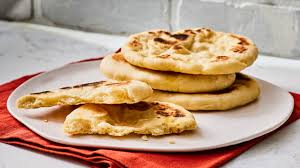
Noodles, steamed vegetables, dumplings, or even flatbread work well as alternatives to rice.
Conclusion
Mabo Tofu is truly a dish that embodies balance, history, and adaptability. With its spicy-salty-numbing sauce, tender tofu, and rich cultural roots, it’s no wonder this recipe has captured hearts worldwide. Whether you prefer the fiery Sichuan original, the mild Japanese adaptation, or a plant-based twist, Mabo Tofu delivers flavor that satisfies every craving.
By following this step-by-step guide, you can recreate restaurant-quality Mabo Tofu in your own kitchen. With a few simple ingredients and some care in preparation, you’ll have a dish that not only tastes incredible but also connects you to a rich culinary tradition.
So, the next time you’re looking for a meal that’s comforting, bold, and deeply satisfying, give Mabo Tofu a try—it might just become your new favorite.