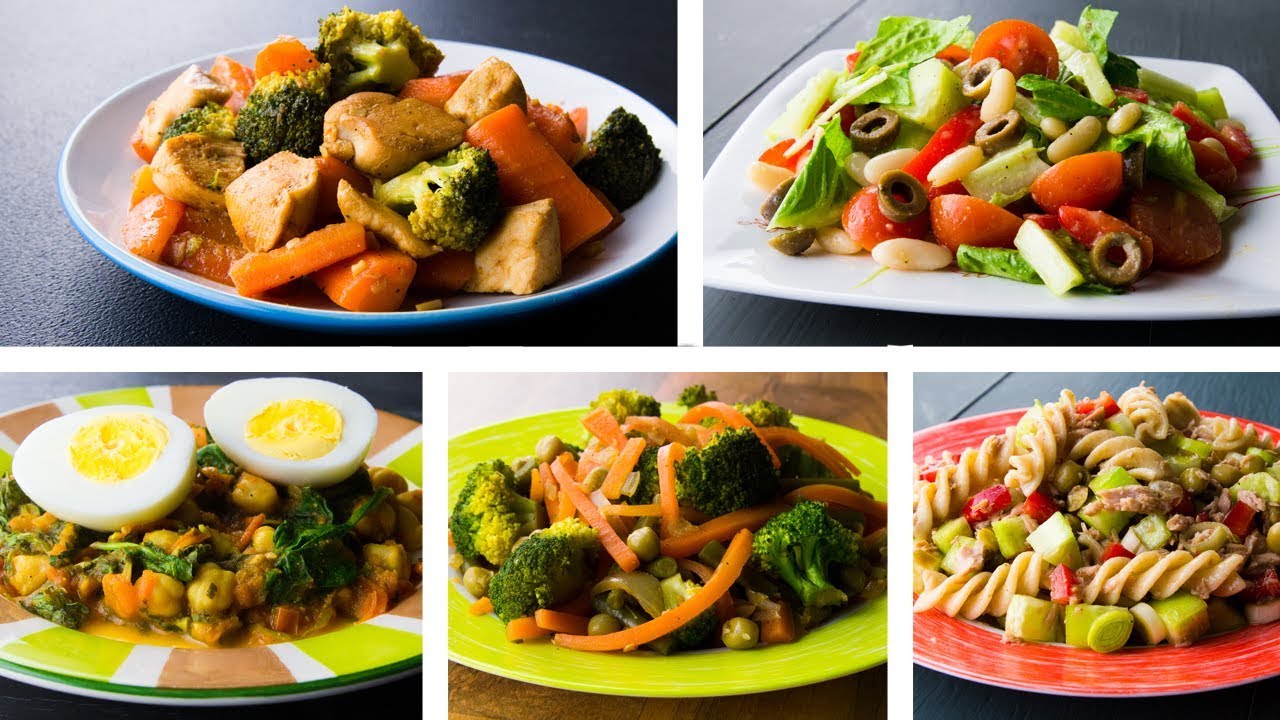
Low Calorie Recipes for Weight Loss: Losing weight doesn’t mean you have to eat boring, bland food or starve yourself. The key to sustainable weight loss is enjoying what you eat—while keeping it light on calories. That’s where low-calorie recipes come in. They allow you to eat delicious, filling meals while keeping your daily calorie count in check.
This step-by-step guide is here to help you cook tasty, satisfying meals that support your weight loss journey. You’ll find everything from ingredient lists to simple instructions, tips for staying motivated, and recipes for breakfast, lunch, dinner, and even dessert! Ready to start cooking your way to a healthier you?
Why Choose Low-Calorie Recipes?
Let’s face it—calories matter. While not all calories are created equal, consistently consuming more than your body needs will result in weight gain. Low-calorie recipes help you stay within a healthy range, without compromising on flavor or satisfaction.
Reducing your calorie intake doesn’t mean cutting out all your favorite foods. It’s about swapping out high-calorie ingredients with lighter alternatives, choosing lean proteins, and loading up on fiber-rich veggies that fill you up.
What’s great is that this isn’t just about weight loss. Low-calorie eating helps stabilize blood sugar, improves digestion, boosts energy levels, and supports heart health. So, you’re not just slimming down—you’re leveling up your whole lifestyle.
How to Create a Sustainable Low-Calorie Meal Plan
Creating a plan is half the battle. If you want to succeed with a low-calorie lifestyle, you need structure. Start by figuring out your calorie needs. Use an online calculator based on your age, gender, height, weight, and activity level.
Next, balance your plate with:
- 40% vegetables
- 30% lean protein
- 20% whole grains
- 10% healthy fats
And don’t forget about timing. Eating at regular intervals keeps your metabolism humming and prevents binge-eating. Planning meals ahead of time also saves money, reduces stress, and prevents impulsive, unhealthy choices.
Batch-cooking your meals on Sunday or whenever you have time is one of the best hacks. Make a few recipes and portion them into containers. Boom—you’re set for the week.
Essential Ingredients for Low-Calorie Cooking
Want to make low-calorie meals that actually taste good? It starts with having the right ingredients.
Go-to Veggies:
- Spinach, kale, arugula
- Zucchini, bell peppers, broccoli
- Cauliflower, carrots, cucumbers
Lean Proteins:
- Chicken breast
- Turkey
- Tofu, tempeh
- Eggs and egg whites
Healthy Grains:
- Quinoa
- Brown rice
- Rolled oats
Flavor Boosters:
- Fresh herbs (cilantro, parsley, basil)
- Spices (turmeric, paprika, cumin)
- Lemon juice and vinegar
- Low-sodium soy sauce, mustard, hot sauce
These ingredients are not only low in calories—they’re packed with nutrients that help your body function at its best. Plus, they’re super versatile for any meal of the day.
Kitchen Tools You’ll Need
Having the right tools can make low-calorie cooking easy and enjoyable. No fancy equipment is needed—just a few basics that can save time and effort.
Essentials:
- Measuring cups and spoons: Accuracy is key for calorie tracking.
- Food scale: Especially helpful for portion control.
- Non-stick pans: Reduce the need for oil.
- Air fryer: Cook crispy meals with little to no oil.
- Blender or food processor: Great for smoothies, sauces, and soups.
These tools help you prep faster, reduce mess, and make your food taste better. Plus, they’ll help you stick to your goals by making home cooking more convenient than takeout.
List of Ingredients You’ll Need
Let’s break down a shopping list you can use every week.
Vegetables:
- Zucchini
- Spinach
- Kale
- Bell peppers
- Onions
- Tomatoes
- Cauliflower
Proteins:
- Chicken breast
- Turkey ground
- Eggs
- Greek yogurt
- Tofu
Grains and Carbs:
- Brown rice
- Quinoa
- Whole grain tortillas
- Rolled oats
Fats (in moderation):
- Avocados
- Olive oil spray
- Nut butters (unsweetened)
Spices and Sauces:
- Garlic powder
- Chili flakes
- Soy sauce (low sodium)
- Hot sauce
- Lemon and vinegar
This list isn’t exhaustive, but it’s a great starting point. It’ll cover most of the recipes and keep your kitchen stocked for success.
Step-by-Step Guide to Cooking Low-Calorie Meals
Let’s get into the fun part—how to actually cook these meals without breaking your calorie bank.
Step 1: Plan Ahead
Start by choosing 3–4 low-calorie recipes for the week. Focus on lean proteins, lots of vegetables, and simple seasonings. Write a clear grocery list so you buy only what you need. Set aside a few hours for meal prep to save time later.
Step 2: Prep Your Ingredients
Wash and chop vegetables in advance to make cooking faster. Marinate proteins like chicken, fish, or tofu using low-calorie marinades with lemon, vinegar, garlic, and herbs. Cook grains such as brown rice or quinoa in bulk so they’re ready to use.
Step 3: Cook Efficiently
Choose healthier cooking methods. Use an air fryer, bake, grill, or steam instead of deep-frying. Replace pouring oil with cooking spray to cut unnecessary calories. Don’t be shy with herbs and spices—bold flavors help you enjoy food without extra fat or sugar.
Step 4: Portion Smartly
Divide meals into containers or meal prep boxes. Aim for balanced portions: lean protein, plenty of vegetables, and a moderate amount of whole grains. Label and store meals in the fridge or freezer for easy access.
Step 5: Stay Consistent
Reheat meals when needed and enjoy without guilt. Rotate recipes weekly to avoid boredom and stay motivated. Keep water nearby throughout the day to stay hydrated and support healthy eating habits.
With planning and consistency, low-calorie cooking becomes simple, enjoyable, and sustainable.
Breakfast Recipes
Starting your day with a nutritious, low-calorie breakfast sets the tone for the rest of the day. You want something filling, energizing, and delicious—without piling on the calories.
Low-Calorie Oatmeal Bowl
Oats are your best friend when it comes to breakfast. They’re full of fiber, which keeps you full, and they’re incredibly customizable.
Ingredients:
- ½ cup rolled oats
- 1 cup unsweetened almond milk
- 1 tbsp chia seeds
- ½ banana (sliced)
- 1 tsp honey or maple syrup (optional)
- Cinnamon to taste
- Berries (optional)
Instructions:
- Cook the oats with almond milk in a small saucepan over medium heat.
- Stir in chia seeds and banana slices as it thickens.
- Once creamy, remove from heat and top with berries, cinnamon, and a light drizzle of honey.
This bowl is around 250-300 calories and keeps you full for hours.
Egg White Veggie Scramble
Egg whites are high in protein and low in fat. Mix them with some colorful veggies and you’ve got a powerhouse breakfast.
Ingredients:
- 4 egg whites
- ½ cup chopped spinach
- ¼ cup diced tomatoes
- ¼ cup chopped onions
- Cooking spray or 1 tsp olive oil
- Salt and pepper to taste
Instructions:
- Spray your non-stick pan and sauté the veggies until tender.
- Add egg whites and stir gently until cooked through.
- Season and serve with a slice of whole-grain toast (optional).
A full plate, barely 200 calories!
Lunch Recipes
Midday meals should be light but satisfying—keeping your energy high without making you feel sluggish.
Grilled Chicken Salad
A classic that never fails. This protein-packed salad is loaded with veggies and flavor.
Ingredients:
- 3 oz grilled chicken breast (sliced)
- 2 cups mixed greens
- ¼ avocado (sliced)
- Cherry tomatoes
- Cucumber slices
- 1 tbsp balsamic vinaigrette
Instructions:
- Grill chicken with a pinch of salt, pepper, and paprika.
- Toss greens, tomatoes, cucumber, and avocado in a bowl.
- Top with chicken and drizzle vinaigrette.
It’s colorful, crunchy, and under 350 calories.
Veggie Wrap with Hummus
This wrap is so tasty you won’t even miss the meat.
Ingredients:
- 1 whole grain tortilla
- 3 tbsp hummus
- ½ cup shredded carrots
- ½ cup spinach
- Sliced cucumber and red bell pepper
- Dash of lemon juice
Instructions:
- Spread hummus evenly on the tortilla.
- Layer the veggies and add lemon juice.
- Roll it up tight, slice in half, and enjoy.
This meal is about 300 calories and ideal for a quick, on-the-go lunch.
Dinner Recipes
Dinner should be light yet satisfying to keep your digestion smooth and your sleep undisturbed.
Baked Salmon with Asparagus
Omega-3s from salmon, paired with fiber-rich asparagus—chef’s kiss!
Ingredients:
- 4 oz salmon fillet
- 1 cup asparagus (trimmed)
- 1 tsp olive oil
- Lemon wedges
- Garlic, salt, and pepper
Instructions:
- Preheat oven to 400°F (200°C).
- Place salmon and asparagus on a baking tray.
- Drizzle with oil, season, and bake for 15-20 minutes.
- Squeeze fresh lemon juice before serving.
This plate clocks in at around 350 calories and feels like a fancy restaurant dinner.
Zucchini Noodles with Turkey Meatballs
A low-carb version of spaghetti and meatballs that hits all the right spots.
Ingredients:
- 2 medium zucchinis (spiralized)
- 4 turkey meatballs (homemade or store-bought)
- ½ cup marinara sauce (low sugar)
- Garlic powder, basil, oregano
Instructions:
- Cook meatballs and warm sauce in a skillet.
- Add zucchini noodles and toss lightly for 2–3 minutes.
- Sprinkle with herbs and serve hot.
Under 300 calories, high in protein, and seriously comforting.
Snacks and Sides
You don’t have to skip snacks! Just be smart about them.
Greek Yogurt Parfait
Creamy, sweet, and packed with protein.
Ingredients:
- ½ cup plain Greek yogurt
- ¼ cup mixed berries
- 1 tbsp granola
- Drizzle of honey (optional)
Instructions:
Layer yogurt, berries, and granola. That’s it! It tastes like dessert but only about 200 calories.
Roasted Chickpeas
Crunchy and addictive. Perfect for munching.
Ingredients:
- 1 cup canned chickpeas (rinsed and dried)
- 1 tsp olive oil
- Paprika, garlic powder, salt
Instructions:
- Toss chickpeas in oil and spices.
- Roast at 400°F (200°C) for 25–30 minutes.
- Let them cool and get crispy.
Only around 150-180 calories per serving—and full of fiber!
Low-Calorie Desserts
Yes, you can satisfy your sweet tooth without wrecking your progress.
Banana Nice Cream
Frozen bananas blended into creamy perfection.
Ingredients:
- 2 ripe bananas (frozen)
- Dash of vanilla extract
- 1 tbsp cocoa powder (optional)
Instructions:
Blend everything until smooth. That’s your “ice cream.” Add cocoa for a chocolate version.
Each serving is about 150–180 calories and 100% guilt-free.
Chia Pudding
Thick, creamy, and loaded with nutrients.
Ingredients:
- 2 tbsp chia seeds
- ½ cup unsweetened almond milk
- 1 tsp honey
- Vanilla or cinnamon for flavor
Instructions:
Mix everything and refrigerate overnight. In the morning, stir and top with berries if you like.
Less than 200 calories and keeps you full for hours.
Common Mistakes to Avoid
Even with the best intentions, a few mistakes can slow your progress.
- Overusing “healthy” oils – Even olive oil has calories! Measure everything.
- Forgetting hidden sugars – Check labels on sauces, yogurts, and granola.
- Skipping meals – This often leads to overeating later.
- Not drinking enough water – Dehydration can feel like hunger.
- Relying too much on processed “low-calorie” foods – Whole foods are always better.
Avoiding these pitfalls will help you stay on track and feel better daily.
Tips to Stay Motivated During Your Weight Loss Journey
- Track your meals and progress – Apps like MyFitnessPal are great tools.
- Take progress photos – The scale doesn’t show everything.
- Celebrate small wins – Like cooking three meals in a row!
- Join a support group or community – Online or in real life.
- Don’t be too hard on yourself – Progress is never a straight line.
You’re learning, improving, and investing in yourself. That’s worth celebrating.
FAQs about Low Calorie Recipes for Weight Loss
1. What are the best low-calorie foods for quick weight loss?
Leafy greens, lean proteins (like chicken and tofu), cauliflower, eggs, and oats are excellent for weight loss due to their low calorie and high nutrient content.
2. Can I eat carbs and still lose weight?
Yes! Carbs like oats, quinoa, and sweet potatoes are nutritious and can support weight loss when eaten in moderation.
3. Are low-calorie diets safe?
They can be safe if well-balanced. Extreme calorie restriction isn’t recommended. Aim for a sustainable calorie deficit of 300–500 calories per day.
4. How many calories should I eat daily to lose weight?
This varies per person, but a common range is 1200–1800 calories per day depending on your size, gender, and activity level. Use a calorie calculator for accuracy.
5. What if I feel hungry all the time?
Increase your fiber and protein intake, drink more water, and ensure you’re not skipping meals. Hunger can also be emotional or due to poor sleep.
Conclusion
Low-calorie recipes aren’t about deprivation—they’re about smart choices. With the right ingredients, tools, and mindset, you can enjoy every meal while moving toward your weight loss goals. You don’t need extreme diets or expensive programs. Just real food, prepared in ways that nourish your body and keep you satisfied.
Whether you’re just starting or deep into your journey, keep experimenting, keep cooking, and keep believing in yourself. You’ve got this.