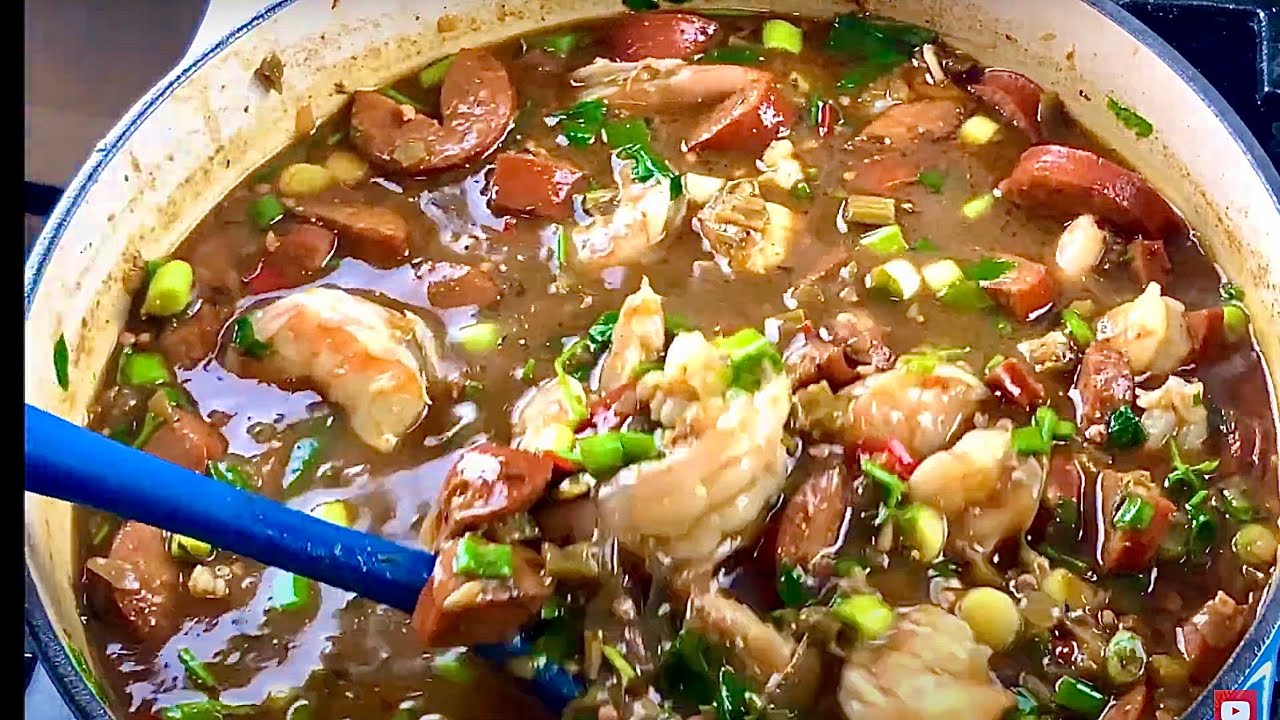
Louisiana Seafood Gumbo Recipe: Let’s get one thing straight—Louisiana Seafood Gumbo isn’t just a dish. It’s a culture, a tradition, and a mouthwatering explosion of flavor that brings people together.
Born in the kitchens of New Orleans and simmered through generations, gumbo is what happens when you let passion, heritage, and spice dance together in a pot. If you’ve never made gumbo before, don’t worry—we’re walking through this classic recipe step by step.
Whether you’re from the South or halfway across the world, by the time you’re done here, you’ll have a bowl of gumbo so good it’ll have your kitchen smelling like a bayou kitchen on a Sunday afternoon.
History and Cultural Roots
Gumbo is as rich in history as it is in flavor. It’s the ultimate melting pot dish, influenced by French, Spanish, African, and Native American cultures. The word “gumbo” comes from the West African word for okra—“ki ngombo”—a nod to one of the traditional thickening agents used in the dish. Over time, Louisiana’s diverse cultural stew evolved gumbo into several different forms, including seafood, chicken and sausage, and even meatless versions.
There are two main types: Cajun and Creole gumbo. Cajun gumbo is darker, usually spicier, and made with a deep, dark roux. Creole gumbo, on the other hand, often includes tomatoes and is a bit lighter in color. This recipe leans a bit more Creole, thanks to the inclusion of tomatoes and seafood, but we’re throwing in some Cajun heartiness too. You get the best of both worlds.
Why You’ll Love This Recipe
This Louisiana Seafood Gumbo hits every note you want in comfort food. It’s spicy, smoky, savory, and oh-so-satisfying. Whether you’re cooking for a big family dinner or impressing guests at a party, it’s the kind of dish that says, “Sit down, stay a while.” Here’s why this recipe is a keeper:
- Loaded with fresh seafood: Shrimp, crab, and sometimes oysters make this rich and indulgent.
- Hearty and filling: One bowl and you’re good for hours.
- Perfect for make-ahead: Tastes even better the next day!
- Deeply flavorful: Thanks to that magical roux and the holy trinity of Cajun cooking.
Think of gumbo as a warm hug from Louisiana—messy, flavorful, and unforgettable.
Essential Tips Before You Start
Before you roll up your sleeves, let’s talk strategy. Gumbo isn’t hard, but it does require patience, love, and a few pro tips:
- Fresh is best: Get the freshest seafood you can find. Don’t skimp here—it makes all the difference.
- The Holy Trinity is sacred: Onion, celery, and bell pepper are the backbone of this dish. Don’t mess with it.
- Roux is your base: Take your time with it. A burnt roux will ruin your gumbo. A perfect roux will make it legendary.
- Prep everything ahead: Chop all veggies, measure out your ingredients, and clean the seafood before you begin.
Gumbo is all about layers of flavor. If you try to rush it, you’ll miss the magic.
List of Ingredients You’ll Need
Here’s your complete shopping list. Don’t worry, these are easy to find in most grocery stores:
Seafood:
- 1 lb large shrimp (peeled & deveined)
- 1 lb crab meat (lump or claw)
- 1 dozen oysters (optional)
- 1/2 lb crawfish tails (optional)
Vegetables (The Holy Trinity):
- 1 large onion, finely chopped
- 1 bell pepper (green), diced
- 2 celery stalks, chopped
- 4 garlic cloves, minced
- 1 cup okra (fresh or frozen, sliced)
Stock & Liquid:
- 6 cups seafood or chicken stock
- 1/2 cup canned diced tomatoes
- 1/4 cup tomato paste
Spices & Seasonings:
- 2 bay leaves
- 1 tsp thyme (dried or fresh)
- 1 tsp smoked paprika
- 1 tsp cayenne pepper (adjust to taste)
- 1 tbsp Cajun or Creole seasoning
- Salt and black pepper to taste
- 2 tbsp Worcestershire sauce
- 1 tbsp hot sauce (optional)
Thickening Agents:
- 1/2 cup all-purpose flour (for roux)
- 1/2 cup vegetable oil (for roux)
- Optional: 1 tsp file powder (added at the end)
Optional Add-ins:
- 1/2 lb andouille sausage (sliced & browned)
- 1 tsp sugar (balances acidity)
Equipment Needed
Make sure you have the following gear ready:
- Large heavy-bottom pot or Dutch oven
- Wooden spoon or silicone spatula (for roux)
- Ladle
- Cutting board and knife
- Skimmer or slotted spoon
- Measuring cups and spoons
- Bowl for cleaned seafood
You don’t need anything fancy—just good-quality basics and some love in your stirring arm.
Step-by-Step Guide to Making Louisiana Seafood Gumbo
Step 1: Make the Roux
Start by whisking equal parts flour and oil in a heavy pot over medium-low heat. Continue stirring constantly until the roux becomes a deep chocolate brown. This step can take 20–30 minutes, and it’s crucial for creating gumbo’s rich flavor foundation.
Step 2: Cook the Holy Trinity
Stir in the classic Cajun trio—onions, celery, and bell peppers. Cook until softened and fragrant, allowing the vegetables to absorb the roux’s deep, nutty flavor.
Step 3: Add Garlic and Tomatoes
Add minced garlic and chopped tomatoes, stirring until they release their juices. This adds brightness and balance to the dark roux.
Step 4: Slowly Stir in Stock
Pour in warm seafood or chicken stock gradually, whisking to avoid lumps. The mixture will thicken into a silky gumbo base.
Step 5: Season the Base
Season with Cajun seasoning, smoked paprika, thyme, and a bay leaf. Adjust heat levels with cayenne or hot sauce as desired.
Step 6: Add Okra and Bay Leaves
Add sliced okra to naturally thicken the gumbo while adding signature Southern flavor. Keep the bay leaves in for depth.
Step 7: Simmer the Gumbo
Let the gumbo cook low and slow for 30–45 minutes, allowing all ingredients to meld into a deeply savory stew.
Step 8: Add Seafood
Add shrimp, crab, oysters, or fish during the last 10 minutes of cooking. Seafood cooks quickly, so avoid overcooking.
Step 9: Simmer Again & Final Seasoning
Give the gumbo a final simmer to marry the flavors. Taste and adjust salt, pepper, and heat before serving.
Step 10: Serve It Right
Serve gumbo over warm white rice with chopped green onions and parsley on top. Add a splash of hot sauce for the true Louisiana touch.
Tips for the Perfect Gumbo
Want to take your gumbo from good to legendary? Keep these tips in your apron pocket:
- Patience is key: Don’t rush the roux. Let each step simmer and develop.
- Use fresh seafood: It makes a difference in flavor and texture.
- Let it rest: Gumbo tastes even better the next day. The flavors meld and deepen overnight.
- Skim as needed: Remove excess oil or foam that forms at the top while cooking.
- Layer your seasoning: Season lightly in stages. Over-seasoning all at once can overpower the dish.
A little love and care go a long way in making a gumbo that people will talk about for years.
Common Mistakes to Avoid
Even seasoned cooks mess up gumbo. Here’s what to steer clear of:
- Burning the roux: This is the most common mistake. Stir constantly and stay focused.
- Adding seafood too early: It becomes rubbery if overcooked.
- Using cold stock in hot roux: It can cause separation. Warm your stock beforehand.
- Skipping the holy trinity: No onion, celery, and pepper? No gumbo.
- Not simmering long enough: Gumbo needs time to develop flavor—don’t cut it short.
Make it once, learn your lesson, and your next gumbo will be golden.
Serving Suggestions
Louisiana seafood gumbo is a full-flavored, rich, and soulful dish, but what you serve with it can take the whole experience to a new level. Traditionally, gumbo is spooned over a mound of steamed white rice, but there are a few delicious ways to round out your Southern feast.
Here are some of the best options:
1. Rice – The Classic Companion
- Serve gumbo over long-grain white rice (not sticky or short-grain).
- You can also try brown rice for a nuttier flavor or wild rice if you’re feeling fancy.
- For a low-carb option, some go with cauliflower rice—not traditional, but it works!
2. Southern Sides
- Cornbread: Soft, buttery cornbread with a slightly sweet crust is perfect for soaking up that gumbo broth.
- Hushpuppies: These crispy, golden cornmeal bites add a wonderful crunch to your meal.
- Collard Greens or Mustard Greens: A slightly bitter green side helps balance the richness of the gumbo.
- Fried Okra: If you love okra in your gumbo, you’ll probably love it fried on the side too.
3. Bread for Dipping
- A hunk of French bread, baguette, or even garlic toast is perfect to mop up every drop of broth.
- Just make sure it’s crusty—soft bread will fall apart in the gumbo.
4. Cold Sips to Cool the Heat
- Gumbo can be spicy. Serve it with iced tea, beer, or even a light white wine like Sauvignon Blanc to cool things down.
When serving a crowd, offer toppings like hot sauce, chopped scallions, parsley, and a small bowl of file powder for guests to sprinkle in themselves.
Storage and Reheating Tips
One of the best things about gumbo? It gets better with time. Seriously. Leftover gumbo is often richer and deeper in flavor after resting overnight. But storing and reheating it the right way is key to preserving both the taste and texture.
How to Store:
- Fridge: Let your gumbo cool to room temperature. Transfer it into airtight containers and refrigerate for up to 3–4 days.
- Freezer: Gumbo freezes beautifully—just skip the rice if you plan to freeze it. Store in freezer-safe containers for up to 3 months.
Pro tip: Divide into individual portions before freezing for easy reheating.
How to Reheat:
- On the stovetop: The best method. Gently reheat gumbo over medium-low heat, stirring occasionally. If it’s too thick, add a splash of stock or water.
- Microwave: Use in short bursts, stirring in between. Be careful not to overcook the seafood!
- Avoid boiling: High heat can turn your shrimp and crab into rubber.
Rice can be reheated separately or made fresh if you want to keep things fluffy and perfect.
Variations to Try
Feeling adventurous? Gumbo is incredibly versatile. Once you master the seafood version, try one of these delicious twists:
1. Chicken & Sausage Gumbo
- Use boneless chicken thighs and smoked andouille sausage.
- Brown the sausage for added flavor and a bit of crisp.
- Add file powder instead of okra for thickening.
2. Vegetarian Gumbo
- Skip the meat and seafood entirely.
- Load it up with okra, bell peppers, mushrooms, tomatoes, zucchini, and greens.
- Use vegetable stock and maybe a can of beans for protein.
3. Spicy Gumbo
- Add more cayenne or serve with extra-hot Louisiana hot sauce.
- Throw in some jalapeños or smoked chipotle powder for a twist.
4. Gumbo Z’Herbes (Green Gumbo)
- A Lenten dish made with a mix of leafy greens.
- Traditionally eaten on Holy Thursday.
- No seafood or meat—just herbs, spices, and green vegetables.
Gumbo is more than a recipe—it’s a tradition. And every cook puts their own spin on it. Don’t be afraid to experiment.
Nutritional Information
While gumbo is hearty and rich, it doesn’t have to be unhealthy—especially when it’s seafood-based. Here’s a rough breakdown per serving (about 1½ cups of gumbo without rice):
| Nutrient | Amount |
|---|---|
| Calories | ~350–450 |
| Protein | 25–35g (thanks to shrimp & crab) |
| Carbohydrates | 15–25g (mostly from veggies & roux) |
| Fat | 20–30g (oil in roux + seafood) |
| Fiber | 3–5g |
| Sodium | Varies (watch the seasoning & stock) |
You can reduce calories by:
- Using less oil in the roux
- Skipping sausage or using turkey sausage
- Using low-sodium stock
Seafood gumbo is packed with lean protein, healthy fats, and tons of flavor, making it a satisfying and relatively balanced meal—especially if paired with a light side.
FAQs about Louisiana Seafood Gumbo Recipe
1. What can I use instead of okra in gumbo?
If you’re not a fan of okra, try using file powder (ground sassafras leaves) to thicken your gumbo. Add it at the very end, just before serving.
2. Can I make gumbo gluten-free?
Absolutely! Use gluten-free flour for the roux, and double-check that your stock and seasoning blends are gluten-free.
3. How spicy should gumbo be?
That’s totally up to you! Traditionally, it has a little kick, but you can adjust cayenne and hot sauce to taste. Serve extra hot sauce on the side for heat-lovers.
4. Is gumbo better the next day?
Yes, yes, and yes. The flavors have more time to blend and deepen. It’s actually common in the South to make gumbo a day ahead.
5. Can I use frozen seafood in gumbo?
Yes, just make sure to thaw and pat it dry before adding it to the pot. Frozen shrimp, crab, and crawfish work well in a pinch.
Conclusion
There you have it—a full guide to making authentic Louisiana Seafood Gumbo, step by step. It’s a labor of love, for sure. But every minute you spend stirring, simmering, and tasting is worth it. Gumbo is more than a dish; it’s a celebration of culture, flavor, and togetherness.
Whether you’re hosting a family dinner, craving something soulful, or just want to warm up on a cold day, this gumbo will always deliver. From the deep, dark roux to the juicy seafood and that last drop soaked up with rice or bread, this recipe is one that will become a regular in your kitchen. Trust me—it’s that good.
So light that burner, pour yourself a drink, and start cooking up some Louisiana love.