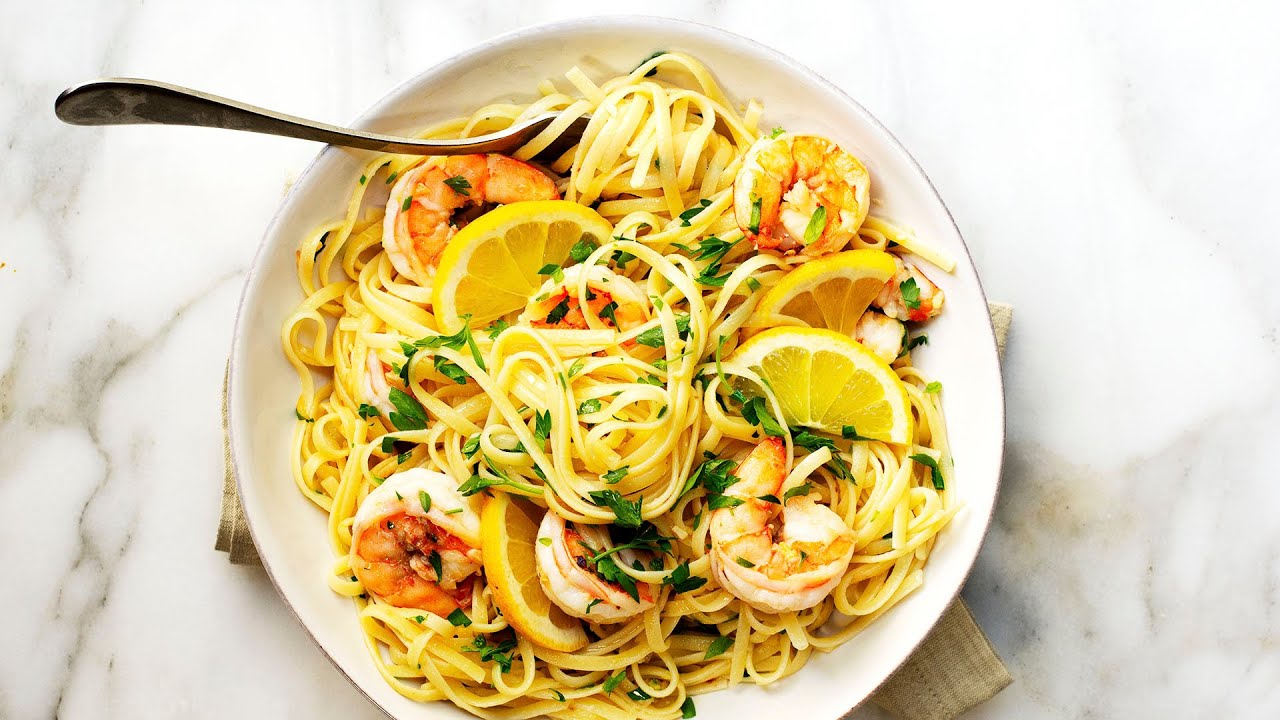
Lemon Shrimp Pasta Recipe: Imagine twirling your fork through buttery pasta strands, catching a plump, juicy shrimp coated in tangy lemon zest and garlic butter—sounds heavenly, right? That’s exactly what lemon shrimp pasta delivers. It’s one of those dishes that feels fancy but is incredibly easy to throw together, even on a weeknight. Whether you’re looking to impress guests or just need a fresh take on dinner, this recipe has your back. It’s a quick-fix comfort food with gourmet vibes.
What makes it truly special is the balance—it’s light yet flavorful, rich yet refreshing. You get the briny depth of shrimp, the zing of lemon, and the creamy undertone of butter, all wrapped around your favorite pasta. And don’t worry if you’re not a kitchen pro—this guide walks you through everything, step-by-step.
Benefits of Lemon Shrimp Pasta
Let’s talk benefits. First up, shrimp is a powerhouse of lean protein, low in fat, and packed with nutrients like iodine and selenium. It’s also quick-cooking, which is perfect when time isn’t on your side. Then there’s lemon—bright, zesty, and loaded with vitamin C. The citrus not only cuts through the richness of the butter but also gives the whole dish a clean, refreshing lift.
And the pasta? Comforting, filling, and easy to cook. Together, these ingredients create a meal that feels indulgent but is actually pretty light and healthy (especially if you use whole wheat or gluten-free pasta). Plus, this dish is naturally dairy-light and can be made even healthier with a few tweaks, which we’ll get into later.
What Makes This Recipe Special
You’ve probably had shrimp pasta before, but lemon shrimp pasta? That’s another level. The lemon elevates the dish into something that feels coastal and summery. It’s the kind of meal you’d imagine enjoying seaside with a glass of white wine and a warm breeze.
But don’t be fooled—it’s just as cozy in winter. The garlic, butter, and tender shrimp bring comfort, while the lemon adds brightness. It’s also super customizable. Want more heat? Add chili flakes. Like it creamy? A splash of cream does the trick. The base recipe is like a blank canvas—perfect on its own but easy to jazz up.
List of Ingredients You’ll Need
Here’s your go-to shopping list for making this mouthwatering dish:
Pasta
- 12 oz spaghetti, linguine, or fettuccine
- Optional: whole wheat or gluten-free pasta
Shrimp
- 1 lb large shrimp, peeled and deveined
- Fresh or frozen (thawed)
Lemon
- 1–2 fresh lemons (zested and juiced)
Butter & Olive Oil
- 2 tablespoons olive oil
- 3 tablespoons unsalted butter
Garlic & Aromatics
- 4–6 cloves garlic, finely chopped
- ¼ teaspoon red pepper flakes (optional)
- Fresh parsley, chopped (for garnish)
Seasonings
- Salt and pepper, to taste
- Optional: Italian seasoning or dried basil
Extras (Optional)
- Grated parmesan cheese
- Baby spinach or cherry tomatoes
Tools & Equipment
Keep it simple—here’s what you’ll need:
- Large pot (for boiling pasta)
- Colander (for draining)
- Large skillet or sauté pan
- Zester or microplane
- Citrus juicer or your hands!
- Cutting board and sharp knife
- Wooden spoon or spatula
These basics make it easy to prep, cook, and combine your ingredients without a fuss.
Prep Before You Cook
Before you even light a burner, a little prep goes a long way. Start by thawing the shrimp if you’re using frozen. Place them in a colander under cold water for about 10 minutes. Once thawed, pat them dry with paper towels to avoid excess moisture in your pan.
Next, peel and finely mince your garlic. You’ll want it ready to go so it doesn’t burn while you’re multitasking. Then zest your lemons (before juicing!) using a microplane or fine grater. You’ll need about 1–2 teaspoons of zest and 2–3 tablespoons of juice.
Lastly, chop your parsley and set everything out so you can add ingredients easily. This step is key if you want a stress-free cooking experience.
How to Choose the Right Pasta
Not all pasta is created equal, especially for lemon shrimp pasta. You want something that can hold sauce but doesn’t overpower the delicate shrimp. Here are the best options:
- Linguine: The classic choice, especially great with seafood.
- Spaghetti: Always a safe bet.
- Fettuccine: Adds a bit more bite and creaminess.
- Angel Hair: Works well for a lighter version, but be careful not to overcook it.
Gluten-free? No problem. Go with brown rice pasta or chickpea-based options—they work surprisingly well. If you’re watching carbs, zucchini noodles or spaghetti squash can be delicious swaps too.
Step-by-Step Cooking Instructions for Lemon Shrimp Pasta
Here’s the moment of truth. Follow these steps closely for restaurant-worthy results:
Step 1: Cook the Pasta
Bring a large pot of well-salted water to a rolling boil. Add the pasta and cook according to the package instructions until al dente—tender but still firm to the bite. Drain the pasta and reserve about ½ cup of the pasta water. Set both aside.
Step 2: Cook the Shrimp
Heat olive oil in a large skillet over medium-high heat. Arrange the shrimp in a single layer and season with salt and pepper. Cook for about 2 minutes per side, just until the shrimp turn pink and opaque. Remove the shrimp from the skillet and set aside to prevent overcooking.
Step 3: Make the Lemon Butter Sauce
Using the same skillet, reduce the heat to medium. Add butter and let it melt. Stir in minced garlic and red pepper flakes (if using), sautéing for about 30 seconds until fragrant. Add lemon juice and lemon zest, then let the sauce simmer gently for 1–2 minutes. Stir in a splash of the reserved pasta water to create a silky, glossy sauce.
Step 4: Combine Everything
Return the cooked shrimp to the skillet, then add the drained pasta. Toss gently to coat everything evenly in the sauce. Add chopped parsley and adjust seasoning with more salt, pepper, or lemon juice as needed.
Step 5: Serve Hot
Serve immediately while hot. Garnish with extra lemon wedges and optional grated parmesan cheese for a bright, flavorful finish.
The Secret to the Perfect Lemon Butter Sauce
Ah, the real magic of this dish lies in the lemon butter sauce. It’s what ties everything together—light, zesty, velvety, and deeply flavorful. But here’s the deal: it’s all about balance. Too much lemon and it turns sour. Not enough butter and it loses its richness. You want the citrus to sparkle, not overpower.
To start, always use fresh lemon juice, not bottled. Bottled lemon juice tends to be bitter and lacks that bright, floral aroma that fresh citrus gives. The zest? That’s where the lemon oils live—and they’re bursting with flavor. Zest first, then juice. That way, you don’t waste any goodness.
When making the sauce, melt the butter slowly over medium-low heat to avoid browning (unless you want a nutty browned butter flavor, which could also be tasty!). Add the garlic right after the butter melts and cook it just until it’s fragrant—don’t let it brown or it’ll turn bitter.
Then, in goes the lemon juice and zest. Let it simmer gently so the flavors mingle. A splash of pasta water at this point is your secret weapon—it adds starch that helps the sauce cling to your pasta like a warm hug.
Want a pro tip? Add the shrimp back into the pan after making the sauce and toss them so they absorb the flavor. Then combine everything with the pasta and stir well. Finish with a handful of fresh parsley or basil for a final punch of freshness.
Add-Ons & Variations
One of the best parts about this lemon shrimp pasta recipe? It’s endlessly customizable. Seriously, think of it as your culinary canvas. Here are a few ways to switch it up:
Add Veggies
- Spinach: Toss in a couple handfuls of fresh spinach after the garlic. It’ll wilt beautifully and add some green power.
- Cherry Tomatoes: Halved and added with the shrimp, they bring sweetness and color.
- Asparagus: Chop into bite-size pieces and sauté them with the garlic for a spring twist.
Make it Spicy
Like heat? Add more red pepper flakes—or go bold with fresh sliced chili. It cuts through the butteriness and adds a zing.
Creamy Version
Want a creamier sauce? Stir in ¼ cup of heavy cream or half-and-half right after the lemon juice. You’ll get a velvety, slightly thicker sauce. You can also mix in a spoonful of cream cheese for extra body.
Make it Cheesy
Grated Parmesan or Pecorino Romano gives it a salty kick and adds umami depth. Stir it in at the end or sprinkle over each serving.
Swap the Protein
Not a fan of shrimp? Try scallops, grilled chicken, or even tofu for a vegetarian twist.
How to Store & Reheat
Got leftovers? Lucky you! Lemon shrimp pasta stores pretty well, though a little care is needed to maintain texture and flavor.
Storage Tips:
- Let it cool completely before storing.
- Transfer to an airtight container.
- Refrigerate for up to 3 days.
Freezing? Not recommended. Shrimp can get rubbery when frozen and reheated, and the sauce tends to separate.
Reheating Tips:
- Reheat gently in a skillet over medium-low heat with a splash of water or broth to loosen the sauce.
- Avoid microwaving shrimp for too long—it can overcook and get chewy.
- If you must use a microwave, cover the dish and heat in 30-second intervals, stirring in between.
What to Serve With Lemon Shrimp Pasta
Want to round out the meal like a pro? Here are some tasty sidekick options:
Bread:
- Garlic bread or a crusty baguette is perfect for soaking up that luscious sauce.
Salads:
- A simple arugula salad with lemon vinaigrette adds freshness.
- Caesar salad gives you crunch and creaminess.
Veggies:
- Roasted asparagus or sautéed green beans add balance and fiber.
Wine Pairing:
- Go for a crisp white wine like Sauvignon Blanc, Pinot Grigio, or Chardonnay.
- Sparkling wine also pairs beautifully for special occasions.
Tips & Tricks for Best Results
Let’s face it—simple recipes still need smart technique. Here are some tried-and-true tips to make your lemon shrimp pasta absolutely unforgettable:
- Don’t overcook the shrimp. Seriously. They only need about 2 minutes per side. Overdo it, and they’ll go from juicy to rubbery.
- Salt your pasta water. It should taste like the sea—it’s your first layer of flavor.
- Use fresh herbs. Dried parsley just doesn’t cut it here. Go fresh or skip it.
- Reserve pasta water. This trick brings everything together like glue.
- Taste as you go. Lemons vary in acidity—adjust seasoning and lemon juice accordingly.
Common Mistakes to Avoid
Even experienced home cooks trip up on a few things with this dish. Here’s what not to do:
- Adding lemon too early. If you add lemon juice while the pan is too hot, it can turn bitter.
- Over-seasoning. Shrimp and lemon already pack flavor—go light on salt until the end.
- Skipping the zest. The zest is pure gold. Don’t waste it.
- Cooking the pasta too early. Time it so the pasta finishes just as the sauce is done. Freshly drained pasta absorbs sauce best.
- Forgetting texture. Add-ins like cherry tomatoes or a crunchy topping (breadcrumbs, anyone?) can make a huge difference.
FAQs about Lemon Shrimp Pasta Recipe
1. Can I use frozen shrimp?
Yes, just make sure to thaw them completely and pat dry before cooking to avoid excess moisture.
2. Is it okay to substitute lime for lemon?
You can, but the flavor will be slightly different. Lime is more tart and intense than lemon, so use sparingly.
3. What’s the best pasta for seafood recipes?
Linguine, spaghetti, and fettuccine are classics. They’re long enough to twirl and hold sauce well without overshadowing the seafood.
4. How do I make it creamier?
Add a splash of heavy cream or stir in cream cheese for a smooth, velvety texture.
5. Is this recipe kid-friendly?
Absolutely! Just skip the red pepper flakes and use a mild garlic flavor. The lemon adds freshness without being overpowering.
Conclusion
There you have it—lemon shrimp pasta, the ultimate quick-and-easy meal that tastes like something you’d order at a fancy Italian bistro. It’s flavorful, fresh, and endlessly adaptable to whatever’s in your fridge. Whether you’re new to cooking or just want something that delivers big results without the drama, this recipe is your go-to.
From date nights to family dinners, weeknights to weekends, it’s a dish that never disappoints. So roll up your sleeves, grab some lemons, and get that water boiling. You’re about to fall in love with your new favorite pasta recipe.