Lebkuchen Recipe: If Christmas had a scent, it would be the warm aroma of spices like cinnamon, cloves, and ginger filling the air while Lebkuchen bakes in the oven.
Lebkuchen, also known as German gingerbread, is more than just a cookie—it’s a piece of tradition, a festive treat that has been cherished for centuries.
In this guide, we’ll walk you through everything you need to know about baking Lebkuchen at home, from ingredients to step-by-step preparation.
What is Lebkuchen?
Lebkuchen is a traditional German baked treat that closely resembles gingerbread but with a unique twist. Unlike regular gingerbread, Lebkuchen tends to be softer, richer, and packed with nuts, honey, dried fruits, and a blend of aromatic spices. It’s not just a cookie—it’s a delicacy enjoyed during the festive season, especially in Germany, Austria, and surrounding European countries. These treats are often round, soft, and glazed with sugar icing or dipped in chocolate.
A Brief History of Lebkuchen
The origins of Lebkuchen date back to the 13th century in Franconia, particularly in the city of Nuremberg, which is still famous for producing the best variety known as Nürnberger Lebkuchen. Historically, monks baked these spiced cookies as a special treat for holidays. Honey was the primary sweetener, and exotic spices like cinnamon, cloves, nutmeg, and anise were brought through trade routes. Over the centuries, the recipe evolved, but the spirit of tradition remains strong.
Why Lebkuchen is Popular During Christmas
Christmas and Lebkuchen go hand in hand. Just like gingerbread houses in the U.S., Lebkuchen is a must-have in German households during Advent. The warm spices, sweet aroma, and soft texture make them the perfect comfort food for cold winter days. Plus, they store well, meaning families can bake large batches and enjoy them throughout the season.
Ingredients You’ll Need
Core Ingredients for Authentic Lebkuchen
To make a traditional Lebkuchen, you’ll need the following essentials:
- Honey – Provides sweetness and helps keep the cookies moist.
- Brown Sugar – Adds richness and depth of flavor.
- Eggs – For structure and binding.
- All-purpose Flour – The base for the dough.
- Ground Almonds or Hazelnuts – Adds a nutty flavor and texture.
- Baking Powder – For leavening.
- Lebkuchen Spice Mix – A blend of cinnamon, cloves, nutmeg, cardamom, and ginger.
- Candied Orange and Lemon Peel – Adds a citrusy, festive note.
Optional Additions for Flavor Variations
Want to put your own twist on Lebkuchen? You can add:
- Dark chocolate glaze or coating.
- Simple powdered sugar icing.
- Extra dried fruits like raisins or apricots.
- Chopped walnuts or pecans.
Substitutes for Common Allergens
If you’re baking for people with allergies, here are some swaps:
- Replace nuts with more flour or oats for texture.
- Use maple syrup instead of honey for a vegan-friendly option.
- Gluten-free flour blends can substitute all-purpose flour.
Kitchen Tools Required
Essential Baking Tools
To make your Lebkuchen successfully, you’ll need some basic kitchen tools:
- Mixing bowls (one large, one medium).
- Electric mixer or hand whisk.
- Measuring cups and spoons.
- Wooden spoon or spatula.
- Baking sheets lined with parchment paper.
- Cooling rack.
Optional Tools for Better Results
- Food processor (to finely chop nuts or candied fruits).
- Cookie cutters (for festive shapes).
- Pastry brush (for glazing).
- Airtight tin for storage.
Preparing the Ingredients
Prepping Nuts, Spices, and Fruits
Preparation is half the success of baking. Chop the candied fruits finely so they distribute evenly in the dough. If using whole nuts, grind them into a coarse powder or small chunks. Spices should be fresh for the most aromatic flavor.
Mixing Dry and Wet Ingredients Separately
Start by whisking together flour, baking powder, nuts, and spices in one bowl. In another bowl, mix honey, sugar, and eggs until smooth. Only then should you combine them, ensuring even distribution of flavors.
Ensuring the Right Consistency
Lebkuchen dough should be thick but not too dry. It’s a sticky mixture, unlike regular cookie dough. If it feels too stiff, add a spoonful of milk. If too runny, sprinkle in a little more flour. The key is to achieve a dough that holds shape without spreading too much while baking.
Step-by-Step Guide to Making Lebkuchen
Step 1 – Preparing the Dough
Start by warming the honey and sugar together until dissolved. Let it cool slightly before mixing in eggs. Slowly fold in the dry mixture until a sticky dough forms. This is the foundation of your Lebkuchen, and the aroma will already hint at Christmas magic.
Step 2 – Chilling the Dough for Best Results
One of the secrets to perfect Lebkuchen lies in letting the dough rest. After you’ve mixed your sticky, aromatic dough, cover the bowl with plastic wrap and place it in the refrigerator. Why? Because chilling helps the spices deepen in flavor and gives the dough a firmer consistency, making it easier to handle.
Ideally, you should chill the dough for at least 2 hours, but if you want to embrace tradition, let it rest overnight. This allows the honey, nuts, and spices to meld together, producing a richer, more balanced taste. Think of it like letting a good stew sit for a day—the flavors become deeper and more harmonious.
When you remove the dough from the fridge, don’t panic if it feels tough. Give it a few minutes at room temperature, and it will soften just enough for shaping. At this stage, it should still be sticky, but manageable. Lightly flour your hands or use parchment paper to prevent sticking. Remember, Lebkuchen dough isn’t like sugar cookie dough—it won’t roll into perfect sheets, but that’s part of its rustic charm.
Step 3 – Shaping and Placing on Baking Sheets
Shaping Lebkuchen is where you can get creative. Traditionally, they’re round, but you can use cookie cutters for festive shapes like stars, hearts, or Christmas trees. To keep things authentic, scoop out spoonfuls of dough and form small mounds on your parchment-lined baking sheet.
Make sure to leave some space between each cookie, as they will spread slightly while baking. If you want perfectly uniform shapes, use Oblaten (thin, round wafers found in German stores) as a base—this prevents the dough from sticking and gives them a professional finish.
If you’re adding decorations, like almonds or candied fruit slices, now is the time to press them gently on top of the dough. For those who want a glossy finish, brush each piece lightly with milk or egg wash before baking.
Shaping isn’t just about looks—it’s about tradition. In Germany, different shapes often symbolize love, luck, or celebration. So, whether you’re baking for family, friends, or a festive gathering, the shape of your Lebkuchen can carry meaning along with flavor.
Step 4 – Baking the Perfect Lebkuchen
Preheat your oven to 350°F (175°C). Slide your tray into the center rack and bake for 12–15 minutes. The key is to watch closely—Lebkuchen should be soft and slightly springy when touched, not hard or crispy. Overbaking will dry them out, and they’ll lose their signature chewiness.
Keep in mind, the cookies will firm up a little more as they cool. So, if they look slightly underdone, don’t worry—that’s exactly what you want. Every oven is different, so it’s worth baking a test batch first to find your perfect timing.
The aroma of baking Lebkuchen is irresistible. Imagine cinnamon, cloves, ginger, and roasted nuts filling your kitchen—it’s like bottling up the holiday season. Once baked, transfer them immediately to a cooling rack. This prevents moisture from building up at the bottom and keeps them from getting soggy.
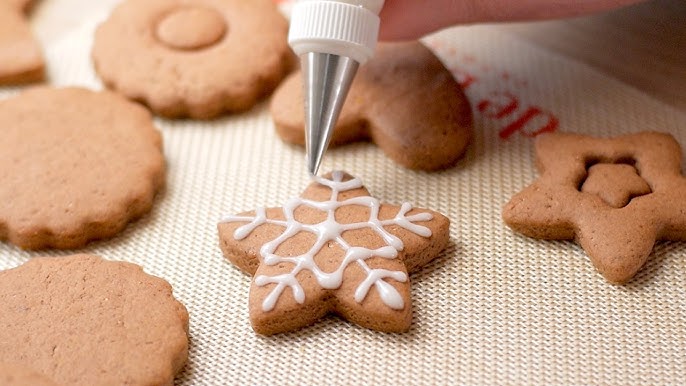
Step 5 – Glazing and Decorating
This is the fun part! Once your Lebkuchen has cooled, you can decorate them in a variety of ways:
- Sugar Glaze – Whisk together powdered sugar and a little water or lemon juice, then brush over the cookies for a shiny, sweet coating.
- Chocolate Glaze – Melt dark or milk chocolate and dip the tops of your cookies, letting the excess drip off. Once cooled, this forms a luscious chocolate shell.
- Simple Dusting – If you prefer a rustic look, sprinkle powdered sugar lightly over the top.
For extra flair, you can press whole almonds, candied orange slices, or sprinkles onto the glaze before it sets. If gifting, wrap them individually in clear bags and tie with festive ribbons.
The glaze doesn’t just add sweetness—it locks in moisture, helping your Lebkuchen stay soft longer. Plus, it gives them that classic glossy finish you see at German Christmas markets.
Tips for Perfect Lebkuchen
How to Keep Them Soft and Moist
The biggest mistake people make is letting their Lebkuchen dry out. To keep them soft, store them in an airtight container with a slice of apple or orange peel inside. The natural moisture from the fruit keeps the cookies tender without making them soggy. Replace the fruit slice every couple of days to avoid spoilage.
Storing for Longer Shelf Life
Lebkuchen are unique because they actually taste better after a few days. Allowing them to sit lets the flavors develop even more. When stored properly, they can last up to 3 weeks at room temperature, or even longer if frozen. Just make sure they’re cooled completely before sealing in containers.
Adjusting Spices to Taste
Everyone has their spice preference. Some like them heavy on cinnamon, while others prefer a stronger ginger kick. Feel free to experiment with your spice blend until it matches your taste. A good rule of thumb: cinnamon is the backbone, while cloves and cardamom add depth.
Common Mistakes to Avoid
Overbaking or Undermixing
If your Lebkuchen turns out dry, it’s probably because you left them in the oven too long. Remember, they should still feel soft when you take them out. On the other hand, undermixing can leave uneven patches of flour or sugar in the dough. Mix until just combined—smooth, but not overworked.
Using the Wrong Flour or Sweetener
All-purpose flour works best. Whole wheat flour may make them too dense, and self-rising flour will throw off the balance. Similarly, stick with honey for that authentic flavor. Corn syrup or molasses can alter the taste significantly.
Skipping the Resting Time
Many beginners rush straight into baking, but chilling the dough is what sets great Lebkuchen apart from mediocre ones. Don’t skip this step—it allows the flavors to mature and gives the dough the right texture for shaping.
Serving Suggestions
Pairing with Beverages
Lebkuchen isn’t just a cookie—it’s a complete holiday experience, especially when paired with the right drink. In Germany, these spiced treats are often enjoyed with a warm cup of Glühwein (mulled wine), where the spices in the drink perfectly complement the gingerbread notes. If mulled wine isn’t your style, try them with hot cocoa topped with whipped cream, a strong espresso, or even a chai latte for a cozy pairing.
For kids, a simple glass of warm milk is the perfect match. The creaminess balances out the spices and makes the cookies feel even more comforting. You can also crumble Lebkuchen into vanilla ice cream or yogurt for a festive dessert twist. Think of it like adding crunchy holiday magic into everyday snacks!
Gifting Ideas for Holidays
Lebkuchen has long been a symbol of love and generosity. In medieval times, they were given as tokens of affection. Today, they make a wonderful homemade gift. Stack a few cookies in a clear cellophane bag, tie them with a red or gold ribbon, and you have a gift that feels thoughtful and festive.
For a more creative touch, you can package different variations—some glazed, some chocolate-dipped, and some with almond toppings—into a decorative tin. Add a handwritten note with the recipe inside, and you’ve just created a gift that’s both delicious and meaningful.
Variations of Lebkuchen
Nürnberger Lebkuchen
The most famous variation comes from Nuremberg, Germany. Nürnberger Lebkuchen is protected by law—only those baked in this region can carry the name. They’re known for their high nut content, often made with very little flour. Traditionally, they’re baked on thin wafers (Oblaten) to prevent sticking, and they’re usually glazed or chocolate-coated.
Elisenlebkuchen
Considered the finest of all, Elisenlebkuchen contains at least 25% nuts and less than 10% flour. This makes them dense, chewy, and incredibly rich in flavor. They’re often packed with almonds, hazelnuts, walnuts, and a generous mix of candied fruits. If you want a truly luxurious Lebkuchen, this is the one to try.
Chocolate-Covered Lebkuchen
For chocolate lovers, this variation is irresistible. Once baked, the cookies are dipped in dark or milk chocolate, creating a crisp outer shell that pairs beautifully with the soft, spiced interior. These are especially popular with kids and make an indulgent snack with coffee or tea.
Nutritional Information
Calories and Macronutrients
Lebkuchen is a festive treat, so while it’s not exactly “light,” it does contain some wholesome ingredients. On average, one medium-sized Lebkuchen has about:
- 200–250 calories
- 3–4 grams of protein (from nuts and eggs)
- 8–10 grams of fat (mostly from nuts)
- 30–35 grams of carbohydrates (from honey, sugar, and flour)
The nuts provide healthy fats, while honey adds natural sweetness. Of course, chocolate or sugar glaze will increase the calorie count, so keep that in mind if you’re watching portions.
Healthier Alternatives
If you’d like to make a lighter version, you can:
- Use whole wheat flour or oat flour for extra fiber.
- Replace part of the sugar with unsweetened applesauce.
- Cut down on the glaze and instead dust lightly with powdered sugar.
- Add more nuts and seeds for extra protein and crunch.
FAQs about Lebkuchen Recipe
1. Can I make Lebkuchen without nuts?
Yes, but nuts are a core part of the traditional recipe. If you must avoid them, replace with rolled oats or sunflower seeds for texture.
2. How long do Lebkuchen last?
Stored properly in an airtight container, they last about 3 weeks. They can also be frozen for up to 3 months.
3. Can I prepare the dough ahead of time?
Absolutely. In fact, letting the dough rest overnight (or even up to 2 days) enhances the flavor.
4. What’s the difference between Lebkuchen and gingerbread?
Gingerbread usually has more ginger and molasses, while Lebkuchen relies on honey, nuts, and a blend of multiple warm spices. It’s softer, chewier, and less sharp in taste.
5. Do I need Oblaten wafers for Lebkuchen?
Not necessarily. Oblaten are traditional, but parchment paper works perfectly fine. They just add an authentic German touch.
Conclusion
Baking Lebkuchen at home isn’t just about making cookies—it’s about carrying on a centuries-old tradition that brings families together. From the rich blend of spices to the sweet honey base, every bite tells a story of history, culture, and celebration. Whether you glaze them, dip them in chocolate, or enjoy them plain, Lebkuchen is the perfect way to add warmth and joy to your holiday season.
So, gather your ingredients, let your kitchen fill with the aroma of cinnamon and cloves, and bake a batch of these festive treats. They’re not only delicious but also a wonderful way to share love and tradition with the people who matter most.