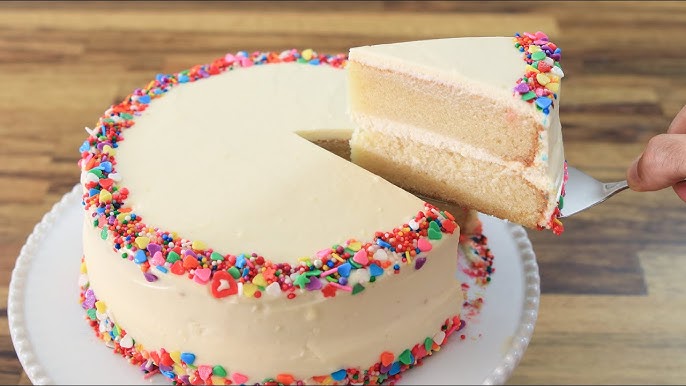
Layer Cake Recipe: Who doesn’t love a good layer cake? It’s the centerpiece of birthdays, weddings, anniversaries, and pretty much every celebration worth remembering. A layer cake isn’t just a dessert—it’s a statement. With multiple fluffy tiers, sweet fillings, and luscious frosting, it’s the kind of treat that wows at first sight and keeps everyone coming back for seconds. Whether you’re baking for a crowd or just want to challenge your inner baker, this guide will take you through everything step by step—no fancy experience required.
Think of a layer cake like building a delicious tower. You need a solid base, reliable structure, and the right kind of decoration on top to make it shine. But don’t worry—this isn’t just a bunch of complicated jargon. With a few tools, the right ingredients, and a touch of patience, you’ll be crafting bakery-quality cakes in no time.
List of Ingredients You’ll Need
Let’s kick things off with what you’ll need on your countertop. These ingredients are broken down into what goes into the actual cake, the frosting, and optional touches for extra flair.
Basic Ingredients for the Cake Layers
You’ll likely have many of these pantry staples on hand already:
- 2 ½ cups all-purpose flour
- 2 ½ tsp baking powder
- ½ tsp baking soda
- ½ tsp salt
- 1 cup unsalted butter (room temperature)
- 2 cups granulated sugar
- 4 large eggs
- 1 tbsp vanilla extract
- 1 cup whole milk (room temperature)
- ½ cup sour cream (adds moisture and richness)
Filling and Frosting Ingredients
Depending on your preference, you can mix and match your fillings and frostings:
- 1 cup unsalted butter (softened)
- 4 cups powdered sugar
- 2–3 tbsp heavy cream or milk
- 1 tbsp vanilla extract
- Pinch of salt
- Optional: cream cheese, cocoa powder, or melted chocolate (for custom frosting)
Optional Add-ins and Decorations
These are great if you want to jazz up your cake:
- Fresh fruits (berries, sliced bananas, mango)
- Jam or fruit compote
- Chocolate chips or chunks
- Sprinkles or edible glitter
- Nuts or coconut flakes
- Food coloring or gel dyes
Kitchen Tools You’ll Need
Don’t start baking without these in your kitchen:
Essential Baking Equipment
- Mixing bowls (at least two sizes)
- Electric mixer or stand mixer
- Measuring cups and spoons
- Rubber spatula
- 8-inch or 9-inch round cake pans (2 or 3, depending on how many layers)
- Offset spatula (for spreading frosting)
- Cooling rack
Optional Tools for Better Precision
- Kitchen scale (for even layer distribution)
- Cake leveler or serrated knife
- Rotating cake turntable
- Bench scraper (for smooth frosting edges)
- Piping bags and tips for decoration
Prepping for Success
Success in baking starts before the first egg is cracked. Prepping correctly means less stress later.
How to Prepare Your Baking Pans
- Grease the pans with butter or nonstick spray.
- Line the bottoms with parchment paper circles for easy release.
- Lightly flour the sides if you want a classic crust.
Why Room Temperature Ingredients Matter
Room temp ingredients mix more easily, leading to a smoother, more even batter. Cold butter won’t cream properly, and cold milk can cause batter to curdle. Take your ingredients out 30–60 minutes before starting.
Preheating the Oven Properly
Preheat your oven to 350°F (175°C) at least 15 minutes in advance. A properly heated oven ensures that your cakes bake evenly and rise properly.
Step-by-Step Guide to Making a Perfect Layer Cake
Let’s break down the process from dry ingredients to fully baked layers.
Step 1: Mixing the Dry Ingredients
In a medium bowl, sift together the flour, baking powder, baking soda, and salt. Sifting ensures everything’s evenly distributed and helps keep the batter light.
Step 2: Creaming the Butter and Sugar
In a large mixing bowl, beat the butter and sugar until it’s pale, fluffy, and doubled in volume. This takes about 4–5 minutes with an electric mixer on medium speed. Don’t skimp—this step creates the base for a light and airy cake.
Step 3: Adding the Eggs and Vanilla Extract
Crack in one egg at a time, beating well between each addition. Add the vanilla and mix until everything is fully incorporated. If the mixture looks a little curdled, don’t panic—it’ll come together once you add the dry ingredients.
Step 4: Alternating Dry Ingredients and Milk
Add the dry ingredients in three parts, alternating with the milk and sour cream. Start and end with the dry ingredients. Mix just until combined—don’t overmix or your cake may be dense.
Step 5: Pouring Batter into Pans Evenly
Divide the batter evenly between your prepared cake pans. Use a kitchen scale for precision if you want identical layers. Tap each pan gently on the counter to pop air bubbles.
Step 6: Baking the Cake Layers
Bake for 25–30 minutes, or until a toothpick inserted into the center comes out clean. The cakes should be golden brown and spring back when touched.
Step 7: Cooling the Layers Thoroughly
Let the cakes cool in the pans for 10 minutes before turning them out onto a wire rack. Cool completely before frosting—this step is crucial to prevent the frosting from melting.
How to Make the Frosting
Frosting is where the magic happens. It brings flavor, texture, and visual appeal to your cake. Whether you love classic vanilla buttercream, rich chocolate, or something a little tangier like cream cheese frosting, the right frosting can elevate your layer cake from simple to spectacular.
Choosing the Right Frosting Type
Here are a few popular types of frosting to consider:
- Buttercream – The most classic choice. It’s sweet, smooth, and perfect for piping.
- Cream Cheese Frosting – Tangy, rich, and excellent for red velvet or carrot cake.
- Whipped Cream Frosting – Light and airy, ideal for fruit-based cakes.
- Chocolate Ganache – A glossy, rich chocolate glaze perfect for decadent layers.
For this recipe, we’ll go with classic vanilla buttercream, but feel free to adapt!
Mixing and Whipping for Fluffiness
To make smooth, fluffy buttercream:
- Beat the butter on medium speed for 2–3 minutes until pale and creamy.
- Add powdered sugar slowly—about ½ cup at a time—beating well after each addition.
- Add vanilla extract and a pinch of salt for flavor.
- Pour in cream or milk 1 tablespoon at a time until you reach your desired consistency. The frosting should be thick but spreadable.
- Whip for 3–5 more minutes on medium-high for that airy, smooth texture.
Make sure the frosting isn’t too stiff (it won’t spread well) or too loose (it’ll drip off the cake). If it’s too thick, add a splash more cream; if it’s too runny, add more powdered sugar.
Assembling the Layer Cake
This is where it all comes together. Take your time here—assembly is as much an art as it is a technique.
Leveling the Cake Layers
Cakes often dome while baking, so use a serrated knife or cake leveler to trim the tops. This creates flat surfaces that stack more securely. Don’t toss the trimmings—snack on them or use for cake pops!
Spreading Filling Evenly
Place your first cake layer on a cake board or serving plate. Spread a generous layer of frosting (or filling like jam or fruit curd) over the top using an offset spatula. Keep the layer even—about ¼ to ½ inch thick.
Stacking the Layers
Repeat the process for each layer. Place the second cake layer gently on top, checking from the side to make sure it’s aligned. Press down slightly to secure it.
Crumb Coating the Cake
A crumb coat is a thin layer of frosting that traps stray crumbs, making the final coat smoother. Spread a light layer of frosting over the entire cake and chill it in the fridge for 20–30 minutes before continuing.
Final Frosting Application
After chilling, apply a thick, even coat of frosting to the cake. Use a bench scraper or offset spatula to smooth the sides and top. Take your time here—it’s worth it.
Decorating Your Layer Cake
This is where your creativity gets to shine. You can keep it simple and elegant or go all-out with color and texture.
Using a Piping Bag
For a clean finish and fancy designs:
- Fit your piping bag with a star or round tip.
- Fill with leftover frosting.
- Pipe rosettes, borders, or dots around the edges or base.
Simple Yet Elegant Toppings
Try some of these easy options:
- Fresh berries or edible flowers
- A sprinkle of chopped nuts
- Dusting of powdered sugar or cocoa
- A drizzle of chocolate ganache
- Shredded coconut or colorful sprinkles
Creative Layer Cake Ideas
- Ombre frosting using food coloring
- A “naked” cake look with minimal frosting on the sides
- Decorate with macarons, candy, or even mini donuts!
Your cake is a blank canvas—make it yours.
Common Mistakes to Avoid
Even the most experienced bakers make mistakes. Here are a few common ones—and how to avoid them.
Why Cakes Sink or Crack
- Overmixing the batter can cause too much gluten, making the cake tough or collapsing in the center.
- Opening the oven door too early can cause the cake to sink.
- Baking at the wrong temperature can lead to cracked tops or uneven baking.
Use an oven thermometer and don’t overthink it—bake with confidence.
Fixing Uneven Frosting
- Problem: Frosting looks lumpy or uneven.
- Solution: Use a warm bench scraper to smooth the sides. Chill the cake again and apply another thin layer for a polished look.
Preventing Dry Cake Layers
- Don’t overbake—check your cakes at the earliest time mark.
- Use sour cream or yogurt in the batter to retain moisture.
- Store cake layers wrapped tightly in plastic wrap if making ahead.
Tips for Storing and Serving
A cake this good deserves to stay fresh and serve beautifully.
How to Keep It Fresh
- Store frosted cakes in the fridge for up to 3–4 days.
- Wrap unfrosted layers tightly and store at room temp or freeze.
- Bring cake to room temperature before serving—it tastes better that way!
Best Practices for Cutting and Serving
- Use a sharp serrated knife or cake cutter.
- Warm the knife with hot water and wipe clean between cuts.
- Slice thin pieces from the middle for beautiful cross-sections.
Variations to Try
Want to remix the classic? Try these fun spins:
Chocolate Layer Cake
- Replace ¾ cup of flour with unsweetened cocoa powder.
- Add melted dark chocolate to the batter for extra richness.
- Use chocolate ganache or whipped chocolate buttercream to frost.
Lemon or Berry-Inspired Variants
- Add lemon zest and juice to the batter and frosting.
- Swirl raspberry or blueberry jam between the layers.
- Top with fresh fruit for a refreshing summer cake.
Vegan and Gluten-Free Alternatives
- Use gluten-free all-purpose flour blends.
- Substitute eggs with flax eggs or unsweetened applesauce.
- Replace butter with plant-based alternatives or coconut oil.
You won’t miss the traditional ingredients if done right!
Troubleshooting Guide
Still running into issues? Here’s a quick rescue plan:
Dry Cake?
- Brush layers with simple syrup (sugar + water) to add moisture.
- Try baking for less time next round.
Frosting Too Runny?
- Chill it for 10–15 minutes.
- Add more powdered sugar gradually until it thickens.
Layers Sliding Around?
- Use a frosting dam: pipe a thick ring of frosting around the edge of each layer before adding filling.
- Chill between assembly stages to let things set.
Nutritional Information (Per Slice Estimate)
| Nutrient | Amount |
|---|---|
| Calories | ~450–500 kcal |
| Carbs | 60–70g |
| Fat | 20–25g |
| Protein | 5–7g |
| Sugar | 45–55g |
Note: Nutritional values will vary depending on exact ingredients and serving size.
FAQs about Layer Cake Recipe
1. Can I freeze the cake layers?
Yes! Wrap them tightly in plastic wrap and foil, then freeze for up to 2 months. Thaw in the fridge overnight before using.
2. How far in advance can I make this cake?
You can bake the layers 2–3 days ahead and frost 1 day before serving. Store covered in the fridge.
3. What’s the best frosting for hot weather?
Swiss meringue buttercream or cream cheese frosting holds up better in heat than traditional buttercream.
4. Can I make this as a two-layer instead of three?
Absolutely. Just divide the batter between two pans and increase the baking time slightly (5–8 minutes more).
5. How do I know when the cake is done baking?
Insert a toothpick in the center—it should come out clean or with a few crumbs. The cake should also spring back when lightly touched.
Conclusion
There you have it—a complete, foolproof, and totally delicious guide to making a homemade layer cake from scratch. With a bit of prep, a good recipe, and a sprinkle of patience, you can create a showstopper that’s as satisfying to look at as it is to eat. Remember, baking is part science, part art, and all about love. So put on your apron, preheat that oven, and get ready to impress!