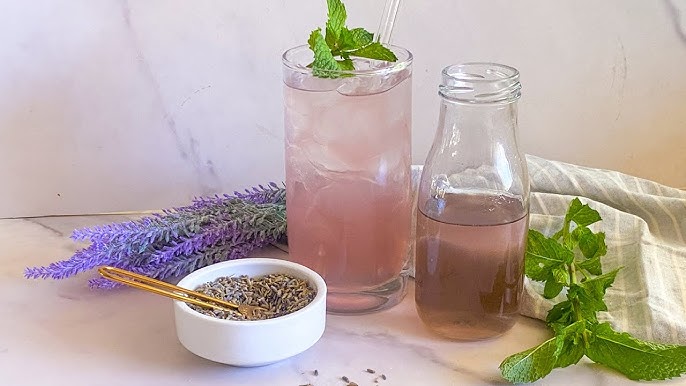
Lavender Syrup Recipe: Lavender syrup isn’t just another fancy kitchen fad—it’s a beautifully aromatic, flavorful, and incredibly useful ingredient. With its floral notes and calming scent, lavender syrup has quickly become a go-to favorite for baristas, home bakers, and wellness lovers alike. Think of it as a way to add a subtle, fragrant twist to everything from cocktails and lemonades to cakes and whipped cream.
The beauty of lavender syrup lies in its simplicity. A handful of ingredients, a few basic tools, and about 30 minutes of your time is all you need. It bridges the gap between rustic charm and culinary elegance, adding a hint of something magical to your dishes and drinks. And yes, it’s surprisingly easy to make at home, which means you can ditch the store-bought versions loaded with preservatives.
But beyond its Instagram-worthy look and artisanal vibes, lavender syrup is practical too. Whether you’re elevating a homemade latte or dressing up your next brunch spread, this is one pantry staple that delivers both flavor and flair.
Benefits of Lavender Syrup
Beyond the taste, lavender syrup offers a bouquet of benefits—literally and figuratively. The natural compounds in lavender are known for their soothing properties, making this syrup a subtle addition to a more relaxed lifestyle.
For starters, lavender has long been associated with stress relief and sleep support. Adding a touch to your evening tea might just help you unwind after a long day. It’s a gentle, fragrant nod to the healing power of herbs.
Then there’s its versatility. Lavender syrup fits seamlessly into countless recipes. Add it to sparkling water for a refreshing twist, drizzle it over pancakes for a floral spin, or blend it into frosting for a unique dessert. Even cocktail lovers adore it—think lavender mojitos or gin spritzers.
Finally, it’s a conversation starter. When guests ask what’s in your drink or dessert and you say “lavender syrup,” you’ve instantly elevated your hosting game. That touch of gourmet flair? All from one homemade bottle.
Ingredients You’ll Need
To make the perfect batch of lavender syrup, you only need a few core ingredients:
Lavender: Dried culinary-grade lavender is preferred. It’s easy to store, readily available, and offers consistent flavor. You can also use fresh lavender, but be sure it’s pesticide-free and intended for culinary use.
Sugar: Classic white sugar works best for a clean, neutral taste. However, you can also try alternatives like cane sugar, honey (for a more herbal finish), or even coconut sugar if you’re going for a deeper flavor.
Water: Plain filtered water is perfect. It acts as the base that extracts and carries the lavender’s essence.
Optional Add-ins:
- A splash of lemon juice for brightness
- A bit of vanilla extract for warmth
- A drop of purple food coloring if you want that Instagram-worthy hue
Sample Basic Recipe:
- 1 cup water
- 1 cup sugar
- 2 tablespoons dried culinary lavender
That’s it—simple, clean, and endlessly customizable.
Tools and Equipment Required
You don’t need a gourmet kitchen to make lavender syrup. Most of the tools required are already in your cabinets. Here’s what you need:
- Saucepan: Medium-sized, preferably stainless steel for even heating.
- Measuring Cups and Spoons: Accuracy is key.
- Wooden Spoon or Silicone Spatula: To stir the syrup while it simmers.
- Fine Mesh Strainer or Cheesecloth: For filtering out the lavender buds.
- Glass Bottle or Mason Jar: To store your finished syrup. A clean, airtight container helps preserve the freshness.
- Funnel (optional): Makes transferring the syrup less messy.
If you have these on hand, you’re more than halfway to making your own lavender syrup.
How to Make Lavender Syrup – Step by Step
Let’s get to the fun part—actually making it. Here’s a foolproof, five-step guide that walks you through the process from start to finish.
Step 1: Choosing the Lavender
Always start with culinary-grade lavender. This isn’t the stuff you find in your potpourri sachet. Look for organic, pesticide-free lavender specifically labeled for food use. If you’re picking fresh lavender from your garden, make sure it’s the English variety (Lavandula angustifolia), as it’s the most palatable.
Step 2: Preparing the Ingredients
Measure out 1 cup of water and 1 cup of sugar. Add 2 tablespoons of dried lavender to the mix. You can adjust the amount of lavender depending on how strong you want the flavor. For a subtler note, start with 1 tablespoon and taste as you go.
Step 3: Simmering the Mixture
Pour the water, sugar, and lavender into a saucepan and bring it to a gentle boil over medium heat. Stir occasionally until the sugar completely dissolves. Then lower the heat and let it simmer for about 10 minutes. This allows the lavender to infuse fully into the syrup.
Step 4: Straining the Syrup
After simmering, remove the saucepan from heat. Let the syrup steep for another 10-15 minutes for a more intense flavor. Then, using a fine mesh strainer or cheesecloth, strain out the lavender buds. Discard the solids.
Step 5: Cooling and Storing
Let the syrup cool completely. Pour it into a clean glass bottle or jar using a funnel to avoid spills. Store it in the fridge where it can stay fresh for up to 2 weeks. If you used lemon juice as a natural preservative, it might last even longer.
Tips for Perfect Lavender Syrup Every Time
Even the simplest recipes can go wrong without a few insider tips. Lavender syrup may be easy to make, but a few tweaks can take it from basic to truly gourmet.
- Don’t over-steep the lavender: While it might be tempting to let the buds steep for a long time to intensify flavor, it can quickly become bitter. Ten minutes of simmering and another 10-15 minutes of steeping is plenty.
- Use filtered water: This might sound excessive, but clean water can significantly improve the final taste, especially in a simple syrup where each ingredient matters.
- Store in glass: Glass containers won’t alter the taste or react with essential oils in the lavender. Plus, they look elegant in your fridge.
- Label your syrup: If you’re making multiple infusions (think rosemary, mint, or rose), labeling helps you keep track and also makes your fridge look like a chic café bar.
Lastly, remember this: less is more. Lavender is strong and aromatic, and a light hand often produces a more enjoyable result.
Variations of Lavender Syrup
Why stick to the basics when you can play with flavors? Lavender pairs beautifully with several herbs and fruits, giving you the perfect base to explore flavor fusion.
Lavender-Vanilla Syrup
- Add 1 tsp of pure vanilla extract during the cooling phase.
- Great in lattes and over pancakes.
Lavender-Lemon Syrup
- Add the zest of one lemon during simmering and strain before bottling.
- Ideal for sparkling water or tea.
Lavender-Honey Syrup
- Replace sugar with honey (1 cup honey to 1 cup water).
- Adds a rich, floral warmth—perfect for drizzling on scones.
You can also get experimental with orange peel, ginger, thyme, or even blueberries. Each brings a new layer of flavor and opens doors to even more culinary creations.
Lavender Syrup for Beverages
Lavender syrup isn’t just a pretty drizzle. It’s an exceptional way to enhance your drinks, both alcoholic and non-alcoholic. Here’s how to use it like a mixology pro:
Lavender Lemonade
Add 1-2 tablespoons of lavender syrup to your homemade lemonade. It turns a simple citrus drink into a spa-like refreshment. Bonus points for adding edible flowers for a garnish.
Lavender Latte
Skip the coffee shop. Add a tablespoon of syrup to your steamed milk and espresso for a calming, café-worthy treat.
Cocktails with a Twist
Lavender syrup can be added to mojitos, gin spritzers, vodka sodas, and even champagne for a floral, sophisticated vibe. Try this simple recipe:
Lavender Gin Fizz
- 2 oz gin
- 1 oz lavender syrup
- 1 oz lemon juice
- Soda water to top
Shake the first three with ice, strain, and top with soda water.
Whether it’s a morning coffee or an evening cocktail, a splash of lavender syrup adds elegance and flair.
Culinary Uses of Lavender Syrup
Beyond drinks, lavender syrup can be a delightful twist in countless culinary creations. Here are some favorite ways to put it to use:
Desserts
- Drizzle over vanilla ice cream for a gourmet dessert.
- Add to whipped cream and top pies or cakes.
- Infuse into cake batters or glazes for a floral flavor profile.
Breakfast Favorites
- Stir into yogurt with fresh berries.
- Use as a topping for pancakes, waffles, or French toast.
- Mix into granola or oatmeal for a sweet morning start.
Savory Pairings
- Glaze roasted carrots or sweet potatoes.
- Add to salad dressings (especially those with goat cheese or nuts).
- Mix with mustard and olive oil for a lavender vinaigrette.
Once you start experimenting, you’ll find the possibilities nearly endless. Lavender syrup plays well in sweet, savory, and everything in between.
How to Store and Preserve Lavender Syrup
Storage might seem like an afterthought, but it’s key to keeping your syrup fresh and flavorful for as long as possible.
Refrigeration
Always store lavender syrup in the refrigerator in a clean, airtight glass bottle or jar. It’ll stay good for about 2–3 weeks. Over time, you may notice slight cloudiness or crystalization—this is a sign it’s nearing the end of its shelf life.
Freezing for Long-Term Use
Want to extend its life? Pour it into ice cube trays and freeze. Once frozen, store the cubes in a freezer bag. These syrup cubes can be dropped into tea, cocktails, or smoothies for quick and easy use.
Signs It’s Gone Bad
- Sour or musty smell
- Cloudiness or mold
- Change in taste
Always trust your senses—when in doubt, throw it out.
Common Mistakes to Avoid When Making Lavender Syrup
Even though making lavender syrup is a simple process, a few missteps can result in a syrup that’s either too bitter, too bland, or not shelf-stable. Avoid these common pitfalls:
Over-Steeping the Lavender
The most frequent mistake? Letting the lavender steep too long. While it may seem like a good idea to draw out every last bit of flavor, steeping for more than 15 minutes after simmering can cause the syrup to taste soapy or overly medicinal. Stick to the recommended time, and always taste before extending steep time.
Using Non-Culinary Lavender
Never use lavender from craft stores or garden centers unless it’s specifically marked as culinary-grade. These may be treated with pesticides or chemicals, making them unsafe for consumption. Always source food-safe lavender from trusted suppliers or grow your own organically.
Incorrect Sugar Ratios
Using too much or too little sugar can affect the texture, flavor, and preservability of your syrup. The classic 1:1 sugar-to-water ratio works best. If you want a thicker syrup, you can experiment with a 2:1 ratio, but don’t reduce the sugar too much or your syrup may spoil faster.
Poor Storage Habits
Storing syrup in plastic containers or leaving it unrefrigerated shortens its shelf life and may lead to contamination. Always opt for clean, glass jars with tight-fitting lids, and keep them refrigerated.
Avoid these simple errors, and you’ll have a flawless batch every time—full of rich floral flavor and safe for weeks of culinary magic.
Lavender Syrup for Gifting
Homemade lavender syrup makes a delightful, personalized gift. Whether for holidays, birthdays, bridal showers, or just because, it’s a charming way to share a touch of homemade goodness.
Packaging Tips
- Use small glass bottles with secure lids or swing-top bottles.
- Add custom labels with the date and ingredients.
- Tie a ribbon or twine around the neck for a rustic look.
Gift Basket Ideas
- Pair with a small jar of loose-leaf tea.
- Include a recipe card with ideas for lavender lemonade or a lavender latte.
- Add mini pancakes, scones, or cocktail mixers to create a full experience.
It’s thoughtful, affordable, and more impressive than any store-bought gift.
Is Lavender Syrup Safe for Everyone?
While lavender syrup is generally safe for most people, there are a few things to keep in mind:
Allergies and Sensitivities
Some individuals may be sensitive to lavender or floral essences. If someone has had a reaction to lavender essential oils or topical products, they should exercise caution with edible lavender too.
Pregnancy Considerations
While culinary lavender in small amounts is typically safe during pregnancy, it’s always best to consult a healthcare provider—especially if you’re consuming lavender regularly or in higher doses.
Children and Pets
Lavender syrup is fine for children when used sparingly in foods and drinks. However, keep it out of reach of pets—especially cats and dogs—as concentrated lavender products can be harmful to them.
Always approach herbal ingredients with a balanced perspective—moderation is key.
Pairing Lavender Syrup with Other Flavors
Lavender has a unique flavor profile—floral, slightly minty, with earthy undertones. Pairing it with the right ingredients can elevate its charm. Here are some of the best flavor companions:
Fruits
- Lemon
- Blueberry
- Raspberry
- Pear
- Blackberry
Herbs
- Mint
- Rosemary
- Basil
- Thyme
Spices and Add-Ons
- Vanilla
- Cardamom
- Cinnamon
- Ginger
- Honey
Creating syrups that mix these flavors can lead to signature infusions ideal for cocktails, desserts, and more. The floral aroma balances beautifully with both sweet and savory notes, giving you endless room to explore.
FAQs about Lavender Syrup Recipe
1. Can I use fresh lavender instead of dried?
Yes, but you’ll need to use about twice the amount of fresh lavender compared to dried. Make sure it’s organic and suitable for culinary use.
2. How long does lavender syrup last in the fridge?
Stored in an airtight glass container, it can last for up to 2–3 weeks. For longer shelf life, freeze it in ice cube trays.
3. Can I use lavender syrup in baking?
Absolutely! You can incorporate it into glazes, batters, icings, or even drizzle it over baked goods.
4. What drinks go best with lavender syrup?
It’s perfect in lemonades, teas, lattes, sparkling water, and cocktails like gin fizzes or mojitos.
5. Is lavender syrup safe for kids?
Yes, in small amounts and when made with safe ingredients. Avoid giving it to kids if they have known sensitivities or allergies to herbs.
Conclusion
Lavender syrup is a simple creation with a huge impact. It’s not just an ingredient—it’s an experience. From calming lattes and unique cocktails to elegant desserts and thoughtful gifts, its uses are as versatile as they are impressive.
What makes it even better? You’re in control. You choose the strength, sweetness, and flavor variations. You decide what goes in and what stays out. That’s the beauty of homemade—customization and quality.
With this guide, you now have the steps, tools, tips, and inspiration to make lavender syrup that’s not only delicious but also Instagram-worthy and shareable. So grab your dried lavender, get simmering, and enjoy the fragrant journey ahead.