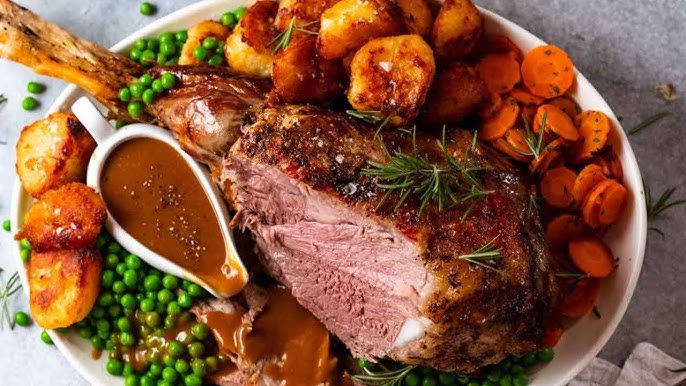
Lamb Thigh Roast Recipe: Cooking lamb thigh roast is one of those culinary experiences that combines rich flavors, tender textures, and timeless tradition. Unlike other cuts of lamb, the thigh roast stands out for its juiciness and ability to absorb seasonings beautifully. It’s not just a dish—it’s a centerpiece, perfect for family gatherings, festive dinners, or even a cozy Sunday meal at home.
Whether you’re a beginner in the kitchen or an experienced home cook, this step-by-step guide will take you through everything you need to know. From selecting the best cut, seasoning it with the perfect blend of herbs, to roasting it to perfection—this recipe is designed to help you succeed.
Think of it this way: cooking lamb thigh roast is like telling a story with flavors. Each step adds depth, from the fresh herbs that infuse aroma to the slow roasting that brings out tenderness. By the end, you’ll have a dish that not only satisfies taste buds but also makes memories at the dinner table.
Why Choose Lamb Thigh Roast?
So, why go for a lamb thigh roast instead of a lamb leg or shoulder? The answer lies in the balance of flavor and texture. Lamb thigh is naturally more tender than the leg but still has enough fat to keep it juicy throughout the roasting process. Unlike lamb shoulder, which often requires very long cooking to break down its toughness, the thigh offers a quicker route to a tender, flavorful roast.
Another advantage is versatility. Lamb thigh roast can be flavored with simple salt and pepper for a rustic taste, or elevated with Mediterranean herbs like rosemary, thyme, and oregano for a gourmet twist. You can even go bold with Middle Eastern spices like cumin and coriander if you’re craving something more exotic.
For those who care about nutrition, lamb thigh is a powerhouse. It’s rich in high-quality protein, vitamins B12 and B6, iron, and zinc—making it not just delicious but also nourishing.
In short, lamb thigh roast is a fantastic option when you want a dish that looks impressive, tastes divine, and doesn’t demand professional chef skills to pull off.
The Perfect Dish for Special Occasions
A lamb thigh roast doesn’t just fill stomachs—it creates an experience. Imagine serving a golden-brown roast at Easter, Christmas, or a wedding anniversary dinner. The aroma fills the house, guests gather around, and as you carve into the tender meat, everyone’s anticipation turns into joy.
It’s the kind of dish that transforms an ordinary meal into a memory. That’s why it’s often reserved for special occasions. But here’s a secret: you don’t have to wait for a big event to cook it. Preparing lamb thigh roast on a quiet Sunday can turn an average day into something extraordinary.
The versatility of serving options also makes it ideal for entertaining. You can pair it with creamy mashed potatoes, roasted root vegetables, or even light couscous for a healthier alternative. Add a glass of red wine, and you’ve got yourself a restaurant-quality dining experience right at home.
Ingredients You’ll Need
Getting your ingredients right is the first step toward a perfect lamb thigh roast. The best part is that you don’t need an overwhelming shopping list. Most of the items are probably already in your pantry or easily available at your local grocery store.
Here’s a breakdown of the essentials:
Main Ingredients
- Lamb thigh roast (1.5–2 kg, bone-in or boneless depending on preference)
- Olive oil (3–4 tbsp for coating and roasting)
- Garlic cloves (6–8, crushed or finely chopped)
- Onions (2 medium, sliced to form a bed for roasting)
- Lemon juice (2 tbsp for freshness and balance)
- Salt & freshly ground black pepper (to taste)
These form the foundation of your dish. The lamb provides the canvas, olive oil helps crisp the skin, garlic and onions bring depth, and lemon juice cuts through the richness.
Herbs and Spices for Flavor
- Fresh rosemary sprigs (3–4 sprigs or 2 tsp dried)
- Thyme (1 tsp dried or 2 fresh sprigs)
- Paprika (1 tsp for color and mild spice)
- Ground cumin (optional, ½ tsp for earthy undertones)
Herbs are what transform your lamb thigh roast from “just meat” into a gourmet dish. Rosemary and thyme are classic pairings with lamb, while paprika and cumin add a subtle warmth.
Optional Add-ons for Extra Taste
- Carrots and potatoes (cut into chunks for roasting alongside the lamb)
- Red wine (½ cup to add depth to the roasting juices)
- Butter (2 tbsp, melted and brushed over for richness)
- Chili flakes (for those who like a bit of heat)
These add-ons aren’t mandatory, but they can take your lamb roast to the next level. Roasting vegetables in the same pan means they soak up the lamb’s juices, turning into a flavorful side dish without extra effort.
Preparing the Lamb Thigh Roast
Preparation is everything. Before the lamb even touches the oven, how you handle it makes a huge difference in the final result. This stage involves choosing the right cut, trimming and cleaning it properly, and marinating it so that every bite bursts with flavor.
Choosing the Right Cut of Meat
When it comes to lamb, not all cuts are created equal. For roasting, you’ll want a thigh that’s fresh, firm to the touch, and with a nice balance of meat and fat. The fat is essential—it bastes the meat as it cooks, ensuring tenderness.
If you have access to a butcher, ask for a bone-in lamb thigh roast. Cooking it with the bone enhances flavor and helps distribute heat evenly. However, if convenience matters, a boneless thigh roast is easier to carve and still delicious.
Always look for lamb that has a bright pinkish-red color and fine-grained texture. Avoid cuts that look grayish or have an overly strong odor, as these are signs of older meat.
Trimming and Cleaning the Meat
Before marinating, you’ll need to prepare the lamb properly. Trimming excess fat is important—not because fat is bad (you need some for flavor)—but because too much can make the dish greasy.
Here’s what to do:
- Rinse the lamb under cold water and pat dry with paper towels.
- Trim off any thick, hard layers of fat, but leave a thin layer to help keep moisture in.
- If the butcher hasn’t already done so, score the surface lightly with a sharp knife in a crisscross pattern. This allows the marinade to penetrate deeper.
This simple step ensures that the lamb absorbs the seasoning evenly and cooks more consistently.
Marination Process for Maximum Flavor
This is where the magic begins. Marinating lamb thigh roast infuses it with bold flavors and helps tenderize the meat.
A basic marinade includes:
- Olive oil (acts as a base)
- Crushed garlic (adds punch)
- Lemon juice (for acidity and freshness)
- Chopped rosemary and thyme (earthy, aromatic notes)
- Salt and pepper (the essential balance)
Combine all ingredients into a paste and rub it generously over the lamb. Make sure you push the marinade into the scored cuts and crevices for maximum absorption. Cover the lamb with plastic wrap and refrigerate for at least 2 hours—though overnight is best for deeper flavor.
When you take it out of the fridge, let it sit at room temperature for about 30 minutes before cooking. This helps the meat roast evenly instead of being cold in the center.
Step-by-Step Guide to Cooking Lamb Thigh Roast
Now that your lamb is prepped and marinated, it’s time for the most exciting part: cooking. Roasting lamb thigh is not about rushing—it’s about patience. Each stage builds on the last, ensuring a roast that’s crispy on the outside, tender inside, and packed with flavor.
Step 1 – Prepping the Oven and Tools
Before you even touch the lamb, get your kitchen setup right. Preheat your oven to 180°C (350°F). A properly preheated oven ensures the lamb cooks evenly from the start.
Gather your tools:
- Roasting pan (large enough to hold the lamb and vegetables)
- Meat thermometer (essential for checking doneness)
- Sharp carving knife
- Aluminum foil (for covering during resting stage)
Place onion slices or a roasting rack at the bottom of your pan. This prevents the lamb from sitting directly on the base and helps circulate heat for more even cooking.
Step 2 – Seasoning and Marinating the Lamb
At this point, your lamb has already been infused with flavors during the marination process. However, before placing it in the oven, you’ll want to give it one final seasoning boost. This ensures the outer crust develops a rich, savory taste while sealing in the juices.
Take your marinated lamb out of the fridge and let it rest for 30 minutes at room temperature. This step prevents uneven cooking, which can happen if cold meat goes straight into the oven.
Sprinkle a light layer of salt and freshly cracked black pepper over the lamb just before roasting. For an extra touch, drizzle a little more olive oil on top and massage it gently into the surface. If you enjoy a deeper crust, dust a small amount of paprika across the top—it not only adds a subtle smoky flavor but also enhances the golden-brown color as the meat roasts.
Some cooks also insert small garlic slivers or rosemary sprigs into tiny incisions on the lamb for a stronger infusion of flavor. This step is optional, but it works wonders if you love aromatic, herby undertones in your roast.
Step 3 – Searing for Extra Juiciness
Searing is a game-changer when it comes to roasting meats. While some recipes skip this step, it can make a significant difference in flavor and texture. By searing the lamb thigh before slow roasting, you lock in the juices and create a beautiful caramelized crust.
Here’s how to do it:
- Heat 2–3 tablespoons of olive oil in a heavy-bottomed skillet or cast-iron pan over medium-high heat.
- Once the oil is hot, place the lamb in the pan, searing each side for about 2–3 minutes until browned.
- Don’t rush—allow the crust to form naturally. Avoid moving the lamb around too much.
After searing, transfer the lamb to your prepared roasting pan. Place it on top of the onion slices or rack, which will allow airflow and prevent sticking.
This quick step adds layers of flavor that roasting alone can’t achieve. Plus, it ensures that when you slice into the lamb later, the meat remains succulent and not dry.
Step 4 – Slow Roasting for Tender Meat
Now comes the heart of the recipe: roasting. The secret to a perfect lamb thigh roast is low and slow cooking. This method allows the connective tissues to break down gradually, leaving the meat tender and juicy.
Set your oven to 180°C (350°F) and roast the lamb uncovered for about 1.5 to 2 hours depending on size. For a 2 kg lamb thigh, 2 hours is generally sufficient for medium doneness.
Use a meat thermometer to check the internal temperature:
- Medium-rare: 60°C (140°F)
- Medium: 65°C (150°F)
- Well done: 70–75°C (160–165°F)
While roasting, baste the lamb every 30 minutes with its juices. If you added vegetables like carrots and potatoes, this will coat them in flavor as well, making them golden and delicious by the time the roast is done.
If the surface starts browning too quickly, cover the roast loosely with aluminum foil. This prevents burning while allowing the lamb to continue cooking evenly inside.
For added depth, you can pour half a cup of red wine or beef stock into the roasting pan midway through cooking. This creates a rich, flavorful base for a gravy later on.
Step 5 – Resting and Carving the Roast
The temptation to slice into your roast immediately is real—but resist it! Resting the lamb after roasting is just as important as cooking it.
Once you remove the lamb from the oven, cover it loosely with foil and let it rest for at least 15–20 minutes. This allows the juices to redistribute throughout the meat instead of spilling out when carved. The result? Moist, flavorful slices every time.
When it’s time to carve, use a sharp carving knife. For a bone-in thigh, cut along the bone to release large sections, then slice against the grain into thin pieces. If using a boneless thigh, simply slice straight across into even, tender slices.
Arrange the carved lamb on a serving platter alongside the roasted vegetables. Drizzle a little of the pan juices over the top for added flavor and presentation.
And there you have it—a beautifully roasted lamb thigh that’s crispy on the outside, tender inside, and bursting with flavors.
Serving Suggestions
Cooking lamb thigh roast is only half the story. Serving it with the right accompaniments elevates the dish from delicious to unforgettable. Whether you want a traditional family-style dinner or something more gourmet, the right sides, sauces, and drinks can transform the entire meal.
Best Side Dishes for Lamb Roast
Lamb pairs beautifully with hearty, comforting sides. Some classic choices include:
- Mashed Potatoes: Creamy, buttery mashed potatoes balance the richness of lamb perfectly.
- Roasted Vegetables: Carrots, parsnips, and Brussels sprouts caramelize beautifully alongside the lamb.
- Rice Pilaf or Couscous: Lighter alternatives that soak up the pan juices wonderfully.
- Yorkshire Pudding: A British favorite that adds a unique texture and flavor.
The key is balance. Since lamb is rich and savory, sides should complement rather than overpower. Starchy options like potatoes or grains soak up the juices, while roasted or steamed vegetables add freshness.
Wine Pairings with Lamb
Pairing lamb with wine is like completing a puzzle—the right combination makes every bite more enjoyable. For lamb thigh roast, red wines are the classic choice.
- Cabernet Sauvignon: Its bold tannins cut through the richness of lamb.
- Merlot: A softer, fruitier option for those who prefer less intensity.
- Syrah/Shiraz: Peppery notes pair well with herbed lamb.
- Pinot Noir: A lighter red, perfect if you want a delicate pairing.
If you’re not a wine drinker, herbal teas or sparkling water with lemon can also complement the flavors beautifully.
Sauces and Gravies to Complement the Dish
No roast is complete without a sauce or gravy. Here are some options that elevate lamb thigh roast:
- Mint Sauce: A classic British pairing that adds freshness.
- Red Wine Gravy: Made from pan drippings, red wine, and beef stock for a rich, velvety finish.
- Garlic Yogurt Sauce: Light and tangy, perfect for a Mediterranean touch.
- Chimichurri: A bold, herby sauce that adds a vibrant kick.
These sauces not only enhance flavor but also bring variety to each bite, ensuring your roast never feels monotonous.
Tips for a Perfect Lamb Thigh Roast
Even with the best recipe, small mistakes can sometimes lead to disappointing results. That’s why knowing a few professional tips can make all the difference between a good lamb roast and an exceptional one.
Common Mistakes to Avoid
- Skipping the resting period – Many home cooks make the mistake of carving the lamb immediately after roasting. This causes the juices to run out, leaving the meat dry. Always let it rest for at least 15–20 minutes.
- Not seasoning enough – Lamb is naturally rich in flavor, but it still needs generous seasoning. Don’t be shy with salt, pepper, and herbs. Undersalting can leave the dish bland.
- Cooking at high heat throughout – Some assume high heat means faster cooking, but this often results in a tough outer layer and raw inside. A low-and-slow approach ensures tenderness.
- Overcooking the lamb – Overcooking is one of the quickest ways to ruin a lamb roast. Use a meat thermometer instead of guessing to achieve the perfect doneness.
- Forgetting to baste – Basting the lamb with its own juices (or a little melted butter) every 30 minutes ensures a moist, flavorful roast.
By avoiding these mistakes, you set yourself up for success every single time.
How to Keep the Meat Juicy
Juiciness is the hallmark of a well-cooked lamb roast. Here’s how to achieve it:
- Marinate overnight: The longer you let the lamb soak in herbs, garlic, and olive oil, the deeper the flavor and tenderness.
- Use the right fat balance: Keep a thin layer of fat on the lamb. It melts during roasting, keeping the meat moist.
- Cover with foil if needed: If the surface is browning too fast, tent it with foil. This protects the meat from drying out while allowing the inside to cook evenly.
- Rest before carving: As mentioned earlier, resting is essential. It helps juices redistribute instead of spilling out.
Think of it this way: lamb is like a sponge. If you cut it too soon, it “leaks” all its moisture. Letting it rest ensures every slice is succulent and satisfying.
Adjusting Cooking Time for Different Sizes
Not all lamb thighs are the same size, which means cooking times can vary. As a general rule of thumb:
- For 1.5 kg (3.3 lbs): Roast for about 1 hour 15 minutes (medium).
- For 2 kg (4.4 lbs): Roast for about 1 hour 45 minutes (medium).
- For 2.5 kg (5.5 lbs): Roast for about 2 hours 15 minutes (medium).
Always check with a meat thermometer to avoid guesswork. Remember, it’s better to slightly undercook lamb (you can always return it to the oven) than to overcook and dry it out.
Nutritional Value of Lamb Thigh Roast
Beyond taste, lamb thigh roast brings significant nutritional benefits. It’s a protein-rich dish that fits well into balanced diets, especially when paired with healthy sides like vegetables or whole grains.
Protein and Nutrient Benefits
Lamb is an excellent source of high-quality protein, making it perfect for muscle repair and growth. A single serving (100g cooked lamb thigh) provides around 25–28g of protein.
It’s also packed with essential nutrients such as:
- Vitamin B12: Supports nerve health and red blood cell formation.
- Iron: Helps prevent anemia and boosts energy.
- Zinc: Strengthens immunity and supports healing.
- Selenium: A powerful antioxidant that supports thyroid function.
Unlike processed meats, lamb provides these nutrients naturally without excessive additives.
Calorie Count per Serving
On average, 100g of roasted lamb thigh contains:
- Calories: 250–280
- Protein: 25–28g
- Fat: 18–20g
- Carbohydrates: 0g
Keep in mind that calorie counts may vary based on preparation. Adding butter, oils, or gravies will increase calorie content, while trimming fat and using lighter marinades will reduce it.
Health Considerations
While lamb thigh is nutritious, moderation is key. Because it contains saturated fats, overindulging may affect heart health if consumed too frequently. To balance it:
- Pair lamb with fiber-rich vegetables to aid digestion.
- Avoid excessive butter-based sauces if you’re watching cholesterol.
- Opt for leaner cuts or trim visible fat before cooking.
Enjoying lamb thigh roast once or twice a week as part of a balanced diet is a healthy way to indulge without worry.
Storing and Reheating Leftovers
One of the best things about roasting lamb thigh is the leftovers. They’re just as delicious the next day—sometimes even better, as the flavors deepen overnight. The key is knowing how to store and reheat without drying the meat.
Refrigeration Tips
After the meal, let the lamb cool to room temperature (but not longer than 2 hours). Place the slices or whole roast into an airtight container or wrap tightly in foil. Store in the refrigerator for up to 3–4 days.
Tip: Storing with a little of the pan juices helps keep the meat moist.
Freezing for Longer Shelf Life
If you want to keep the roast for longer, freezing is an excellent option. Slice the lamb into portions, wrap each piece in cling film, and then place in a freezer-safe bag. Properly stored, lamb can last up to 2–3 months in the freezer.
When ready to use, thaw overnight in the fridge. Avoid thawing at room temperature, as this may encourage bacterial growth.
Best Ways to Reheat Without Losing Flavor
Reheating lamb can be tricky because it tends to dry out. The secret is using gentle heat.
- Oven Method: Place slices in a baking dish, add a splash of stock or leftover gravy, cover with foil, and warm at 150°C (300°F) for 15–20 minutes.
- Stovetop Method: Heat in a skillet with a little butter or olive oil over low heat. Cover with a lid to trap steam.
- Microwave Method: If you’re in a hurry, microwave slices covered with a damp paper towel for 1–2 minutes. Use medium power to prevent toughness.
These methods ensure your lamb remains flavorful and juicy, just like when it was first roasted.
FAQs about Lamb Thigh Roast Recipe
1. Can I cook lamb thigh roast without marinating?
Yes, but marinating adds depth and tenderness. If you’re short on time, at least season generously with salt, pepper, and olive oil.
2. How do I know when my lamb roast is cooked perfectly?
Use a meat thermometer. Medium doneness is around 65°C (150°F). Avoid guessing, as overcooking dries the meat.
3. Can I cook lamb thigh roast in a slow cooker?
Absolutely! Slow cooking works well for lamb. Cook on low for 6–8 hours with herbs, garlic, and a splash of stock for tender results.
4. What’s the difference between lamb thigh and lamb leg roast?
The thigh is smaller, more tender, and cooks faster, while the leg is larger and slightly firmer, often serving more people.
5. Can I prepare lamb thigh roast ahead of time for guests?
Yes! You can marinate it a day before and refrigerate. On the day of cooking, bring it to room temperature, roast, and serve fresh.
Conclusion
Lamb thigh roast is more than just a recipe—it’s an experience. From the careful marination to the slow roasting and the satisfying carving at the end, every step builds toward a dish that’s hearty, flavorful, and memorable. Whether you’re cooking it for a festive holiday dinner or simply to make a Sunday meal special, this roast never fails to impress.
With the right seasoning, patient cooking, and a few simple tips, anyone can master the art of roasting lamb thigh. Pair it with the right sides, sauces, and wine, and you’ve got a meal that brings people together and creates lasting memories.
So, the next time you’re looking for a dish that feels indulgent yet approachable, give lamb thigh roast a try. It’s not just food—it’s comfort, tradition, and celebration all on one plate.