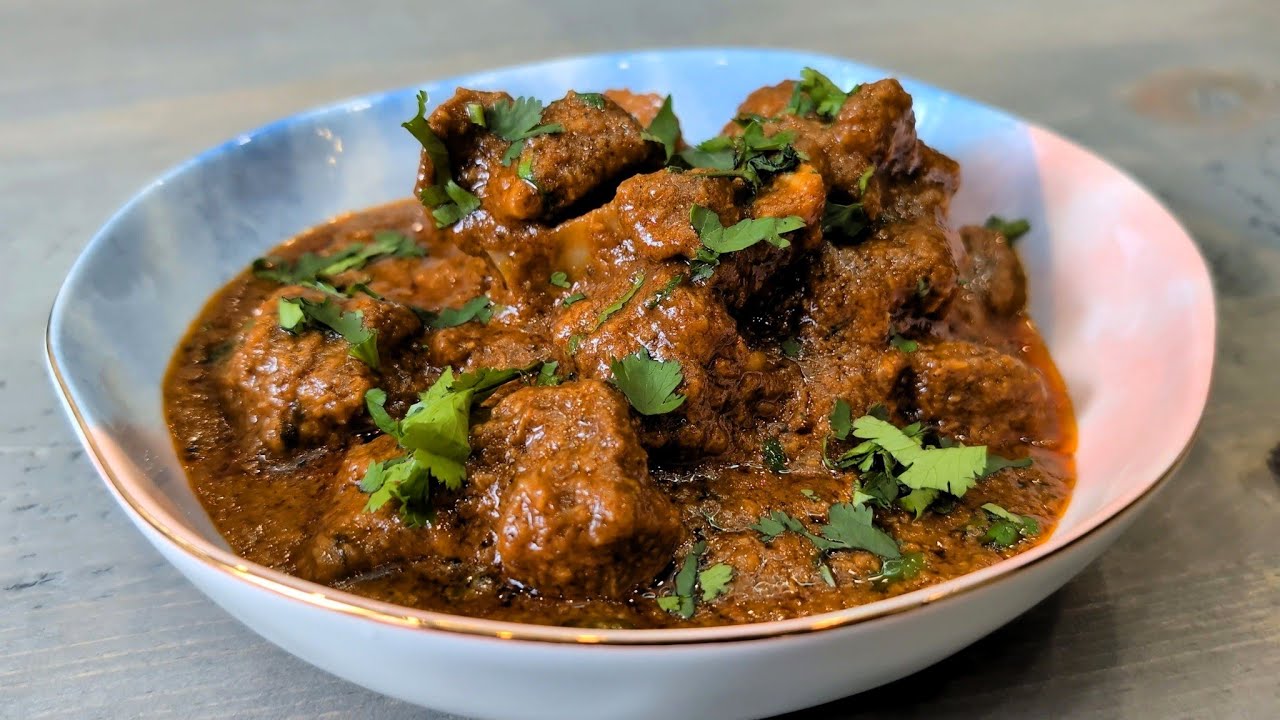
Lamb Curry Recipe: If you’ve ever craved a hearty, comforting dish that warms your soul, lamb curry is exactly what you’re looking for. Rich, aromatic, and packed with layers of flavor, this dish has earned its place as a favorite across the globe. Whether you’re new to cooking or an experienced home chef, preparing lamb curry at home isn’t as complicated as it may seem. In fact, once you know the right steps and techniques, you’ll be serving restaurant-quality curry right from your own kitchen.
This detailed guide will walk you through everything you need to know – from the ingredients to step-by-step cooking instructions, expert tips, and variations you can try. By the end, you’ll not only have a complete recipe but also the confidence to make lamb curry like a pro.
Why Lamb Curry is Loved Worldwide
Lamb curry is not just food—it’s an experience. The moment you walk into a kitchen where lamb curry is being prepared, the fragrant aroma of spices hits you first. The combination of tender lamb pieces slowly simmering in a flavorful sauce makes it an irresistible dish. People love lamb curry because it is versatile. You can make it spicy, mild, creamy, or even tangy, depending on your taste preferences.
Another reason for its popularity is cultural. Lamb curry has roots in South Asian cuisine but has traveled far and wide, becoming a staple in Middle Eastern, Caribbean, and even Western kitchens. Each culture adds its own twist—some add coconut milk, others use yogurt, while some prefer a tomato-based gravy. No matter the version, lamb curry remains deeply satisfying, offering comfort and celebration in every bite.
A Brief History of Lamb Curry
The history of lamb curry is as rich as its flavors. Originating in the Indian subcontinent, curry as a concept dates back thousands of years. Ancient Indian texts mention meat being slow-cooked with spices, and lamb, being a prized meat, was often used for special occasions.
When trade routes expanded, the use of spices like cumin, coriander, and cinnamon spread to other parts of the world. The British, during the colonial era, took a keen interest in Indian curries and introduced them to Europe. Over time, lamb curry became a household favorite in many countries, each adapting it to local tastes.
Today, lamb curry is not only served in traditional Indian or Pakistani households but also in fine-dining restaurants and family kitchens across the world. Its ability to adapt while retaining its authentic roots is what makes it timeless.
Ingredients You’ll Need for Lamb Curry
Cooking a delicious lamb curry starts with the right ingredients. While you can customize it to your liking, the base recipe usually follows a standard pattern of meat, spices, and sauce.
Main Ingredients
- Lamb: Bone-in lamb pieces are best for curries because they add depth of flavor. You can also use boneless cuts for convenience.
- Onions: Finely chopped onions form the base of the curry.
- Tomatoes: Fresh or canned tomatoes add body and tanginess.
- Garlic and Ginger: These are non-negotiable. They bring warmth and depth.
- Oil or Ghee: Traditional recipes use ghee, but cooking oil works just as well.
Spices and Herbs
The real magic of lamb curry lies in the spices. You’ll need:
- Turmeric powder – for color and earthiness.
- Coriander powder – mild, nutty flavor.
- Cumin powder – warm and slightly bitter.
- Red chili powder – for heat (adjust to taste).
- Garam masala – a blend of spices for aroma and depth.
- Bay leaves, cloves, cinnamon, cardamom – whole spices to infuse flavor.
- Fresh cilantro leaves – for garnishing.
Optional Ingredients for Extra Flavor
- Yogurt or cream – to make the curry rich and creamy.
- Coconut milk – often used in South Indian or Caribbean styles.
- Potatoes or peas – to bulk up the dish.
- Lemon juice – for a tangy finish.
The beauty of lamb curry is that you can adjust the ingredients based on what you have at home, and it will still turn out delicious.
Kitchen Tools and Preparation Before Cooking
Before you even light the stove, preparation is key. A well-prepped kitchen saves time and ensures the cooking process goes smoothly.
Essential Kitchen Tools
- A heavy-bottomed pot or Dutch oven (to prevent burning).
- A sharp chef’s knife (for cutting lamb and vegetables).
- A cutting board.
- Measuring spoons and cups.
- Wooden spoon or spatula.
- Blender or food processor (optional, for making smooth pastes).
Prepping the Lamb for Curry
Start by washing the lamb pieces under cold water and patting them dry with paper towels. Trim off any excess fat if you prefer a lighter curry. Cutting the lamb into medium-sized chunks ensures they cook evenly. For more flavor, you can marinate the lamb with yogurt, garlic, ginger, and some spices ahead of time. This not only tenderizes the meat but also infuses it with flavor.
Preparing Vegetables and Spices
- Chop onions finely or puree them if you prefer a smoother gravy.
- Crush garlic and ginger into a paste.
- Dice tomatoes or blend them into a puree for a smoother sauce.
- Measure all the dry spices beforehand so you can add them quickly when cooking.
Having everything ready makes the cooking process enjoyable and efficient.
Step-by-Step Guide to Making Lamb Curry
Cooking lamb curry is like building layers of flavor. Each step adds something unique to the dish.
Step 1 – Marinating the Lamb
Begin by cutting the lamb into medium-sized chunks. In a bowl, mix yogurt, minced garlic, grated ginger, turmeric, chili powder, and a pinch of salt. Coat the lamb pieces with this marinade, cover, and refrigerate for at least 1–2 hours (overnight works best). This step not only infuses flavor but also tenderizes the meat.
Step 2 – Cooking the Base Sauce
Heat some oil or ghee in a heavy-bottomed pot. Add chopped onions and sauté until golden brown. Stir in minced garlic and ginger, cooking until fragrant. Next, add tomatoes (fresh or pureed) and cook them down until they soften and the oil begins to separate. This onion-tomato mixture is the foundation of a rich curry.
Step 3 – Adding the Lamb and Spices
Now, add the marinated lamb pieces to the pot and sear them until lightly browned. Sprinkle in ground coriander, cumin, garam masala, chili powder, and a touch of cinnamon or cardamom if you want deeper flavor. Stir well so the spices coat the meat evenly and release their aroma.
Step 4 – Simmering for Tenderness
Pour in water or stock (beef, chicken, or vegetable) to cover the lamb. Bring it to a boil, then reduce to low heat and cover the pot. Let the curry simmer gently for 1–2 hours, stirring occasionally, until the lamb is tender and the sauce has thickened into a rich, flavorful gravy. Slow cooking is key here—the longer it simmers, the more tender and flavorful it becomes.
Step 5 – Final Touch and Garnishing
Once the lamb is perfectly cooked, adjust seasoning with salt and pepper. Add a splash of cream or coconut milk for extra richness if you like. Finally, garnish with freshly chopped cilantro or parsley. Serve hot with steamed rice, naan, or flatbread to soak up the delicious sauce.
Cooking Tips and Tricks for Perfect Lamb Curry
Cooking lamb curry isn’t complicated, but small details make a big difference. Here are some expert tips to help you master it:
How to Make the Lamb Tender
- Always marinate the lamb if possible. Yogurt and spices break down tough fibers.
- Slow cooking is essential. Don’t rush the process. The longer it simmers, the more tender it gets.
- If you’re short on time, you can use a pressure cooker or Instant Pot, which cuts cooking time drastically.
Balancing the Spices
The secret to a delicious lamb curry is balance. Too much chili can overpower the dish, while too little can make it bland. Start with smaller amounts and adjust toward the end. Remember, you can always add spice but you can’t take it away.
Also, don’t skip whole spices at the beginning. They add depth and fragrance that ground spices alone can’t achieve.
Common Mistakes to Avoid
- Undercooking onions: If onions aren’t cooked properly, your curry will taste raw. Always sauté until golden brown.
- Adding yogurt too quickly: If added while the curry is too hot, yogurt may split. Lower the heat before adding it.
- Rushing the process: Curry needs time to develop flavors. Avoid cooking on high heat throughout—it’s better to go low and slow.
Variations of Lamb Curry
Every culture that embraced lamb curry has given it a unique spin. While the foundation remains the same—lamb, spices, and a rich sauce—the variations are endless. Let’s explore a few of the most popular ones.
Indian Style Lamb Curry
Indian lamb curry is the version most people are familiar with. It typically uses a tomato-based gravy enriched with onions, garlic, ginger, and an array of spices. The Indian version can range from fiery hot to mildly spiced, depending on the region. In the north, lamb curry is often rich and creamy, sometimes made with yogurt, cream, or even cashew paste. In the south, coconut milk and curry leaves are common, giving the curry a distinct tropical flavor.
The secret to Indian lamb curry lies in the careful layering of spices. Whole spices are fried in ghee, followed by onions, garlic, and ginger. Then powdered spices are added, and finally, the meat is simmered slowly until tender. This creates a multi-dimensional dish that bursts with flavor.
Pakistani Style Lamb Curry
Pakistani lamb curry, often called mutton curry or mutton karahi, has its own character. It is usually made with fewer ingredients but relies heavily on the strength of spices and slow cooking. Unlike Indian curries, which sometimes have a heavy, creamy texture, Pakistani curries often have a slightly thinner consistency, perfect for scooping up with naan.
A signature feature of Pakistani lamb curry is the use of fresh tomatoes and green chilies, giving it a tangy kick. Coriander and garam masala are typically added at the end for fragrance. The dish is often cooked in a karahi (wok-like pan), which adds a smoky touch.
Caribbean Style Lamb Curry
Caribbean lamb curry reflects the region’s fusion of African, Indian, and local influences. It’s usually made with curry powder instead of individual spices, giving it a slightly different profile. Scotch bonnet peppers or habaneros are added for fiery heat, while thyme, allspice, and sometimes coconut milk give it a distinct island flavor.
Caribbean lamb curry is often served with rice and peas, roti, or plantains, making it hearty and satisfying. The blend of spicy, sweet, and savory notes makes it stand out as a truly unique take on lamb curry.
Serving Suggestions for Lamb Curry
Lamb curry is versatile enough to be served in many different ways. The right accompaniments can elevate the meal from delicious to unforgettable.
Best Side Dishes
- Rice: Basmati rice is the traditional choice. Its long grains and fragrant aroma pair beautifully with curry. For a more filling option, try jeera rice (cumin rice) or pilaf.
- Breads: Naan, roti, paratha, or chapati are classic partners. They’re perfect for scooping up the rich curry sauce.
- Vegetable Sides: Saag (spinach), aloo gobi (potato and cauliflower), or a fresh cucumber raita can balance the richness of the curry.
- Pickles and Chutneys: A tangy mango chutney or spicy pickle can cut through the heaviness and add brightness.
Drinks That Complement Lamb Curry
Pairing drinks with lamb curry can enhance the dining experience.
- Lassi: A yogurt-based drink that cools down the heat from spices.
- Beer: A crisp lager or pale ale works beautifully with spicy food.
- Wine: Red wines like Shiraz or Malbec complement the richness of lamb.
- Non-Alcoholic Options: Sparkling water with lime or a fresh mint lemonade keeps the palate refreshed.
Storage and Reheating Tips
Lamb curry often tastes even better the next day, as the flavors have more time to meld. Storing and reheating properly ensures you get the best out of your leftovers.
How to Store Leftover Lamb Curry
- Refrigeration: Store in an airtight container and refrigerate for up to 3–4 days.
- Freezing: Lamb curry freezes well. Place in freezer-safe containers or ziplock bags for up to 3 months. For best results, freeze in portion sizes to make reheating easier.
Reheating Without Losing Flavor
- Stovetop: The best way to reheat curry is on the stovetop over low heat. Add a splash of water or broth to loosen the sauce if it has thickened.
- Microwave: Heat in short intervals, stirring in between to ensure even warming. Cover with a lid to prevent splattering.
- Avoid Overheating: Too much reheating can dry out the lamb and dull the spices, so always reheat gently.
Nutritional Value of Lamb Curry
Lamb curry is indulgent, but it also has nutritional benefits when enjoyed in moderation.
Calories and Macronutrients
The calorie count of lamb curry depends on the ingredients used. A standard serving (1 cup) has about:
- Calories: 350–450 kcal
- Protein: 25–30g
- Fat: 20–25g
- Carbohydrates: 10–15g
Lamb is a rich source of high-quality protein, which helps build and repair tissues. It also provides essential vitamins and minerals like iron, zinc, and vitamin B12.
Health Benefits of Lamb Curry Ingredients
- Garlic and Ginger: Known for their anti-inflammatory and digestive benefits.
- Turmeric: Contains curcumin, which has antioxidant and anti-inflammatory properties.
- Coriander and Cumin: Aid digestion and improve gut health.
- Chilies: Boost metabolism and are rich in vitamin C.
Of course, the curry’s healthiness depends on how you prepare it. Using lean cuts of lamb, cooking with less oil, and pairing with healthy sides can make it a balanced meal.
FAQs about Lamb Curry Recipe
Q1: Can I use beef or chicken instead of lamb?
Yes, you can substitute beef, chicken, or even goat for lamb in curry. Just adjust the cooking time since each meat has different tenderness levels.
Q2: How can I make lamb curry less spicy?
Reduce the amount of chili powder and green chilies. You can also add yogurt or cream to mellow out the heat.
Q3: What cut of lamb is best for curry?
Bone-in lamb shoulder or leg cuts are ideal because they’re flavorful and tenderize beautifully with slow cooking.
Q4: Can I make lamb curry in a slow cooker or Instant Pot?
Absolutely! Both methods work well. In a slow cooker, let it cook on low for 6–8 hours. In an Instant Pot, pressure cook for about 30–40 minutes.
Q5: How do I thicken my lamb curry if it’s too watery?
Let it simmer uncovered to reduce liquid. You can also add a spoonful of yogurt, cream, or ground cashew paste for thickness.
Conclusion
Lamb curry is more than just a dish—it’s a tradition, a comfort, and a celebration of flavors. From its rich history to the countless variations across cultures, lamb curry has proven its place as a timeless favorite. Whether you prefer it spicy, mild, creamy, or tangy, there’s a version out there for everyone.
By following this step-by-step guide, you can bring the authentic taste of lamb curry into your home. With the right ingredients, patience, and a touch of love, your curry will not just feed the stomach but also warm the heart. So go ahead, gather your spices, roll up your sleeves, and let the magic of cooking begin.