Kugel Jewish Food Recipe: There’s something soul-soothing and nostalgic about Kugel—a dish that’s been passed down through Jewish kitchens for generations.
Whether it’s a sweet noodle kugel or a crispy potato version, kugel holds a special place at Shabbat dinners, holidays, and family gatherings. If you’ve never made it before, don’t worry.
This step-by-step guide will walk you through everything from choosing the right ingredients to baking it just right.
What is Kugel?
Kugel is a traditional Jewish casserole dish that can be either sweet or savory. Most commonly, it’s made with noodles or potatoes as a base, and it’s baked until golden brown. Think of it as the Jewish equivalent of comfort food—warm, satisfying, and brimming with love. Unlike pasta casseroles from other cuisines, kugel has a uniquely Jewish flavor profile, often incorporating ingredients like eggs, cottage cheese, raisins, and even cinnamon for sweet versions, or onions and pepper for savory ones.
The texture of kugel can vary significantly. Some versions are dense and creamy, while others are crisp on the outside and soft inside. The key to a great kugel is balance—between richness and flavor, creaminess and crunch.
A Brief History of Kugel in Jewish Cuisine
Kugel dates back over 800 years and has Ashkenazi roots, originally developed in Eastern Europe. The name “kugel” comes from the German word for ball or sphere, as early kugels were round. Over time, the dish evolved from bread-based recipes to noodles and potatoes, especially after the introduction of pasta into the region.
Jewish immigrants brought kugel to America, where it took on even more regional twists. In some communities, it became sweeter, incorporating fruits, sugar, and even breakfast cereals as toppings. In others, it stayed hearty and savory. Today, kugel remains a symbol of tradition, hospitality, and togetherness in Jewish homes around the world.
Types of Kugel
Sweet Kugel
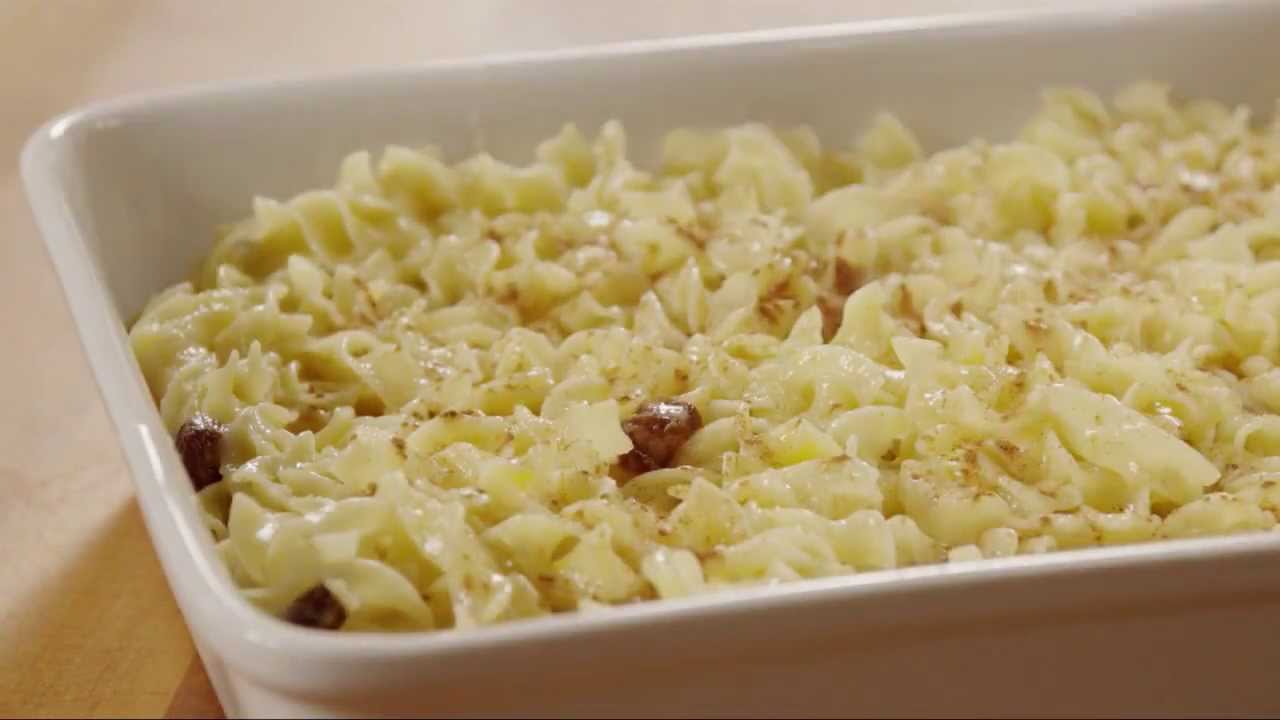
Sweet kugel is typically made with egg noodles (also known as lokshen) and includes ingredients like sour cream, cottage cheese, eggs, sugar, and sometimes raisins or apples. The combination is rich and dessert-like, often served warm or cold. Some recipes add crushed cornflakes or cinnamon sugar on top for extra crunch. Sweet kugel is a favorite at festive Jewish meals, particularly Rosh Hashanah and Yom Kippur break-fasts.
Imagine biting into a warm, creamy square of noodle pudding with a lightly crisp, sugary topping—it’s like eating dessert with your dinner and feeling totally justified.
Savory Kugel
Savory kugel, on the other hand, leans more toward the potato-based variety. Ingredients like grated potatoes, onions, eggs, and a good dose of pepper create a dish that’s similar to a giant latke. It’s often served alongside meat dishes and is a staple at Passover when prepared without flour or leavening agents.
Savory kugel is all about texture—crispy edges and a soft, tender interior that soaks up the flavors of onion and seasoning. While it might look simple, getting it just right takes a little finesse and the right baking technique.
List of Ingredients You’ll Need
Ingredients for Sweet Noodle Kugel
Here’s what you’ll need to make a traditional sweet noodle kugel that serves about 8-10 people:
- 12 oz wide egg noodles
- 4 large eggs
- 1 cup cottage cheese
- 1 cup sour cream
- 1/2 cup cream cheese (softened)
- 1/2 cup granulated sugar
- 1 tsp vanilla extract
- 1/2 tsp cinnamon
- 1/4 tsp salt
- 1/2 cup raisins (optional)
- 1/2 cup crushed cornflakes or graham crackers for topping
- 2 tbsp melted butter
All ingredients should be at room temperature to blend smoothly. The combination of cheeses gives the kugel its creamy texture, while the sugar and cinnamon bring in the sweetness. Raisins are optional, but they add a chewy texture and extra sweetness.
Ingredients for Potato Kugel
Prefer a savory take? Here’s a list for classic potato kugel:
- 6 medium russet potatoes, peeled
- 1 large onion
- 3 large eggs
- 1/4 cup matzo meal or flour (optional for binding)
- 1/4 cup vegetable oil
- 1 1/2 tsp salt
- 1/2 tsp black pepper
- Optional: 1 garlic clove, minced or 1/4 tsp garlic powder
The key to a crispy potato kugel is removing as much moisture as possible from the shredded potatoes. Salt helps draw out moisture, and a hot baking dish can jumpstart the crisping process. You’ll get a savory, almost rosti-like flavor with the softness of a casserole.
Tools & Equipment Required
Basic Kitchen Tools
Making kugel doesn’t require any special gadgets, but having the right tools makes the process smoother:
- Large mixing bowls
- Box grater or food processor (for potato kugel)
- 9×13-inch baking dish
- Whisk
- Spatula
- Colander (for draining noodles)
- Measuring cups and spoons
- Oven mitts
These basics will cover everything from prepping to baking.
Optional Tools for Easier Cooking
Want to level up? These tools help speed things along:
- Stand mixer or hand mixer (for mixing sweet kugel batter)
- Salad spinner (to help dry shredded potatoes)
- Mandoline slicer (if you prefer sliced potatoes)
- Silicone baking mat (to prevent sticking)
Using these tools isn’t necessary, but they can make preparation faster and cleanup easier.
Step-by-Step Guide to Making Kugel
Step 1: Preparing the Ingredients
Before you even think about preheating the oven, your first step is to gather and prep all your ingredients. This isn’t just about chopping and measuring—it’s about setting yourself up for an easier, stress-free cooking experience.
For sweet noodle kugel, boil your noodles until they are just shy of al dente—about 6 minutes. You want them slightly firm since they’ll continue to cook in the oven. Drain and set aside to cool slightly so they don’t scramble your eggs when mixed.
If you’re making potato kugel, this step involves peeling and grating the potatoes and onion. Once grated, place them in a clean kitchen towel or cheesecloth and squeeze out every bit of moisture you can. This is critical for texture—too much water will make your kugel soggy instead of crispy.
Crack your eggs into a bowl and beat them lightly. Measure your dairy (sour cream, cream cheese, and cottage cheese for sweet kugel), spices, and other mix-ins. Keep everything nearby so once you begin mixing, you’re not frantically searching for cinnamon or realizing you forgot to soak the raisins.
Mise en place—French for “everything in its place”—is your best friend here. It ensures you don’t miss anything and helps the entire process flow smoothly.
Step 2: Cooking the Noodles or Potatoes
This step is quick for sweet kugel, since you’ve already boiled the noodles. Letting them cool for 5–10 minutes prevents them from cooking the eggs on contact. If they seem sticky, toss them with a tiny bit of butter or oil.
For potato kugel, the cooking actually happens in the oven, but preparation is key. After grating and drying the potatoes, you can sauté the onions briefly if you prefer a sweeter, more caramelized flavor. Otherwise, leave them raw for a sharper bite. This is a personal choice—both are delicious.
Some old-school Jewish grandmas swear by partially frying the kugel mix before baking, especially if they want a super crispy bottom layer. It’s not traditional, but if you love texture, it’s worth trying.
Step 3: Mixing the Kugel Batter
In a large mixing bowl, combine your wet ingredients first. For sweet kugel, that means beating the eggs with sugar, then adding the sour cream, cottage cheese, cream cheese, and vanilla. Stir until smooth. Add cinnamon and raisins last, then gently fold in the cooked noodles.
Be gentle here—you don’t want to break the noodles. Use a spatula or wooden spoon and mix until every noodle is coated. The mixture will look a little wet, but that’s exactly how it should be.
For potato kugel, beat your eggs and oil together, then stir in salt, pepper, and any seasonings. Mix in your grated potatoes and onions. Some like to add a bit of matzo meal or flour to help bind the kugel, especially if the potatoes were particularly wet. The mixture should be thick but not dry, and it should hold together when pressed.
Pro tip: Taste a small portion of the uncooked mix (without raw egg) to check seasoning. This is especially helpful for the potato version, where salt and pepper are everything.
Step 4: Assembling the Kugel
Preheat your oven to 350°F (175°C). Grease your baking dish generously with butter for sweet kugel or oil for savory kugel. This not only prevents sticking but helps create that golden crust everyone loves.
Pour your mixture into the baking dish and smooth the top with a spatula. If you’re making sweet kugel, sprinkle the top with your crunchy topping—cornflakes tossed in butter, graham cracker crumbs, or even crushed vanilla wafers work beautifully. A little cinnamon-sugar dusted over the top takes it over the edge.
With potato kugel, some folks pour a little extra oil into the pan and heat it in the oven before adding the mixture. This trick helps achieve an extra crispy base, like the bottom of a well-fried latke. Carefully spoon in the mixture, pressing it gently to create an even surface.
Step 5: Baking to Perfection
Bake your kugel uncovered for about 45–60 minutes. You’re looking for golden brown edges and a firm center that doesn’t jiggle when you gently shake the pan.
For sweet kugel, the edges should puff slightly and turn a light golden brown. The top might crack a bit—that’s a good sign. If you’re using a topping, it should be toasty and crunchy, not burnt.
Potato kugel requires a little longer if you want that iconic crispiness—up to 70 minutes in some cases. Don’t be tempted to remove it too early. The longer bake gives the potatoes time to cook through and develop that irresistible crust on top and bottom.
When finished, let your kugel rest for at least 10–15 minutes before slicing. It firms up as it cools, making it easier to serve. Kugel can be enjoyed warm, at room temperature, or even cold—each brings out different textures and flavors.
Pro Tips for the Perfect Kugel
Tips for Texture and Flavor
Achieving the perfect kugel isn’t magic—it’s a mix of tradition, technique, and a few clever tips:
- For a creamier sweet kugel: Use full-fat dairy and don’t overbake.
- For more texture: Add nuts, apples, or crushed cereal on top.
- For a crisper potato kugel: Preheat the pan with oil and don’t skip the moisture removal.
- Want more flavor? A splash of orange juice or lemon zest can brighten sweet kugel. Add herbs like thyme or dill to savory versions.
Let the kugel rest after baking—it continues to cook a little and becomes easier to slice.
Common Mistakes to Avoid
- Overcooking the noodles: They’ll become mushy after baking.
- Too much liquid: Your kugel will never firm up. Drain everything well.
- Forgetting to grease the pan: You’ll lose that beautiful crust to the dish.
- Skipping seasoning: Especially for potato kugel, it’ll taste flat without enough salt and pepper.
Lastly, don’t be afraid to tweak! Kugel is as much about family taste as it is tradition.
Variations to Try
Gluten-Free Kugel
Going gluten-free doesn’t mean giving up kugel. For noodle kugel, swap in gluten-free egg noodles or spiralized veggies like zucchini. For potato kugel, simply skip any flour or use a gluten-free alternative like almond flour or potato starch.
The results are still rich, crispy, and delicious. You may need to experiment a bit with binding agents (like an extra egg), but the flavor won’t suffer one bit.
Dairy-Free Kugel
Whether you’re keeping kosher, lactose-intolerant, or just avoiding dairy, you can still enjoy kugel. Use plant-based substitutes like:
- Almond or soy milk in place of regular milk
- Vegan cream cheese and sour cream
- Nutritional yeast for a cheesy flavor
Savory versions are easier to adapt—just use oil instead of butter and skip the cheese. Coconut cream adds richness to sweet versions without overpowering the flavor.
Serving Suggestions
What to Serve With Kugel
Kugel, depending on its version, can either be the star of the show or a complementary sidekick. Understanding how to serve it well is key to elevating your entire meal.
For sweet noodle kugel, think of it as a side dish that dances between savory and dessert. It pairs beautifully with:
- Brisket or roasted chicken – The richness of meat contrasts nicely with the creamy sweetness of kugel.
- Smoked salmon and bagels – For a brunch-style spread.
- Roasted vegetables – Especially carrots with a honey glaze.
- Apple sauce or sour cream – A nod to traditional toppings.
On holidays, especially Rosh Hashanah, sweet kugel sits proudly on the table alongside honey-glazed carrots, challah bread, and chicken soup.
Potato kugel, on the other hand, is hearty enough to stand on its own but really shines when paired with:
- Braised short ribs
- Grilled or roasted fish
- Roasted root vegetables
- Matzo ball soup
Potato kugel is also a favorite at Passover meals (when prepared without flour), making it a great side dish that doesn’t require any leavening agents.
When to Serve Kugel
Kugel fits into nearly every occasion in Jewish culture and beyond. You’ll find it at:
- Shabbat dinners
- Jewish holidays like Hanukkah, Passover, and Rosh Hashanah
- Potlucks and family gatherings
- Weeknight dinners – It’s simple to make ahead and easy to reheat.
It’s equally acceptable to serve kugel as a side dish, a main course (especially vegetarian versions), or even a dessert, particularly the sweet variety.
Brunch menus also love kugel—serve it warm with coffee and fruit salad for a comforting yet elegant twist on morning dining.
How to Store and Reheat Kugel
Refrigerating and Freezing Tips
If you’ve made a big batch of kugel (and let’s be honest, who doesn’t?), you’re in luck—it stores incredibly well.
To refrigerate:
- Let it cool completely after baking.
- Wrap the baking dish tightly in foil or plastic wrap.
- Store for up to 5 days in the refrigerator.
To freeze:
- Slice the kugel into individual portions for easy reheating.
- Wrap each piece in plastic wrap and then foil.
- Store in an airtight container or freezer bag.
- Keeps for 2–3 months without sacrificing flavor.
When freezing a whole kugel, consider using a disposable aluminum pan—it goes straight from freezer to oven with minimal fuss.
Best Methods for Reheating
The best way to bring leftover kugel back to life is in the oven. Here’s how:
- Oven method: Preheat to 350°F (175°C). Cover with foil and bake for 15–25 minutes or until heated through.
- Microwave: Quick but risky. Use 70% power and microwave for 2–3 minutes per slice. Be careful not to overcook, or it may become rubbery.
- Toaster oven: Perfect for reheating a small slice and keeping that crispy edge intact.
Sweet kugel tends to firm up in the fridge, so consider drizzling a little milk or butter before reheating. For potato kugel, a brush of oil on top before reheating in the oven helps restore the crispiness.
Nutritional Information
Calories and Macronutrients
The nutritional content of kugel can vary widely based on the ingredients you use. Here’s a rough breakdown for a standard sweet noodle kugel (per serving, about 1/10 of a 9×13 pan):
- Calories: 280–350
- Protein: 7–10g
- Fat: 14–18g
- Carbohydrates: 30–40g
- Sugar: 10–15g
- Fiber: 1–2g
Potato kugel tends to be a bit leaner in terms of sugar but higher in carbohydrates:
- Calories: 250–300
- Protein: 5–7g
- Fat: 10–14g
- Carbohydrates: 35–45g
- Fiber: 2–4g
Of course, these numbers can shift depending on your portion size, toppings, and whether you use full-fat or low-fat dairy.
Healthier Substitutes
Looking to lighten things up? You don’t need to give up kugel altogether—just swap a few ingredients:
- Low-fat dairy: Use low-fat sour cream or Greek yogurt instead of full-fat versions.
- Egg whites or flax eggs: Sub out a couple of whole eggs for healthier versions.
- Whole wheat noodles or sweet potatoes: Boost fiber and lower the glycemic load.
- Stevia or monk fruit sweetener: Cut back on refined sugar while keeping sweetness.
You can also load savory kugel with veggies like zucchini or carrots to boost the nutrient count while still enjoying the traditional dish.
Cultural Significance
Kugel in Jewish Holidays
Kugel is more than food—it’s tradition baked into a dish. Across generations and continents, kugel has been a staple at the Jewish table, particularly during religious and cultural celebrations.
On Shabbat, kugel offers a dish that can be made ahead and served warm or at room temperature—perfect for honoring a day of rest. Families often develop their own “house kugel” recipes passed down from bubbes (grandmothers) who made it every week without fail.
During Passover, when leavened foods are forbidden, potato kugel reigns supreme. Made without flour or pasta, it becomes a satisfying, hearty dish that complies with kosher laws.
Rosh Hashanah sees the sweet noodle kugel take center stage, symbolizing wishes for a sweet new year. Ingredients like apples, raisins, and honey are often added to amplify this theme.
Even in more secular households, kugel represents continuity. It’s the dish people return to in times of joy and sorrow, whether celebrating births, weddings, or saying goodbye at a shiva.
Symbolism Behind the Dish
Beyond its delicious taste, kugel symbolizes comfort, history, and identity. Its simplicity reflects Jewish values of humility and family, while its adaptability shows the evolution of Jewish life in different regions.
Each kugel tells a story—of a family’s roots, of the holidays they celebrate, of the meals shared and memories made. To make kugel is to participate in a legacy that’s spanned generations.
FAQs about Kugel Jewish Food Recipe
Can I make kugel ahead of time?
Absolutely! Kugel is one of the best make-ahead dishes. Assemble it up to 24 hours in advance, cover tightly, and refrigerate. Bake when ready, or fully bake it and reheat before serving.
Is kugel supposed to be sweet or savory?
Both! Sweet kugel is often served on festive occasions, while savory kugel is popular for meals like Shabbat and Passover. It all depends on tradition and personal taste.
How do I make kugel crispy on top?
For sweet kugel, sprinkle a crunchy topping like cornflakes or crushed graham crackers. For potato kugel, preheat oil in the baking dish before adding the mixture, and bake uncovered.
What can I substitute for eggs in kugel?
Use flax eggs (1 tbsp ground flax + 3 tbsp water per egg) or commercial egg replacers. For sweet kugel, mashed banana or applesauce can also help bind the ingredients.
Can I freeze leftover kugel?
Yes! Slice and freeze individually or as a whole. Wrap tightly and reheat in the oven at 350°F until warmed through.
Conclusion
Kugel is more than just a Jewish dish—it’s a warm embrace from generations past, a staple on holiday tables, and a versatile recipe that adapts to modern tastes. Whether you’re making it sweet or savory, traditional or with a twist, this beloved casserole has a way of bringing people together around the table. With the help of this guide, you’re ready to make kugel from scratch, carry on a cherished tradition, and even add your own family flair.