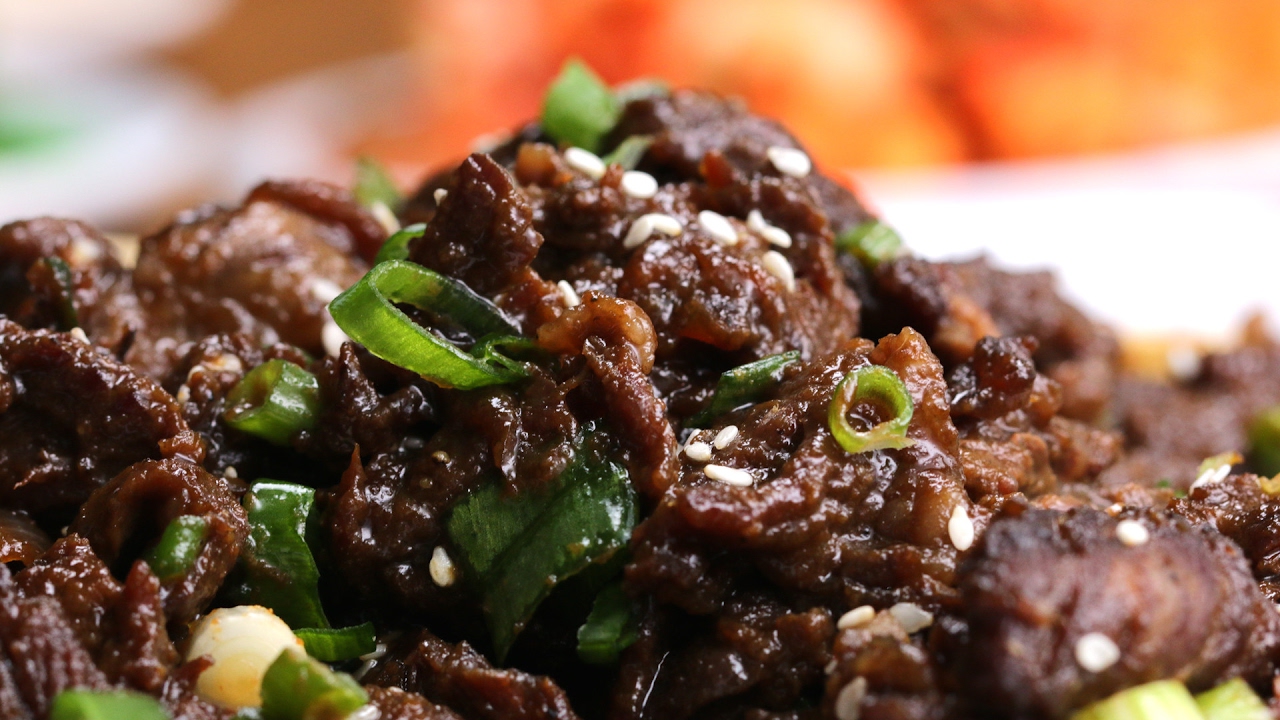
Korean Bulgogi Sauce Recipe: Korean Bulgogi sauce is the foundation of one of Korea’s most iconic dishes—Bulgogi. This sauce delivers a perfect balance of sweet, savory, and umami flavors, transforming simple cuts of meat into a deeply flavorful, restaurant-quality experience.
We prepare this sauce using traditional Korean ingredients, combined in precise proportions to create a marinade that not only flavors but also tenderizes meat. The result is a glossy, aromatic mixture ideal for beef, chicken, or even vegetables.
Ingredients You’ll Need
To achieve authentic Korean flavor, we use a carefully selected blend of pantry staples and fresh aromatics:
Core Ingredients
- ½ cup soy sauce (preferably low sodium)
- ¼ cup brown sugar (or honey for a smoother sweetness)
- 2 tablespoons sesame oil
- 3 cloves garlic, finely minced
- 1 tablespoon fresh ginger, grated
- 1 small onion, blended or finely grated
- ½ Asian pear (or apple), grated for natural sweetness and tenderizing
Flavor Enhancers
- 2 tablespoons mirin (optional but recommended)
- 1 tablespoon rice vinegar
- 1 teaspoon black pepper
- 2 green onions, finely chopped
Optional Add-ins
- 1 teaspoon chili flakes for heat
- 1 tablespoon gochujang for a deeper Korean spice profile
Step-by-Step Guide to Making Korean Bulgogi Sauce
Step 1 – Prepare Fresh Ingredients
We begin by grating the onion and pear, which helps release natural juices that act as both sweeteners and meat tenderizers. Mince the garlic and grate the ginger to ensure even distribution in the sauce.
Step 2 – Combine the Liquid Base
In a mixing bowl, we whisk together:
- Soy sauce
- Brown sugar
- Sesame oil
- Mirin
Mix thoroughly until the sugar is completely dissolved, forming a smooth, glossy base.
Step 3 – Add Aromatics
Next, we incorporate:
- Garlic
- Ginger
- Grated onion
- Grated pear
These ingredients create a rich, aromatic profile that defines authentic bulgogi flavor.
Step 4 – Balance the Flavor
Add:
- Rice vinegar
- Black pepper
- Green onions
Taste and adjust sweetness or saltiness as needed. The ideal sauce should be slightly sweet, deeply savory, and mildly tangy.
Step 5 – Optional Flavor Boost
For a more intense Korean taste, stir in:
- Gochujang for spice and depth
- Chili flakes for heat
Mix until fully combined.
Step 6 – Rest the Sauce
Allow the sauce to sit for 10–15 minutes. This resting period helps the flavors meld and intensify, resulting in a more cohesive marinade.
How to Use Bulgogi Sauce
For Beef Bulgogi
- Slice beef thinly (ribeye or sirloin works best)
- Marinate in the sauce for at least 30 minutes (overnight preferred)
- Cook on high heat until caramelized
For Chicken or Pork
- Use the same marinade
- Marinate for 1–2 hours
- Grill, pan-fry, or oven-roast
For Vegetables
- Toss mushrooms, bell peppers, or tofu in the sauce
- Stir-fry for a flavorful vegetarian option
Pro Tips for the Best Bulgogi Sauce
Use Fresh Pear or Apple
This is a traditional Korean technique that enhances both sweetness and tenderness naturally.
Balance Is Key
The sauce must maintain a harmonious ratio of:
- Sweet (sugar/pear)
- Salty (soy sauce)
- Nutty (sesame oil)
- Aromatic (garlic/ginger)
Marinate Properly
Longer marination allows the flavors to penetrate deeply, creating a richer taste.
Cook on High Heat
This ensures caramelization, giving bulgogi its signature smoky, slightly charred finish.
Storage and Shelf Life
- Store in an airtight container in the refrigerator
- Keeps fresh for up to 5 days
- Stir before reuse to redistribute ingredients
For longer storage, freeze the sauce for up to 2 months.
Serving Suggestions
Serve your bulgogi with:
- Steamed white rice
- Lettuce wraps (ssam)
- Kimchi
- Pickled vegetables
For a complete Korean dining experience, pair with side dishes like japchae or korean pancakes.
Why This Bulgogi Sauce Stands Out
This recipe delivers:
- Authentic Korean flavor
- Perfect balance of sweet and savory
- Versatility across proteins and vegetables
- Simple preparation with powerful results
Each ingredient plays a precise role, resulting in a sauce that is deeply flavorful, aromatic, and irresistibly delicious.
FAQs about Korean Bulgogi Sauce Recipe
1. What is Korean bulgogi sauce?
Korean bulgogi sauce is a savory-sweet marinade used in Korean cooking, especially for thinly sliced beef. It combines soy sauce, sugar, garlic, and other ingredients to create a rich, flavorful taste.
2. What ingredients are used in bulgogi sauce recipe?
A typical recipe includes soy sauce, brown sugar or honey, garlic, sesame oil, ginger, and sometimes pear or apple for natural sweetness and tenderness. Green onions and black pepper are also common.
3. Why is fruit added to bulgogi sauce?
Fruits like Asian pear or apple are added because they help tenderize the meat and add a mild sweetness that balances the salty flavors.
4. Can I use bulgogi sauce as a marinade?
Yes, bulgogi sauce is mainly used as a marinade. It is perfect for beef, but it also works well with chicken, pork, or even tofu.
5. How long should I marinate meat in bulgogi sauce?
For best results, marinate the meat for at least 30 minutes to 2 hours. For deeper flavor, you can marinate it overnight in the refrigerator.
6. Can I make bulgogi sauce less sweet?
Yes, you can reduce the sweetness by using less sugar or honey and adjusting the balance with more soy sauce or a bit of vinegar.
7. How long does homemade bulgogi sauce last?
Homemade bulgogi sauce can be stored in an airtight container in the refrigerator for about 1 week.
Conclusion
Mastering this Korean Bulgogi sauce recipe unlocks the ability to create restaurant-quality meals at home. With its bold flavors and versatile application, this sauce becomes a must-have staple in any kitchen focused on rich, satisfying dishes.
By following this step-by-step guide, we ensure every batch delivers consistent, authentic, and unforgettable taste.