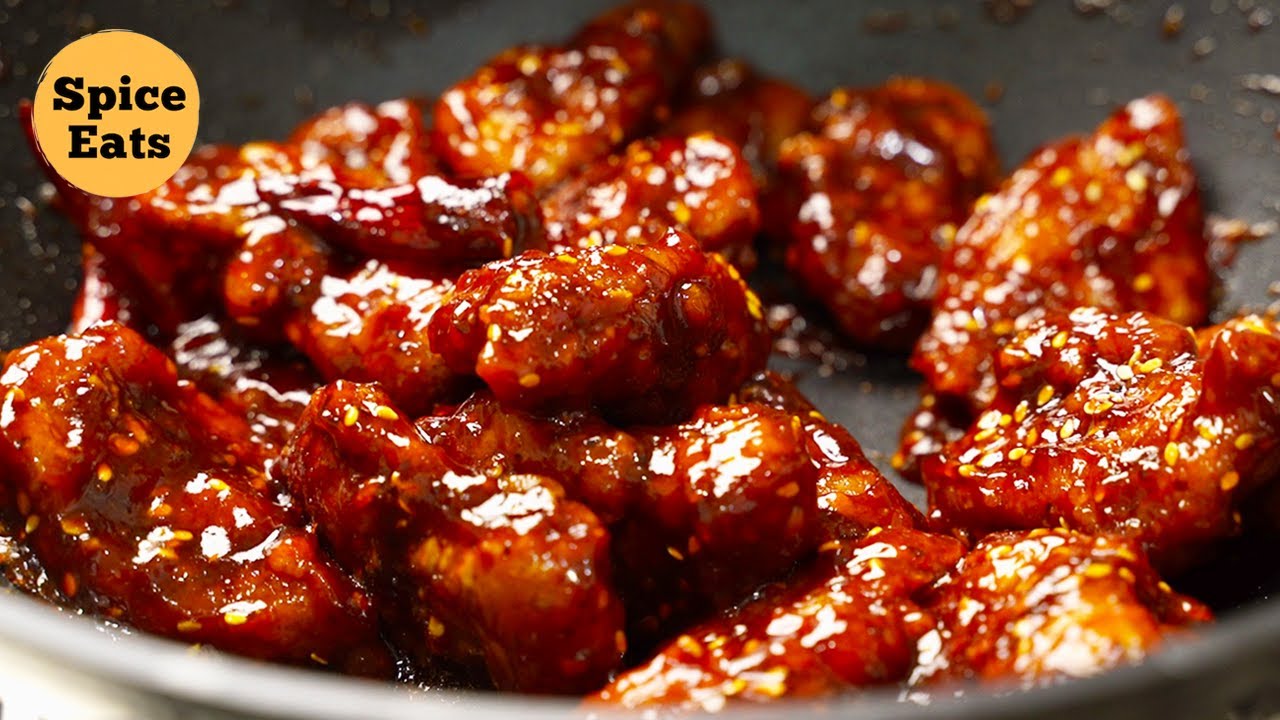
Korean BBQ Chicken Recipe: If you’re a fan of bold, smoky, spicy-sweet flavors, then Korean BBQ chicken is the dish you need to master. This recipe isn’t just about grilling meat; it’s about infusing every bite with the deep, addictive flavors of gochujang, garlic, soy sauce, and sesame oil. Whether you’re prepping for a weekend cookout or just want a flavorful dinner, this guide will walk you through everything—from ingredients to the final sizzling bite. Buckle up for a flavorful ride into one of Korea’s most beloved dishes.
Why Korean BBQ Chicken is So Popular
Korean BBQ chicken has surged in global popularity for good reason—it’s finger-licking good. The hallmark of Korean cuisine is its bold use of fermented ingredients and spices, which hit every corner of your taste buds: sweet, savory, spicy, and umami. This dish combines the charred smokiness of BBQ with a deeply flavorful marinade that caramelizes beautifully over high heat.
Korean BBQ chicken is often the star of the show at Korean BBQ restaurants, where it’s grilled right at the table. It’s social, interactive, and incredibly satisfying. The marinade itself—typically made with ingredients like gochujang (Korean chili paste), soy sauce, garlic, ginger, sesame oil, and sugar—penetrates the chicken deeply, ensuring that every bite is juicy and flavorful.
This dish fits a wide range of occasions. It’s perfect for cookouts, weeknight dinners, or even meal prepping for the week. And the best part? You don’t need a fancy BBQ setup to make it. A stovetop grill pan or even a regular skillet can do wonders. It’s flexible, flavorful, and absolutely worth adding to your rotation.
Flavor Profile of Korean BBQ Chicken
What makes Korean BBQ chicken stand out is its incredibly complex yet balanced flavor profile. You’ve got heat from gochujang, saltiness from soy sauce, sweetness from sugar or honey, richness from sesame oil, and aromatic notes from garlic and ginger. It’s a masterclass in how contrasting flavors can harmonize into something unforgettable.
When grilled, the sugars in the marinade caramelize, creating a slightly charred crust that bursts with flavor. The interior remains moist and tender, thanks to the marinade’s tenderizing effect and the fat in the chicken.
List of Ingredients You’ll Need
Before we dive into the process, let’s make sure you’ve got everything on hand. The ingredients below are easy to find and absolutely essential for capturing authentic Korean BBQ chicken flavor.
Essential Ingredients for the Marinade
Here’s what you’ll need for a classic Korean BBQ chicken marinade:
- Gochujang (Korean red chili paste) – 3 tablespoons
- Soy sauce – 1/4 cup (regular or low sodium)
- Brown sugar or honey – 2 tablespoons
- Sesame oil – 1 tablespoon
- Garlic (minced) – 4 cloves
- Ginger (freshly grated) – 1 tablespoon
- Rice vinegar or mirin – 1 tablespoon
- Black pepper – 1/2 teaspoon
- Optional: Korean pear or apple (grated) – for tenderizing
Each ingredient plays a key role in building that signature Korean BBQ flavor. Gochujang brings heat and fermented depth, while the sweeteners help with caramelization during grilling. Sesame oil offers that nutty aroma, and the garlic-ginger combo adds brightness and complexity.
Chicken Cuts That Work Best
When it comes to Korean BBQ chicken, the cut you choose affects texture and flavor absorption.
- Boneless, skinless chicken thighs – The top choice. Juicy, flavorful, and perfect for grilling.
- Chicken drumsticks or wings – Great for a more rustic presentation, but take longer to cook.
- Chicken breast – Works if you prefer leaner meat, but be careful not to overcook it.
Chicken thighs remain the crowd favorite because they’re forgiving on the grill and hold onto the marinade beautifully.
Optional Garnishes and Toppings
To serve your BBQ chicken the Korean way, garnish it up! Consider:
- Toasted sesame seeds
- Sliced green onions
- Julienned carrots or cucumber
- Kimchi on the side
- Lettuce leaves for wrapping
These additions enhance presentation and add layers of flavor and texture. They’re not mandatory, but they elevate your dish from good to restaurant-quality.
Tools and Equipment You’ll Need
Making Korean BBQ chicken doesn’t require a professional setup. But having the right tools can make the process smoother and more enjoyable.
Grilling Essentials
If you want that authentic BBQ char, these are your go-tos:
- Outdoor grill (charcoal or gas) – Best for smokiness
- Grill pan (cast iron or non-stick) – Great for stovetop grilling
- Tongs – For flipping without piercing the meat
- Meat thermometer – Optional, but helpful to avoid overcooking
The grill adds that delicious smoky flavor, but a stovetop grill pan or even a cast iron skillet will still give you that caramelized crust.
Kitchen Tools for Preparation
Prep is half the battle in cooking. Here’s what you’ll want ready:
- Mixing bowls
- Whisk or spoon for mixing the marinade
- Cutting board and sharp knife
- Plastic wrap or zip-top bag (for marinating)
With these tools, prepping and marinating your chicken becomes quick and mess-free.
Step-by-Step Guide to Making Korean BBQ Chicken
Now that you’re geared up with ingredients and tools, let’s dive into the actual cooking process. Follow these steps to nail the recipe every time.
Step 1 – Preparing the Marinade
Start by combining all marinade ingredients in a medium-sized bowl. Whisk together:
- 3 tbsp gochujang
- 1/4 cup soy sauce
- 2 tbsp brown sugar
- 1 tbsp sesame oil
- 1 tbsp rice vinegar
- 4 minced garlic cloves
- 1 tbsp grated ginger
- 1/2 tsp black pepper
If using grated pear or apple, add about 2 tablespoons—it helps tenderize the meat and adds a natural sweetness.
Mix until smooth. The marinade should be thick but pourable and rich in aroma. If it’s too thick, thin it slightly with a tablespoon of water or mirin.
Step 2 – Marinating the Chicken
Once your marinade is ready, it’s time to introduce the star of the show—chicken. The marinating process is where the real magic happens. It’s not just about coating the chicken with flavor; it’s about letting those rich, bold ingredients soak into the meat, transforming it from plain poultry into a flavor bomb.
How to Marinate:
- Place your chicken cuts (preferably boneless thighs) into a large mixing bowl or zip-top plastic bag.
- Pour the marinade over the chicken, making sure every piece is fully coated.
- Massage the marinade into the meat using your hands or a spoon to ensure even distribution.
- Seal the bag or cover the bowl with plastic wrap.
Refrigerate for at least 2 hours, but for best results, let it marinate overnight. This extended time allows the enzymes in ingredients like ginger and pear to tenderize the meat while the flavors deepen.
Pro Tips:
- Don’t marinate for more than 24 hours—too much acid can break down the texture.
- If you’re short on time, marinate at room temperature for at least 30 minutes (but overnight is truly better).
- Avoid metal bowls for marination as the acidity can react with them. Stick with glass, ceramic, or plastic.
When it’s done marinating, take it out and let the chicken sit at room temperature for about 15–20 minutes before cooking. This ensures even grilling and prevents sudden temperature shocks that could toughen the meat.
Step 3 – Prepping the Grill or Pan
Now that your chicken is packed with flavor, it’s time to get your grill or skillet hot and ready. Preheating is crucial to create that perfect sear and to lock in all those juicy flavors.
If you’re using a grill:
- Preheat it to medium-high heat (about 400°F or 200°C).
- Clean the grill grates and oil them lightly using a paper towel dipped in oil held with tongs.
- Create two zones: direct heat for searing and indirect heat for cooking through.
If you’re using a grill pan or skillet:
- Heat it over medium-high heat until it starts to lightly smoke.
- Brush or spray lightly with oil. Avoid using too much oil, as the chicken already contains sesame oil.
This step is important because it gives you those iconic grill marks and that smoky, charred exterior that Korean BBQ is known for. A cold pan or grill will steam the chicken rather than sear it—and nobody wants that.
Step 4 – Grilling the Chicken to Perfection
This is the moment where it all comes together—your beautifully marinated chicken meets high heat and starts sizzling. The smell alone will have you drooling.
Grilling Instructions:
- Place the chicken skin-side (or smooth side) down on the grill or pan.
- Do not move it for at least 3-4 minutes. Let it sear and form a caramelized crust.
- Flip and grill the other side for another 4-6 minutes, depending on thickness.
- Total cooking time should be around 8-12 minutes, depending on the heat and cut size.
Use a meat thermometer if needed—the internal temperature should reach 165°F (74°C). If the chicken is browning too fast, move it to the cooler zone or reduce the heat slightly.
Pro Tips for Grilling Success:
- Avoid pressing the chicken with your spatula—it squeezes out juices.
- Baste with leftover marinade in the first few minutes, but stop basting during the last few minutes to prevent raw marinade from contaminating cooked meat.
- If using a skillet indoors, open windows—it’s going to get smoky!
The chicken is done when it’s charred on the outside and juicy inside. If you see those beautiful caramelized bits and slightly crispy edges, you’re doing it right.
Step 5 – Resting and Slicing the Chicken
After grilling, resist the urge to slice immediately. Just like steak, chicken needs time to rest. Resting helps the juices redistribute throughout the meat so every bite is moist and flavorful.
Steps for Resting:
- Transfer the grilled chicken to a cutting board.
- Tent loosely with foil (optional).
- Let it rest for about 5-10 minutes.
Once rested, slice the chicken against the grain into thin strips or bite-sized pieces. This not only makes it easier to eat but also helps preserve tenderness.
Serving Suggestions:
- Serve on a platter with toasted sesame seeds and chopped green onions.
- Offer a side of steamed rice or tuck the chicken into lettuce wraps with kimchi and garlic slices.
- Want more texture? Serve with shredded cabbage, pickled radish, or cucumber salad.
Now, you’re ready to eat—and trust me, it’s going to be unforgettable.
Tips for Perfect Korean BBQ Chicken Every Time
If you’ve ever wondered why your Korean BBQ chicken didn’t turn out as flavorful or juicy as the one you had at that amazing Korean restaurant, the secret often lies in the details. Small techniques can make a huge difference in the outcome of this dish. Here are tried-and-true tips to elevate your Korean BBQ chicken game.
How to Avoid Overcooking
Overcooked chicken is dry, tough, and lacking in flavor—three things that should never be associated with Korean BBQ. Here’s how to avoid that dreaded fate:
- Use chicken thighs instead of breasts. Thighs contain more fat, which keeps them juicy and forgiving if cooked a little longer.
- Use a meat thermometer. It’s the easiest way to ensure your chicken hits that perfect internal temp of 165°F (74°C) without going over.
- Avoid high direct heat for too long. While you want that char, too much direct heat will burn the outside before the inside is done.
- Let it rest after cooking. Just 5-10 minutes of resting allows the juices to settle back into the meat.
Cooking should be an enjoyable experience, not a stressful guessing game. These tips help ensure that your chicken comes out tender and juicy every time.
Adjusting the Spice Level to Your Taste
Not everyone can handle the fire of gochujang, and that’s okay. The beauty of this dish is its flexibility. If you’re not a fan of super spicy food, here’s how you can tone it down:
- Use less gochujang. Instead of three tablespoons, start with one and work your way up.
- Add more sugar or honey to balance the heat.
- Dilute the marinade with a bit more soy sauce or a splash of water.
On the flip side, if you’re all about that spice life, turn up the heat by:
- Adding Korean chili flakes (gochugaru) to the marinade.
- Tossing in a dash of hot sauce or sriracha.
- Serving with spicy kimchi or pickled jalapeños on the side.
This dish is highly customizable, so don’t be afraid to play around until it matches your spice comfort level. Whether mild or fiery, Korean BBQ chicken is a flavor-packed experience.
Side Dishes to Pair with Korean BBQ Chicken
A good main dish becomes a great meal with the right sides. In Korean cuisine, side dishes—or “banchan”—are more than just extras; they’re essential components that balance and enhance the entire meal. Let’s explore some must-have accompaniments for your Korean BBQ chicken.
Korean Side Dishes (Banchan)
No Korean meal is complete without a variety of small, flavorful banchan to round out the experience. Here are some classics that pair beautifully with BBQ chicken:
- Kimchi – The quintessential Korean fermented cabbage that adds spice and tang.
- Pickled radish (Danmuji) – Crunchy, slightly sweet, and a perfect palate cleanser.
- Sautéed spinach (Sigeumchi namul) – Lightly seasoned with sesame oil and garlic.
- Soybean sprouts (Kongnamul) – Nutty, savory, and slightly crunchy.
- Cucumber salad (Oi muchim) – Refreshing, spicy, and tangy.
These sides provide texture, temperature contrast, and bursts of flavor that complement the bold BBQ chicken. Bonus: they’re easy to prep ahead and store for multiple meals.
Rice, Noodles, and Salads
If you want something more substantial, go for a carb base or a light salad to round out your plate:
- Steamed short-grain rice – The most traditional pairing. Its sticky texture soaks up the marinade beautifully.
- Fried rice with kimchi or garlic – Adds an extra layer of flavor.
- Japchae (Korean glass noodles) – A sweet-savory stir-fried noodle dish with vegetables and soy-based sauce.
- Lettuce wraps (Ssam) – Use fresh romaine or perilla leaves to wrap your chicken, rice, and sauces for a low-carb, interactive eating experience.
- Asian slaw – A tangy, crunchy salad made with cabbage, carrots, and sesame dressing.
Pairing your Korean BBQ chicken with the right sides turns a single dish into a feast. And if you’re serving guests, offering a variety of sides shows off your culinary skills and understanding of Korean food culture.
Storing and Reheating Leftovers
Made too much Korean BBQ chicken? No problem. One of the best things about this dish is that it stores and reheats really well—if you do it the right way. Here’s how to preserve that flavor and texture for your next meal.
Best Ways to Store Cooked BBQ Chicken
Proper storage is key to maintaining freshness and preventing spoilage.
- Cool the chicken completely before storing.
- Place it in an airtight container or wrap tightly with foil or plastic wrap.
- Store in the refrigerator for up to 4 days.
- For longer storage, freeze it in portions in freezer-safe bags. It will keep for up to 2 months.
Label the containers with the date so you can keep track of freshness. When storing with side dishes, keep them separate to maintain individual textures.
How to Reheat Without Drying It Out
The last thing you want is to ruin your perfectly cooked chicken by reheating it into a dry, rubbery mess. Here are the best ways to keep it juicy:
- Stovetop Method: Heat a nonstick pan over medium-low heat. Add a tablespoon of water and cover the pan while heating the chicken slowly. This helps steam it slightly while reheating.
- Oven Method: Wrap the chicken in foil and bake at 325°F (160°C) for 10–15 minutes.
- Microwave Method: Place chicken on a plate, cover with a damp paper towel, and microwave in 30-second bursts until heated through.
Avoid high heat, which will zap the moisture right out. Add a splash of sesame oil or leftover marinade while reheating to boost flavor and restore moisture.
Nutritional Information and Health Benefits
Korean BBQ chicken is not just a flavor-packed meal; it also offers several nutritional perks—especially when made with wholesome ingredients and served with nutrient-rich side dishes. Whether you’re tracking your macros or simply want to know what you’re putting into your body, here’s a breakdown of what makes this dish both delicious and fairly healthy.
Calorie Breakdown
Let’s talk numbers. A standard serving of Korean BBQ chicken (approximately 4-5 ounces of cooked chicken thigh with marinade) contains roughly:
- Calories: 250–350
- Protein: 25–30g
- Fat: 12–18g
- Carbohydrates: 8–12g (mainly from sugar in the marinade)
- Fiber: 0–1g
- Sodium: 600–900mg (can vary depending on soy sauce and gochujang used)
These numbers can shift depending on the cut of chicken and how much marinade you use. Thighs have more fat than breasts, but they’re also more flavorful and less likely to dry out.
To make it even healthier:
- Use skinless chicken breasts instead of thighs.
- Cut back on sugar or honey in the marinade.
- Opt for low-sodium soy sauce to reduce salt intake.
- Grill instead of frying to reduce added fat.
Protein, Fats, and Carbs Overview
Protein: Chicken is a lean protein that helps build and repair muscle. A serving offers over 25g of protein, making it ideal for post-workout meals or muscle maintenance.
Fats: Most of the fat comes from the chicken thighs and sesame oil. While sesame oil contains heart-healthy fats, it’s best used in moderation.
Carbohydrates: The sugars in the marinade contribute a modest amount of carbs. This can be balanced with fiber-rich side dishes like kimchi, spinach, or brown rice.
Health Benefits
- Rich in Antioxidants: Ingredients like garlic, ginger, and gochujang contain natural antioxidants that support immunity.
- Low in processed ingredients: When made at home, Korean BBQ chicken is free from preservatives and artificial flavors.
- Customizable to fit dietary needs: With just a few tweaks, you can make it low-carb, gluten-free, or low-sodium.
- Supports balanced eating: Pairing protein-rich chicken with vegetable sides encourages a balanced and nutritious meal.
All in all, Korean BBQ chicken can absolutely be a part of a healthy lifestyle—especially when paired with veggies and served in appropriate portions. It’s flavorful comfort food that doesn’t have to feel like a cheat meal.
Variations and Substitutions
One of the best parts about Korean BBQ chicken is its versatility. Whether you’re working around dietary restrictions or just want to mix it up, there are tons of ways to modify this recipe to suit your taste and needs.
Using Different Proteins (Tofu, Pork, Beef)
You don’t have to stick to chicken to enjoy Korean BBQ flavors. Try these tasty swaps:
- Tofu: Great for vegetarians and vegans. Use firm tofu, press out the water, and marinate the same way. Grill until crispy and caramelized.
- Pork (Pork belly or pork shoulder): Pork takes on Korean marinades beautifully. It becomes rich and flavorful, especially when grilled until slightly crispy.
- Beef (short ribs or flank steak): Marinate sliced beef and grill for a version closer to bulgogi or galbi.
Each protein brings its own texture and richness, but the Korean marinade works well with all of them.
Gluten-Free and Keto Variants
- Gluten-Free: Use tamari or coconut aminos instead of soy sauce. Ensure that your gochujang is gluten-free (some contain wheat).
- Keto-Friendly: Replace sugar or honey with erythritol or another low-carb sweetener. Stick to fatty cuts like thighs or skin-on chicken for higher fat content.
- Dairy-Free: Korean BBQ chicken is naturally dairy-free unless paired with creamy sides.
Customizing this dish is easy once you understand the role of each ingredient in the marinade. You can switch up the flavor profile without compromising authenticity.
Common Mistakes to Avoid
Even though this dish seems simple, there are a few traps that can derail your Korean BBQ chicken adventure. Avoid these common missteps for consistently mouthwatering results.
Mistakes During Marination
- Marinating too long: More than 24 hours and the meat can become mushy.
- Using metal bowls: Acidic ingredients like soy sauce and vinegar can react with metal, giving the chicken a metallic taste.
- Not coating evenly: If some pieces are over-marinated and others under-marinated, you’ll get inconsistent flavor.
- Skipping the rest before grilling: Cold chicken straight from the fridge doesn’t grill evenly.
Always plan ahead for marination time and choose the right container (glass or plastic). You’ll taste the difference.
Grilling Errors That Ruin the Flavor
- Too much heat, too fast: Burnt outside, raw inside. Cook over medium-high heat and flip only once.
- Overcrowding the grill or pan: This leads to steaming, not grilling. Cook in batches if needed.
- Not cleaning the grill: Leftover bits can burn and create bitter flavors on your fresh batch.
- Not resting after cooking: Juices will escape the moment you slice the meat, leaving it dry.
By avoiding these small but crucial errors, you’ll consistently nail this dish like a pro.
FAQs about Korean BBQ Chicken Recipe
1. Can I make Korean BBQ chicken without gochujang?
Yes! You can substitute with a mix of chili paste and miso or even sriracha for heat. However, the flavor won’t be exactly the same.
2. What’s the best way to make this recipe vegetarian?
Use tofu or seitan as a protein base and follow the same marinade and grilling steps.
3. Can I bake Korean BBQ chicken instead of grilling it?
Absolutely. Bake at 400°F (200°C) for 25–30 minutes, flipping halfway, until cooked through and caramelized.
4. How long can I store leftover marinade?
If it hasn’t touched raw meat, you can store it in the fridge for up to a week. If it has, discard it after use.
5. What drinks pair well with Korean BBQ chicken?
Try Korean soju, light beer, or iced barley tea. For non-alcoholic options, go with citrusy sparkling water or a mild ginger tea.
Conclusion
Korean BBQ chicken is more than just a meal—it’s an experience. From the bold, rich marinade to the sizzle of perfectly grilled chicken and the vibrant array of side dishes, this dish brings people together around the table. Whether you’re serving it on a weeknight or at your next cookout, it’s a guaranteed crowd-pleaser.
With the detailed guide above, you’re equipped to make this dish authentically and confidently. Don’t be afraid to adjust it to your preferences, explore variations, and make it your own. So grab those ingredients, fire up your grill or pan, and get cooking. Your taste buds are in for a treat.