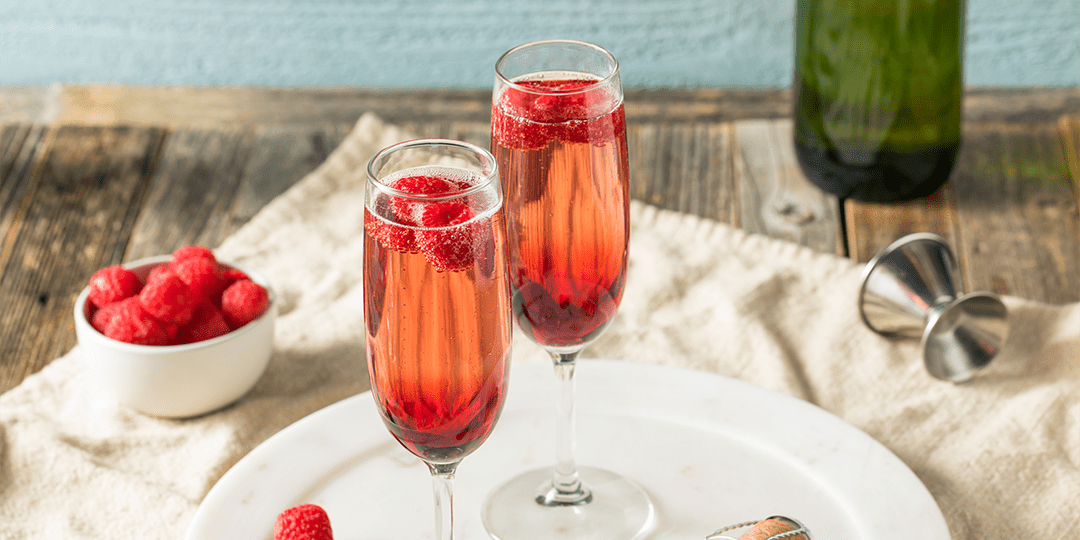
Kir Royale Recipe: When it comes to cocktails that embody elegance, sophistication, and simplicity, the Kir Royale takes center stage. This French cocktail is not only easy to make but also carries with it a touch of class that makes any occasion feel extra special. The Kir Royale is essentially a sparkling twist on the classic Kir, a cocktail traditionally made with white wine and crème de cassis. By replacing the still wine with Champagne, the drink becomes elevated, making it perfect for celebrations, dinner parties, and romantic evenings.
The cocktail traces its roots back to Burgundy, France, where it was named after Félix Kir, a priest and mayor of Dijon, who promoted the drink after World War II. While the Kir is a lovely aperitif, the Kir Royale adds a layer of festivity, thanks to the effervescence of sparkling wine. Today, it is one of the most beloved French aperitifs enjoyed worldwide, often associated with weddings, New Year’s Eve celebrations, and high-end gatherings.
In this guide, we’ll take you through everything you need to know: the ingredients, tools, step-by-step preparation, and tips to make the perfect Kir Royale. Whether you’re a beginner at mixing cocktails or a seasoned home bartender, this recipe is approachable yet impressive.
Why Kir Royale is Special
So, what makes the Kir Royale stand out among other cocktails? For starters, its beauty lies in its simplicity. You only need two main ingredients—Champagne and crème de cassis. That’s it. Despite being so minimalistic, it delivers a flavor profile that is rich, fruity, and refreshing.
Another reason it’s special is its versatility. The Kir Royale is traditionally served as an aperitif, meaning it’s designed to awaken your palate before a meal. But beyond that, it has become a drink of choice for celebratory moments—birthdays, anniversaries, weddings, and even casual brunches. With its ruby hue and sparkling golden bubbles, the drink visually represents celebration and joy.
Unlike complex cocktails that require shaking, muddling, or multiple spirits, the Kir Royale is straightforward to assemble. Even someone with no bartending experience can make it look and taste refined. That’s why it’s a favorite among hosts who want to serve something elegant without spending too much time behind the bar.
In essence, the Kir Royale is more than just a cocktail—it’s an experience. It brings together the luxury of Champagne, the sweetness of crème de cassis, and the artistry of French tradition, creating a drink that is both timeless and modern.
Ingredients You’ll Need for Kir Royale
Before jumping into the preparation, let’s go over the ingredients. At its heart, the Kir Royale is all about quality over quantity. Since there are only two essential ingredients, choosing the right ones makes all the difference.
Core Ingredients
- Champagne (or Sparkling Wine) – Champagne is the traditional choice, and using a good-quality brut (dry) Champagne ensures the cocktail doesn’t become overly sweet. However, if you’re on a budget, other sparkling wines like Crémant, Cava, or Prosecco work beautifully. The key is to go for a dry variety to balance the sweetness of the liqueur.
- Crème de Cassis – This is a blackcurrant liqueur that adds a deep, fruity sweetness and the signature red hue to the drink. It’s widely available and an essential element of the cocktail.
Optional Garnishes and Substitutes
- Garnishes: A lemon twist, fresh raspberries, or blackberries make excellent garnishes. They not only look attractive but also enhance the flavor subtly.
- Substitutes: While crème de cassis is traditional, you can experiment with other liqueurs such as Chambord (raspberry liqueur), Crème de Framboise (raspberry), or even peach liqueur for a different twist.
By keeping it simple and high-quality, you’ll let the drink’s natural elegance shine.
Tools and Glassware Required
Making a Kir Royale doesn’t require a fancy bar setup, but the right tools and glassware do enhance the experience.
- Champagne Flute: This tall, slender glass is ideal because it preserves the bubbles and showcases the vibrant color of the drink.
- Bar Spoon (Optional): While not necessary, a bar spoon can help you gently layer the ingredients, especially if you want to avoid too much mixing.
- Chiller or Ice Bucket: To keep your Champagne bottle cold throughout the evening.
That’s all you really need. Minimal effort, maximum elegance!
Step-by-Step Guide to Making Kir Royale
Now, let’s dive into the fun part—the actual preparation of the cocktail. With just a few simple steps, you’ll have a drink that looks and tastes like it came straight out of a Parisian bistro.
Step 1 – Chill Your Glass and Ingredients
Temperature plays a huge role in cocktails, especially when sparkling wine is involved. Before assembling your Kir Royale, place your Champagne flute in the refrigerator or freezer for a few minutes. A chilled glass keeps the bubbles fresh longer. Make sure your Champagne is also properly chilled—ideally at 45°F (7°C).
Step 2 – Add the Crème de Cassis
Start by pouring about ½ ounce (15 ml) of crème de cassis into the bottom of the flute. This forms the base of the cocktail and gives it that beautiful ruby hue. Be careful not to overpour; too much liqueur can make the drink overly sweet.
Step 3 – Gently Pour the Champagne
Next, slowly top up the glass with 4–5 ounces (120–150 ml) of Champagne. Pour it gently at an angle to preserve the bubbles and avoid overflowing. The Champagne will naturally mix with the cassis, creating a gradient effect.
Step 4 – Add Garnish (Optional)
If you want to elevate the presentation, drop in a fresh raspberry, blackberry, or a thin lemon twist. This small detail makes the cocktail feel even more sophisticated.
Step 5 – Serve and Enjoy
And that’s it! Your Kir Royale is ready to be served. Hand it to your guests (or yourself) and watch their faces light up at the elegance of this simple yet stunning cocktail.
Tips for the Perfect Kir Royale
Even though the Kir Royale is one of the simplest cocktails you can make, the difference between a good one and a great one lies in the details. Paying attention to temperature, proportions, and pouring techniques will elevate your cocktail from ordinary to exceptional.
First, always make sure your Champagne is well chilled. Nothing ruins a Kir Royale faster than flat or lukewarm bubbles. Keep the bottle in an ice bucket if you plan to serve multiple glasses throughout the evening. If you’re hosting, chilling both your Champagne and glassware in advance ensures each drink stays crisp and refreshing.
Second, get the proportions right. Too much crème de cassis will overpower the delicate dryness of the Champagne, making the cocktail cloyingly sweet. The general rule of thumb is one part crème de cassis to nine parts Champagne. This ratio balances the fruitiness of the liqueur with the sparkling brightness of the wine. Of course, you can adjust slightly to suit personal preference, but starting with this ratio ensures consistency.
Third, the pouring technique matters. Always add the liqueur first, then gently pour in the Champagne. This helps the two ingredients mix naturally without needing to stir (which can knock out the bubbles). Pouring slowly at an angle prevents excess foam and ensures the drink maintains its effervescence.
Finally, don’t skip the garnish if you want to impress. A simple raspberry or lemon twist adds a professional touch. Think of it like accessorizing an outfit—it’s not strictly necessary, but it elevates the whole look and experience.
By keeping these tips in mind, you’ll create a Kir Royale that not only looks stunning but also tastes perfectly balanced and refreshing every single time.
Food Pairings with Kir Royale
The Kir Royale is more than just a cocktail—it’s an aperitif, designed to awaken your palate and prepare you for the meal ahead. Because of this, it pairs wonderfully with a wide variety of appetizers and light dishes.
One of the most classic pairings is canapés and finger foods. Think smoked salmon blinis, caviar-topped crackers, or mini quiches. The crispness of the Champagne balances the richness of these bites, while the cassis provides a fruity counterpoint.
Cheese lovers will be delighted to know that the Kir Royale pairs especially well with soft cheeses like brie, camembert, or goat cheese. The bubbles cut through the creaminess, while the berry notes from the cassis add a touch of sweetness to the savory flavors.
If you’re serving it at brunch, pair it with pastries and fruit-based dishes such as croissants, fruit tarts, or fresh berries. The cocktail complements the natural sweetness without overwhelming it. For something heartier, smoked trout, oysters, or even sushi make excellent companions.
In essence, the Kir Royale is highly versatile. Its balance of sweet, fruity, and bubbly notes makes it an ideal partner for both savory and sweet bites. Whether you’re planning an elegant dinner party or a casual afternoon gathering, pairing it with the right food enhances the overall experience.
Common Mistakes to Avoid
While making a Kir Royale is simple, there are a few common pitfalls that can impact the final result. Avoiding these mistakes ensures your cocktail remains refined and delicious.
- Using Warm Champagne – Champagne should always be served chilled. Warm Champagne not only tastes flat but also loses its effervescence quickly. Always chill your bottle thoroughly before serving.
- Overpouring the Cassis – It’s tempting to be heavy-handed with the crème de cassis, but too much makes the drink syrupy sweet. Stick to the recommended ratio (about ½ ounce cassis per glass).
- Stirring the Drink – Many people instinctively reach for a spoon to stir the mixture, but that’s a mistake. Stirring flattens the bubbles, taking away the sparkle that makes the Kir Royale special. Let the natural pour do the mixing.
- Choosing the Wrong Champagne – Extra-dry or demi-sec Champagne will make the drink too sweet when combined with cassis. Always opt for a brut or extra brut variety for balance.
- Skipping the Garnish – While not essential, garnishes elevate the drink visually and flavor-wise. A simple raspberry or lemon twist can transform the presentation.
By keeping these mistakes in mind, you can ensure that your Kir Royale always turns out beautifully balanced and impressive, no matter the occasion.
Variations of the Kir Royale
One of the most enjoyable aspects of cocktail culture is experimenting with variations, and the Kir Royale has inspired many. Here are a few you can try if you’d like to switch things up:
- Kir (Original Recipe) – The classic version, made with dry white wine instead of Champagne. It’s simpler and less expensive but still delicious.
- Kir Breton – A popular French variation made with cider instead of Champagne. It’s slightly earthier and less effervescent but offers a unique twist.
- Kir Pêche – Made with peach liqueur instead of cassis, this version is sweeter and fruitier, perfect for summer gatherings.
- Kir Impérial – Similar to the Kir Royale but made with Chambord, a raspberry liqueur, instead of cassis. It has a deeper berry flavor and a touch of vanilla.
Each variation keeps the basic structure intact but offers a different flavor profile. These alternatives make the Kir Royale family of cocktails versatile enough to fit any mood, occasion, or season.
Nutritional Information (Approx.)
For those who are health-conscious or tracking their intake, here’s an approximate breakdown of a standard serving of Kir Royale (based on 5 oz Champagne and ½ oz cassis):
- Calories: 120–150 per serving
- Carbohydrates: 10–12 g
- Sugar: 6–9 g
- Alcohol content: Around 12% ABV (depending on the Champagne used)
While not exactly a low-calorie drink, the Kir Royale is relatively light compared to many other cocktails. Enjoyed in moderation, it can be a delightful part of any celebration without being overly indulgent.
FAQs about Kir Royale Recipe
1. Can I make Kir Royale with Prosecco?
Yes, you can! While Champagne is the traditional choice, Prosecco or other dry sparkling wines (like Cava or Crémant) work wonderfully as more affordable alternatives. Just make sure to pick a dry (brut) version to balance the sweetness of the cassis.
2. What is the difference between Kir and Kir Royale?
The main difference is the base alcohol. A Kir is made with white wine and crème de cassis, while a Kir Royale substitutes Champagne or sparkling wine, making it more festive and elegant.
3. Can I prepare Kir Royale in advance?
It’s best to make Kir Royale fresh, just before serving. Preparing it in advance will cause the Champagne to lose its bubbles, resulting in a flat drink. If you’re hosting, simply have the cassis ready in glasses and top with chilled Champagne when guests arrive.
4. How do I make it less sweet?
To reduce sweetness, add less crème de cassis or use an extra brut Champagne. You can also experiment with alternative liqueurs that are less sugary, such as Chambord.
5. What is the best Champagne for Kir Royale?
A dry brut Champagne is the best choice because it balances the sweetness of the cassis. If you’re looking for budget-friendly options, Crémant (from France) or Cava (from Spain) are excellent substitutes that still deliver great quality.
Conclusion
What makes the Kir Royale so special is its versatility. It’s simple enough to prepare on a quiet evening at home, yet sophisticated enough to impress at a formal dinner party. You don’t need professional bartending skills or a fully stocked bar—just a bottle of good sparkling wine and a splash of cassis. That’s the beauty of French cocktail culture: minimal effort, maximum impact.
So the next time you want to add a touch of sophistication to your evening, skip the complicated cocktails and reach for the Kir Royale. It’s a drink that reminds us that sometimes, the simplest things are the most extraordinary.