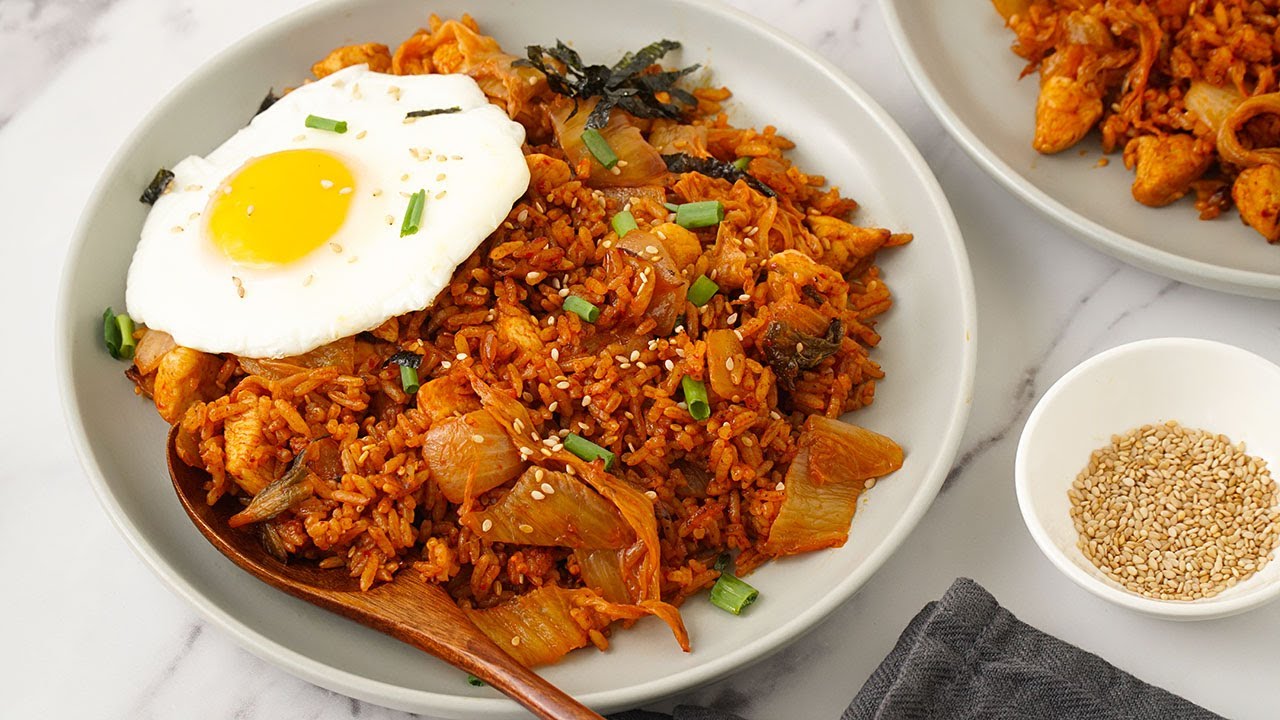
Kimchi Rice Recipe: Craving something spicy, comforting, and full of flavor? Kimchi fried rice (a.k.a. Kimchi Bokkeumbap) might be your new favorite go-to dish. It’s a beloved Korean comfort food that’s both easy to whip up and incredibly satisfying. Whether you’re using up leftover rice or want to spice up your dinner routine, this dish checks all the boxes.
Let’s break it down into simple steps, from choosing the right kimchi to sautéing everything to perfection.
What Is Kimchi Rice?
Kimchi rice, also called Kimchi Bokkeumbap in Korean, is a spicy and savory stir-fried rice dish made with fermented kimchi, rice, and a combination of seasonings and sauces. It’s often topped with a fried egg and customizable with a variety of proteins like pork, chicken, tofu, or even shrimp. Think of it like Korea’s answer to comfort food—bold, punchy, and incredibly satisfying.
What makes it shine is the fermented kick from the kimchi. It adds a sour, spicy depth that transforms plain rice into a flavor bomb. It’s also the perfect dish for using up leftover rice and kimchi that’s turned a little too sour to enjoy raw.
Why You’ll Love This Kimchi Fried Rice
- Super Quick & Easy: Takes less than 20 minutes start to finish.
- Budget-Friendly: Uses pantry and fridge staples.
- Customizable: Add whatever protein or veggies you like.
- Great for Leftovers: That day-old rice and extra kimchi? Perfect.
- Deep Flavor: Thanks to fermented kimchi, soy sauce, sesame oil, and garlic.
Health Benefits of Kimchi Rice
You might be surprised to know that kimchi fried rice can be more than just tasty—it can be healthy too.
- Fermented Foods: Kimchi is rich in probiotics that help gut health.
- Low in Calories: Without heavy sauces or oils, it’s fairly light.
- Nutrient-Dense: Kimchi brings vitamin A, B, and C to the table.
- Energy Boosting: The carbs in rice give long-lasting energy.
Want to make it even healthier? Use brown rice or cauliflower rice and skip the fatty meats.
List of Ingredients You’ll Need
Essential Ingredients
Here’s what you’ll need for the basic version:
- Cooked Rice (2 cups): Day-old rice works best.
- Kimchi (1 cup, chopped): The older, the better (more flavor).
- Kimchi Juice (2-3 tbsp): For that extra tangy kick.
- Garlic (2 cloves, minced): Adds aromatic depth.
- Onion (½ small, diced): Optional, but enhances the base flavor.
- Soy Sauce (1 tbsp): For salty umami goodness.
- Sesame Oil (1 tsp): A finishing touch with nutty aroma.
- Gochujang (1 tbsp): Optional but adds a deeper spicy-sweet flavor.
- Eggs (1-2): Either scrambled in or fried on top.
Optional Add-ons for Flavor
- Green onions for freshness
- Toasted sesame seeds for crunch
- Diced Spam or bacon for salty richness
- Tofu or tempeh for plant-based protein
- Carrots or peas for sweetness and texture
- Seaweed flakes (gim) for that umami pop
Tools and Equipment You’ll Need
- Wok or large skillet: Preferably non-stick or cast iron
- Sharp knife: For chopping kimchi and aromatics
- Cutting board
- Spatula or wooden spoon
- Measuring spoons
- Small bowl for mixing sauces
You probably have all of these already, which makes this dish even easier to prepare at home.
Preparation Tips Before You Start Cooking
Here are some quick tips to ensure your fried rice turns out restaurant-quality:
- Use cold, day-old rice: Freshly made rice is too moist and can turn mushy. Day-old rice gives you that nice, chewy texture.
- Drain the kimchi slightly before chopping: This keeps the rice from getting soggy.
- Pre-mix your sauce (soy sauce, gochujang, sesame oil) to add all at once.
- Prep everything before you heat the pan: This dish cooks quickly, so be ready.
- High heat is your friend: It gives you that smoky, wok-fried flavor.
How to Choose the Right Kimchi
The flavor of your kimchi fried rice depends a lot on the kimchi itself. Here’s what to keep in mind:
- Older kimchi is better: As kimchi ferments longer, it gets tangier and more intense—perfect for cooking.
- Cabbage kimchi (baechu kimchi) is the classic choice, but radish kimchi can work too.
- Avoid too much liquid unless you’re using it as flavoring.
Pro tip: The funkier it smells, the better it tastes in fried rice.
How to Prepare the Rice (Fresh or Leftover)
If you’re using fresh rice, spread it out on a tray and let it cool for 30 minutes in the fridge. Otherwise, day-old rice straight from the fridge is perfect. Just break it up with your hands before adding to the pan.
Want to level up? Use short-grain rice (like Japanese or Korean varieties). It gives that chewy, sticky texture that’s ideal for fried rice.
Step-by-Step Guide to Make Kimchi Fried Rice
Step 1: Chop the Aromatics and Kimchi
Finely chop garlic, onion, and green onions. Roughly chop well-fermented kimchi, squeezing out excess liquid but saving a little kimchi juice for later. Using day-old rice works best for fried rice.
Step 2: Cook the Aromatics
Heat a large pan or wok over medium-high heat with oil. Add garlic and onions, stirring for 30–60 seconds until fragrant and lightly softened.
Step 3: Add Kimchi and Sauté
Add the chopped kimchi to the pan and sauté for 2–3 minutes. Let it cook until slightly caramelized and less acidic. This builds deep, savory flavor.
Step 4: Mix in the Rice
Add the cold, cooked rice to the pan. Break up any clumps with a spatula and mix well with the kimchi mixture so the rice is evenly coated.
Step 5: Add Sauces and Seasonings
Stir in soy sauce, a small spoon of gochujang, and a splash of reserved kimchi juice. Mix thoroughly to distribute the seasoning evenly.
Step 6: Optional Add-Ins (Egg, Protein, Veggies)
Push the rice to one side and scramble an egg in the empty space, then mix it in. You can also add cooked bacon, spam, chicken, tofu, or vegetables like peas or carrots.
Step 7: Stir-Fry Everything Together
Increase heat slightly and stir-fry everything for 2–3 minutes. Keep the rice moving to prevent sticking and to develop a lightly crispy texture.
Step 8: Taste and Adjust Seasonings
Taste the fried rice and adjust with more soy sauce, gochujang, or pepper if needed.
Step 9: Garnish and Serve
Remove from heat and garnish with sesame oil, sliced green onions, and sesame seeds. Serve hot and enjoy.
Best Protein Additions to Elevate Your Kimchi Rice
Want to make your kimchi rice a full-on meal? Add one of these:
- Fried Spam: Crispy and salty, it’s a Korean-American classic combo.
- Grilled Chicken: Lean and high in protein.
- Ground Pork or Beef: Sauté with a bit of soy sauce and garlic first.
- Tofu or Tempeh: Cube and pan-fry for a vegan boost.
- Shrimp or Squid: Seafood lovers, this is your moment!
You can cook these separately and add on top or stir them directly into the rice. Either way, it adds richness and texture.
Topping Ideas for Extra Texture and Flavor
The little touches can make your dish feel gourmet:
- Kimchi mayo drizzle (mix kimchi juice + mayo)
- Pickled radish or cucumber slices
- Shredded cheese (melts beautifully into the hot rice)
- Korean roasted seaweed sheets
- Chili oil for that next-level heat
Don’t be afraid to get creative. The beauty of kimchi fried rice is how flexible it is.
Storing and Reheating Kimchi Fried Rice
Leftovers? Lucky you.
- Storage: Store in an airtight container for up to 3 days in the fridge.
- Reheating: Microwave or reheat in a pan with a splash of water or oil to loosen it up.
Avoid freezing, as the kimchi texture can become mushy and the rice loses quality.
Common Mistakes to Avoid
Avoid these pitfalls to keep your kimchi rice restaurant-worthy:
- Using freshly cooked rice – It’ll turn mushy.
- Too much kimchi juice – Can make the rice overly wet.
- Not sautéing the kimchi long enough – You’ll miss out on caramelization.
- Adding sesame oil too early – It loses its flavor under high heat.
- Overloading the pan – Makes it hard to fry properly. Use a large enough skillet.
Kimchi Fried Rice Variations
Want to keep things interesting? Try these spins:
- Cheese Kimchi Rice: Add mozzarella and melt it into the rice.
- Bacon Kimchi Rice: Fry bacon pieces first, then use the fat to cook the rest.
- Vegan Kimchi Rice: Use vegan kimchi and tofu instead of eggs or meat.
- Kimchi Cauliflower Rice: Use cauliflower instead of rice for low-carb.
- Spicy Tuna Kimchi Rice: Add canned spicy tuna with a little mayo—amazing.
Vegan Kimchi Fried Rice Option
Yes, you can go fully plant-based:
- Make sure your kimchi is vegan-friendly (some use fish sauce).
- Use tofu or tempeh for protein.
- Skip eggs or use vegan egg substitutes.
- Gochujang is often vegan but check the label.
Still just as flavorful and hearty.
Keto or Low-Carb Kimchi Rice Tips
Craving kimchi rice on keto?
- Replace rice with cauliflower rice.
- Use low-sugar kimchi.
- Skip sugary sauces and reduce the gochujang.
- Add fatty proteins like egg, pork belly, or tofu.
Great way to enjoy the flavor without the carbs.
Serving Suggestions and What to Pair With
Complete your Korean meal with these ideas:
- Miso soup or doenjang-jjigae (soybean paste stew)
- Cucumber or radish kimchi
- Pickled vegetables
- Cold barley tea (bori-cha) or a light beer
- A side of roasted seaweed sheets
This turns your fried rice into a full Korean-style meal experience.
FAQs about Kimchi Rice Recipe
1. Can I use freshly cooked rice for kimchi fried rice?
Yes, but let it cool completely and refrigerate it for at least 30 minutes to reduce moisture.
2. How long does kimchi fried rice last in the fridge?
It stays fresh for up to 3 days when stored in an airtight container.
3. What protein works best with kimchi rice?
Spam, pork belly, ground beef, tofu, and shrimp are all excellent choices.
4. Is kimchi rice spicy?
It can be spicy, but you can control the heat by adjusting the amount of gochujang and using mild kimchi.
5. Can I make this gluten-free?
Absolutely! Just use tamari instead of soy sauce and ensure your kimchi and gochujang are gluten-free.
Conclusion
Kimchi fried rice is more than just a clever way to use leftovers—it’s bold, comforting, and completely addictive. With the right balance of spicy, sour, savory, and umami, it’s the ultimate quick-fix meal that feels like a treat every single time. Whether you’re cooking for yourself or serving up a feast for friends, this dish delivers huge flavor with minimal effort.
So grab that kimchi, raid your fridge, and let the sizzling magic begin!