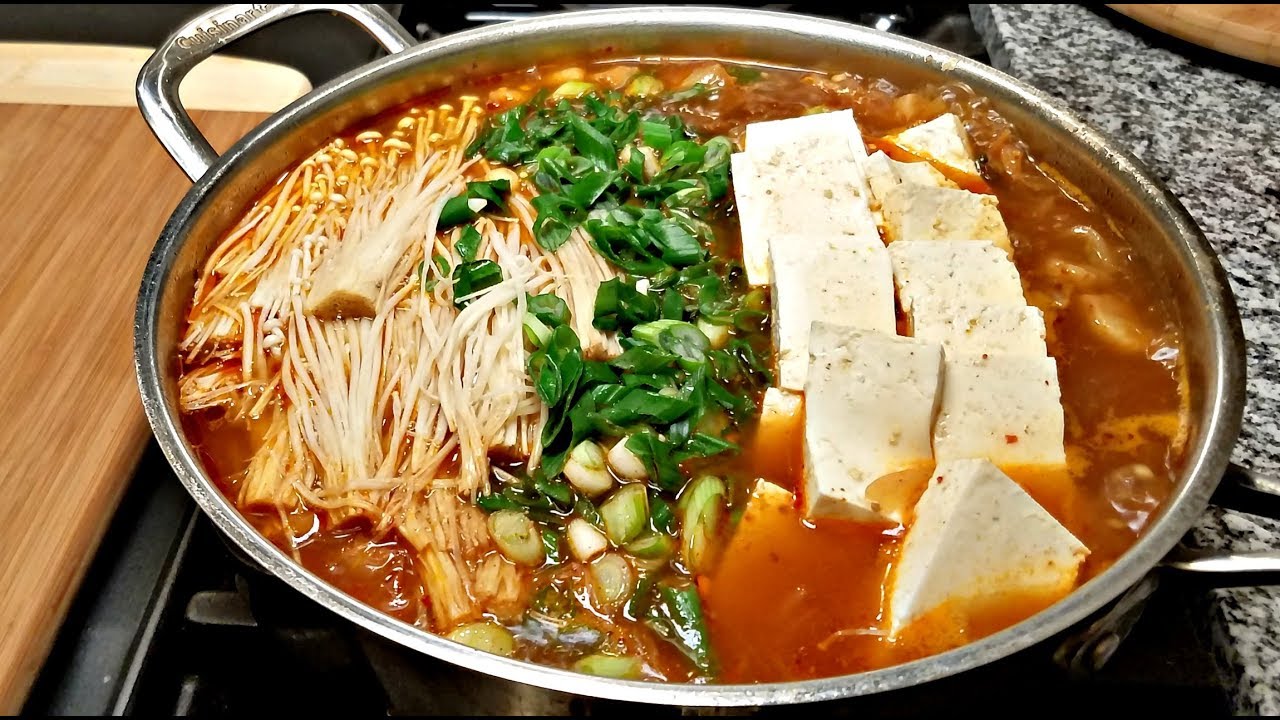
Kimchi Jjigae Recipe: When it comes to Korean comfort food, Kimchi Jjigae (김치찌개), or kimchi stew, tops the list. This fiery, flavorful, and deeply satisfying dish is a staple in Korean homes and kitchens. Imagine a bowl of steaming, rich broth infused with aged kimchi, soft tofu, tender pork belly, and the perfect mix of spice and umami. That’s kimchi jjigae in a nutshell—soul food at its finest.
So, why is this dish so beloved? It’s simple. It warms you up from the inside out, takes less than an hour to make, and transforms leftover kimchi into a restaurant-worthy meal. Whether you’re a K-drama fan curious about Korean cuisine or someone looking for a hearty, flavorful stew—this guide will walk you through every step. Ready? Let’s cook.
Health Benefits of Kimchi Jjigae
Yes, it’s delicious. But it’s also healthy. The main star—kimchi—is naturally fermented and packed with probiotics, which help maintain a healthy gut. Combine that with antioxidant-rich garlic, protein from pork or tofu, and metabolism-boosting chili flakes, and you’ve got yourself a meal that works for your body, not just your cravings.
- Probiotic powerhouse: Aged kimchi supports digestion and immunity.
- Low in calories: Even with pork, it’s still relatively low in fat and carbs.
- High in flavor, not salt: Traditional jjigae doesn’t require tons of sodium to taste amazing.
- Filled with veggies: Onion, scallions, mushrooms—you can load up on more nutrition if you like.
List of Ingredients You’ll Need
Here’s everything you’ll need to create an authentic, mouthwatering pot of kimchi jjigae.
Core Ingredients:
- 1 cup aged kimchi (the funkier, the better)
- 200g pork belly or shoulder, sliced
- ½ onion, sliced
- 1 block soft or medium tofu, cubed
- 2–3 scallions, chopped
- 1 tbsp gochugaru (Korean red chili flakes)
- 1 tbsp gochujang (Korean chili paste)
- 2 tsp minced garlic
- 2 tsp sesame oil
- 2 cups anchovy or beef stock (or water in a pinch)
- Salt and black pepper to taste
- 1 tsp soy sauce (optional)
Optional Add-Ons:
- Enoki or shiitake mushrooms
- Zucchini slices
- Egg (added at the end)
- Perilla leaves or oil (for an earthy touch)
- Doenjang (fermented soybean paste) for depth
These ingredients are easy to find at your local Asian market or online. Don’t skip on aged kimchi—it’s key to nailing that deep, tangy flavor that defines the stew.
Choosing the Right Kimchi
Not all kimchi is created equal, especially when it comes to jjigae. You want aged, sour kimchi, not the fresh stuff.
Why? Because when kimchi ferments, its flavor deepens and becomes tangy—almost cheesy. That acidity mixes with pork fat and broth to create an explosion of umami. Fresh kimchi tastes too clean and crisp for stew—it lacks punch.
Tips:
- Use baechu kimchi (napa cabbage kimchi) instead of radish or cucumber kimchi.
- If your kimchi is freshly made, leave it out at room temp for a day or two before using.
You’ll never get that authentic taste using mild or sweetened store-brand kimchi. The older, the better.
The Role of Pork in Kimchi Jjigae
Traditionally, pork is the go-to protein for kimchi jjigae—specifically pork belly. The fat renders down into the broth, adding richness and body to the stew. However, you can use:
- Pork shoulder or neck, for a leaner cut
- Tuna or canned mackerel, for a coastal variation
- Beef slices, for a different texture and flavor
For vegetarians or thoseBeef slices**, for a different texture and flavor
For vegetarians or those avoiding meat:
- Swap pork with firm tofu or king oyster mushrooms
- Use vegetarian kimchi (check that it’s fish-free)
- Add a bit of miso paste to mimic the umami depth
The pork is there to enhance—not dominate—the kimchi’s flavor. Choose your protein based on taste, texture, and dietary needs.
Essential Cooking Tools
Good news: You don’t need fancy equipment.
Must-Have Tools:
- Medium-sized pot or Korean ttukbaegi (stone pot)
- Wooden spoon for stirring
- Chopping board and knife
- Measuring spoons
Nice-to-Have:
- Gas burner or portable butane stove (for tableside serving)
- Clay pot to keep the stew bubbling hot when served
Even a basic stainless steel pot works. Just make sure it retains heat well and has enough space for all the good stuff to simmer.
Step-by-Step Guide to Making Kimchi Jjigae
Let’s break it down into simple steps. From kitchen to table in under an hour.
Step 1: Prepare Your Ingredients
Gather all ingredients before cooking. You’ll need well-fermented kimchi, pork belly or shoulder, tofu, onion, garlic, gochugaru (Korean chili flakes), gochujang, soy sauce, and water or anchovy broth. Cut the pork into bite-sized pieces and slice the tofu.
Step 2: Sautéing the Pork and Kimchi
Heat a pot over medium heat with a little oil. Add the pork and cook until lightly browned and the fat renders. Add chopped kimchi and sauté together for 3–5 minutes. This step deepens the flavor and reduces harsh acidity.
Step 3: Add Liquids and Simmer
Stir in gochujang, gochugaru, garlic, and soy sauce. Pour in water or anchovy broth until ingredients are covered. Bring to a gentle boil, then reduce heat and simmer for 20–25 minutes so the flavors fully develop.
Step 4: Add Tofu and Final Seasonings
Gently add tofu slices to the stew. Simmer for another 5 minutes. Taste and adjust seasoning with more soy sauce or chili flakes if needed. Add sliced green onions at the end onions at the end.
Step 5: Let It Rest Before Serving
Turn off the heat and let the stew rest for 5 minutes. This allows the flavors to settle and intensify. Serve hot with steamed rice for a comforting meal.
Tips to Boost Flavor
If you want to take your Kimchi Jjigae from “great” to “unforgettable,” a few small tricks can make a big difference. Korean home cooks often have secret ingredients or subtle tweaks that elevate the stew’s complexity and aroma.
Here are some ways to boost flavor like a pro:
- Use anchovy or kelp stock instead of plain water. Just boil 5–6 dried anchovies (guts removed) and a piece of dried kelp in 2 cups of water for 10 minutes. This umami-rich stock gives the stew more depth.
- Add a spoon of Doenjang (fermented soybean paste). This earthy, salty paste builds richness and balances the sharpness of kimchi.
- A few drops of perilla oil can give the stew a nutty aroma and silky mouthfeel. Use sparingly—it’s strong!
- Caramelize the kimchi longer during the sauté step. The longer you cook it before adding broth, the richer and smokier the flavor becomes.
- Use older kimchi, preferably fermented for 2–3 weeks. This gives that tangy, almost cheese-like sharpness you can’t replicate with fresh kimchi.
Experiment until you find your perfect flavor combo. Everyone has their own version of the “best” kimchi jjigae.
Common Mistakes to Avoid
Even though it’s a relatively simple recipe, kimchi jjigae can fall flat if you’re not careful. Here are some common mistakes—and how to avoid them.
- Using fresh kimchi: This is the #1 mistake. Fresh kimchi doesn’t have enough acidity or flavor to carry the stew.
- Overcooking tofu: Soft or medium tofu only needs 5 minutes in the pot. Any longer, and it might crumble or turn grainy.
- Not sautéing your ingredients first: Skipping this step results in a watery, bland broth.
- Using too much water: You want the stew to be rich and slightly thick—not like a watery soup.
- Adding too many ingredients: Simplicity is key. Don’t overload the pot with too many vegetables or sauces. Let the kimchi be the star.
Cooking is all about learning through trial and error, so don’t stress. Even a not-so-perfect jjigae still tastes pretty amazing!
How to Serve Kimchi Jjigae
Presentation matters—especially with Korean food. Kimchi jjigae is usually served piping hot, either straight from the stove or in a bubbling stone pot. Here’s how to do it right:
- With steamed rice: A bowl of warm, fluffy white rice balances out the spice.
- Banchan (side dishes): Serve with 2–3 small side dishes like stir-fried anchovies, spinach namul, or pickled radish. These contrast and complement the stew’s bold flavor.
- With a raw egg (optional): Crack an egg into the stew just before serving and let the heat cook it slightly—silky and rich.
- In a stone pot (ttukbaegi): It retains heat and keeps the stew bubbling during the whole meal.
Gather around, share with family or friends, and enjoy the way Koreans do—hot, spicy, and full of warmth.
Storage and Reheating Tips
One of the best parts about kimchi jjigae? It tastes even better the next day. The flavors continue to develop and mellow overnight.
To store:
- Let the stew cool to room temperature.
- Transfer to an airtight container and refrigerate for up to 4 days.
To reheat:
- Pour it back into a pot and simmer gently over low heat.
- You can add a splash of water or stock if it has thickened too much.
- Add fresh tofu or scallions to brighten it up again.
Freezing: Yes, you can freeze it. Just keep the tofu out (it doesn’t freeze well), and add fresh tofu when reheating.
Vegan Kimchi Jjigae Variation
Want a plant-based version that still packs a punch? Totally possible. Here’s how to do it without compromising on flavor.
- Use vegan kimchi: Many store-bought kimchis contain fish sauce or shrimp paste, so check the label.
- Swap pork with mushrooms: King oyster, shiitake, or even portobello mushrooms give you that chewy, savory texture.
- Add miso paste: This gives the depth and saltiness typically provided by pork or anchovy broth.
- Use vegetable broth: Make your own with dried shiitake, onion, garlic, and kelp.
- Drizzle with sesame oil for added richness.
This version is hearty, satisfying, and still spicy enough to warm your bones—completely meat-free.
Kimchi Jjigae Around the World
While kimchi jjigae is deeply rooted in Korean tradition, it’s found creative twists across the globe.
- Korean-American fusion: Think bacon instead of pork belly, cheddar cheese added on top, or even ramen noodles tossed in.
- Japanese influence: Some restaurants in Japan serve a lighter, sweeter version with tofu and kombu broth.
- Western adaptations: Kimchi jjigae grilled cheese, kimchi stew pasta, or even kimchi jjigae tacos—it’s all about experimenting!
If you love the traditional version, you’ll definitely enjoy seeing how it can evolve. Just make sure the kimchi remains the star ingredient.
Is It Spicy? Adjusting Heat Levels
Worried it might be too spicy? No problem. Kimchi jjigae is very customizable when it comes to heat.
To make it milder:
- Reduce or omit gochugaru (chili flakes).
- Use mild kimchi or rinse the kimchi briefly before cooking.
- Add extra tofu or a splash of milk/soy milk to mellow it out.
To make it hotter:
- Add extra gochugaru or a chopped fresh chili.
- Stir in a spoon of spicy Korean chili oil.
- Mix in a little Cheongyang gochu, Korea’s famous hot green chili pepper.
It’s your stew. Spice it how you like it.
FAQs about Kimchi Jjigae Recipe
1. Can I make Kimchi Jjigae without pork?
Absolutely. Use tofu, mushrooms, or even canned tuna for a delicious meat-free or alternate protein version.
2. How long does it take to cook?
Around 35 to 45 minutes from start to finish, including prep time.
3. What’s the best tofu for this recipe?
Soft or medium tofu works best—it absorbs the flavors and has a great texture in the stew.
4. Can I freeze Kimchi Jjigae?
Yes! Just freeze without tofu and add fresh tofu when reheating. It lasts up to 2 months in the freezer.
5. Is it okay to use store-bought kimchi?
Yes, as long as it’s fermented and aged. Avoid sweet or freshly made varieties.
Conclusion
There you have it—the ultimate step-by-step guide to making authentic Kimchi Jjigae at home. This iconic Korean dish is bold, comforting, and surprisingly easy to whip up. Whether you’re trying Korean food for the first and surprisingly easy to whip up. Whether you’re trying Korean food for the first time or missing a taste of home, kimchi jjigae brings warmth, depth, and flavor straight to your bowl.
So grab your kimchi, prep your pot, and enjoy the bubbling beauty of one of Korea’s most loved stews. Once you make it once, it’ll become part of your regular cooking rotation—promise.