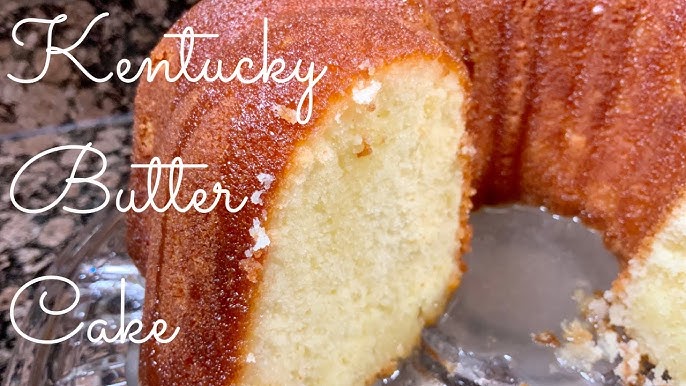
Kentucky Butter Cake Recipe: There’s something magical about a cake that melts in your mouth with every bite. Kentucky Butter Cake is one of those classic desserts that has stood the test of time. This moist, rich, and buttery cake is a favorite at family gatherings, potlucks, and holidays because it’s simple yet incredibly flavorful. What makes it different from most cakes is the buttery sauce that soaks right into the warm cake, giving it an almost melt-in-your-mouth texture. Unlike overly sweet frosted cakes, this one balances richness with subtle sweetness.
What Makes Kentucky Butter Cake Special
Kentucky Butter Cake isn’t your average bundt cake. The real secret is the warm butter sauce that’s poured over the cake while it’s still fresh from the oven. This sauce seeps into the cake, creating a moist texture and a buttery flavor that intensifies as it rests. The cake actually tastes even better the next day, making it perfect for preparing ahead of time. If you’ve ever had a cake that tasted better after sitting overnight, you’ll understand why this recipe is loved by so many bakers.
A Brief History of the Recipe
The Kentucky Butter Cake dates back to the mid-20th century and has roots in the southern United States. It was first made popular through community cookbooks and word of mouth. Unlike cakes that rely heavily on frosting, this one became famous because of its simplicity and the unique butter sauce. Over time, variations popped up, with some bakers adding a touch of almond extract, bourbon, or lemon zest. Despite all the twists, the traditional version remains a household favorite, especially in Kentucky, where it’s often considered a classic comfort dessert.
Ingredients You’ll Need
Before we jump into baking, let’s go through the ingredient list. The beauty of Kentucky Butter Cake lies in its simplicity—most of the ingredients are probably already in your pantry.
Dry Ingredients
- 3 cups all-purpose flour
- 2 cups granulated sugar
- 1 teaspoon baking powder
- ½ teaspoon baking soda
- 1 teaspoon salt
These dry ingredients form the base of the cake. Using all-purpose flour keeps the cake light yet structured, while sugar balances the richness of the butter sauce.
Wet Ingredients
- 1 cup unsalted butter (softened)
- 1 cup buttermilk (room temperature)
- 4 large eggs
- 2 teaspoons vanilla extract
The wet ingredients are the heart of the cake. Buttermilk keeps the crumb tender, while eggs bind everything together and add richness. Vanilla enhances the flavor.
For the Butter Sauce
- ½ cup unsalted butter
- ¾ cup granulated sugar
- 2 tablespoons water
- 2 teaspoons vanilla extract
This buttery syrup is what makes Kentucky Butter Cake legendary. When poured over the warm cake, it seeps into every bite, keeping it moist and flavorful.
Equipment You’ll Need
- Bundt pan (for the traditional shape)
- Electric mixer (hand or stand mixer works)
- Mixing bowls
- Whisk and spatula
- Saucepan (for the butter sauce)
Having the right equipment makes the baking process smoother. A Bundt pan is key because it gives the cake its beautiful shape and allows the sauce to penetrate more evenly.
Step-by-Step Guide to Making Kentucky Butter Cake
Now that you’ve gathered your ingredients, let’s bake this Southern classic. Follow these steps carefully, and you’ll end up with a cake that’s buttery, moist, and irresistible.
Step 1 – Preparing Your Baking Pan
Before mixing your batter, preheat your oven to 325°F (163°C). Grease and flour your Bundt pan thoroughly—this step is crucial to prevent the cake from sticking. A light dusting of flour over the butter or non-stick spray helps release the cake perfectly. Some bakers even use a mixture of flour and sugar to coat the pan, which gives the outer crust a delightful caramelized texture.
Step 2 – Mixing the Dry Ingredients
In a medium bowl, whisk together the flour, baking powder, baking soda, and salt. This ensures the leavening agents are evenly distributed throughout the batter. Skipping this step may lead to uneven rising or dense spots in your cake. Keep this bowl aside while you prepare the wet mixture.
Step 3 – Creaming Butter and Sugar
This is one of the most important steps in cake baking. In a large mixing bowl, add your softened butter and granulated sugar. Using a hand mixer or stand mixer, beat the mixture on medium speed for about 4–5 minutes, or until it becomes light, fluffy, and pale in color. This process incorporates air into the batter, which helps give the cake its tender crumb.
You might wonder why this step matters so much. Think of it like whipping cream—when you beat butter and sugar together, you’re creating tiny air pockets that expand when heated in the oven. If you don’t cream the butter and sugar properly, your cake may turn out dense instead of light and moist. Be patient here, and don’t rush. Scrape down the sides of the bowl with a spatula to make sure everything mixes evenly.
Step 4 – Adding Eggs and Flavorings
Once your butter and sugar are perfectly creamed, it’s time to add the eggs—one at a time. Crack each egg into the bowl, mixing well before adding the next. This prevents the batter from curdling and ensures a smooth texture. After the eggs are incorporated, add the vanilla extract.
Vanilla may seem like a small ingredient, but it plays a huge role in enhancing the flavor. If you want to experiment, you can also add almond extract or even a splash of bourbon for a Kentucky-inspired twist. This is the stage where the batter starts smelling irresistible, giving you a hint of how rich the cake will be.
Step 5 – Combining Dry and Wet Mixtures
Now it’s time to bring everything together. Reduce your mixer speed to low and gradually add the dry ingredients to the wet mixture, alternating with the buttermilk. Start with the flour mixture, then add some buttermilk, then flour again, until everything is combined.
This alternating method prevents the batter from becoming too dense and keeps the texture soft. Overmixing is the biggest mistake you can make at this point. Mix just until the flour disappears—no more. Overmixing develops gluten, which can make the cake tough instead of tender.
Once your batter is smooth and lump-free, pour it into the prepared Bundt pan. Use a spatula to spread it evenly and tap the pan lightly on the counter to release any air bubbles.
Step 6 – Baking the Cake
Place the pan in the preheated oven and bake for about 55–65 minutes, or until a toothpick inserted into the center comes out clean. Every oven is slightly different, so keep an eye on it after the 50-minute mark.
While baking, your kitchen will fill with the warm, sweet aroma of butter and vanilla—a smell that’s nearly impossible to resist. The cake should have a golden-brown crust, slightly pulling away from the sides of the pan when it’s ready.
Once done, remove it from the oven and let it cool in the pan for about 10–15 minutes. This cooling step is important because it helps the cake firm up slightly, making it easier to release from the pan without breaking apart.
Step 7 – Preparing the Butter Sauce
While the cake is cooling, prepare the star of the show: the butter sauce. In a small saucepan over low heat, combine the butter, sugar, and water. Stir gently until the butter is melted and the sugar is dissolved, but don’t let it boil. Once everything is smooth, remove it from heat and stir in the vanilla extract.
This sauce is what transforms a simple Bundt cake into a rich Kentucky Butter Cake. It’s sweet, buttery, and thin enough to seep into the cake’s crumb without making it soggy. Some bakers poke small holes in the cake with a skewer before pouring the sauce so it can sink in deeper.
Step 8 – Infusing the Cake with Sauce
With the cake still warm and in the pan, slowly pour the butter sauce over the top. The sauce will soak into the cake, reaching every layer. Don’t rush this step—pour gradually so the cake has time to absorb the liquid.
After pouring, let the cake sit for at least an hour before inverting it onto a serving plate. By this point, the sauce will have worked its magic, giving the cake a moist, melt-in-your-mouth texture. For best results, cover the cake and let it rest overnight. The flavors deepen, and the cake becomes even more irresistible the next day.
Pro Tips for the Perfect Kentucky Butter Cake
Choosing the Right Butter
Always use real unsalted butter for this recipe. Margarine or low-fat substitutes won’t give you the same richness. High-quality butter also enhances the flavor of the sauce, which is the highlight of the cake.
How to Keep Your Cake Moist
The butter sauce itself keeps the cake moist, but a few extra tricks help too:
- Don’t overbake. A dry cake is often the result of too much oven time.
- Wrap the cake tightly in plastic wrap once it cools.
- Store it in an airtight container to lock in freshness.
Variations and Flavor Twists
- Bourbon Butter Cake – Add a splash of Kentucky bourbon to the butter sauce.
- Lemon Butter Cake – Add lemon zest to the batter and a squeeze of lemon juice to the sauce.
- Almond Butter Cake – Replace half the vanilla extract with almond extract for a nutty twist.
These variations allow you to enjoy Kentucky Butter Cake in new ways while keeping the traditional moist and buttery texture.
Serving and Storing Kentucky Butter Cake
Best Ways to Serve It
Kentucky Butter Cake is versatile when it comes to serving. While it’s delicious enough on its own, you can take it up a notch with simple additions. Serve it warm with a scoop of vanilla ice cream, or add a dollop of whipped cream for a lighter pairing. Fresh berries like strawberries or raspberries balance the buttery sweetness with a tart kick.
If you’re hosting a dinner party, slice the cake and drizzle a little extra sauce or caramel over each piece for presentation. For holidays like Thanksgiving or Christmas, this cake makes a stunning centerpiece because of its Bundt pan design—no frosting required. You can even dust the top with powdered sugar for a snowy finish.
One of the best things about Kentucky Butter Cake is that it actually tastes better the next day. This makes it an ideal make-ahead dessert when you want to focus on other dishes without worrying about last-minute baking.
Storage Tips to Keep It Fresh
Because the cake is soaked with butter sauce, it stays moist for days. To store it properly:
- Room Temperature: Wrap the cake tightly in plastic wrap or place it in an airtight container. It will stay fresh for up to 4 days.
- Refrigerator: While refrigeration isn’t necessary, you can store it in the fridge if your kitchen is warm. Just bring it back to room temperature before serving so the texture softens again.
Always cover the cake well because exposure to air can dry it out, even with the sauce.
Can You Freeze Kentucky Butter Cake?
Yes, this cake freezes beautifully. To freeze, wrap the entire cake (or individual slices) in two layers of plastic wrap, followed by aluminum foil. Store it in the freezer for up to 3 months. When you’re ready to enjoy it, thaw it overnight in the refrigerator, then let it sit at room temperature before serving.
Freezing doesn’t affect the flavor or texture much, thanks to the butter sauce that keeps it moist. If anything, the resting time in the freezer allows the flavors to meld even more, giving you a cake that tastes just as amazing as when it was freshly baked.
FAQs about Kentucky Butter Cake Recipe
1. Can I make Kentucky Butter Cake ahead of time?
Yes! In fact, it’s even better the next day because the sauce has more time to soak into the cake. Just bake it, let it cool, and store it covered at room temperature overnight.
2. What’s the difference between Kentucky Butter Cake and Pound Cake?
While both cakes share a dense, moist texture, Kentucky Butter Cake is unique because of the butter sauce that soaks into the cake. Pound cake, on the other hand, usually relies on its batter alone for richness.
3. Can I use margarine instead of butter?
It’s not recommended. Margarine doesn’t provide the same richness or flavor. Real unsalted butter is essential for achieving the authentic taste of this cake.
4. Why is my cake dry?
The most common reason is overbaking. Always check your cake 5–10 minutes before the suggested bake time and use a toothpick test. Another reason could be skipping or rushing the butter sauce step.
5. Can I add glaze instead of butter sauce?
Yes, but you’ll be changing the character of the cake. A glaze will sit mostly on top, while the butter sauce soaks into the cake for deep flavor. If you want extra sweetness, you can do both: soak with sauce and finish with a light glaze drizzle.
Conclusion
Kentucky Butter Cake is proof that sometimes the simplest recipes are the most memorable. With its tender crumb, buttery richness, and that irresistible sauce, it’s a dessert that wins hearts every time. Whether you’re baking it for a family gathering, a holiday feast, or just because you crave something sweet, this cake delivers comfort in every bite.
The best part? You don’t need fancy ingredients or complicated techniques. Just a few pantry staples, some patience while the cake bakes, and a golden drizzle of butter sauce make this Southern classic come to life.
If you’ve never tried baking Kentucky Butter Cake before, now’s the time. Once you make it, it’s bound to become a regular favorite in your home—just like it has been in kitchens across America for decades.