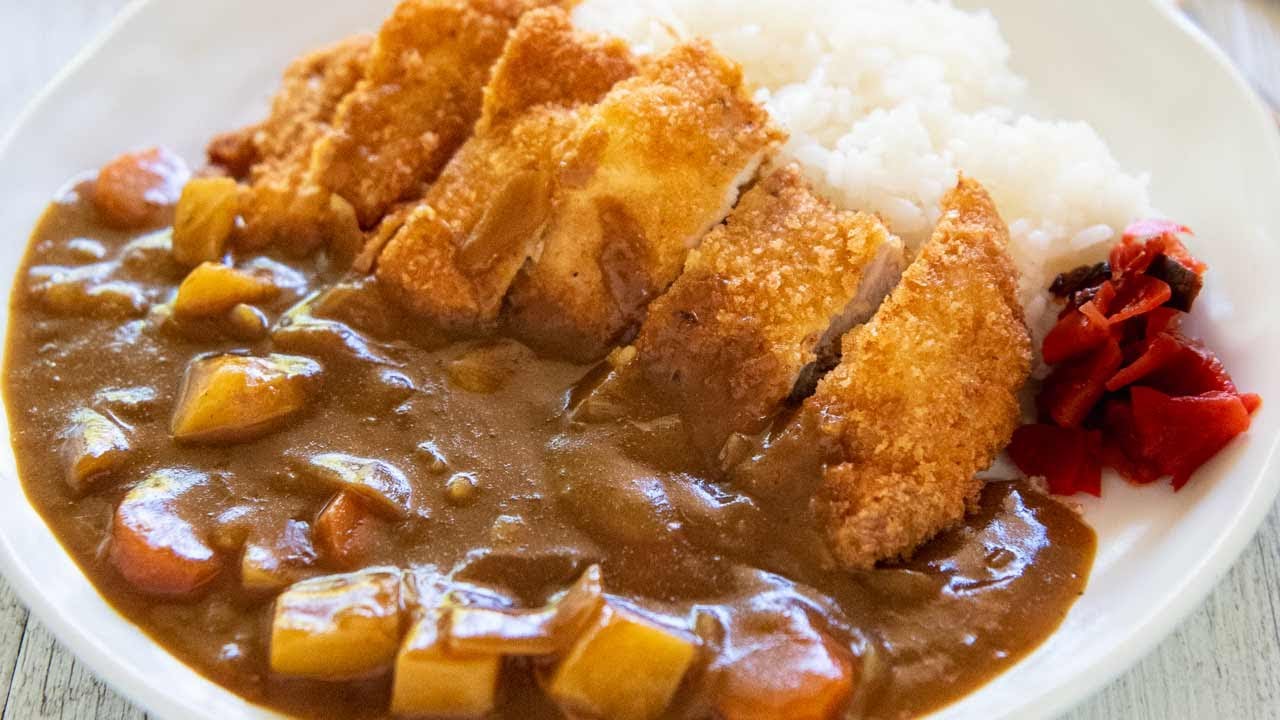
Katsu Curry Recipe: If you’re craving something crispy, saucy, and utterly comforting, Katsu Curry should be on your radar. This Japanese classic is where golden breaded cutlets meet rich, flavorful curry, served hot over a fluffy bed of rice. It’s one of those dishes that looks fancy, tastes like heaven, but is surprisingly easy to whip up at home. Whether you’re a kitchen newbie or a seasoned home chef, this guide will walk you through everything you need to make the perfect homemade Katsu Curry, from scratch.
What is Katsu Curry?
Katsu Curry is a beloved Japanese dish that brings together two icons of Japanese cuisine—crispy breaded cutlets (Katsu) and thick, mildly spiced Japanese curry sauce. It’s typically made with chicken (called chicken katsu) or pork (tonkatsu), though you can use beef, tofu, or even eggplant for variations.
What sets this curry apart from Indian or Thai curries is its texture and flavor. Japanese curry is thicker, mildly spiced, slightly sweet, and made with a roux-based sauce often including ingredients like carrots, onions, and potatoes.
Katsu Curry is basically the ultimate comfort food—a crispy piece of meat served over rice, drenched in that thick, savory curry sauce. It’s the kind of dish that makes you want seconds (and maybe even thirds).
Origins of Katsu Curry: A Japanese Twist on Comfort Food
Katsu Curry has a fascinating origin story. Japanese curry itself was introduced to Japan during the Meiji era (1868–1912) by the British Navy. Over time, it was adapted to suit Japanese tastes—less spicy, slightly sweet, and much thicker.
The “Katsu” part—breaded and fried meat cutlets—was influenced by Western dishes like schnitzel, which Japan adopted during its rapid modernization period. It wasn’t long before someone brilliant decided to combine Katsu with curry, and voilà—Katsu Curry was born.
The dish exploded in popularity in the late 20th century and is now a staple in homes, restaurants, and convenience stores across Japan. It’s also made its way globally, with fans everywhere from London to Los Angeles.
Why Katsu Curry Is So Popular Worldwide
Katsu Curry hits all the right notes: crispy, saucy, hearty, and satisfying. Here’s why it’s loved around the globe:
- Comfort Food Vibes: There’s just something about fried chicken and warm curry sauce that feels like a hug in a bowl.
- Customizable: You can go meatless, make it spicy, or keep it traditional.
- Quick and Easy: With simple ingredients and a few kitchen basics, it’s easy to prepare at home.
- Kid-Friendly: Mild flavor makes it perfect for picky eaters.
- Meal Prep Hero: Make a batch and enjoy leftovers for days.
From weeknight dinners to casual get-togethers, Katsu Curry fits every occasion.
Ingredients You’ll Need
Let’s break down the ingredients list into simple sections so you can prepare like a pro.
For the Chicken Katsu:
- 2 boneless, skinless chicken breasts (butterflied and pounded flat)
- Salt and pepper (to season)
- ½ cup all-purpose flour
- 2 large eggs (beaten)
- 1 cup panko breadcrumbs (Japanese-style breadcrumbs)
- Oil for frying (vegetable or canola)
For the Curry Sauce:
- 1 large onion (thinly sliced)
- 2 medium carrots (sliced)
- 2 cloves garlic (minced)
- 1 tablespoon grated ginger
- 2 tablespoons curry powder
- 3 tablespoons all-purpose flour
- 2 tablespoons soy sauce
- 1 tablespoon honey or sugar
- 2 cups chicken or vegetable broth
- 1 small apple (grated – for sweetness)
- 1 tablespoon ketchup or Worcestershire sauce (optional)
Optional Toppings and Garnishes:
- Steamed white rice (Jasmine or short-grain)
- Pickled radish or ginger
- Fresh parsley or scallions (for garnish)
Kitchen Tools You’ll Need
- Cutting board & sharp knife
- Frying pan or deep fryer
- Saucepan
- Tongs or spatula
- Mixing bowls
- Rice cooker or pot (for rice)
Step-by-Step Guide to Making Katsu Curry
Step 1: Preparing the Chicken
Begin by seasoning chicken breasts or cutlets with salt and pepper. Dredge each piece in flour, dip into beaten eggs, and coat generously with panko breadcrumbs. Press gently to ensure the crumbs stick well for maximum crunch.
Step 2: Making the Curry Sauce
Sauté onions, garlic, and ginger until fragrant. Add curry powder, then stir in carrots, potatoes, and chicken broth. Simmer until the vegetables turn tender. Finish with a splash of soy sauce and a little honey or sugar for balance, creating a thick, flavorful sauce.
Step 3: Frying the Chicken Katsu
Heat oil in a deep pan and fry the breaded chicken until golden brown and crispy on both sides. Transfer to a rack or paper towels to drain excess oil before slicing.
Step 4: Cooking the Rice
Rinse and cook Japanese short-grain rice until fluffy. Keep warm for serving.
Step 5: Assembling the Dish
Place sliced chicken over rice and pour generous curry sauce on top. Serve hot and enjoy!
Tips for Getting That Perfect Crispy Chicken Katsu
Here’s the secret sauce (not literally) to making your chicken katsu next-level crispy:
- Use panko breadcrumbs: These Japanese-style flakes are larger and airier than regular breadcrumbs, giving you that signature crunch.
- Don’t skip the resting period after breading—letting the coating sit helps it stick better during frying.
- Control the oil temperature: Keep it at a steady 350°F. Too hot, and the coating burns before the chicken cooks; too cold, and the chicken turns greasy.
- Slice right before serving: This keeps the chicken from getting soggy.
Stick to these tips, and you’ll have a crunchy, golden cutlet that rivals any restaurant’s version.
Common Mistakes to Avoid
Even the best of us can slip up. Here are some common mistakes that can mess with your Katsu Curry and how to avoid them:
- Using regular breadcrumbs: They won’t give you that light, crunchy texture.
- Skipping the curry roux: Just throwing in curry powder won’t give you that rich, velvety sauce.
- Overcooking the chicken: A meat thermometer can help—chicken is done at 165°F (74°C).
- Serving soggy Katsu: Always serve immediately after slicing, and pour curry just before serving to keep the crust crispy.
Avoid these pitfalls, and you’re golden—literally.
How to Customize Your Katsu Curry
Katsu Curry is super versatile. Whether you’re vegetarian, vegan, or just craving variety, there’s a version for you.
Vegan or Vegetarian Katsu Curry
- Swap the chicken for tofu, eggplant, or sweet potato.
- Use plant-based milk for egg substitute when breading tofu.
- Opt for vegetable broth in the curry sauce.
- Make sure your panko and curry powder are vegan-friendly.
You still get that crispy-on-the-outside, saucy-on-the-inside satisfaction without the meat.
Spicy Katsu Curry Variation
Love heat? Turn up the fire by:
- Adding chili flakes or sriracha to the curry sauce.
- Using a spicier curry powder blend or Japanese curry roux cubes labeled “hot”.
- Serving with a side of pickled jalapeños or kimchi.
There’s no limit to how fiery you can make it.
Best Side Dishes to Serve with Katsu Curry
While Katsu Curry is a hearty meal on its own, pairing it with the right side dishes can elevate your dining experience even more. Think of it like assembling a symphony where every element complements the next.
Here are some tasty ideas to serve alongside your homemade Katsu Curry:
- Japanese Pickles (Tsukemono): Pickled radishes or cucumbers offer a refreshing crunch and help cut through the richness of the curry sauce.
- Miso Soup: A classic side dish that adds warmth and umami to your meal. Light, comforting, and quick to make.
- Edamame: Lightly salted boiled soybeans are a protein-packed, healthy snack that pairs well with any Japanese main.
- Shredded Cabbage Salad: In Japan, Katsu is often served with a simple cabbage salad drizzled with sesame dressing or ponzu sauce.
- Soft-Boiled Egg: Serve on top or on the side—soft-boiled eggs with a jammy center add richness and creaminess.
You can also serve a light green tea or even a chilled glass of sake to round off the meal. It’s all about balancing the richness of the curry with freshness and texture.
Storage and Reheating Tips
Let’s face it: one of the best things about making Katsu Curry at home is the leftovers. But to keep them tasting just as good as day one, you’ve got to store and reheat them properly.
Storing:
- Chicken Katsu: Place in an airtight container lined with a paper towel. This helps absorb moisture and keeps the crust from getting soggy. Store in the fridge for up to 3 days.
- Curry Sauce: Store separately in a sealed container for up to 4 days. You can also freeze it for up to 3 months.
- Rice: Keep in an airtight container and refrigerate. Use within 2 days for the best texture.
Reheating:
- Chicken Katsu: Best reheated in an oven or air fryer to regain its crispiness. Avoid the microwave—it’ll go soggy.
- Curry Sauce: Reheat gently on the stove or in the microwave, stirring frequently.
- Rice: Sprinkle with a little water and microwave covered, or steam gently on the stove.
Keeping each component separate until you’re ready to eat is the key to a fresh-tasting leftover meal.
Is Katsu Curry Healthy? A Quick Nutritional Breakdown
Let’s be honest—Katsu Curry is indulgent, especially with the fried cutlet and rich curry sauce. But with a few tweaks, it can be a wholesome addition to your weekly meals.
The Good:
- Protein-rich: Chicken breast provides lean protein.
- Vegetable-filled curry: The sauce usually includes carrots, onions, and sometimes apples or potatoes.
- Customizable: Easily made healthier by baking instead of frying or using tofu.
The Not-So-Good:
- Fried chicken: Deep-frying adds extra fat and calories.
- White rice: High in carbs, which isn’t ideal for low-carb diets.
- High sodium: Depending on soy sauce and broth used.
Healthier Swaps:
- Use brown rice or cauliflower rice.
- Bake or air-fry the chicken.
- Reduce salt by using low-sodium broth and soy sauce.
- Add extra veggies to the curry for more fiber and nutrients.
With smart choices, you can still enjoy your favorite comfort food without the guilt.
Where to Buy Ingredients (If You’re Outside Japan)
Wondering where to find Japanese curry powder or panko if you’re not in Tokyo or Osaka? Good news—you don’t need a plane ticket.
Local Options:
- Asian Grocery Stores: Most major cities have Asian supermarkets with a Japanese section. Look for brands like S&B for curry powder or Golden Curry Roux cubes.
- International Aisles in Supermarkets: Some mainstream grocery stores carry panko, soy sauce, and Japanese curry cubes.
Online Stores:
- Amazon: Carries everything from authentic curry cubes to Japanese pickles.
- Asian Food Grocer / Japan Centre (UK-based): Great options with fast delivery.
- Walmart / Target (USA): Their online selections often include Japanese cooking staples.
Once you’re stocked up, making Katsu Curry becomes easy any night of the week.
FAQs about Katsu Curry Recipe
1. What cut of chicken is best for Katsu?
Boneless, skinless chicken breast is most commonly used. It’s lean and easy to flatten. You can also use chicken thigh if you prefer juicier meat.
2. Can I make Katsu Curry gluten-free?
Yes! Use gluten-free flour and panko for breading, and make sure your soy sauce and curry powder are labeled gluten-free.
3. How do I thicken the curry sauce?
Add more flour or a cornstarch slurry (1 tsp cornstarch mixed with 1 tbsp cold water) and simmer until thickened. Don’t add too much at once—thickening can happen quickly.
4. Can I bake instead of fry the chicken?
Absolutely. Bake at 400°F (200°C) for 25–30 minutes, flipping halfway through. For extra crispiness, spray with oil before baking or use an air fryer.
5. How long does Katsu Curry last in the fridge?
Stored properly, the curry sauce lasts 3–4 days, the chicken katsu up to 3 days, and the rice about 2 days. Store them separately for best results.
Conclusion
So there you have it—everything you need to know to master the perfect homemade Katsu Curry. From the crispy chicken cutlet to the rich, flavorful curry sauce and fluffy white rice, this dish is the ultimate Japanese comfort meal that’s simple enough to cook at home but impressive enough to serve to guests.
Whether you’re making it for a cozy weeknight dinner, meal prepping for the week, or trying out Japanese cuisine for the first time, this step-by-step guide has you covered. Plus, once you get the basics down, the variations are endless—spicy, vegetarian, gluten-free, you name it.
The best part? It’s a dish that brings joy with every bite. One plate, and you’ll understand why Katsu Curry has taken the world by storm.