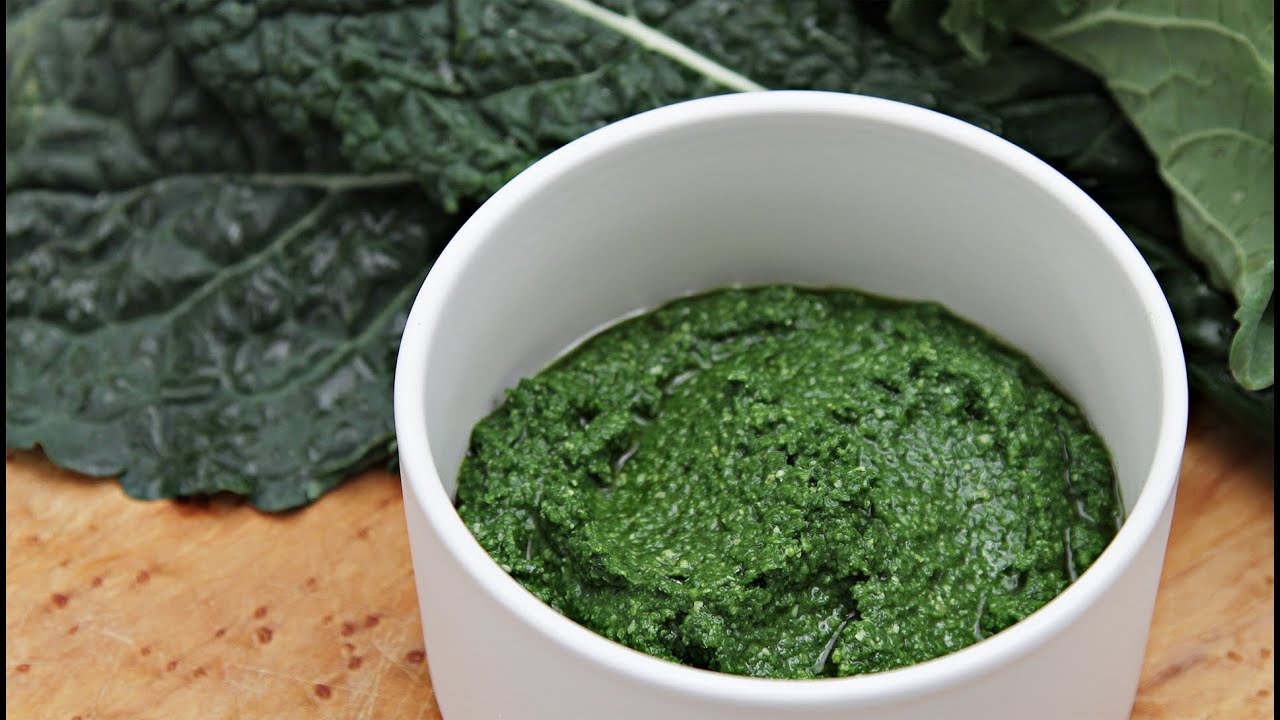
Kale Pesto Recipe: When you think of pesto, basil probably comes to mind. But what if we told you there’s a bolder, heartier twist on the classic? Enter kale pesto—a nutrient-dense, vibrant green sauce that’s just as delicious as it is good for you. Kale, often labeled as a superfood, brings a slightly earthier flavor to the mix. It pairs beautifully with garlic, Parmesan, olive oil, and nuts to create a pesto that’s not only rich in taste but also packed with vitamins and antioxidants.
Unlike traditional pesto, kale pesto stands up with a bit more body and bite, making it versatile enough for pasta, sandwiches, and even as a dip. Whether you’re a health nut or simply craving a twist on a classic Italian staple, this recipe will become a go-to. In this guide, you’ll learn exactly how to make kale pesto from scratch, with detailed steps, tips, and storage hacks.
Why Kale Over Basil?
Basil is a classic for pesto, no doubt. But kale brings something extra to the table—especially when basil isn’t in season. Kale is readily available year-round, more robust, and doesn’t wilt as quickly. Its stronger leaves hold up better in a food processor and create a thicker, more textured pesto.
Flavor-wise, kale has a mild bitterness that balances out with the right combination of fats and acids (hello, lemon juice and olive oil). It’s a great base that complements rather than overpowers. Plus, kale is much cheaper than basil when bought in bulk, and it stays fresh longer in your fridge.
Nutrition is another key reason: kale is loaded with Vitamin K, A, and C, calcium, and antioxidants. It boosts immunity, supports eye health, and even contributes to heart health. So, if you’re looking to shake up your pesto game and sneak in extra greens, kale is your new kitchen hero.
Health Benefits of Kale Pesto
Not only does kale pesto taste amazing, but it’s also a powerhouse when it comes to health. Let’s break it down:
- High in Vitamins: Kale is rich in vitamins A, K, and C. Vitamin K is crucial for bone health and blood clotting, while Vitamin C supports your immune system and skin health.
- Anti-Inflammatory: Thanks to antioxidants like quercetin and kaempferol, kale can help fight inflammation and oxidative stress.
- Heart-Healthy Fats: Olive oil and nuts provide monounsaturated fats, which are good for your heart.
- Low in Carbs: This makes kale pesto a great option for low-carb and keto diets.
- High Fiber: Kale and nuts both contribute to the fiber content, aiding in digestion and keeping you full longer.
Think of it this way: with every spoonful of kale pesto, you’re not just enjoying a delicious sauce—you’re nourishing your body with clean, whole foods.
List of Ingredients You’ll Need
Here’s what you’ll need to make fresh, vibrant kale pesto:
Fresh Ingredients:
- 4 cups chopped kale (ribs removed, lightly packed)
- 2 cloves garlic
- ½ cup grated Parmesan cheese (or nutritional yeast for vegan option)
- 1 tablespoon lemon juice (freshly squeezed)
Pantry Staples:
- ½ cup olive oil (extra virgin preferred)
- ¼ cup nuts (walnuts, pine nuts, almonds, or cashews work great)
- Salt and pepper to taste
Want to go next level? Add-ins like red pepper flakes for heat or fresh parsley for brightness can elevate your pesto.
Pro tip: Toasting the nuts before blending can bring out a nuttier, deeper flavor.
Choosing the Right Kale for Pesto
Not all kale is created equal—there are a few common varieties, and each has a slightly different flavor and texture.
Curly Kale:
This is the most common type found in stores. It’s bright green and ruffled, with a slightly peppery taste. It works great for pesto, but you’ll want to remove the tough stems and blanch it first to reduce bitterness.
Lacinato Kale (Dinosaur or Tuscan Kale):
Lacinato has flatter, darker leaves with a slightly sweeter taste. It’s less bitter than curly kale and usually more tender, making it easier to blend raw without blanching.
Baby Kale:
If you want a milder flavor and ultra-smooth texture, baby kale is a good option. It blends up easily and doesn’t require blanching or trimming.
Choose whichever kale you prefer, but for the most balanced pesto, Lacinato is often a crowd-pleaser.
Essential Tools You’ll Need
To make smooth, creamy kale pesto, you don’t need a fancy kitchen—just the right tools:
- Food processor or high-speed blender (a must for achieving the right texture)
- Measuring cups and spoons
- Chef’s knife for chopping kale
- Cutting board
- Colander (for washing and draining kale)
- Spatula to scrape down sides while blending
- Glass jars or containers for storing
Don’t have a food processor? You can still make pesto with a blender, but you may need to stop and scrape the sides more often and possibly add a bit more oil.
How to Prepare Kale for Pesto
Before tossing kale into your food processor, it needs some prep. Here’s how to get it pesto-ready:
- Wash Thoroughly: Kale can be gritty, so rinse it well under cold water and dry it with a clean towel or salad spinner.
- Remove the Stems: The thick center stems are tough and fibrous—cut them out before blending.
- Chop Coarsely: This helps your food processor break it down evenly.
- Optional Blanching: If your kale is extra tough or bitter, blanch it quickly in boiling water for 30 seconds, then transfer it to an ice bath. This softens the leaves and removes some bitterness.
Blanching isn’t necessary for baby or Lacinato kale, but it’s a great tip if you’re working with curly kale.
Step-by-Step Guide to Making Kale Pesto
Now, let’s dive into the actual process. This step-by-step method will give you a silky, balanced pesto every time.
Step 1: Prep Your Ingredients
Wash and thoroughly dry the kale. Remove the tough stems and roughly chop the leaves. Grate the Parmesan cheese and juice the lemon. If using nuts like walnuts or pine nuts, toast them briefly in a dry skillet for a few minutes to deepen their flavor. Let everything cool before blending.
Step 2: Blend the Dry Ingredients First
Add the chopped kale, nuts, garlic, grated Parmesan, and lemon juice to a food processor. Pulse several times until the ingredients are broken down into a coarse mixture. This step ensures even blending and better texture.
Step 3: Add Olive Oil Slowly
With the food processor running, slowly drizzle in olive oil. Continue blending until the pesto becomes smooth and creamy. Stop occasionally to scrape down the sides, then pulse again to ensure everything is fully incorporated.
Step 4: Taste and Adjust
Taste the pesto and adjust as needed. Add salt and black pepper for seasoning, more lemon juice for brightness, or a bit more olive oil if it’s too thick. You can also add a splash of water to loosen the texture without making it oily.
Step 5: Store or Serve
Use the kale pesto immediately on pasta, sandwiches, or roasted vegetables. To store, transfer it to a clean jar and top with a thin layer of olive oil to prevent browning. Refrigerate until ready to use.
Optional Add-ins for Flavor Variation
One of the best things about kale pesto is that it’s super customizable. Once you’ve got the base recipe down, you can experiment with extra ingredients to match your taste or dietary needs. Here are a few flavor-boosting options:
- Spicy Kick: Add a pinch of red pepper flakes or a small piece of jalapeño for some heat.
- Herbaceous Twist: Mix in fresh basil, parsley, or cilantro for added freshness.
- Creamier Texture: Blend in a tablespoon of Greek yogurt or avocado for a creamier consistency.
- Vegan Alternative: Swap Parmesan with nutritional yeast or vegan cheese to keep it dairy-free.
- Citrus Boost: Add zest from the lemon to increase the brightness without adding more acid.
Don’t be afraid to get creative! Once you understand the flavor profile you like—nutty, zesty, creamy, or spicy—you can build your own signature pesto that works across meals and seasons.
How to Store Kale Pesto Properly
If you’ve made a big batch (high five, meal prep champ!), proper storage is key to keeping your kale pesto tasting fresh.
Refrigerator:
- Store in an airtight container or glass jar.
- Add a thin layer of olive oil on top to prevent oxidation and browning.
- Use within 5–7 days for optimal flavor and freshness.
Freezer:
- Portion the pesto into ice cube trays for single-serving sizes.
- Once frozen, transfer cubes to a resealable freezer bag.
- Label with the date and use within 3 months for best quality.
Quick tip: Let frozen cubes thaw in the fridge overnight, or toss directly into a hot pan or pot if using in a cooked dish like pasta.
How to Freeze Kale Pesto
Freezing kale pesto is a total game-changer, especially if you’re making large batches or growing your own kale. Here’s how to do it right:
- Scoop your pesto into silicone ice cube trays or small containers.
- Cover with a little olive oil on top to prevent freezer burn.
- Freeze for several hours or overnight until solid.
- Transfer cubes to a ziplock freezer bag and label them with the date.
When you’re ready to use, pop out one or two cubes for pasta, sauces, or spreading on toast. It thaws quickly and tastes just as vibrant as the day you made it.
How to Use Kale Pesto
You made the pesto—now what? The options are endless. Here are some of the best (and tastiest) ways to use your kale pesto:
Toss with Pasta
The classic move. Just cook your favorite pasta, drain, and toss with kale pesto. You can thin it with a splash of pasta water or olive oil to coat the noodles perfectly.
Spread on Sandwiches
Use kale pesto instead of mayo or mustard. It adds depth and a fresh, zesty bite to grilled cheese, turkey sandwiches, or veggie wraps.
As a Dip
Serve it with fresh vegetables, crackers, or pita chips. It’s also a great addition to snack boards.
Swirl into Soups
Add a spoonful to creamy soups like potato, tomato, or lentil for a hit of flavor.
Pizza and Flatbreads
Spread pesto as a base instead of tomato sauce. Top with mozzarella, fresh veggies, and a drizzle of olive oil.
Toss in Grain Bowls
Mix into cooked rice, quinoa, or couscous for a herby upgrade.
It’s honestly hard to find a meal that kale pesto doesn’t improve. If you’re stuck with leftovers, just remember—it’s more than just a sauce. It’s your new flavor weapon.
Kale Pesto for Special Diets
Trying to keep things plant-based or allergen-free? Kale pesto has your back. Here’s how to adapt it:
Vegan Kale Pesto
- Skip the Parmesan and use nutritional yeast instead. It adds a cheesy, umami-rich flavor.
- Or try vegan parmesan alternatives made from cashews or sunflower seeds.
Nut-Free Version
- Substitute nuts with sunflower seeds, pumpkin seeds, or even hemp seeds.
- These keep the texture and richness without triggering nut allergies.
Gluten-Free
- Kale pesto is naturally gluten-free! Just make sure any pasta or bread you serve it with follows suit.
This flexibility makes kale pesto a great option for families or potlucks where you want something delicious that fits everyone’s dietary needs.
Common Mistakes to Avoid
Here are some easy pitfalls to avoid when making kale pesto:
1. Not Removing the Stems
Kale stems are tough and fibrous—they don’t break down well and can make your pesto gritty. Always strip them out before blending.
2. Skipping the Taste Test
Pesto is all about balance. Always taste before serving. Add more salt, garlic, lemon, or cheese if it needs a boost.
3. Using Low-Quality Olive Oil
Your pesto will only be as good as your ingredients. Use a high-quality extra virgin olive oil—it makes a huge difference.
4. Overblending
It’s easy to go too far in the food processor. Pulse just until smooth. Overprocessing can make the oil separate or turn the pesto too runny.
5. Not Blanching Bitter Kale
If your kale is particularly bitter, blanch it briefly in boiling water. This removes that harsh edge and makes the final sauce smoother.
Avoid these slip-ups, and you’ll be a pesto pro in no time.
FAQs about Kale Pesto Recipe
1. Can I use raw kale for pesto?
Yes! Raw kale works great, especially if it’s baby kale or Lacinato kale. Blanch it if it tastes too bitter or feels too tough.
2. Can I make kale pesto without nuts?
Absolutely. Swap in seeds like sunflower or pumpkin seeds for a nut-free alternative that still delivers great texture.
3. How long does kale pesto last in the fridge?
Stored properly in an airtight container with a bit of olive oil on top, kale pesto lasts 5 to 7 days in the fridge.
4. What pasta goes best with kale pesto?
Short pasta shapes like fusilli, penne, or farfalle work best because they catch the sauce in their curves and ridges.
5. Is kale pesto better cooked or raw?
Either! It’s delicious raw in salads or as a spread, but it also shines when stirred into hot pasta or added to cooked veggies.
Conclusion
Kale pesto isn’t just a trend—it’s a delicious, healthy, and surprisingly versatile sauce that belongs in your kitchen rotation. Whether you’re trying to eat cleaner, spice up your usual pasta game, or just use up that giant bunch of kale in your fridge, this recipe is the answer.
With just a few simple ingredients and a food processor, you can whip up a vibrant green sauce that adds flavor, nutrients, and a little fancy flair to any meal. Plus, with all the ways to customize and store it, kale pesto is perfect for busy weeknights and intentional meal prep alike.
Try it once, and you’ll wonder why you didn’t start making your own pesto sooner.