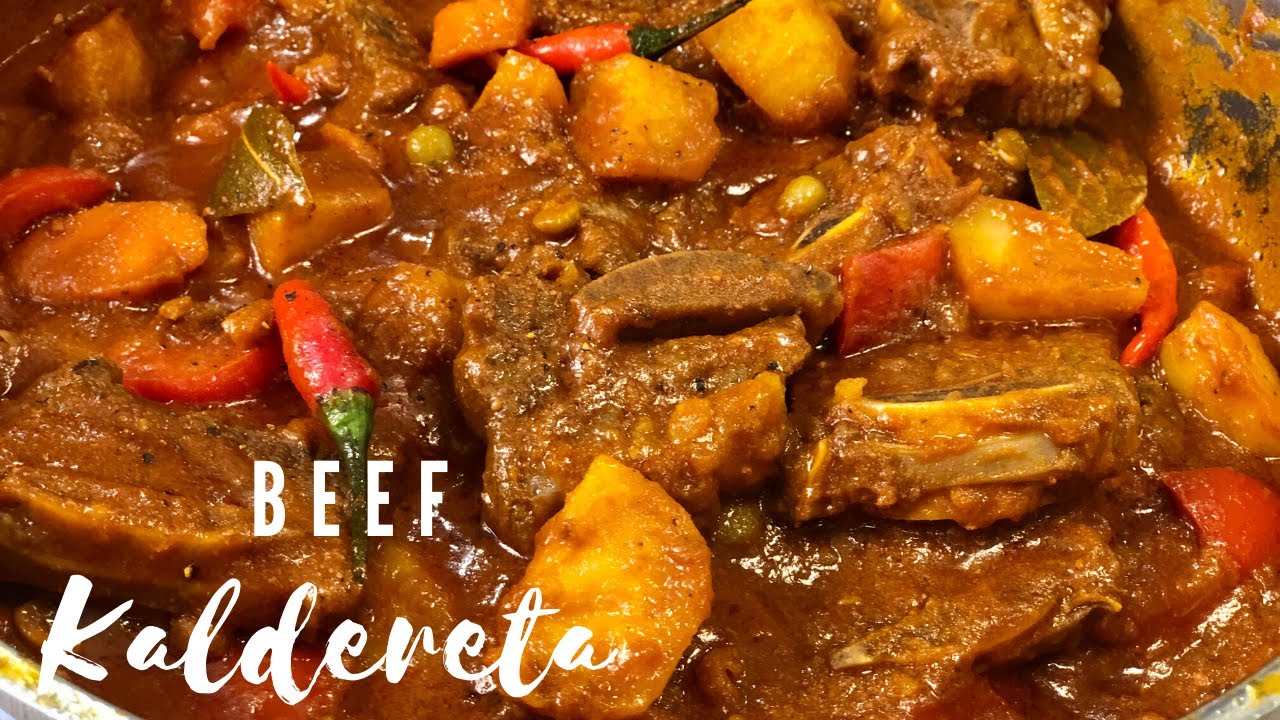
Kaldereta Recipe: If you’re craving a rich, hearty, and flavor-packed dish that screams comfort food, you can’t go wrong with Kaldereta. This Filipino stew is a timeless favorite known for its savory tomato base, tender chunks of beef (or goat), and bold layers of flavor from liver spread, bell peppers, and a touch of cheese. Whether it’s for a regular dinner or a festive occasion, Kaldereta brings everyone together around the table.
So, ready to learn how to cook Kaldereta from scratch? Stick with me, and I’ll walk you through each step, from prepping the meat to serving it with rice. Let’s bring the warmth of Filipino cuisine into your kitchen today!
What is Kaldereta?
Kaldereta, sometimes spelled as “caldereta,” is a classic Filipino meat stew made with beef, goat, or chicken. The name comes from the Spanish word “caldera,” which means cauldron, a nod to the Spanish influence on Filipino cuisine.
Think of Kaldereta as the Filipino version of a Western beef stew—but with a twist. It’s simmered in a thick tomato sauce, enriched with liver spread or pâté for depth, and often garnished with grated cheese. Add potatoes, carrots, and bell peppers, and you’ve got a dish that’s as colorful as it is flavorful.
It’s a staple at celebrations like birthdays, fiestas, and holidays, but it’s also a popular Sunday family meal. And the best part? It tastes even better the next day.
A Brief History of Kaldereta
Kaldereta traces its roots back to the Spanish colonial era in the Philippines. During the 300+ years of Spanish rule, many Spanish dishes were localized and adapted to Filipino taste and ingredients. Kaldereta was one such creation, inspired by Spanish meat stews but infused with Filipino flair.
Traditionally, goat meat (kambing) was used, especially in rural areas. Over time, beef became more popular, and modern variations now include chicken and even pork. The addition of liver spread—a unique touch—is purely Filipino, adding an umami-rich flavor that sets Kaldereta apart from other stews.
Today, Kaldereta represents a fusion of cultures, but it remains proudly Filipino at its core.
Why You’ll Love This Kaldereta Recipe
Let’s be honest—what’s not to love about a saucy, meaty dish loaded with hearty vegetables and rich, savory flavor?
Here’s why this recipe stands out:
- Easy to follow: Even if you’re a beginner, this step-by-step guide makes it super doable.
- Flexible ingredients: You can swap proteins or add veggies based on what’s in your fridge.
- Rich in flavor: Thanks to liver spread, tomato sauce, cheese, and spices.
- Meal-prep friendly: Make a big batch—it tastes even better the next day!
- Perfect for special occasions or everyday meals.
Whether you’re cooking for your family or impressing guests, this Kaldereta will definitely deliver the goods.
Traditional vs Modern Kaldereta
There are two general types of Kaldereta: traditional and modern.
Traditional Kaldereta:
- Uses goat meat
- Simmered longer for tenderness
- Less processed ingredients
- Often spicy and rustic
Modern Kaldereta:
- Commonly uses beef or chicken
- Includes processed cheese for creaminess
- Liver spread or pâté adds richness
- Less spicy, more balanced in flavor
Both versions are delicious—it’s just a matter of personal taste and what ingredients are available to you.
Ingredients You’ll Need
Ready to cook? Here’s your grocery checklist for a mouthwatering pot of Kaldereta:
Protein Options: Beef, Goat, or Chicken
- 1 kg beef chuck or brisket (cut into cubes)
- Optional: Goat meat (for a traditional version)
Vegetables for Kaldereta
- 2 medium carrots (sliced)
- 2 potatoes (cubed)
- 1 red bell pepper (sliced)
- 1 green bell pepper (sliced)
- 1 onion (chopped)
- 5 cloves garlic (minced)
Essential Condiments and Spices
- 1 cup tomato sauce
- 2 tbsp tomato paste
- 1-2 bay leaves
- 1 tbsp soy sauce
- Salt and pepper to taste
Optional Ingredients for Extra Flavor
- 1 small can of liver spread or pâté
- ½ cup grated cheese (Eden or cheddar)
- 2-3 bird’s eye chilies (optional, for heat)
- 1 tsp sugar (to balance acidity)
- 2 tbsp cooking oil
Kitchen Tools and Equipment
You don’t need fancy gadgets—just a few kitchen basics:
- Large pot or Dutch oven
- Chopping board
- Knife
- Ladle
- Measuring cups and spoons
- Wooden spoon for stirring
Having the right tools makes the whole process smoother and more enjoyable.
Preparation Tips Before Cooking
Before you jump into cooking, here are a few tips to get the best results:
- Cut ingredients uniformly: This ensures even cooking and better presentation.
- Soak meat in vinegar or calamansi (optional): Helps remove any gamey odor, especially if using goat.
- Have everything ready (mise en place): Chop veggies, measure condiments, and prep your meat.
- Pre-boil potatoes and carrots (optional): To prevent them from getting mushy during long simmering.
- Use fresh ingredients: This goes without saying—but the fresher, the better!
Step-by-Step Kaldereta Recipe
Now we get to the heart of it—let’s cook!
Step 1: Marinate the Meat
Begin by seasoning your meat with salt, pepper, and a splash of soy sauce. Let it sit for at least 20–30 minutes to soak up flavor. This simple marinade helps tenderize the meat and gives it a deeper taste right from the start.
Step 2: Sear the Meat
Heat oil in a pot over medium-high heat. Add the meat in batches, browning each side until caramelized. Searing locks in juices and creates a rich base for your sauce.
Step 3: Sauté Aromatics
In the same pot, sauté onions until soft, then add garlic. Cook until fragrant. These aromatics lift the flavor and enhance the overall taste of the stew.
Step 4: Add Tomato Sauce and Simmer
Pour in the tomato sauce and beef broth, then add bay leaves. Bring it to a boil before lowering the heat to a slow simmer. Allow the meat to cook until tender—this may take 45 minutes to 1 hour.
Step 5: Add Vegetables
Once the meat is nearly tender, add potatoes and carrots. Cook until the vegetables soften and blend with the sauce.
Step 6: Mix in Liver Spread and Cheese
Stir in liver spread and cheese to create a creamy, well-rounded sauce. This adds richness and signature Kaldereta flavor.
Step 7: Adjust Seasoning
Taste and adjust the salt, pepper, or soy sauce. Simmer briefly, then serve warm and enjoy!
Pro Tips for Perfect Kaldereta
If you want your Kaldereta to hit all the right notes—savory, rich, and comforting—then these insider tips will take your dish from good to unforgettable:
- Use bone-in meat – Cuts like beef shank or short ribs bring extra depth to the broth because of the marrow.
- Don’t skip the liver spread – This is the soul of Kaldereta. If you can’t find it, pâté or mashed chicken liver can be used.
- Balance the flavors – Kaldereta has acidic tomato sauce, salty cheese, savory liver, and a hint of sweetness. Make sure no flavor overwhelms the others.
- Add chili gradually – If you want heat, start slow. Bird’s eye chili packs a punch.
- Rest before serving – Let the stew sit for 10–15 minutes off the heat before serving. It allows the flavors to settle beautifully.
- Cook in advance – Like most stews, Kaldereta tastes even better the next day after the flavors have had time to mingle.
The magic of Kaldereta lies in layering flavor. Give it time and love—and your tastebuds will thank you.
How to Customize Kaldereta
Kaldereta is one of those dishes you can totally tweak to suit your taste or pantry situation. Here’s how to make it your own:
Different Meats
- Goat (Kambing) – The OG Kaldereta choice. More gamey, but deeply flavorful.
- Chicken – For a quicker cook and a lighter dish.
- Pork – Works well, though less common.
- Vegan – Use jackfruit or mushrooms and skip the liver/cheese.
Cheese Varieties
- Processed cheese like Eden adds a creamy texture.
- Cheddar gives a sharper flavor.
- Skip cheese for a traditional, non-creamy version.
Spice Levels
- Mild: No chili at all
- Medium: 1–2 bird’s eye chilies
- Spicy: 3 or more (you daredevil!)
Sauce Variations
- Add coconut milk – For a Bicol-inspired twist.
- Use red wine – A Spanish influence for depth.
- Add olives or pickles – For a tangy contrast.
Make Kaldereta work for you—there are no hard rules, just hearty flavors waiting to be explored.
Serving Suggestions
Once your Kaldereta is hot, creamy, and ready to go, here’s how to serve it up like a pro:
- Always with rice – That thick sauce demands it. Steamed white rice is the classic.
- Top with extra cheese – For that gooey finish.
- Serve with a side of crusty bread – Perfect for wiping the plate clean.
- Sprinkle with chopped parsley or green onions – For a fresh contrast to the rich stew.
- Pair with something cold – A cold soda, iced tea, or even a light beer balances the warmth of the dish.
Presentation matters, too! Serve in a deep bowl to showcase that saucy goodness.
What to Serve with Kaldereta
This dish is bold and filling, but pairing it with the right sides can make your meal even more satisfying. Here are some crowd-pleasers:
Side Dishes
- Garlic fried rice – Adds a flavorful punch.
- Atchara (pickled papaya) – Cuts through the richness.
- Grilled eggplant or ensaladang talong – Smoky and refreshing.
- Lumpia (Filipino spring rolls) – For added crunch and fun.
Beverages
- Calamansi juice – Tart and sweet, perfect for balance.
- San Miguel Beer – A Filipino favorite.
- Lemon iced tea – Refreshing and simple.
When in doubt, just keep it simple—Kaldereta is already a star.
How to Store and Reheat Kaldereta
You made a big batch (smart move!), and now you’ve got leftovers. Here’s how to keep them tasting amazing:
Storing
- Refrigerator: Store in an airtight container for up to 4–5 days.
- Freezer: Kaldereta freezes beautifully. Use freezer-safe containers and store for up to 3 months.
Reheating
- Stovetop: Simmer over low heat with a splash of water or broth.
- Microwave: Heat in intervals, stirring in between to avoid cold spots.
Pro tip: Kaldereta thickens in the fridge. Add a bit of broth or water while reheating to bring back that perfect consistency.
Common Mistakes to Avoid
To make sure your Kaldereta is the stuff of legends, watch out for these common slip-ups:
- Using the wrong cut of meat – Lean beef dries out. Use cuts like chuck or brisket for best results.
- Overcooking the vegetables – Nobody wants mushy potatoes. Add them at the right time.
- Not browning the meat – This adds that rich, meaty flavor you don’t want to skip.
- Too much tomato sauce – It can overpower the dish. Balance with liver spread and cheese.
- Skipping the simmer time – Let the meat tenderize and flavors blend.
Treat Kaldereta like a slow dance—unrushed and full of passion.
Healthier Alternatives for Kaldereta
Love Kaldereta but watching your diet? No problem. Here’s how to make it a bit lighter without sacrificing flavor:
Health Swaps
- Lean meats – Use chicken breast or lean beef cuts.
- Skip the cheese – Or use reduced-fat alternatives.
- Go easy on oil – Sauté with less or opt for non-stick pans.
- Low-sodium broth and sauces – To control salt levels.
- More veggies – Bulk up with zucchini, green beans, or mushrooms.
You can still enjoy a comforting bowl of Kaldereta, guilt-free.
FAQs about Kaldereta Recipe
1. Can I make Kaldereta in a slow cooker?
Yes! Just sear the meat and sauté the aromatics first, then transfer everything to the slow cooker. Cook on low for 6–8 hours.
2. Is liver spread necessary for Kaldereta?
While it’s traditional and adds rich flavor, you can skip it if you’re not a fan. The dish will still be delicious but less complex.
3. Can I freeze Kaldereta?
Absolutely. Store in airtight containers and freeze for up to 3 months. It reheats beautifully.
4. What cheese is best for Kaldereta?
Filipino processed cheese (like Eden) is commonly used, but cheddar or even cream cheese works for a creamier twist.
5. How do I fix Kaldereta that’s too salty?
Add a bit of sugar or cream, or toss in some potatoes to absorb the salt. You can also dilute it with unsalted broth.
Conclusion
Kaldereta is more than just a stew—it’s a warm hug from Filipino kitchens, rich in history, culture, and flavor. From its humble goat-meat origins to its modern-day cheesy beef variations, this dish has evolved beautifully. And now, you’ve got everything you need to master it—from picking the right ingredients, prepping like a pro, and cooking step-by-step, to adding your own spin.
So go ahead—cook it up, serve it proudly, and maybe even teach it to someone else. That’s the real beauty of food like Kaldereta. It brings people together.