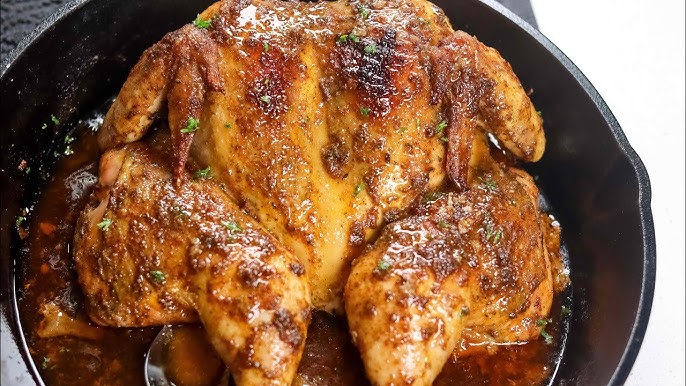
Juicy Roasted Chicken Recipe: If there’s one meal that never goes out of style, it’s juicy roasted chicken. It’s comforting, impressive, budget-friendly, and endlessly versatile. Whether you’re cooking for family dinner, meal prepping for the week, or hosting guests, roasted chicken is the kind of dish that always delivers.
But let’s be honest—dry roasted chicken is a heartbreak. Nobody wants meat that tastes like cardboard. The goal is crispy golden skin on the outside and tender, juicy meat on the inside. That’s exactly what this guide gives you.
This isn’t a rushed recipe. It’s a complete, professional, step-by-step master guide that shows you how to roast chicken perfectly every single time.
Let’s get into it.
Why Juicy Roasted Chicken Is a Kitchen Essential
Why everyone loves roasted chicken
Roasted chicken is universal. Every culture has its own version because it checks every box:
- Easy to prepare
- Feeds many people
- Affordable protein
- Pairs with almost any side dish
It’s simple food done right—and when done right, it’s unforgettable.
What makes a roasted chicken truly juicy
Moisture retention
Juiciness comes down to keeping moisture inside the meat. Once moisture escapes, the chicken dries out. Everything in this recipe—from seasoning to temperature—focuses on moisture control.
Proper heat control
Too hot? The outside burns before the inside cooks.
Too low? The chicken dries out slowly.
The sweet spot is balanced heat, and you’ll learn exactly how to hit it.
Choosing the Right Chicken
Whole chicken vs parts
For the juiciest results, a whole chicken is best. The bones and skin protect the meat and keep it moist. Chicken parts cook faster but dry out easier.
Fresh vs frozen chicken
Fresh chicken is ideal, but frozen works fine if fully thawed. Never roast a partially frozen chicken—it cooks unevenly and dries out.
Ideal chicken size for roasting
The sweet spot is 1.3–1.8 kg (3–4 pounds).
Smaller chickens cook faster and stay juicier. Larger birds need more careful temperature control.
Ingredients You’ll Need
Main ingredients
- 1 whole chicken (3–4 lb / 1.3–1.8 kg)
- Olive oil or melted butter
Herbs and aromatics
- Fresh rosemary
- Fresh thyme
- Fresh parsley
- Garlic cloves
- Onion
- Lemon
Seasonings
- Salt (very important)
- Black pepper
- Paprika
- Garlic powder
- Onion powder
Optional flavor boosters
- Smoked paprika
- Chili flakes
- Honey
- Mustard
- Soy sauce (for umami depth)
Essential Tools for Perfect Roasted Chicken
Roasting pan
A sturdy roasting pan allows heat circulation and prevents soggy bottoms.
Meat thermometer
This is non-negotiable if you want juicy chicken. Guessing leads to dryness.
Kitchen twine
Used for trussing, which helps the chicken cook evenly.
Basting brush
Optional, but helpful for even browning.
Preparing the Chicken Before Roasting
Cleaning and drying
Remove giblets from the cavity. Rinse briefly if needed, then pat completely dry with paper towels.
Why patting dry matters
Dry skin = crispy skin.
Moist skin = rubbery skin.
Trussing the chicken
How trussing improves juiciness
Trussing keeps the legs and wings close to the body so they cook at the same rate as the breast. Even cooking = juicy meat.
The Secret to Ultra-Juicy Roasted Chicken
Dry brining explained
Dry brining means salting the chicken hours before cooking. Salt penetrates the meat, breaking down proteins and locking in moisture.
👉 Salt the chicken and leave it uncovered in the fridge for 12–24 hours if possible.
Butter vs oil
- Butter = rich flavor, golden skin
- Oil = higher smoke point, crispier skin
Best option? Use both.
Herb butter technique
Mix softened butter with garlic, herbs, salt, and pepper. Gently loosen the skin and spread the butter underneath. This melts into the meat as it roasts.
Step-by-Step Guide to Juicy Roasted Chicken
Step 1 – Preheat the oven
Preheat to 220°C / 425°F. A hot oven jump-starts browning.
Step 2 – Season generously
Season inside and outside with salt and spices. Don’t be shy—this is a whole bird.
Step 3 – Stuff with aromatics
Fill the cavity with:
- Lemon halves
- Garlic cloves
- Onion
- Fresh herbs
This perfumes the meat from the inside.
Step 4 – Truss and oil
Tie the legs together and tuck the wings underneath. Rub oil or butter all over the skin.
Step 5 – Roast to perfection
Place breast-side up on a rack or vegetables. Roast uncovered.
Step 6 – Baste properly
After 30 minutes, baste once or twice. Don’t open the oven too often—it drops the temperature.
Step 7 – Check doneness
Insert thermometer into the thickest part of the thigh.
Target temperature: 74°C / 165°F
Step 8 – Rest before carving
Rest for 15–20 minutes. This allows juices to redistribute instead of spilling out.
Oven Temperature and Timing Explained
High-heat vs low-heat roasting
- High heat = crispy skin
- Moderate heat = juicy meat
Best method: Start hot, finish slightly lower
Time chart by chicken weight
- 3 lb: 60–70 minutes
- 4 lb: 75–90 minutes
Always rely on temperature, not time alone.
How to Know When Roasted Chicken Is Done
Internal temperature guide
- Breast: 74°C / 165°F
- Thigh: 77–80°C / 170–175°F
Visual doneness cues
- Juices run clear
- Skin is golden brown
- Legs move easily
Common Roasted Chicken Mistakes to Avoid
Overcooking
The fastest way to ruin chicken. Use a thermometer.
Under-seasoning
Chicken needs salt. A lot more than you think.
Skipping resting time
Cutting too soon drains all the juices.
Flavor Variations
Garlic butter roasted chicken
Extra garlic + butter = rich, savory perfection.
Lemon herb roasted chicken
Bright, fresh, and perfect for summer meals.
Spicy roasted chicken
Add chili powder, cayenne, and smoked paprika.
Honey mustard roasted chicken
Sweet, tangy glaze brushed in the last 15 minutes.
Side Dishes That Pair Perfectly
Classic sides
- Roasted potatoes
- Mashed potatoes
- Steamed vegetables
Healthy sides
- Green salad
- Roasted broccoli
- Quinoa
Comfort-food sides
- Mac and cheese
- Buttered rice
- Cornbread
Carving the Chicken Like a Pro
Tools needed
- Sharp knife
- Cutting board
Step-by-step carving
- Remove legs
- Separate thighs and drumsticks
- Slice breasts against the grain
- Serve immediately
Storing and Reheating Roasted Chicken
Refrigerator storage
Store in airtight container for 3–4 days.
Freezing roasted chicken
Freeze portions for up to 3 months.
Best reheating methods
- Oven at 180°C / 350°F
- Covered to retain moisture
Avoid microwaving if possible—it dries out the meat.
Nutritional Benefits of Roasted Chicken
Protein content
Chicken is a high-quality protein that supports muscle growth and satiety.
Calories and macros
Roasted chicken is naturally low-carb and fits most diets.
FAQs about Juicy Roasted Chicken Recipe
1. How do I keep roasted chicken from drying out?
Use a meat thermometer to avoid overcooking, apply a dry brine (salt ahead of time), and always rest the chicken for 10–15 minutes after roasting. Resting allows the juices to redistribute, keeping the meat moist.
2. Can I roast chicken without a rack?
Yes. Place the chicken on a bed of vegetables like onions, carrots, or celery. This lifts the bird off the pan, improves air circulation, and adds flavor to the drippings.
3. Should I cover chicken while roasting?
No. Roast the chicken uncovered to achieve crispy, golden skin. Covering traps steam, which softens the skin and prevents browning.
4. Can I season chicken the night before?
Absolutely. Seasoning in advance allows the salt to penetrate the meat, improving flavor and juiciness. Keep the chicken uncovered in the fridge for best skin texture.
5. What’s the best oil for roasted chicken?
Olive oil, avocado oil, or butter all work well. Olive and avocado oils handle heat nicely, while butter adds rich flavor—often best added during or after roasting.
Conclusion
Mastering juicy roasted chicken isn’t about luck—it’s about technique. With the right seasoning, temperature control, and resting time, you can turn a simple chicken into a show-stopping meal every time. This recipe isn’t just dinner—it’s a skill you’ll use for life.