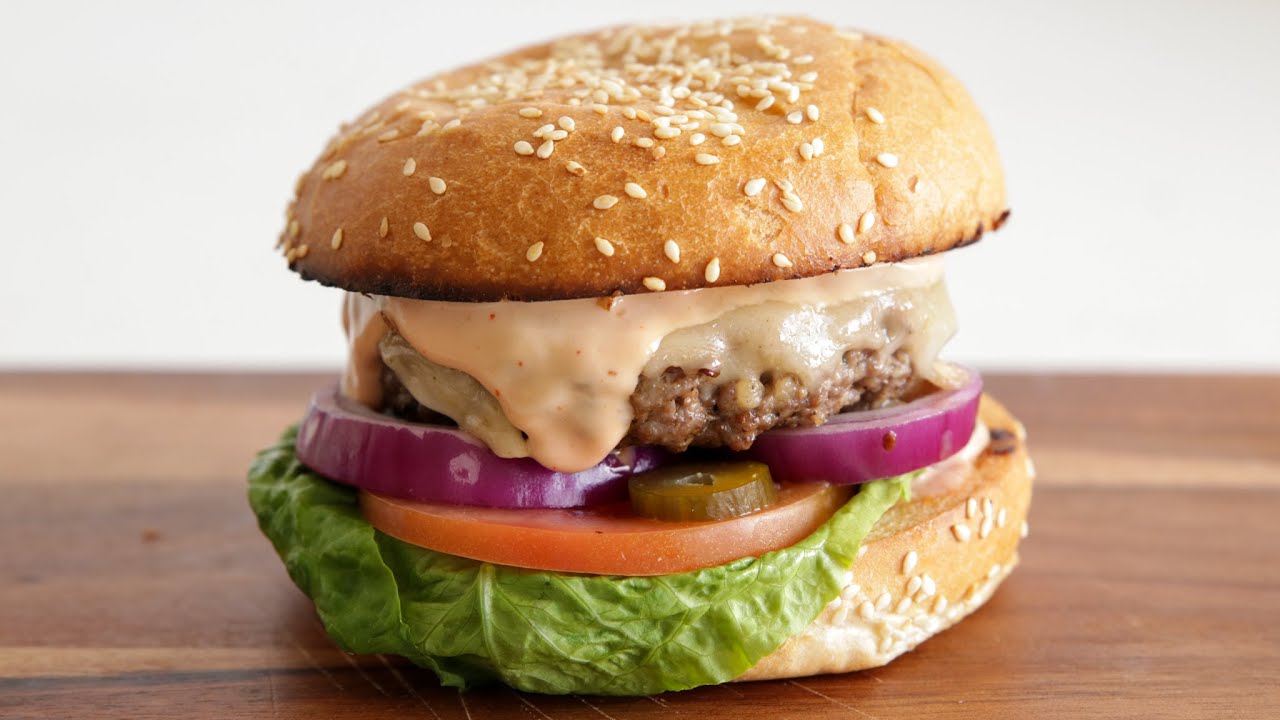
A juicy burger recipe starts with the right beef, the right seasoning, and the right cooking method. When we want a burger that tastes rich, tender, and deeply satisfying, we must focus on every detail, from the meat ratio to the resting time after cooking. A great burger is never dry, bland, or overworked. It is flavorful, moist, and beautifully seared on the outside while remaining succulent inside.
This guide walks us through everything we need to prepare the perfect homemade juicy burger, including the best ingredients, shaping tips, cooking steps, and serving ideas. Whether we are cooking indoors on a skillet or outdoors on a grill, this method gives us a burger that is packed with flavor and delivers the ideal bite every time.
Ingredients You’ll Need
To make the best juicy burger recipe, we need simple ingredients that work together to create a rich and tender result.
For the Burger Patties
- 1 pound ground beef (80/20 blend for the best juiciness)
- 1 teaspoon salt
- 1/2 teaspoon black pepper
- 1/2 teaspoon garlic powder
- 1/2 teaspoon onion powder
- 1 teaspoon Worcestershire sauce
- 1 tablespoon cold butter, grated or finely chopped (optional for extra juiciness)
For Serving
- 4 burger buns
- 4 slices cheddar cheese or preferred cheese
- 1 tomato, sliced
- 1 red onion, sliced
- Lettuce leaves
- Pickles
- Ketchup
- Mustard
- Mayonnaise
Optional Toppings
- Caramelized onions
- Crispy bacon
- Avocado slices
- Jalapeños
- Barbecue sauce
- Fried egg
Why This Juicy Burger Recipe Works
The secret to a truly juicy burger is the fat content in the meat. Ground beef with an 80/20 ratio contains enough fat to keep the patty moist during cooking. Leaner beef may sound healthier, but it often produces burgers that turn dry and crumbly. Fat adds flavor, tenderness, and that classic burger richness that makes every bite satisfying.
Another important detail is how we handle the meat. Overmixing the beef makes the burger dense and tough. Gentle handling keeps the texture soft and loose. A light touch is one of the biggest differences between an average burger and a restaurant-style burger.
Cooking time also matters. Overcooked burgers lose moisture quickly. When we cook the patties just until done and allow them to rest briefly, the juices stay inside the meat where they belong.
How to Choose the Best Meat for Juicy Burgers
For the most flavorful homemade burger recipe, ground chuck is usually the best choice. It has enough fat to stay moist without becoming greasy. Freshly ground beef gives the best texture, but any good-quality store-bought ground beef with an 80/20 fat ratio works very well.
If we want an even richer flavor, we can blend cuts. Some cooks combine chuck with brisket or short rib. This produces a deeper beef taste and a slightly more luxurious texture. For most home kitchens, though, plain ground chuck is more than enough for an excellent burger.
Cold meat is also important. When the beef stays cold, the fat remains firm. That helps the patties hold their shape and cook more evenly.
How to Season Burger Patties Properly
A perfect juicy burger recipe does not need complicated seasoning. Beef should remain the star. Salt, black pepper, garlic powder, onion powder, and Worcestershire sauce create a strong savory base without overpowering the natural flavor of the meat.
We should season evenly but avoid overworking the mixture. Once the seasoning is lightly combined, we stop mixing. The goal is a tender patty, not a compact meatball.
For even more richness, a small amount of grated cold butter can be added to the beef. This helps create a slightly more succulent interior, especially when cooking on a skillet.
Step-by-Step Guide for Juicy Burger
Step 1: Prepare the Beef Mixture
Place the ground beef in a large bowl. Add the salt, black pepper, garlic powder, onion powder, and Worcestershire sauce. If using butter, add it now.
Gently mix with clean hands or a fork until the seasonings are just combined. Do not squeeze or mash the meat too much. A light mix keeps the burger tender.
Step 2: Divide and Shape the Patties
Divide the meat into 4 equal portions. Roll each portion loosely into a ball, then flatten into patties about 3/4 inch thick. The patties should be slightly larger than the buns because they will shrink during cooking.
Press a shallow dent into the center of each patty with your thumb. This helps the burger cook more evenly and prevents it from puffing up in the middle.
Step 3: Chill the Patties
Place the patties on a tray or plate and chill them in the refrigerator for 15 to 20 minutes. This helps them firm up and hold their shape during cooking.
Cold patties also develop a better crust because the fat melts more gradually once they hit the hot surface.
Step 4: Prepare the Cooking Surface
Heat a cast-iron skillet, grill pan, or outdoor grill over medium-high heat. A hot surface is essential for creating the browned crust that gives burgers their bold flavor.
If using a skillet, add a very small amount of oil only if needed. If using a grill, clean and oil the grates lightly to prevent sticking.
Step 5: Cook the Patties
Place the patties onto the hot surface. Let them cook undisturbed for about 3 to 4 minutes on the first side. This helps form a rich, caramelized crust.
Flip the patties once and cook the second side for another 3 to 4 minutes for medium doneness. If adding cheese, place a slice on each patty during the last minute of cooking and cover briefly so it melts.
Avoid pressing down on the patties with a spatula. That forces the juices out and makes the burger drier.
Step 6: Toast the Buns
While the patties finish cooking, split the burger buns and toast them lightly on the skillet or grill. Toasted buns add texture and prevent the bread from becoming soggy once sauces and juices are added.
A soft bun with a lightly crisp interior creates the best contrast with a juicy burger.
Step 7: Rest the Burgers
Transfer the burgers to a plate and let them rest for 3 to 5 minutes. This short resting time allows the juices to settle back into the meat.
Skipping this step often causes the juices to spill out too quickly once the burger is bitten or cut.
Step 8: Assemble the Juicy Burgers
Spread mayonnaise, ketchup, or mustard on the toasted buns as desired. Add lettuce, the burger patty, tomato slices, onion, and pickles. Finish with the top bun and serve immediately.
The layering order can vary, but placing lettuce beneath the patty often helps protect the bottom bun from excess moisture.
Best Tips for Making the Perfect Juicy Burger
A great juicy burger recipe depends on technique as much as ingredients. These practical tips improve the final result every time:
Use Cold Beef
Cold meat is easier to shape and holds its fat better while cooking.
Do Not Overmix
Mixing too much creates dense and chewy patties.
Make a Thumb Indent
A small dent in the center helps the burger stay flat and cook evenly.
Cook Over High Heat
A hot cooking surface develops a flavorful crust without drying out the inside.
Flip Only Once
Constant flipping prevents a strong sear from forming.
Do Not Press the Patties
This is one of the fastest ways to lose juices and flavor.
Let the Burger Rest
A short rest helps preserve moisture and improves texture.
Skillet vs Grill: Which Method Is Better?
A cast-iron skillet gives excellent browning and helps trap the rendered fat around the burger. This creates a rich crust and makes it easier to produce consistent results indoors. If we want a deeply savory burger with strong caramelization, skillet cooking is a great choice.
A grill adds smoky flavor and that classic outdoor burger character. It is ideal for cookouts and warm-weather meals. The choice depends on preference, but both methods can produce a superb juicy burger when the cooking time is controlled properly.
Best Cheese for a Juicy Burger Recipe
Cheese adds creaminess, saltiness, and extra richness. Cheddar is a classic option because it melts well and has a bold flavor. American cheese creates the smoothest melt and gives a true diner-style burger feel. Swiss, pepper jack, and blue cheese also work well for different flavor profiles.
The best cheese depends on the style of burger we want, but it should complement the beef rather than overpower it.
Burger Topping Ideas That Add Flavor
Toppings can turn a simple burger into a more exciting meal. For a classic burger, lettuce, tomato, onion, and pickles are enough. For something bolder, we can add caramelized onions, crispy bacon, jalapeños, or barbecue sauce.
Creamy toppings such as avocado or a burger sauce also pair well with juicy beef. When choosing toppings, balance is important. Too many wet toppings can overwhelm the bun and make the burger messy.
What to Serve with Juicy Burgers
A juicy burger recipe becomes even better when paired with the right side dishes. Some excellent serving options include:
- French fries
- Sweet potato fries
- Potato wedges
- Coleslaw
- Onion rings
- Corn on the cob
- Simple green salad
- Baked beans
These sides complete the meal without distracting from the burger itself.
How to Store and Reheat Burger Patties
If we have leftover cooked patties, they can be stored in an airtight container in the refrigerator for up to 3 days. To reheat, warm them gently in a skillet over medium-low heat or in the oven until heated through.
Uncooked patties can also be shaped ahead and refrigerated for up to 24 hours. Keeping them covered prevents them from drying out. They can also be frozen for longer storage.
Common Mistakes to Avoid
Even a simple burger recipe can go wrong if a few details are missed. These are the most common mistakes:
- Using beef that is too lean
- Overmixing the meat
- Making patties too thin
- Cooking over low heat
- Pressing the patties while cooking
- Overcooking the burgers
- Skipping the resting time
- Using untoasted buns
Avoiding these mistakes improves flavor, texture, and appearance immediately.
FAQs about Juicy Burger Recipe
1. What makes a burger juicy?
A juicy burger usually comes from using ground beef with enough fat, such as 80/20 beef. In addition, careful cooking helps keep the meat tender and full of flavor.
2. Should I use fresh or frozen beef?
Fresh ground beef is usually best because it gives better texture and flavor. However, frozen beef can still work if it is thawed properly before cooking.
3. How do I keep burgers from drying out?
Avoid overmixing the meat and do not press the patties while cooking. Also, cook them just until done, since overcooking can make them dry.
4. What seasonings are best for a juicy burger?
Simple seasonings like salt, black pepper, garlic powder, and onion powder work very well. This keeps the burger flavorful without overpowering the meat.
5. Should I add eggs or breadcrumbs to burger patties?
For classic burgers, it is usually best not to add eggs or breadcrumbs. This helps the patties keep a more natural, beefy texture.
6. What type of bun works best?
Brioche buns, potato buns, or soft burger buns are great choices. They hold the burger well and stay soft while supporting the juicy patty.
7. What toppings go well with a juicy burger?
Popular toppings include cheese, lettuce, tomato, onions, pickles, bacon, and burger sauce. As a result, you can easily customize the burger to your taste.
8. How do I know when the burger is done?
The burger is done when the center reaches your preferred level of cooking. Letting it rest for a few minutes also helps keep the juices inside.
Final Thoughts
This juicy burger recipe delivers everything we want in a homemade burger: a tender interior, a flavorful crust, and the perfect balance of beef, seasoning, cheese, and toppings. With quality meat, gentle handling, and the right cooking time, we can make burgers that taste far better than ordinary fast-food versions.
The beauty of this recipe is its simplicity. It uses familiar ingredients, a clear method, and reliable techniques that produce excellent results. Once we master this approach, we can customize it with different cheeses, toppings, and sauces while still keeping the burger moist and delicious.
A truly great burger does not need unnecessary extras. It needs proper seasoning, careful cooking, and respect for the ingredients. When we follow these steps, we get a burger that is juicy, rich, and deeply satisfying from the first bite to the last.