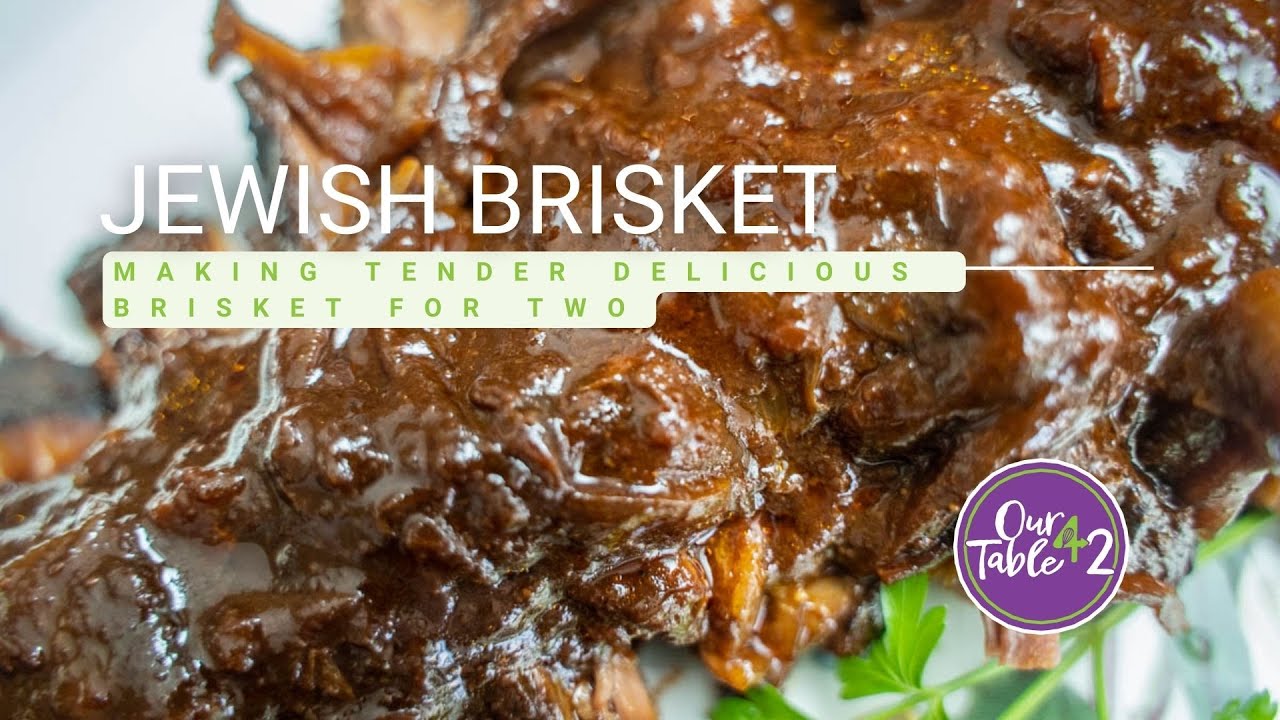
Jewish Brisket Recipe: Brisket isn’t just another meat dish. It’s a cultural centerpiece in Jewish homes. It tells stories of family gatherings, holiday feasts, and recipes handed down like precious heirlooms. Unlike a typical Sunday roast, Jewish brisket is steeped in both flavor and history.
Why Brisket Holds a Special Place in Jewish Cuisine
Traditionally, brisket became a Jewish staple because it was a cheaper, tougher cut of meat that could be transformed into something spectacular through slow cooking. It’s especially beloved among Ashkenazi Jews, where it is often served during major holidays like Passover, Rosh Hashanah, and Hanukkah. The long cooking time made it perfect for preparing before the Sabbath, where no cooking is allowed.
When is Brisket Traditionally Served?
You’ll usually find brisket front and center during high holidays, Shabbat dinners, and other festive family gatherings. It symbolizes abundance, comfort, and tradition. While it’s served year-round, there’s something magical about slicing into a tender, juicy brisket surrounded by roasted veggies during a holiday dinner.
Ingredients Needed for Jewish Brisket
Getting the ingredients right is half the battle. This isn’t a time to cut corners. Jewish brisket relies on simple yet bold ingredients that build deep flavor over hours.
Choosing the Right Cut of Meat
Go for a first cut brisket, also known as the flat cut. It’s leaner and slices beautifully. You might also encounter the second cut, which has more fat and connective tissue—great for those who love rich, fall-apart meat.
Choose a brisket that’s 4-6 pounds for a family meal. This size is perfect for feeding 6-8 people and ensures even cooking.
Essential Spices and Vegetables
Here’s what you’ll need:
- 1 brisket (4-6 lbs)
- 2 tablespoons kosher salt
- 1 tablespoon black pepper
- 2 teaspoons paprika
- 1 teaspoon garlic powder
- 2-3 onions (sliced)
- 4-5 carrots (chopped)
- 4-5 garlic cloves (minced)
- 1 cup beef broth
- 1 cup red wine (optional but recommended)
- 1 can (14 oz) crushed tomatoes or tomato paste
- A few sprigs of thyme or rosemary (optional)
These ingredients form a rich base that cooks down into a flavorful sauce as the brisket slowly roasts.
Preparing the Brisket
Preparation is where the magic starts. It sets the foundation for that melt-in-your-mouth experience.
Cleaning and Trimming the Brisket
Start by rinsing the brisket under cold water and patting it dry. Trim off any excess fat, but don’t go overboard—you want some fat for flavor and moisture during the long roast.
Place it on a cutting board and let it sit for 15–20 minutes to bring it to room temperature. This helps with even cooking and better searing.
Seasoning and Marinating Tips
Mix your salt, pepper, paprika, and garlic powder, then rub this mixture all over the brisket. Be generous—this forms the outer crust and brings big flavor.
For even more depth, marinate overnight in the fridge. You can use a mix of garlic, onion, red wine, and broth as a marinade. Wrap it tightly in foil or a resealable bag.
If you’re short on time, a two-hour rest at room temperature after seasoning will still make a big difference.
Cooking Methods
There are multiple ways to cook a brisket, but Jewish brisket is almost always slow-cooked to tender perfection.
Oven-Baked Brisket (Traditional Style)
The classic way is in a roasting pan covered tightly with foil or in a Dutch oven. Low and slow is the rule: 325°F (163°C) for 3.5 to 4 hours. The juices from the onions, tomatoes, wine, and broth create a rich, savory sauce.
The key is patience. The meat breaks down slowly, becoming fork-tender without drying out.
Slow Cooker Option for Convenience
No oven? No problem. Place everything in a slow cooker, and cook on low for 8-10 hours or high for 4-6 hours. It’s perfect for busy days or if you’re prepping for a crowd and don’t want to babysit your oven.
The result is just as tender, though you might miss out on the deeper caramelization that the oven provides.
Step-by-Step Instructions
Let’s break down the actual process into actionable, easy-to-follow steps. This is where your brisket truly comes to life.
Preparation (Night Before or Early Morning)
Start your brisket journey the night before if you can—it gives the flavors time to soak into the meat. If you’re short on time, prep in the early morning.
- Trim the Brisket: Remove large fat caps but leave some for flavor.
- Rub and Rest: Coat the brisket with your seasoning rub generously. Cover and let it rest in the fridge overnight or at least for a few hours.
- Slice the Onions and Chop the Veggies: Prepare your onions, carrots, garlic, and any additional aromatics.
- Preheat Oven: If baking, preheat your oven to 325°F (163°C).
This early prep ensures your meat is seasoned deeply and your hands are free when it’s time to cook.
Searing and Browning for Flavor
This is a non-negotiable step if you’re after restaurant-level brisket. Searing creates a golden crust that adds richness to every bite.
- Heat a large skillet or Dutch oven over medium-high heat with a bit of oil.
- Sear the brisket for 4-5 minutes on each side until it’s brown and crusty. Don’t skip this!
- Remove and set aside. In the same pan, sauté your onions and garlic until caramelized—this adds serious depth to the flavor base.
Pour a bit of red wine or broth into the hot pan to deglaze and scrape up all those flavorful brown bits. That’s brisket gold.
Long Slow Roast with Vegetables
Now we’re talking slow, steady magic.
- Layer the Veggies: Place onions, carrots, and garlic in a roasting pan.
- Add the Brisket: Set the seared brisket on top of the vegetables.
- Pour in the Liquid: Add beef broth, red wine, and crushed tomatoes or paste.
- Cover Tightly: Use foil or a tight lid to keep moisture in.
- Roast for 3.5 to 4.5 Hours: Let it cook low and slow. Check at the 3.5-hour mark with a fork—if it’s not tender yet, give it more time.
After roasting, resist the urge to serve right away. Let it rest covered for 30 minutes so the juices redistribute.
Tips for the Best Jewish Brisket
Even with the right ingredients and timing, a few tricks can elevate your brisket from good to unforgettable.
Resting Time is Crucial
Brisket continues to cook slightly even after it’s out of the oven. More importantly, resting allows the juices to settle back into the meat rather than spilling out onto the cutting board. Wrap it loosely in foil and let it rest at least 30 minutes—an hour is even better.
Cutting Against the Grain
Always slice brisket against the grain. This means cutting perpendicular to the natural lines running through the meat. It makes a world of difference in tenderness.
To do this:
- Look for the direction of the muscle fibers.
- Turn your brisket so the fibers run horizontally.
- Use a sharp carving knife to make thin slices vertically across those fibers.
Pro tip: If your brisket has both first and second cuts, separate them before slicing because the grain runs differently in each.
Serving Suggestions
Brisket deserves some show-stopping sidekicks. These traditional and modern ideas complete the experience.
Classic Side Dishes to Pair With Brisket
- Potato Kugel – Crisp on the outside, soft inside.
- Roasted Root Vegetables – Carrots, parsnips, and turnips cooked in brisket juices.
- Matzo Ball Soup – Perfect for a holiday feast.
- Challah Bread – For soaking up all that savory gravy.
- Latkes (Potato Pancakes) – Crisp, golden, and fantastic with brisket drippings.
You can also go lighter with a green salad or roasted asparagus for balance.
Plating and Presentation Tips
Presentation doesn’t need to be fancy—just heartfelt.
- Arrange sliced brisket on a platter, fan it out like a deck of cards.
- Spoon some of the sauce and vegetables over the top.
- Garnish with chopped parsley or thyme for a pop of color.
Whether it’s a Shabbat dinner or a Passover table, a beautifully plated brisket will always impress.
Leftovers and Storage
Let’s be honest—brisket leftovers might be even better the next day. The flavors deepen overnight, and you can get creative with how you use them.
Storing and Reheating Tips
Proper storage keeps your brisket juicy and delicious for days.
- Refrigerate: Store in an airtight container with its juices. It’ll keep for 3–4 days.
- Freeze: Slice it first, then freeze with some sauce in a zip-top freezer bag or airtight container. It can last up to 3 months.
- Reheat Gently: For best results, reheat slices in a baking dish covered with foil at 300°F for about 20–30 minutes. Add a splash of broth or sauce to keep it moist.
Avoid microwaving unless you’re in a hurry—it can dry out the meat and make it rubbery.
Creative Ideas for Leftover Brisket
You don’t have to eat brisket the same way twice. Here are a few delicious ways to repurpose leftovers:
- Brisket Sandwiches – Stack slices on challah rolls with pickles and mustard.
- Brisket Tacos – Add brisket to warm tortillas with salsa, slaw, and a squirt of lime.
- Brisket Hash – Chop it up and fry with potatoes, onions, and eggs.
- Pasta or Risotto – Stir into creamy sauces or tomato-based pastas.
- Brisket Soup – Add chopped brisket to a hearty vegetable soup base.
Leftovers don’t have to be boring—they’re another chance to make something amazing.
FAQs about Jewish Brisket Recipe
Can I make brisket ahead of time?
Yes! In fact, brisket often tastes better the next day. Cook it fully, let it cool, then refrigerate overnight. Reheat gently the next day and slice just before serving.
What if my brisket is tough?
If it’s tough, it likely needs more time. Return it to the oven or slow cooker and let it cook longer. Brisket becomes tender when the connective tissue fully breaks down—which only happens with extended slow cooking.
Can I freeze cooked brisket?
Absolutely. Freeze it in slices with some of the sauce to retain moisture. Thaw in the fridge overnight and reheat in a low oven with foil to prevent drying out.
What wine pairs best with brisket?
A bold red wine like Cabernet Sauvignon, Merlot, or Zinfandel pairs wonderfully with the deep, meaty flavors of brisket. These wines complement the richness without overwhelming the dish.
How do I know when brisket is done?
When a fork slides in easily and the meat is tender but not falling apart, it’s done. You can also use a meat thermometer—an internal temp of 190–205°F (88–96°C) is ideal for fork-tender brisket.
Conclusion
Jewish brisket isn’t just a meal—it’s a tradition, a comfort food, and a symbol of togetherness. From the careful prep to the long slow roast and the rich aromas that fill the kitchen, every part of the process invites warmth and connection.
This dish has stood the test of time for good reason. It brings families together, sparks nostalgia, and delivers flavor that’s deep, rich, and unforgettable. Whether you’re cooking for Shabbat, Passover, or just a cozy weekend dinner, this Jewish brisket recipe is sure to become a cherished staple in your home.
So grab your roasting pan, gather your ingredients, and get ready to create something truly special. Because the best meals aren’t just about feeding the body—they’re about feeding the soul.