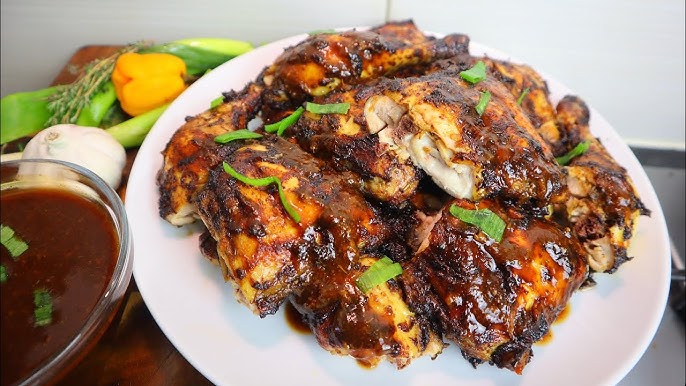
Jerk Chicken Marinade Recipe: If you’ve ever bitten into a piece of jerk chicken and wondered what kind of sorcery went into that explosion of flavor—congrats, you’re about to find out. Jerk chicken isn’t just a dish; it’s a full-on experience. And it all starts with one key element: the jerk marinade. Whether you’re grilling on a summer day or bringing the island vibes indoors, mastering this marinade is your ticket to bold, smoky, spicy chicken every single time.
The beauty of jerk lies in its complexity—spicy, sweet, herbal, and smoky all at once. But don’t let that intimidate you. Once you get the hang of making this marinade, you’ll be throwing it on everything: wings, thighs, drumsticks, even tofu or vegetables. Let’s dive in and show you how to make the perfect jerk chicken marinade from scratch.
What Makes Jerk Chicken Unique
Jerk chicken traces its fiery roots back to Jamaica, where it’s been a staple of the island’s cuisine for centuries. What makes it stand out is the intense layering of spices, combined with the slow-cooked, smoky flavor traditionally achieved over pimento wood. It’s not just spicy—it’s balanced. You’ll taste sweetness from allspice and brown sugar, heat from Scotch bonnet peppers, tang from citrus, and earthiness from thyme and other herbs.
This dish is more than just food—it’s culture. It represents resistance, resilience, and community, having originated with the Maroons (escaped slaves) who developed the jerk method of cooking to preserve and flavor meat while remaining hidden in the mountains. That history adds a level of respect to every bite, and it starts with respecting the marinade.
Ingredients You’ll Need
Here’s the complete list of what you’ll need to make an authentic Jamaican jerk chicken marinade. These ingredients combine to create that unmistakable bold, spicy, and fragrant punch.
Main Ingredients:
- 6-8 Scotch bonnet peppers (or habanero as a milder option)
- 6 cloves of garlic, minced
- 1 thumb-sized piece of fresh ginger, grated
- 1 small onion, chopped
- 2 stalks of scallions (green onions)
- 1 tablespoon fresh thyme (or 2 tsp dried thyme)
- 2 tablespoons brown sugar
- 2 teaspoons ground allspice
- 1 teaspoon ground cinnamon
- 1/2 teaspoon ground nutmeg
- 1 teaspoon salt
- 1/2 teaspoon ground black pepper
- 1/4 cup soy sauce
- 1/4 cup white vinegar
- 2 tablespoons lime juice (or lemon juice)
- 2 tablespoons vegetable oil
- Optional: 1 tablespoon dark rum or orange juice (for depth of flavor)
This list might seem long, but each component plays a crucial role. Don’t skip the Scotch bonnets—they’re the heart of jerk heat. But if you’re spice-sensitive, reduce the amount or swap with habaneros. Now, let’s break down what each one actually does for the marinade.
The Role of Each Ingredient
Understanding the flavor function of each ingredient helps you customize or substitute if needed, without losing the jerk spirit.
- Scotch Bonnet Peppers: Bring intense, fruity heat.
- Garlic & Ginger: Add sharpness and warmth.
- Onion & Scallions: Provide depth and aromatic base.
- Thyme: Gives that earthy herbal note found in Caribbean cuisine.
- Brown Sugar: Balances the heat with subtle sweetness.
- Allspice, Cinnamon, Nutmeg: These “warm” spices add complexity and that sweet-savory blend.
- Salt & Pepper: Basic but essential flavor enhancers.
- Soy Sauce: Adds umami richness and helps tenderize meat.
- Vinegar & Lime Juice: Brighten and preserve.
- Oil: Helps carry flavor and create a smooth marinade texture.
- Rum/Orange Juice: Optional, but adds a deeper tropical vibe.
Knowing these roles helps if you need to make swaps, like using lemon if you’re out of lime, or replacing fresh thyme with dried.
Essential Tools and Equipment
Before jumping into the kitchen, make sure you’ve got the right tools:
- Blender or food processor – for a smooth marinade
- Cutting board and sharp knife – for chopping your aromatics
- Measuring spoons and cups – precision is key
- Mixing bowl or large Ziploc bag – for marinating the chicken
- Gloves – especially when handling Scotch bonnets (trust us!)
Optional but helpful tools include a citrus juicer, microplane for grating ginger, and a glass jar for storing leftover marinade.
Preparing the Marinade
Start by prepping all your ingredients. Chop onions, scallions, garlic, and peppers. Grate your ginger, measure your spices, and squeeze the lime juice. It’s easier and faster when everything’s prepped in front of you. You can use dried spices and bottled juice in a pinch, but fresh is always best for maximum flavor.
Here’s a tip: Always wear gloves when handling hot peppers and avoid touching your face or eyes. Even after washing your hands, pepper oil can linger.
Once everything’s ready, it’s time to blend it all together.
Step-by-Step Guide to Making Jerk Marinade
Step 1: Gather Your Ingredients
Set out all the ingredients listed above. Double-check quantities and make sure everything is chopped and prepped.
Step 2: Blend to Perfection
Add all the ingredients into a blender or food processor:
- Onions, scallions, garlic, ginger
- Scotch bonnets
- Brown sugar, spices, salt, pepper
- Lime juice, soy sauce, vinegar, oil
Blend until smooth. It should be thick, but pourable. Add a little water if it’s too thick to blend well.
Step 3: Taste and Adjust
This is key. Taste the marinade (carefully—it’s spicy!). Want more heat? Add a pepper. Too hot? Add a splash more citrus or sugar. Balance is everything.
Now, you’re ready to use it.
How to Marinate Chicken Properly
This is where the magic happens. You’ve got your marinade, now let’s use it right.
Best cuts for jerk chicken:
- Bone-in, skin-on chicken thighs or legs are ideal.
- You can use breasts, but they may dry out more easily.
How to marinate:
- Place chicken in a large bowl or resealable bag.
- Pour marinade over it—reserve some if you want to baste later.
- Massage marinade into chicken to fully coat it.
- Cover or seal and refrigerate.
Marinating time:
- Minimum: 4 hours
- Ideal: 12 to 24 hours
Refrigeration Tips
Storing jerk marinade correctly is just as important as making it right. If you’ve made extra marinade (and trust me, it’s worth doing), you can save it for another round or use it as a sauce base for other dishes.
Here’s how to store it:
- Refrigerator: Store leftover marinade in an airtight glass jar or container. It will stay fresh for up to 7 days.
- Freezer: Want to keep it even longer? Freeze it in small batches using silicone trays or freezer-safe bags. It’ll last up to 3 months with no problem.
- Tip: Label your container with the date so you don’t forget how long it’s been sitting around.
Important: If you’ve already used marinade on raw chicken, don’t reuse it unless it’s cooked (like in a simmered sauce). Bacteria from raw meat can cause foodborne illness. Always set some aside before marinating if you want extra for basting or dipping later.
Cooking Options After Marinating
Once your chicken is marinated to perfection, the cooking method you choose makes a huge difference in the final flavor. Traditionally, jerk chicken is cooked over a pimento wood fire, but you can absolutely get delicious results with whatever tools you have on hand.
1. Grilling (Most Authentic Method)
- Preheat grill to medium-high.
- Oil the grates to prevent sticking.
- Grill chicken skin-side down first to sear and get that smoky char.
- Turn occasionally and cook for 30–40 minutes until internal temp hits 165°F (74°C).
- Use indirect heat to avoid burning the sugars in the marinade.
2. Oven-Baked
- Preheat oven to 400°F (200°C).
- Line a baking sheet with foil and place chicken skin-side up.
- Bake for 35–45 minutes.
- Optional: Broil for 3–5 minutes at the end to crisp the skin.
3. Air Fryer (Quick & Crispy)
- Preheat air fryer to 375°F (190°C).
- Spray basket lightly with oil.
- Air fry in batches for 20–25 minutes, flipping halfway.
Whichever method you choose, keep some extra marinade aside (never used on raw meat!) to baste during cooking for extra flavor.
Tips for the Best Flavor
Even if you’ve got the perfect marinade, there are still a few tricks to take your jerk chicken from good to unforgettable.
- Marinate Overnight: The longer, the better. 12–24 hours gives the spices time to deeply penetrate.
- Score the Chicken: Make shallow cuts in thick pieces. This helps the marinade soak in better.
- Use Bone-In, Skin-On Pieces: They’re juicier and hold flavor better.
- Let Chicken Sit Before Cooking: Take it out of the fridge 30 minutes before cooking. This helps it cook more evenly.
- Don’t Rush It: Whether grilling or baking, lower heat over a longer time gives the spices time to develop.
Want to add a bit of smoke? A pinch of smoked paprika or a few soaked wood chips on the grill does wonders.
Side Dishes That Go Perfectly with Jerk Chicken
The only thing better than jerk chicken is eating it with the right sides. Here’s how to build a full-on Jamaican-inspired plate:
Traditional Jamaican Sides:
- Rice and peas (coconut milk, kidney beans, and rice)
- Fried plantains
- Festival (sweet fried dough)
- Bammy (cassava flatbread)
- Cabbage slaw (with vinegar and scotch bonnet dressing)
Easy Homemade Options:
- Grilled corn with lime butter
- Sweet potato fries
- Mango salsa (adds a cooling contrast)
- Coconut coleslaw
- Pineapple rice
Pro tip: The heat of jerk chicken pairs beautifully with sweet and creamy textures. Don’t be afraid to serve it with something cold and fruity.
Common Mistakes to Avoid
Even though jerk marinade seems foolproof, there are a few missteps that can mess up your masterpiece. Avoid these:
- Over-marinating: More than 48 hours and your chicken can become mushy due to the acidic lime and vinegar.
- Not using enough marinade: Every part of the chicken should be coated thoroughly.
- Underseasoning: This isn’t a time to go light-handed. Jerk is bold.
- Skipping Scotch Bonnets: They’re the soul of jerk flavor. Use fewer if you must, but don’t leave them out completely.
- Cooking on high direct heat: The sugar in the marinade burns fast. Always cook slowly or over indirect heat.
And perhaps the biggest mistake? Not tasting your marinade before using it. Always adjust salt, heat, and acidity to your liking.
FAQs about Jerk Chicken Marinade Recipe
1. Can I use jerk marinade on something other than chicken?
Absolutely! It works great on pork, fish, shrimp, tofu, and even roasted vegetables.
2. How spicy is jerk chicken?
Traditional jerk is very spicy due to Scotch bonnet peppers. You can reduce the spice by using fewer peppers or swapping with milder ones like jalapeños.
3. Can I make jerk marinade without a blender?
Yes, you can finely chop or mince all the ingredients and mix them manually. It will be chunkier but still flavorful.
4. Is it okay to freeze marinated chicken?
Yes, you can freeze chicken in marinade. Just thaw it in the fridge overnight before cooking.
5. What’s the best way to reheat leftover jerk chicken?
Reheat in the oven at 350°F until warmed through, or air fry for a few minutes to bring back the crispness.
Conclusion
Making jerk chicken at home is more than just cooking—it’s channeling a flavor legacy that’s bold, fiery, and full of personality. From understanding each spice in your marinade to choosing the best chicken cuts and cooking methods, every detail matters. Once you’ve mastered this marinade, you’ll find yourself using it again and again—not just for chicken but maybe even on pork, fish, or grilled vegetables.
So gather your ingredients, clear some space in your kitchen, and get ready to bring a little slice of Jamaica into your home. Just don’t forget the napkins—it’s going to get saucy.