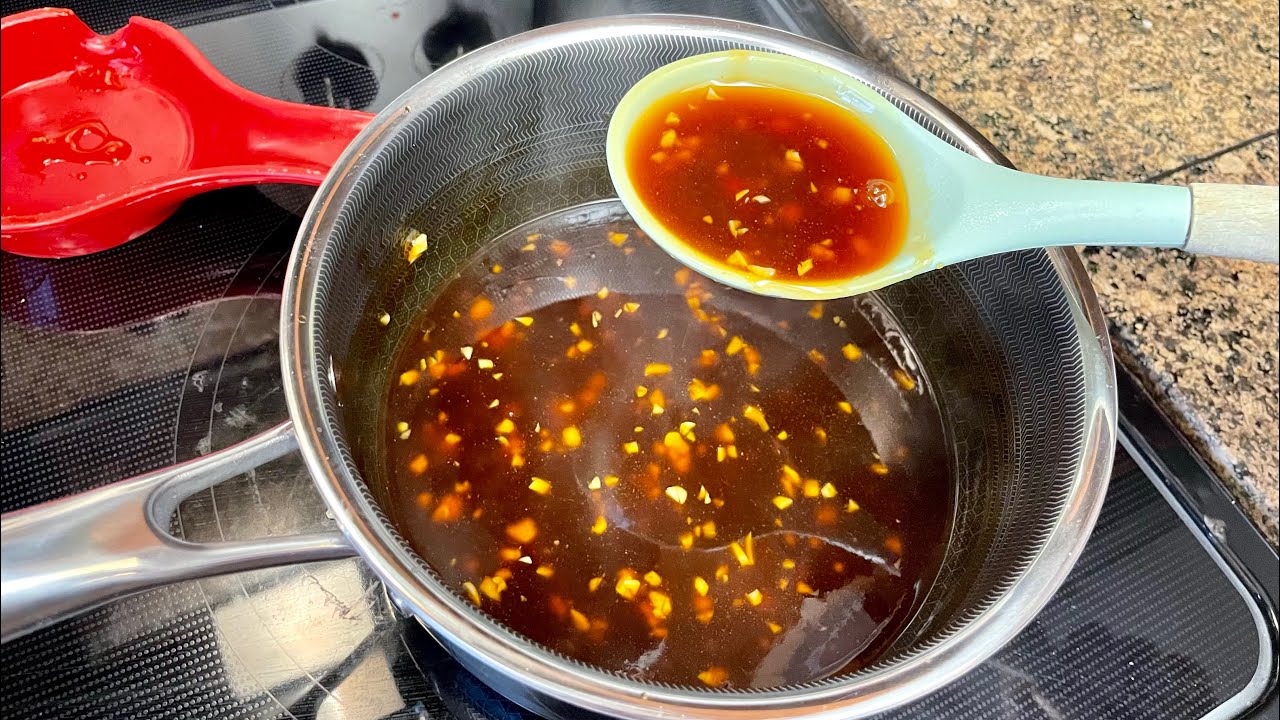
Japanese Teriyaki Sauce Recipe: You’ve probably tasted teriyaki sauce before—glazed over chicken, drizzled on grilled salmon, or as a sweet-salty dip. But have you ever tried making it at home? If not, you’re in for a delicious surprise. Homemade Japanese teriyaki sauce is not only easy to whip up, but it’s also packed with rich umami flavors that store-bought versions just can’t replicate.
What makes this sauce so irresistible? It’s that perfect blend of salty, sweet, and savory—crafted from a simple trio of soy sauce, mirin, and sugar. But when made with fresh ingredients and care, it becomes so much more than the sum of its parts.
This guide is your ultimate step-by-step walkthrough to crafting authentic Japanese teriyaki sauce in your own kitchen. Whether you’re cooking for a weeknight dinner or a special gathering, this sauce will elevate your meals with minimal effort.
So roll up your sleeves—let’s dive in!
What is Teriyaki Sauce?
At its core, teriyaki sauce is a glossy, slightly thickened glaze used in Japanese cooking. The word “teriyaki” itself comes from “teri,” meaning luster or shine, and “yaki,” meaning to grill or broil. Traditionally, it’s used to baste and glaze grilled meats and fish, giving them that iconic glossy finish and deep flavor.
Many confuse teriyaki sauce with other Asian sauces like hoisin or oyster sauce, but teriyaki is unique in its simplicity. While Chinese sauces tend to be more complex or fermented, Japanese teriyaki focuses on balance—salty soy, sweet mirin, and sugar all working in harmony. The result? A sauce that’s incredibly versatile and crowd-pleasing.
It originated in Japan centuries ago, but became popular in the West through Japanese-American cooking. Now, it’s a household staple worldwide. But once you try the homemade version, you’ll never look back.
List of Ingredients You’ll Need
The beauty of Japanese teriyaki sauce lies in its minimal ingredients. Here’s what you’ll need to make a basic and authentic version:
Core Ingredients:
- Soy Sauce (1/2 cup) – Preferably Japanese-style like Kikkoman for a lighter, more balanced salt profile.
- Mirin (1/4 cup) – A sweet rice wine, essential for that signature sweetness and shine.
- Sake (1/4 cup) – Adds depth and traditional Japanese flavor.
- Sugar (2–3 tablespoons) – White or brown sugar both work, depending on how rich you want it.
Optional Add-Ins for Enhanced Flavor:
- Garlic (1 clove, minced) – For a deeper umami kick.
- Ginger (1 tsp, freshly grated) – Adds brightness and a bit of spice.
- Cornstarch Slurry (1 tsp cornstarch + 1 tbsp water) – Optional thickener if you want a more syrupy sauce.
- Sesame Oil (a few drops) – For a nutty aroma.
These ingredients are available in most grocery stores or any Asian supermarket. Don’t worry if you can’t find mirin or sake—we’ll offer substitutions later in this guide.
Essential Tools for Making Teriyaki Sauce
Before you get started, make sure you’ve got the right tools on hand. This isn’t a fancy process, but a few kitchen essentials will make the job easier:
- Small saucepan – For simmering the sauce.
- Whisk or spoon – To stir everything together smoothly.
- Measuring cups and spoons – Precision is key.
- Fine grater or microplane – For ginger and garlic.
- A glass jar or airtight container – For storage once it’s done.
Having these ready beforehand means you can focus on the cooking without scrambling mid-recipe. Simple prep = stress-free cooking.
Step-by-Step Guide to Making Japanese Teriyaki Sauce
Step 1: Preparing Your Ingredients
Gather all ingredients before starting. You’ll need soy sauce, mirin, sugar, and sake. Using equal parts soy sauce, mirin, and sake creates a classic balance, while sugar adds the signature sweetness.
Step 2: Mixing the Base
In a small saucepan, combine soy sauce, mirin, sake, and sugar. Stir gently until the sugar begins to dissolve. Mixing everything before heating ensures even flavor.
Step 3: Simmering for the Perfect Consistency
Place the saucepan over medium heat and bring the mixture to a gentle simmer. Reduce the heat slightly and let it simmer for 8–10 minutes, stirring occasionally. The sauce will thicken as it reduces and develop a glossy finish.
Step 4: Taste Test and Adjust
Remove from heat and taste the sauce. Adjust sweetness with more sugar or balance saltiness with a splash of water. For a thicker sauce, simmer a little longer; for a thinner one, add a small amount of water.
Step 5: Cooling and Storing
Let the teriyaki sauce cool completely. Transfer to a clean jar or bottle and refrigerate. It will thicken slightly as it cools and can be stored for up to two weeks.
Tips for Making Authentic Teriyaki Sauce
Want that rich, glossy finish like you’d find in a Tokyo restaurant? Here are some insider tips to elevate your teriyaki sauce:
- Use high-quality soy sauce. Japanese-style soy sauce is lighter and better balanced than darker Chinese-style versions. Look for brands like Kikkoman or Yamasa.
- Never skip mirin or sake unless absolutely necessary. These give the sauce its depth, sweetness, and a signature glaze.
- Simmer low and slow. Don’t rush the reduction process. Gentle simmering helps the sugars caramelize properly and builds complex flavor.
- Infuse aromatics wisely. Garlic and ginger should be fresh, not powdered, to avoid bitterness or muddled flavor.
- Strain the sauce if needed. If you want a clean, silky finish without bits of garlic or ginger, run it through a fine mesh sieve after cooking.
Authentic teriyaki sauce isn’t just about flavor—it’s about technique and patience. These small tweaks make a big difference.
Common Mistakes to Avoid
Even though teriyaki sauce is simple, there are a few pitfalls that can ruin your batch:
- Overboiling: This can burn the sugars and leave a bitter taste.
- Using low-quality soy sauce: The entire flavor base depends on it. Avoid cheap brands that are too salty or artificial.
- Skipping sake or mirin: Substitutes are okay in a pinch, but the original ingredients are what give real depth and gloss.
- Adding cornstarch too early: It should only be added near the end, or it may clump or alter the texture.
- Not cooling properly before storing: This can cause condensation in your container, which may shorten shelf life or affect consistency.
Avoid these mistakes and you’ll always end up with a balanced, glossy, and flavorful teriyaki sauce you can be proud of.
How to Store Homemade Teriyaki Sauce
Once your sauce has cooled completely, transfer it into a clean, airtight jar or bottle. Store it in the refrigerator, where it will stay fresh for up to 2 weeks. Want to keep it longer?
Here’s how:
- Freezing option: Pour into ice cube trays and freeze. Then transfer the cubes to a freezer bag. Easy single-use portions!
- Sterilized jars: If you sterilize your jars and lids before pouring in the sauce, it can last even longer.
- Label the jar with the date you made it so you always know how fresh it is.
Always use a clean spoon when scooping it out—no double dipping—to avoid contamination and extend shelf life.
How to Use Teriyaki Sauce
This isn’t just a glaze for chicken. Here are some amazing ways to use your homemade teriyaki sauce:
Traditional Japanese Dishes:
- Chicken Teriyaki (Yakitori) – Brush over grilled chicken skewers.
- Salmon Teriyaki – A restaurant classic that’s better homemade.
- Beef Teriyaki – Sautéed or grilled beef strips in a teriyaki glaze.
- Tofu Teriyaki – Vegan-friendly and totally delicious.
Other Creative Uses:
- Stir-fry Sauce: Use it as a stir-fry base with noodles and veggies.
- Burger Glaze: Add a Japanese twist to your burgers.
- Rice Bowl Sauce: Pour over a bowl of rice and top with fried egg, avocado, and sesame seeds.
- Dipping Sauce: Great for dumplings, tempura, or sushi.
It’s sweet, savory, sticky, and versatile. Once you start using it, you’ll find yourself reaching for it again and again.
Substitutes for Key Ingredients
Can’t find mirin or sake where you live? Don’t worry—here are some solid substitutes:
- Mirin substitute: Use 3 parts rice vinegar + 1 part sugar. You can also use white wine with sugar.
- Sake substitute: Dry white wine or even dry sherry works well. You can also use water with a dash of lemon for acidity.
- Soy sauce substitute: For gluten-free, go with tamari. For lower sodium, use a low-sodium soy sauce.
These substitutes won’t deliver 100% of the traditional flavor, but they’re close enough to keep your dish delicious.
Is Teriyaki Sauce Gluten-Free or Vegan?
By default, most teriyaki sauces are not gluten-free because regular soy sauce contains wheat. However, making it yourself gives you total control:
- Gluten-Free Version: Use tamari or a certified gluten-free soy sauce.
- Vegan Version: Traditional teriyaki is already meat-free, but check your mirin and sake for animal-based processing. Also avoid honey (if you’re strict vegan) and go with sugar or maple syrup.
Homemade = customizable. You can make it fit your diet easily.
Flavor Variations to Try
Want to switch it up? Here are some fun and delicious flavor twists:
- Spicy Teriyaki: Add a pinch of red pepper flakes or a squirt of sriracha.
- Citrus Teriyaki: Add a tablespoon of fresh orange juice and a little zest.
- Honey-Garlic Teriyaki: Swap sugar for honey and double the garlic.
- Pineapple Teriyaki: Use pineapple juice instead of mirin for a tropical vibe.
- Smoky Teriyaki: A dash of liquid smoke gives it a BBQ flair.
These variations are great for experimenting and keeping things exciting in the kitchen.
Nutritional Breakdown
Here’s an approximate breakdown for 1 tablespoon of homemade teriyaki sauce (without cornstarch):
| Nutrient | Amount |
|---|---|
| Calories | 25–30 |
| Carbs | 5–6g |
| Sugar | 4–5g |
| Sodium | 300–400mg |
| Fat | 0g |
| Protein | <1g |
It’s not exactly “low sodium,” but compared to processed versions, it’s cleaner and more natural. You can reduce sodium by using a low-sodium soy sauce and adjusting sugar to taste.
Homemade vs. Store-Bought: A Comparison
| Feature | Homemade Teriyaki Sauce | Store-Bought Sauce |
|---|---|---|
| Flavor | Rich, fresh, customizable | Often artificial or bland |
| Ingredients | Whole, clean, simple | Preservatives, additives |
| Texture | Smooth and glossy | Can be overly thick or watery |
| Cost per Use | Cheaper in the long run | More expensive per bottle |
| Shelf Life | Shorter (1–2 weeks) | Long (months) due to additives |
Store-bought may be convenient, but if you want flavor, health, and satisfaction—homemade wins every time.
FAQs about Japanese Teriyaki Sauce Recipe
1. Can I use teriyaki sauce as a marinade?
Absolutely! It works beautifully as a marinade for meats, tofu, or veggies. Let it soak for 30 minutes to a few hours for deeper flavor.
2. What’s the difference between teriyaki sauce and teriyaki glaze?
A glaze is usually thicker and more concentrated. You can turn your sauce into a glaze by reducing it longer or adding cornstarch.
3. Can I make teriyaki sauce without sugar?
Yes, but it won’t have the same balance. Try substituting with honey, maple syrup, or even a sugar-free sweetener like monk fruit.
4. Is it safe to keep teriyaki sauce at room temperature?
No. Because it has sugar and liquids, it’s best stored in the fridge in a sealed container.
5. Can I use teriyaki sauce on noodles or rice?
Yes! It’s amazing on rice bowls, fried rice, stir-fried noodles, or even cold soba. It adds instant umami and sweetness.
Conclusion
Teriyaki sauce might seem like a humble condiment, but once you’ve mastered the art of making it from scratch, it becomes a secret weapon in your kitchen. Whether you’re glazing grilled meat, spicing up a stir-fry, or just dipping your dumplings, this sauce delivers in every bite.
By using simple ingredients and following a few mindful steps, you can create a sauce that’s better than anything you’ll find on a store shelf. Not only does it taste better—it gives you full control over ingredients, texture, and flavor. So the next time you’re craving something sweet, savory, and deeply satisfying, skip the bottled stuff and whip up your own teriyaki magic.
Happy cooking!