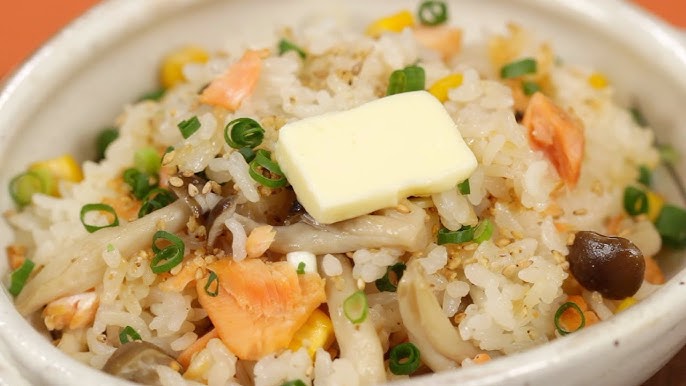
Japanese Salmon Rice Recipe: Japanese salmon rice is a comforting, flavorful, and beautifully balanced dish that brings together tender salmon, perfectly cooked rice, and the clean, savory flavors that define Japanese home cooking. It is simple enough for a weeknight meal, yet elegant enough to serve when we want something satisfying, wholesome, and deeply delicious. The beauty of this dish lies in its balance. The richness of the salmon pairs naturally with light seasonings, warm rice, and classic ingredients such as soy sauce, mirin, sesame, and green onions.
This dish is popular because it is practical, nourishing, and versatile. We can prepare it as a quick lunch, an easy dinner, or even a meal-prep favorite. It works well as a standalone bowl, and it also pairs beautifully with miso soup, pickled vegetables, or a light cucumber salad. When prepared properly, Japanese salmon rice offers a wonderful mix of umami, soft texture, and fresh aroma in every bite.
Why Japanese Salmon Rice Is So Popular
Japanese salmon rice stands out because it combines everyday ingredients into something that tastes refined and memorable. Salmon is naturally rich, buttery, and satisfying, while Japanese-style rice provides the soft, sticky texture that helps absorb every bit of flavor. Together, they create a dish that feels warm, filling, and balanced.
Another reason this recipe is so loved is its flexibility. We can keep it traditional and minimal, or we can build on it with additions such as nori, avocado, soft-boiled eggs, edamame, or furikake. It can be served hot, warm, or even slightly cooled, making it ideal for different occasions.
The seasoning is also a major advantage. Japanese cooking often highlights the ingredient itself instead of covering it up. In this recipe, the salmon remains the star, while seasonings like soy sauce and sesame oil enhance its natural flavor without overwhelming it.
Ingredients You’ll Need
To make a flavorful and authentic Japanese salmon rice recipe, we need simple ingredients that work together harmoniously.
For the Rice
- 2 cups Japanese short-grain rice
- 2 1/4 cups water
- 1 small piece kombu (optional, for extra flavor)
For the Salmon
- 2 salmon fillets
- 1 tablespoon soy sauce
- 1 tablespoon mirin
- 1 teaspoon sake or water
- 1/2 teaspoon sesame oil
- 1/4 teaspoon salt
- 1/4 teaspoon black pepper
For Mixing and Garnish
- 1 tablespoon toasted sesame seeds
- 2 green onions, finely sliced
- 1 sheet nori, cut into thin strips
- 1 teaspoon furikake (optional)
- 1 teaspoon grated ginger (optional)
- 1 teaspoon white sesame oil or a few drops, for aroma
These ingredients create a classic Japanese flavor profile that is savory, slightly sweet, and deeply satisfying.
Best Type of Rice for Japanese Salmon Rice
The rice is one of the most important parts of this recipe. For the best result, we should use Japanese short-grain rice. This rice has the ideal sticky texture needed for Japanese rice bowls and mixed rice dishes. It holds together well, absorbs flavor evenly, and creates the authentic texture that makes the dish so enjoyable.
Long-grain rice or basmati rice will not give the same result. They are too dry and separate too much after cooking. If Japanese rice is unavailable, sushi rice is the best substitute because it has a similar grain structure and texture.
Before cooking, it is essential to rinse the rice several times until the water becomes almost clear. This removes excess starch and helps the grains cook properly without becoming gummy.
Choosing the Best Salmon
Fresh salmon is ideal for this recipe because it provides rich flavor and soft texture. We can use Atlantic salmon or sockeye salmon, depending on preference. Atlantic salmon is usually fattier and softer, while sockeye has a deeper color and firmer texture.
If fresh salmon is not available, frozen salmon also works well as long as it is thawed properly before cooking. Skin-on fillets are excellent because the skin helps protect the fish during cooking and can add extra flavor. Boneless fillets are the easiest option for serving and mixing into rice.
For the best taste, choose salmon with a clean smell, bright color, and firm flesh. High-quality salmon will make a noticeable difference in the final dish.
How to Prepare the Rice Properly
Good rice is the foundation of a successful Japanese salmon rice recipe. We start by placing the rice in a bowl and rinsing it under cold water. Gently swirl the grains with our hands, pour out the cloudy water, and repeat several times. Once the water is nearly clear, drain the rice and let it rest for about 15 to 20 minutes.
Add the rinsed rice and water to a rice cooker or pot. If using kombu, place it on top before cooking. Cook the rice until tender, then let it steam for an additional 10 minutes after cooking. This resting period helps the rice settle and achieve the right texture.
Fluff the rice gently with a rice paddle or fork. Avoid pressing or smashing it, because that can damage the grains and make the rice heavy.
How to Season the Salmon
A light marinade is enough to bring out the best in the fish. In a small bowl, combine the soy sauce, mirin, sake, sesame oil, salt, and black pepper. Brush this mixture over the salmon fillets and let them sit for about 10 to 15 minutes.
This short marinating time adds flavor without making the salmon too salty. The soy sauce gives depth, the mirin adds a gentle sweetness, and the sesame oil introduces a warm, nutty aroma that complements both the fish and the rice.
If we want an even more pronounced Japanese flavor, a small amount of grated ginger can be added to the marinade.
Step-by-Step Guide for Japanese Salmon Rice Recipe
Step 1 – Cook the Rice
Rinse the Japanese short-grain rice thoroughly until the water runs almost clear. Drain it well and let it rest for 15 to 20 minutes. Add the rice and measured water to a rice cooker or a medium pot. Cook until tender. Once done, let the rice steam for 10 more minutes, then fluff gently.
Step 2 – Marinate the Salmon
In a bowl, mix soy sauce, mirin, sake, sesame oil, salt, and black pepper. Coat the salmon fillets evenly with the marinade. Leave them for 10 to 15 minutes so the flavors can settle into the fish.
Step 3 – Cook the Salmon
Heat a nonstick skillet, grill pan, or oven to medium heat. Cook the salmon until it is fully done and flakes easily with a fork. This usually takes about 4 to 5 minutes per side, depending on thickness. If baking, cook at 200°C until the salmon is tender and lightly caramelized.
Step 4 – Flake the Salmon
Allow the salmon to cool slightly, then remove the skin if desired. Check carefully for any bones. Use a fork to flake the fish into medium pieces. Keep some larger chunks for texture rather than breaking everything down too finely.
Step 5 – Combine Salmon and Rice
Place the warm rice in a large bowl. Add the flaked salmon, toasted sesame seeds, and sliced green onions. Gently fold everything together so the salmon spreads through the rice without becoming mushy.
Step 6 – Add Final Flavor
Sprinkle over the nori strips and a little furikake if using. Add a few drops of sesame oil for extra aroma. Taste and adjust lightly if needed. The dish should be savory, fragrant, and balanced.
Step 7 – Serve Immediately
Spoon the Japanese salmon rice into bowls and serve warm. Garnish with more green onions, sesame seeds, or nori for a polished finish.
Tips for the Best Japanese Salmon Rice Recipe
A few small techniques can make this dish even better. First, always avoid overcooking the salmon. Moist, flaky salmon gives the rice a richer and more appealing texture. Dry salmon can make the dish feel heavy.
Second, keep the seasoning balanced. Because soy sauce is salty, it is better to start lightly and add more only if needed. The goal is to enhance the salmon and rice, not overpower them.
Third, use warm rice when mixing. Warm rice absorbs flavor better and helps the ingredients combine naturally. Cold rice can make the texture firm and less inviting.
Finally, garnish just before serving. Fresh green onions, nori, and sesame seeds add color, freshness, and aroma that elevate the finished bowl.
Delicious Variations to Try
One of the strengths of Japanese salmon rice is how easily we can customize it while keeping the dish grounded in its original character.
Japanese Salmon Rice Bowl with Egg
Top the bowl with a soft-boiled egg or onsen-style egg for extra richness and protein. The creamy yolk blends beautifully into the rice.
Teriyaki Salmon Rice
Use a slightly sweeter glaze with extra mirin and soy sauce to create a teriyaki-inspired version. This gives the dish a glossy finish and deeper caramelized flavor.
Salmon Onigiri Style Rice
Mix the salmon into the rice and shape it into rice balls for a portable lunch or snack. Wrap with nori for a classic Japanese presentation.
Japanese Baked Salmon Rice
Bake the salmon and rice separately, then combine them with toppings such as furikake, sesame seeds, and scallions for an easy oven-based meal.
Healthy Salmon Rice Bowl
Add steamed broccoli, edamame, shredded carrots, or cucumber slices for a more colorful and nutrient-rich bowl.
What to Serve with Japanese Salmon Rice
This recipe works beautifully on its own, but pairing it with a few simple sides can turn it into a complete Japanese-style meal. Some excellent serving ideas include:
- Miso soup
- Pickled cucumbers
- Seaweed salad
- Steamed edamame
- Japanese potato salad
- Simple spinach goma-ae
These side dishes keep the meal balanced and complement the salmon rice without competing with it.
How to Store and Reheat
If there are leftovers, allow the dish to cool completely before storing it in an airtight container in the refrigerator. It is best eaten within 1 to 2 days for the freshest taste and safest quality.
To reheat, warm it gently in the microwave with a small splash of water to keep the rice soft. Cover loosely while reheating to prevent the rice from drying out. We can also reheat it in a covered pan over low heat for a few minutes.
Avoid reheating multiple times, as that can affect both the texture of the rice and the quality of the salmon.
Why This Recipe Works So Well
This Japanese salmon rice recipe succeeds because it combines texture, flavor, and simplicity in a way that feels natural and satisfying. The rice is soft and comforting, the salmon is savory and rich, and the seasonings add just enough depth to make every bite memorable. It is a dish that feels both nourishing and refined, which is exactly why it remains such a favorite in home kitchens.
The recipe also works because it is approachable. We do not need complicated ingredients or advanced cooking techniques. With good rice, quality salmon, and a few essential seasonings, we can prepare a meal that tastes polished and restaurant-worthy.
FAQs about Japanese Salmon Rice Recipe
1. What is Japanese salmon rice?
Japanese salmon rice is a simple and comforting dish made with cooked rice and seasoned salmon. It is often served as a quick meal and may include soy sauce, sesame, or green onions for extra flavor.
2. What type of salmon is best for this recipe?
Fresh salmon fillets are usually best because they cook well and have a rich flavor. However, leftover cooked salmon can also be used for convenience.
3. What kind of rice should I use?
Japanese short-grain rice is the best choice because it has the right sticky texture. This helps the dish feel more authentic and balanced.
4. How is the salmon usually cooked?
The salmon can be grilled, baked, pan-fried, or steamed. Then it is flaked into the rice or served on top.
5. What seasonings are commonly used?
Common seasonings include soy sauce, salt, sesame oil, mirin, sesame seeds, and chopped green onions. Some recipes also add seaweed or furikake.
6. Can I add vegetables to Japanese salmon rice?
Yes, you can add vegetables like edamame, carrots, spinach, or cucumber. This makes the meal more colorful and nutritious.
7. Is Japanese salmon rice good for meal prep?
Yes, it works well for meal prep because it is easy to store and reheat. However, it tastes best when eaten fresh or within a short time.
8. How do I store leftovers?
Store leftovers in an airtight container in the refrigerator for up to 2 days. Reheat gently before serving for the best taste and texture.
Conclusion
Japanese salmon rice is one of the most reliable and rewarding dishes we can make when we want a meal that is easy, flavorful, and deeply comforting. It delivers the perfect combination of tender salmon, fragrant rice, and clean Japanese-inspired seasoning. Whether we prepare it for a quick weekday dinner, a nourishing lunch, or a simple elegant meal at home, it always offers satisfying results.
With the right rice, properly cooked salmon, and a thoughtful balance of toppings, this dish becomes more than just a rice bowl. It becomes a complete, warm, and beautifully layered meal that we will want to make again and again.