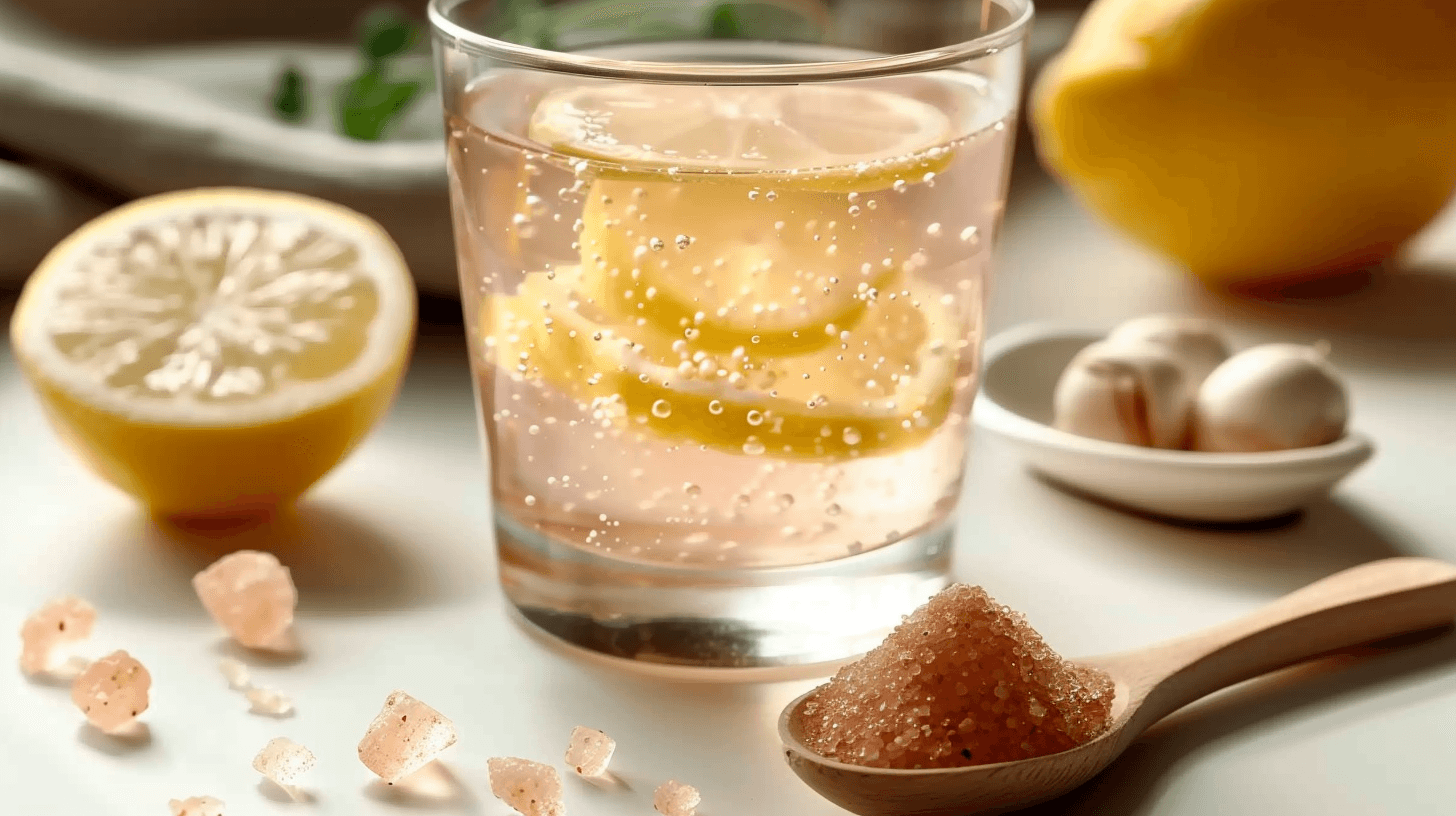
Japanese Pink Salt Recipe: Japanese Pink Salt is more than just a seasoning—it’s an experience for the taste buds. Unlike regular table salt, this unique blend is known for its subtle flavor, mineral richness, and delicate pink hue that adds elegance to any dish. While Himalayan Pink Salt often dominates conversations around colored salts, the Japanese variation carries its own charm, blending salt with natural additives like umeboshi (pickled plum), sakura petals, or dried shiso leaves.
Today, this salt has become popular worldwide, not only for its taste but also for its visual appeal. It adds a beautiful touch to sushi plates, rice dishes, and even cocktails. Whether sprinkled over sashimi or used as a finishing salt for grilled fish, Japanese Pink Salt elevates ordinary meals into gourmet experiences.
Health Benefits of Japanese Pink Salt
Why should you consider switching from ordinary table salt to Japanese Pink Salt? The answer lies in its nutritional and wellness benefits. Unlike processed white salt, which is often stripped of its minerals, Japanese Pink Salt retains trace elements like magnesium, potassium, and calcium, depending on the base salt you choose. These minerals help balance electrolytes in the body and support healthy muscle and nerve function.
One of the biggest advantages of Japanese Pink Salt is its ability to enhance digestion. Certain variations, especially those blended with shiso leaves or umeboshi, promote gut health by aiding in the breakdown of food and maintaining a healthy gut flora. It’s also less harsh on the stomach compared to chemically processed salts.
Additionally, pink salt can contribute to improved hydration. Because of its mineral profile, it helps the body absorb water more efficiently, which is particularly useful for athletes or those living in hot climates. Another bonus? Japanese Pink Salt typically has a more intense flavor than table salt, meaning you need less of it to season your food. This can naturally reduce your overall sodium intake without sacrificing taste.
When compared to regular table salt, Japanese Pink Salt stands out for being natural, unrefined, and free from additives like anti-caking agents. While it’s still important to consume salt in moderation, choosing a healthier variety like Japanese Pink Salt ensures you’re adding both flavor and nutritional value to your meals.
Ingredients You’ll Need
Creating Japanese Pink Salt at home is surprisingly simple, and the beauty of it lies in customization. Below is a list of essential ingredients you’ll need, along with some optional extras to personalize your blend:
Main Ingredients
- Sea Salt or Rock Salt (coarse-grained) – This is your base. Choose high-quality Japanese sea salt if possible.
- Dried Umeboshi (pickled plum powder) – Adds a tangy, fruity flavor and gives the salt its pink hue.
- Shiso Leaves (red perilla, dried and powdered) – Contributes a vibrant color and herbal taste.
Optional Flavor Enhancers
- Dried Sakura Petals – For a floral fragrance and seasonal touch.
- Matcha (green tea powder) – Adds earthiness and complexity.
- Sesame Seeds – For nutty depth.
- Yuzu Peel (dried and ground) – Brightens the blend with citrus notes.
Tools & Utensils
- Mortar and pestle or spice grinder – For crushing and blending ingredients.
- Mixing bowl – To combine the powders evenly.
- Baking tray – For drying the mixture if needed.
- Airtight glass jar – To store your Japanese Pink Salt.
The flexibility of this recipe means you can adjust it to your liking. Love tangy flavors? Add more umeboshi. Prefer a floral note? Increase the sakura petals. The key is to strike a balance where the salt enhances but doesn’t overpower the natural flavor of your food.
Step-by-Step Guide to Making Japanese Pink Salt
Step 1 – Selecting the Base Salt
Your choice of salt sets the tone for the entire recipe. Traditional Japanese cooks often use Moshio salt, made from seaweed and seawater, known for its umami-rich flavor. However, if you can’t find Moshio, you can use high-quality sea salt or even Himalayan salt as a substitute. The coarser the grains, the better, since they retain flavor and texture after blending.
When selecting your base salt, aim for unrefined, chemical-free varieties. Processed salts lack the mineral complexity that makes Japanese Pink Salt special. Remember, the goal is to create a natural, gourmet seasoning, not just another flavored salt.
Step 2 – Choosing Natural Additives
This is where creativity comes into play. The “pink” in Japanese Pink Salt typically comes from dried umeboshi or shiso leaves. Both ingredients not only provide a vibrant hue but also a distinct Japanese flavor profile. Umeboshi contributes sour, fruity notes, while shiso adds an earthy, minty character.
You can experiment with other Japanese-inspired flavors like yuzu peel for a citrus kick or sakura petals for a springtime aroma. Some modern variations even incorporate matcha or sansho pepper for a bold twist. The goal is to balance the saltiness with subtle complexity, giving your dishes a layered flavor.
Step 3 – Grinding and Blending
Once you’ve chosen your ingredients, it’s time to blend them. Start by grinding dried umeboshi or shiso leaves into a fine powder using a mortar and pestle or spice grinder. Do the same with any additional flavor enhancers, such as yuzu peel or sakura petals.
Mix the powders with your coarse salt in a clean bowl. For every ½ cup of salt, use about 1–2 teaspoons of dried additives. Adjust quantities based on how intense you want the flavor to be. Stir thoroughly to ensure the blend is even. At this stage, you should notice the salt taking on a beautiful pinkish tone.
Step 4 – Drying the Mixture
If your blend feels slightly moist, spread it out on a baking tray and let it air dry for a few hours. Alternatively, you can place it in the oven at the lowest temperature for 10–15 minutes. This step ensures that your Japanese Pink Salt doesn’t clump over time. Drying also helps lock in the flavors, giving you a longer-lasting seasoning.
Step 5 – Storing Your Japanese Pink Salt
Once completely dry, transfer your blend to an airtight glass jar. Store it in a cool, dry place away from direct sunlight. If stored properly, Japanese Pink Salt can last up to six months without losing its flavor or aroma. For the best experience, make small batches and use them fresh.
Culinary Uses of Japanese Pink Salt
Japanese Pink Salt isn’t just a pretty seasoning; it’s a flavor enhancer that can completely transform a dish. Because it’s more delicate and complex than table salt, it works beautifully as a finishing salt. Instead of mixing it into food during cooking, many chefs prefer to sprinkle it over a dish right before serving. This way, its natural colors and flavors stay intact, and you get that satisfying burst of taste with each bite.
One of the most popular uses is in sushi and sashimi preparation. Imagine a plate of fresh tuna sashimi topped with a light dusting of Japanese Pink Salt—it not only adds a touch of elegance but also enhances the natural sweetness of the fish. Unlike soy sauce, which can overpower delicate seafood, pink salt highlights its freshness without masking it.
Another classic use is for grilled meats and vegetables. When sprinkled over yakitori (grilled chicken skewers) or shioyaki (grilled fish seasoned only with salt), Japanese Pink Salt creates a perfect balance of smoky, savory, and slightly tangy flavors. Even something simple, like roasted sweet potatoes, takes on a gourmet edge with a pinch of this salt.
It also shines in soups and broths like miso soup or ramen. Instead of adding plain salt, a touch of Japanese Pink Salt gives the broth extra depth and a hint of herbal or fruity notes, depending on your chosen blend. For adventurous foodies, it can even be used on cocktails like margaritas or Japanese-inspired yuzu martinis, where the rim of the glass is coated with pink salt for a fun, flavorful twist.
The bottom line? Japanese Pink Salt is versatile. From traditional Japanese recipes to everyday snacks like popcorn, it adds elegance and taste in a way regular salt simply can’t.
Tips for Perfecting Your Japanese Pink Salt Recipe
While making Japanese Pink Salt is relatively simple, there are some tricks to ensure yours turns out perfectly every time.
First, balance is everything. Too much additive can make the salt taste overpowering or even bitter. For instance, shiso leaves are strong in flavor, so they should be used sparingly. Umeboshi, on the other hand, is tangy and fruity, but too much can make the salt taste sour rather than pleasantly tart.
Second, focus on texture. A common mistake is using table salt instead of coarse-grained salt. Fine table salt absorbs too much powder, making the blend clumpy and unpleasant. Coarse or flaky salt provides the right crunch and allows the additives to cling evenly.
Third, think about storage hacks. Salt naturally attracts moisture, so if you live in a humid area, add a few grains of uncooked rice or a food-safe silica packet to your jar. This prevents clumping and keeps the mixture dry. Always store in a glass container instead of plastic, as plastic can sometimes affect flavor over time.
Another pro tip: experiment in small batches before committing to a large jar. This way, you can adjust the flavor intensity and find your perfect balance. For example, if your first batch feels too herbal, you can reduce the shiso in the next attempt.
Lastly, avoid the mistake of thinking Japanese Pink Salt should be used like regular salt. It’s a finishing touch, not a base seasoning. If you add it too early in cooking, the unique flavors can disappear under heat. Save it for the end to really appreciate its beauty and taste.
Variations of Japanese Pink Salt
One of the best things about Japanese Pink Salt is that it can be customized to suit your taste. Here are some popular variations you might want to try:
1. Herbal Pink Salt
This variation focuses on earthy, aromatic herbs. Shiso leaves form the base, but you can also add dried basil, thyme, or rosemary for a fusion twist. Herbal pink salt works wonderfully on roasted vegetables, salads, and grilled tofu.
2. Spicy Pink Salt Blend
For those who love heat, add a pinch of ground sansho pepper or chili flakes to the blend. This creates a zesty, spicy version that pairs perfectly with grilled meats, tempura, and even noodle dishes. The kick of spice balances beautifully with the natural saltiness.
3. Citrus-Infused Pink Salt
Using dried yuzu peel or lemon zest gives your salt a bright, refreshing flavor. Citrus pink salt is excellent for seafood, especially sashimi and sushi. It’s also a great finishing touch for cocktails and desserts like dark chocolate truffles or fruit salads.
Each variation brings something unique to the table, making Japanese Pink Salt an exciting ingredient to experiment with. You can even create a small collection of different blends and use them depending on the dish you’re preparing.
Pairing Japanese Pink Salt with Dishes
If you’re wondering how best to use Japanese Pink Salt, think of it as a garnish that complements rather than dominates. Here are some pairing suggestions:
- Traditional Japanese Dishes: Use it on sushi, sashimi, yakitori, tempura, or grilled fish. The salt enhances umami while respecting the natural flavors of the ingredients.
- Fusion Cuisine: Try it on pizza, pasta, or roasted chicken. The Japanese twist will surprise your taste buds.
- Everyday Meals: Sprinkle it on eggs, avocado toast, or roasted vegetables. Even something as simple as buttered popcorn becomes a gourmet snack with pink salt.
- Desserts: Believe it or not, Japanese Pink Salt works well with sweets. A light sprinkle on dark chocolate, caramel, or matcha ice cream creates a delightful contrast of flavors.
- Cocktails & Drinks: Rim your glass with citrus-infused pink salt for margaritas, mojitos, or sake-based cocktails. It adds both flavor and style.
The key is to use Japanese Pink Salt sparingly and thoughtfully. A pinch is often enough to elevate the entire dish.
How Japanese Pink Salt Differs from Himalayan Pink Salt
Many people confuse Japanese Pink Salt with Himalayan Pink Salt, but they’re quite different. Himalayan Pink Salt is mined from ancient sea deposits in Pakistan and owes its pink color to trace minerals like iron oxide. Its flavor is mild and slightly earthy, making it a popular choice worldwide.
Japanese Pink Salt, on the other hand, isn’t naturally pink. Instead, it gets its color from blended ingredients such as umeboshi, shiso, or sakura petals. This means its flavor profile is much more diverse—it can be fruity, herbal, floral, or even citrusy depending on the recipe.
Another key difference lies in culinary use. Himalayan salt is often used for cooking, brining, or even serving dishes on salt slabs. Japanese Pink Salt, however, is mostly used as a finishing salt. Its delicate flavors would be lost if subjected to long cooking times or high heat.
Finally, the cultural context sets them apart. Himalayan Pink Salt is prized for its mineral content and wellness benefits, while Japanese Pink Salt is valued for its artistry, tradition, and ability to elevate Japanese cuisine.
Where to Buy Ingredients for Japanese Pink Salt
Finding the right ingredients for Japanese Pink Salt can seem like a challenge, but once you know where to look, it becomes much easier. The key is to source high-quality items because the better the ingredients, the richer the flavor of your salt blend.
Specialty Japanese Stores
If you live in a city with a Japanese or Asian grocery store, you’re in luck. These stores often carry dried umeboshi powder, shiso leaves, sakura petals, and yuzu peel. Even if you don’t see them on the shelves, don’t hesitate to ask the staff—they often keep specialty ingredients stocked for those who know to request them.
Online Marketplaces
For those who don’t have access to local Japanese shops, online marketplaces like Amazon, Rakuten, or Japanese specialty food websites are excellent options. You can find dried shiso, umeboshi powder, and even rare ingredients like sakura petals. Buying online also gives you the freedom to compare different brands and reviews to ensure quality.
Substitutions if Ingredients Aren’t Available
If you can’t find specific Japanese ingredients, don’t worry—you can still create a flavorful pink salt. For instance:
- Replace umeboshi with cranberry powder for a fruity-tangy note.
- Swap shiso leaves with dried basil or mint for a herbal flavor.
- Use lemon or orange zest if yuzu peel isn’t available.
These substitutes won’t be 100% authentic, but they’ll still give you a unique salt blend that captures the essence of Japanese Pink Salt.
The main ingredient you absolutely need is good-quality sea salt. Once you secure that, the rest is flexible depending on availability and your taste preferences.
Storage and Shelf Life
Proper storage is essential if you want your Japanese Pink Salt to stay fresh and flavorful. Since salt naturally attracts moisture from the air, storing it incorrectly can lead to clumping or a loss of aroma.
Best Containers to Use
Always use airtight glass jars or ceramic containers. Glass is preferred because it doesn’t react with the salt and preserves its flavor integrity. Plastic containers are not recommended since they can sometimes alter the taste or absorb the natural fragrance of herbs and additives.
How Long It Lasts
When stored properly in a cool, dry place, Japanese Pink Salt can last up to six months. After this, while the salt itself won’t spoil, the added ingredients like shiso or umeboshi may lose their vibrancy and aroma. To ensure maximum freshness, it’s best to make smaller batches that you can use within a few months.
Signs It Has Gone Bad
While salt doesn’t technically expire, you’ll know your pink salt is past its prime if:
- The aroma of herbs or fruit has faded significantly.
- It forms large, hard clumps that are difficult to break apart.
- The flavor tastes dull or flat compared to when it was fresh.
By keeping it away from moisture, heat, and direct sunlight, you can maintain the quality of your Japanese Pink Salt and enjoy it at its peak flavor.
FAQs about Japanese Pink Salt Recipe
Is it safe for everyone?
Yes, Japanese Pink Salt is safe for most people. However, like all salts, it should be consumed in moderation. Those with kidney issues or high blood pressure should monitor their intake carefully and consult with a doctor if unsure.
Can it be used for detox?
Some people use salt blends for detox baths or cleansing drinks, but Japanese Pink Salt is best used as a culinary ingredient. While it contains minerals, it’s primarily meant to enhance food rather than serve as a detox product.
How much should you consume daily?
The recommended salt intake for adults is around 2,300 mg of sodium per day (about one teaspoon of salt). Since Japanese Pink Salt has a stronger flavor than table salt, you’ll likely need less to season your meals. This makes it a good option for reducing overall sodium intake while still enjoying flavorful food.
Does it taste the same in every recipe?
Not at all. The taste of Japanese Pink Salt depends on the additives you include. A blend heavy in umeboshi will taste tangy, while one with shiso will taste herbal. This makes it a versatile ingredient because you can adjust the recipe to suit different dishes.
Is it vegan-friendly?
Yes, Japanese Pink Salt is 100% vegan-friendly. All the ingredients—salt, herbs, and dried fruit powders—come from plants or natural minerals. This makes it an excellent seasoning choice for plant-based diets.
Conclusion
Beyond taste, it also carries health benefits, offering trace minerals and allowing you to season food more lightly thanks to its strong flavor. Stored properly, it remains fresh and aromatic for months, making it a worthwhile addition to your kitchen.
So, whether you’re preparing a traditional Japanese dish or just want to sprinkle something special over your popcorn, give Japanese Pink Salt a try. It’s not just seasoning—it’s an experience.