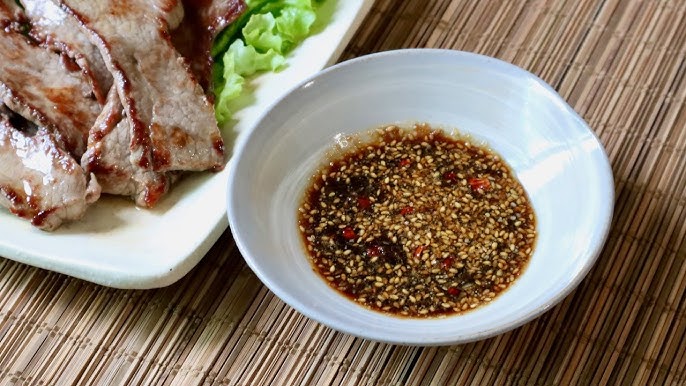
Japanese BBQ Sauce Recipe: If you’ve ever savored the rich, savory-sweet flavor of grilled meats in a Japanese restaurant, chances are you’ve already fallen in love with Japanese BBQ sauce. This thick, glossy sauce packs a punch of umami, sweetness, and just a hint of tang, making it perfect not only for grilled dishes but also for marinades, dips, and glazes.
Whether you’re aiming to elevate your home-cooked yakitori, want the perfect glaze for grilled ribs, or simply need a flavorful dip for your veggies, this guide will walk you through a foolproof, step-by-step process to create authentic Japanese BBQ sauce from scratch.
Let’s dive in and get cooking!
What Makes Japanese BBQ Sauce Unique
Japanese BBQ sauce, often referred to as yakiniku no tare or simply tare, stands out because of its depth of flavor. It’s not your typical Western BBQ sauce. While American sauces tend to be smokier or vinegar-based, Japanese BBQ sauce brings a delicate balance of salty soy sauce, sweet mirin and sugar, and aromatic ginger and garlic, all simmered to perfection.
What truly makes it unique is the umami factor – the savory taste that comes from fermented ingredients like soy sauce and sake. Unlike other sauces that punch you in the face with heat or tang, Japanese BBQ sauce gently hugs your taste buds with layers of subtlety. It’s refined, complex, and incredibly versatile.
This sauce isn’t just a condiment—it’s a flavor powerhouse that can transform even the most ordinary ingredients into something extraordinary.
Flavor Profile and Uses
Japanese BBQ sauce is:
- Savory from soy sauce and garlic
- Sweet from mirin and sugar
- Aromatic thanks to fresh ginger and sometimes sesame oil
- Balanced—perfectly blended without being overpowering
It’s used in many ways:
- As a marinade for beef, chicken, or tofu
- As a glaze for yakitori skewers
- As a dip for grilled vegetables or dumplings
- Even as a stir-fry sauce or rice bowl topping
Ingredients You’ll Need
Core Ingredients Breakdown
Here’s a list of the essential ingredients that bring Japanese BBQ sauce to life:
- Soy Sauce (1/2 cup) – The salty, umami-rich foundation.
- Mirin (1/4 cup) – A sweet rice wine that adds subtle sweetness and depth.
- Sake (1/4 cup) – Japanese rice wine; adds depth and helps mellow sharp flavors.
- Brown Sugar (3 tbsp) – For added sweetness and caramel notes.
- Garlic (2 cloves, minced) – Adds pungency and bold flavor.
- Fresh Ginger (1 tbsp, grated) – Adds warmth and slight spice.
- Toasted Sesame Oil (1 tsp) – Optional, but brings a rich nutty aroma.
- Cornstarch Slurry (1 tsp cornstarch + 1 tbsp water) – Optional, to thicken the sauce.
Each ingredient plays a role in building the sauce’s complexity. The combination of salty, sweet, and umami notes results in a sauce that’s incredibly well-rounded and crave-worthy.
Optional Add-ins for Extra Flavor
Want to make it your own? Consider adding:
- Chili flakes or Sriracha for heat
- Honey for natural sweetness
- Lemon juice or rice vinegar for acidity
- Sesame seeds for texture and nuttiness
- Green onions for garnish when serving
Where to Find Authentic Ingredients
You can find most of these ingredients in the Asian section of major supermarkets, but for best results, visit a local Japanese or Asian grocery store. Brands like Kikkoman, Eden Foods, or Takara offer authentic options for soy sauce, mirin, and sake.
If you don’t have access to mirin, a combination of white wine and sugar can serve as a substitute (though it won’t be exactly the same).
Kitchen Tools You’ll Need
Essentials for Mixing and Cooking
Before diving into the actual cooking process, make sure you have these tools handy:
- Small Saucepan – For simmering the ingredients together.
- Wooden Spoon or Silicone Spatula – To stir the sauce and prevent sticking.
- Measuring Cups & Spoons – Accuracy matters for balance.
- Grater – To freshly grate ginger for maximum flavor.
- Knife and Cutting Board – For mincing garlic and slicing optional add-ins.
These basic tools will make your cooking process smooth and efficient.
Storage Tools for Later Use
Once your sauce is ready, you’ll want to store it properly to keep it fresh. Here’s what you’ll need:
- Glass Jar or Mason Jar with Lid – Airtight containers prevent contamination and preserve flavor.
- Label & Marker – Don’t forget to date your homemade sauces.
- Refrigerator Space – Store the sauce in a cool, dark place like your fridge for up to 2–3 weeks.
Step-by-Step Guide to Making Japanese BBQ Sauce
Step 1: Gathering All Ingredients
You’ll need: soy sauce, mirin (sweet rice wine), sugar, sake, garlic, and fresh ginger. These are the core ingredients that give Japanese BBQ sauce its rich, savory-sweet flavor.
Step 2: Preparing the Base – Soy Sauce and Mirin
In a small saucepan, pour in soy sauce and mirin. These two create the salty-sweet foundation of your sauce. Gently stir to blend them together.
Step 3: Balancing Sweetness – Sugar and Sake
Add sugar and sake into the saucepan. The sugar provides sweetness, while sake adds a subtle depth. Stir until the sugar begins to dissolve.
Step 4: Adding Umami Depth – Garlic and Ginger
Grate or finely chop fresh garlic and ginger, then add them to the mixture. These aromatics bring a warm, bold kick and enhance the umami flavor of the sauce.
Step 5: Simmering for Flavor Fusion
Place the saucepan over medium heat. Let the sauce simmer gently for about 10–15 minutes, stirring occasionally. This allows the ingredients to blend together and the sauce to thicken slightly.
Step 6: Cooling and Storing the Sauce
Remove the saucepan from heat and let the sauce cool to room temperature. Strain if you want a smoother texture. Pour into a clean glass jar or bottle and store in the refrigerator. It can last up to 2 weeks.
Tips to Customize Your Japanese BBQ Sauce
Making it Spicy
Want a little fire in your BBQ? No problem. While traditional Japanese BBQ sauce leans toward the sweeter side, it can be easily turned up a notch with some heat.
Add any of the following:
- 1 tsp chili flakes or shichimi togarashi (Japanese 7-spice mix)
- 1–2 tsp Sriracha or Japanese chili oil (rayu)
- Fresh minced chili peppers like Thai bird chilis for serious heat
Add the heat during the simmering stage so it infuses evenly. This turns your sauce into the perfect glaze for spicy grilled wings or hot tofu skewers.
Making it Vegan-Friendly
Most Japanese BBQ sauces are accidentally vegan—just make sure your sake and sugar aren’t filtered with animal products.
To be 100% sure:
- Use tamari instead of soy sauce (if gluten-sensitive)
- Double-check the sake brand or use a non-alcoholic substitute like vegetable broth with a splash of rice vinegar
- Opt for organic brown sugar to avoid bone char filtration
Making it Gluten-Free
Gluten hides in unexpected places—especially in regular soy sauce.
To make your Japanese BBQ sauce gluten-free:
- Use gluten-free tamari instead of soy sauce
- Ensure that your mirin and sake are certified gluten-free
- Skip thickening with flour; use cornstarch or arrowroot powder
Now your sauce is safe and delicious for those with dietary restrictions, without compromising on taste.
How to Use Japanese BBQ Sauce
Marinade for Meats and Veggies
Japanese BBQ sauce isn’t just a finishing touch—it’s a flavor infuser. One of the best ways to use it is as a marinade. The soy sauce tenderizes, the sugar caramelizes, and the ginger-garlic combo sinks deep into the fibers of whatever you’re cooking.
Here’s how to do it right:
For Meats (Beef, Chicken, Pork)
- Use about 1/2 cup of sauce per pound of meat.
- Marinate in a sealed container or ziplock bag.
- Let it rest for at least 2 hours, or overnight for deeper flavor.
- Grill, pan-fry, or roast as you normally would.
For Tofu or Tempeh
- Press the tofu to remove moisture first.
- Marinate for at least 1 hour to let it soak up the flavor.
- Pan-fry or bake until golden and caramelized.
For Vegetables
- Use as a quick toss before grilling (eggplant, mushrooms, bell peppers).
- Or brush it on skewers while grilling.
The marinade penetrates the surface, giving every bite that savory-sweet punch. This is especially effective with fatty cuts of meat—like short ribs or pork belly—because the sweetness cuts through the fat for a balanced flavor.
Glaze for Grilling
Ever wonder how yakitori skewers get that shiny, slightly charred finish? That’s the glaze working its magic.
Use your Japanese BBQ sauce as a grilling glaze:
- Brush it on during the last 5 minutes of grilling.
- Reapply every couple of minutes for a sticky, lacquered finish.
- Let it caramelize over direct heat for crispy, flavorful edges.
Glazing works best for:
- Chicken thighs
- Short ribs
- Salmon or grilled eel
- Even grilled tofu
Because of the sugar content, the sauce will caramelize beautifully, but be careful—it can burn if applied too early or cooked over high flame for too long.
Dipping Sauce Ideas
This sauce shines just as brightly as a dipping sauce. Its versatility makes it great for both Asian and Western dishes.
Here’s where it excels:
- Gyoza and dumplings
- Grilled skewers or yakitori
- Spring rolls or egg rolls
- Tempura
- French fries or sweet potato wedges (seriously, try it!)
You can even mix in:
- A bit of mayo for a creamy dip.
- A few drops of rice vinegar for a tangier version.
- Some sriracha if you like it spicy.
Pour it into a small bowl, top with sesame seeds and chopped scallions, and watch it disappear at your next dinner party.
Storing and Shelf Life
How Long Does It Last?
If you’ve made a batch of this liquid gold, you’re probably wondering how long it’ll keep. Good news: when stored properly, Japanese BBQ sauce lasts a surprisingly long time.
- Refrigerated in a glass jar:
Up to 3 weeks - Frozen in ice cube trays:
Up to 3 months
Make sure to:
- Always use a clean spoon to avoid contamination.
- Keep it sealed tightly to prevent air and moisture exposure.
- Store in the coldest part of your fridge.
If you notice any mold, off smells, or separation that doesn’t remix—toss it. Better safe than sorry.
Best Practices for Storage
Follow these tips to keep your sauce fresh and tasty:
- Use sterilized glass jars (not plastic, which can hold odors).
- Label each batch with the date made.
- Store away from strong-smelling foods like onions or fish.
Bonus Tip: Divide your sauce into smaller containers. That way, you only open what you need and preserve the rest longer.
Want it ready for quick meals? Freeze portions in an ice cube tray. One cube = one quick stir-fry or glaze portion.
Nutritional Information (Per Serving)
Here’s a rough breakdown per 1 tablespoon of Japanese BBQ sauce:
| Nutrient | Approx. Amount |
|---|---|
| Calories | 35–40 kcal |
| Total Fat | 0.5g |
| Sodium | 400mg |
| Carbohydrates | 6–8g |
| Sugars | 5–6g |
| Protein | 0.5g |
Note: These values vary depending on the exact ingredients used, especially sugar and soy sauce brands.
If you’re watching your sodium or sugar intake, consider:
- Using low-sodium soy sauce
- Substituting monk fruit sweetener or honey
- Reducing portion sizes and using as a drizzle instead of a dip
Common Mistakes to Avoid
Making Japanese BBQ sauce is pretty straightforward, but here are a few common pitfalls you’ll want to steer clear of:
- Boiling Instead of Simmering
High heat breaks down flavor and burns sugar. Always go low and slow. - Using Garlic or Ginger Powder
Fresh is best. Powdered versions lack the punch and aroma of real garlic and ginger. - Not Tasting as You Go
Every soy sauce brand is different in saltiness. Taste often and adjust with sugar or water as needed. - Storing While Hot
Putting hot sauce in jars can cause moisture to build up and spoil the sauce faster. - Skipping the Resting Time
Letting the sauce cool enhances flavor and texture. Don’t rush it.
Avoiding these mistakes will ensure your sauce is not only delicious but also shelf-stable and safe.
FAQs about Japanese BBQ Sauce Recipe
Can I substitute mirin with something else?
Yes! A good substitute is white wine or rice vinegar mixed with a bit of sugar. It won’t be quite as rich, but it’s close enough for most dishes.
Is Japanese BBQ sauce spicy?
Not usually. It leans sweet and savory. But you can add chili flakes or hot sauce to make it spicier.
How do I make the sauce thicker?
Simmer it longer or add a cornstarch slurry (1 tsp cornstarch mixed with 1 tbsp water) during the last few minutes.
Can I freeze Japanese BBQ sauce?
Absolutely. Pour it into ice cube trays and freeze for up to 3 months. Pop out a cube when needed.
What dishes pair best with this sauce?
Perfect for grilled meats, tofu, rice bowls, yakitori skewers, or even dipping dumplings and fries. It’s endlessly versatile.
Conclusion
Making your own Japanese BBQ sauce is a simple but deeply satisfying way to bring a touch of Japan into your kitchen. With just a few ingredients and a little patience, you can whip up a flavorful sauce that’s sweet, savory, aromatic, and umami-packed.
From grilling and marinating to dipping and drizzling, this versatile condiment can take any dish from bland to bold. Customize it to your liking—spicy, vegan, gluten-free, or smoky—and store it for weeks of delicious meals.
So next time you’re firing up the grill or prepping dinner, skip the store-bought stuff. Your homemade Japanese BBQ sauce will not only taste better—it’ll be your new secret weapon.