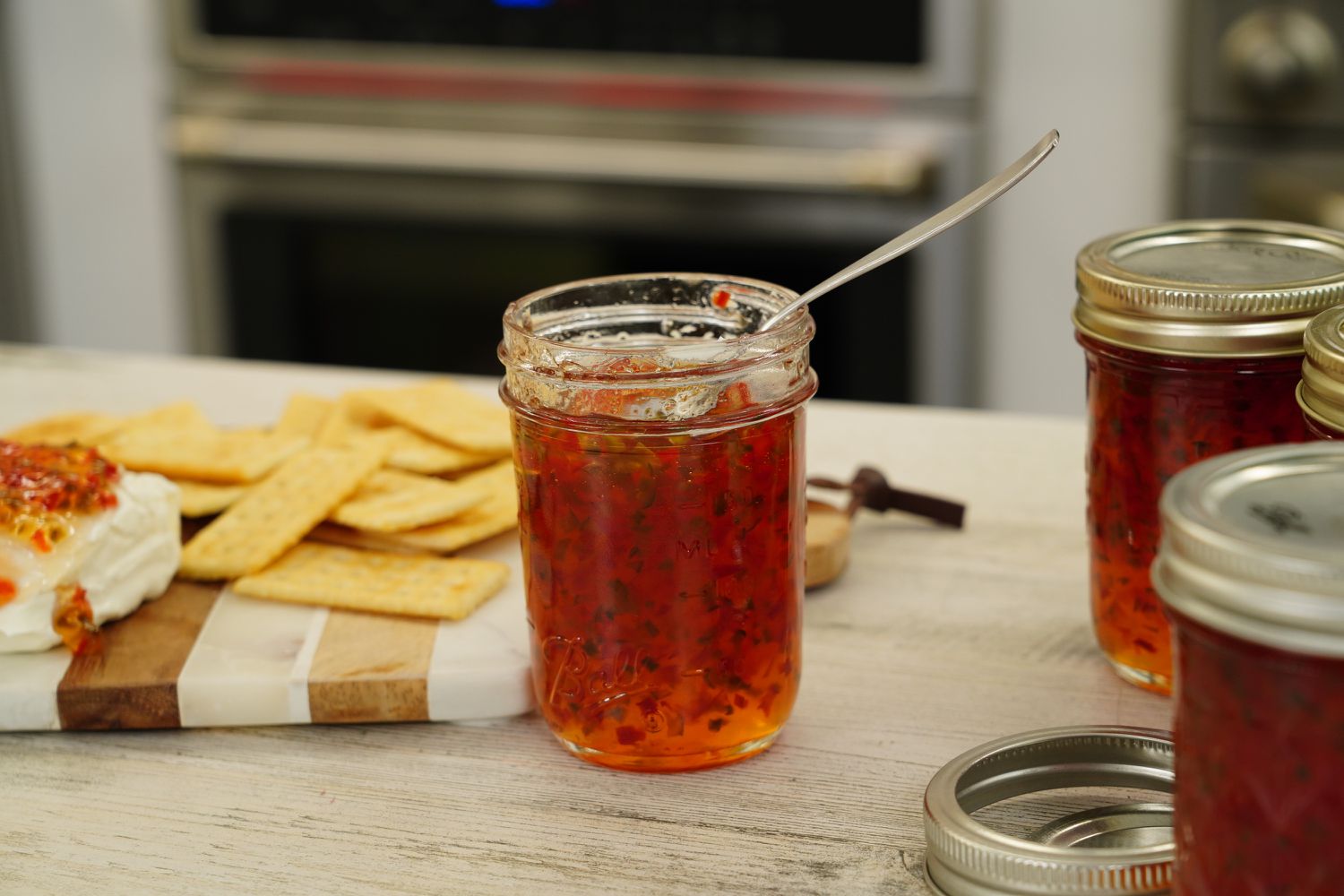
Jalapeño Pepper Jelly Recipe: Jalapeño pepper jelly is one of those recipes that perfectly balances sweet and spicy flavors in a way that makes your taste buds dance. At first bite, you’re greeted with a sugary, fruity sweetness, and just as you think it’s going to be a regular jelly, the warmth of jalapeños sneaks in with a little kick. It’s a spread that’s not just for toast—though it’s amazing on warm buttered bread—it’s also fantastic served with cream cheese and crackers, brushed onto grilled chicken, or used as a glaze for roasted meats.
And here’s the best part—homemade jalapeño jelly makes an incredible gift. Imagine handing someone a beautifully sealed jar of vibrant green jelly, tied with a ribbon. It’s thoughtful, unique, and always a conversation starter. Whether you’re making it for yourself or to share, this recipe is a step-by-step guide to ensure your jalapeño jelly comes out perfect every time.
Ingredients You’ll Need
Before diving into the cooking process, let’s break down exactly what you’ll need. Jalapeño jelly doesn’t require a complicated list of ingredients, but each component plays an important role in flavor, consistency, and preservation. Here’s what to gather:
- Fresh Jalapeños – The star of the show. Aim for firm, glossy peppers without blemishes. You can adjust how many you use depending on your heat preference. More seeds = spicier jelly.
- Bell Peppers (Red or Green) – These balance out the jalapeños with sweetness and add vibrant color. Red bell peppers especially give the jelly a beautiful jewel-like hue.
- Granulated Sugar – This is crucial not only for sweetness but also for the jelly’s texture. Sugar helps the jelly set properly when combined with pectin.
- Apple Cider Vinegar (or White Vinegar) – This adds tanginess and acts as a preservative. It balances the sweet and spicy flavors beautifully.
- Liquid Pectin – Pectin is what transforms the liquid into a gel. Without it, you’d end up with pepper syrup instead of jelly.
- Salt – Just a pinch helps enhance all the flavors.
- Optional Add-Ins – Crushed pineapple, mango, or even a hint of garlic or ginger can give your jelly a fun twist.
Here’s a simple base recipe to start with (makes about 5 half-pint jars):
- 10 fresh jalapeño peppers (seeded for mild, keep some seeds for more heat)
- 2 red bell peppers
- 5 cups granulated sugar
- 1 cup apple cider vinegar
- 1 pouch (3 oz) liquid pectin
- ½ teaspoon salt
This balance gives you a jelly that’s sweet, slightly tangy, and just the right amount of spicy for most palates.
Tools and Equipment Required
Making jelly at home doesn’t require an overly complicated setup, but having the right tools makes the process smoother and safer. Here’s what you’ll want on hand before starting:
- Cutting Board & Sharp Knife – Essential for chopping your peppers. A sharp knife ensures cleaner cuts and reduces the risk of slipping.
- Gloves – Trust me on this one: jalapeños can burn your skin. Wearing disposable kitchen gloves while handling them keeps the capsaicin from lingering on your hands.
- Blender or Food Processor – This helps break down the peppers into a fine consistency, so the jelly has a smoother texture.
- Large Saucepan – A heavy-bottomed pot is ideal for cooking down the peppers and sugar mixture.
- Wooden Spoon or Heatproof Spatula – For stirring while the mixture boils.
- Canning Jars & Lids – Use sterilized half-pint mason jars with new lids for safe preservation.
- Canning Funnel & Ladle – Makes transferring hot jelly into jars neat and efficient.
- Jar Lifter – Helps remove hot jars safely from the boiling water bath.
- Large Stockpot or Canner – If you plan to preserve the jelly for long-term storage, a water bath canner is a must.
Pro Tip: Always sterilize your jars before filling them. Place them in boiling water for 10 minutes, then keep them warm until ready to use. This prevents contamination and ensures your jelly stays fresh for months.
Preparing the Jalapeños
The key to a delicious jalapeño jelly lies in how you prepare the peppers. This step can make the difference between a jelly that’s just right and one that’s overpoweringly spicy or too mild.
- Wash Thoroughly – Rinse your jalapeños and bell peppers under cold running water. Dry them with a clean towel.
- Wear Gloves – Jalapeños contain capsaicin, the compound that gives them heat. Even a tiny bit on your fingers can cause burning if you touch your eyes, nose, or skin. Gloves are your best friend here.
- Remove Stems & Seeds – For a milder jelly, cut off the tops and remove the seeds and white membranes. If you love spice, leave some seeds in. A good balance is removing seeds from half the peppers and keeping them in the other half.
- Chop the Peppers – Roughly chop them into chunks. Since you’ll blend them later, precision isn’t crucial.
- Blend Until Smooth – Place the chopped jalapeños and bell peppers in a blender with a splash of vinegar. Pulse until finely minced or puréed, depending on the texture you prefer in your jelly.
Heat Control Tip: If you’re worried about spice levels, taste a tiny piece of your jalapeño before deciding how many seeds to include. Some jalapeños are mild, while others pack a serious punch.
Step-by-Step Guide to Making Jalapeño Pepper Jelly
Now comes the exciting part—bringing everything together. Making jalapeño jelly is a straightforward process, but timing is key. Follow these steps carefully for the perfect consistency and flavor.
Step 1: Blending the Peppers
Start by transferring your blended jalapeños and bell peppers into a large saucepan. Add the vinegar and bring it to a simmer. This helps cook down the raw flavors of the peppers and creates the base for your jelly.
Step 2: Cooking the Mixture
Once simmering, add in the sugar and salt. Stir continuously until the sugar dissolves completely. This step is crucial—undissolved sugar can cause crystallization in your finished jelly.
Step 3: Adding Pectin
Bring the mixture to a rolling boil, then add the liquid pectin while stirring. Let it boil hard for 1-2 minutes. The high heat activates the pectin and ensures the jelly sets properly.
Step 4: Boiling and Thickening
Keep stirring and boiling the mixture until it thickens slightly. You’ll notice it clings more to the spoon. Don’t worry if it looks runny—it will set as it cools.
Step 5: Testing Consistency
To test if your jelly is ready, place a small spoonful on a chilled plate. If it wrinkles slightly when pushed with your finger, it’s done. If not, boil for another minute and test again.
Once ready, ladle the hot jelly into sterilized jars, leaving about ¼ inch of headspace. Wipe the rims clean, seal with lids, and process in a boiling water bath for 10 minutes if you plan to store long-term.
Storing and Preserving Your Jalapeño Jelly
Making jalapeño pepper jelly is only half the fun—the other half is storing it properly so you can enjoy it for weeks or even months. Luckily, if you follow proper canning and preserving methods, your homemade jelly can last for up to a year. Here’s everything you need to know:
Short-Term Storage (Refrigerator Method)
If you’re making a small batch to use right away, you don’t need to go through the canning process. Simply pour the hot jelly into sterilized jars, seal them tightly, and refrigerate once cooled. In the fridge, your jelly should last about 3–4 weeks.
Long-Term Storage (Water Bath Canning)
For larger batches or if you want shelf-stable jelly, water bath canning is the safest option. After filling the jars, place them in a boiling water canner for about 10 minutes. This kills any bacteria, yeast, or mold and creates an airtight seal. Properly processed jars can last up to 12 months in a cool, dark pantry.
Signs of Spoilage
Even with proper storage, it’s important to check your jelly before using. If you notice mold, discoloration, off smells, or if the seal has popped open, discard it immediately.
Freezing Option
If you prefer not to can, you can freeze jalapeño jelly in freezer-safe containers. Leave about an inch of space at the top for expansion. Frozen jelly can last 6–8 months and tastes just as fresh once thawed.
Pro Tip: Label your jars with the date they were made so you’ll always know how long they’ve been stored.
Serving Ideas for Jalapeño Pepper Jelly
Now that you have jars of this sweet-and-spicy treasure, how should you serve it? The truth is, jalapeño pepper jelly is one of the most versatile condiments you’ll ever make. Here are some delicious ideas to get you started:
1. Classic Pairing with Cream Cheese and Crackers
This is hands down the most popular way to enjoy jalapeño jelly. Spread cream cheese on a cracker, top it with a spoonful of jelly, and you’ve got a snack that’s creamy, sweet, tangy, and spicy all at once. It’s always a hit at parties.
2. Glaze for Meats
Brush jalapeño jelly over chicken, pork chops, or salmon during the last few minutes of grilling or roasting. The sugars caramelize beautifully, giving your meat a shiny glaze with a spicy kick.
3. Sandwiches and Burgers
Add a layer of jalapeño jelly to your sandwiches for a gourmet touch. It pairs especially well with turkey, ham, or bacon. On burgers, it cuts through the richness of cheese and beef with just the right amount of sweetness.
4. Cheese Boards
Hosting guests? Serve jalapeño jelly alongside a selection of cheeses. It’s especially tasty with cream cheese, brie, cheddar, or goat cheese. The contrast between spicy jelly and creamy cheese is irresistible.
5. Salad Dressings and Marinades
Mix a spoonful into vinaigrettes or marinades for an unexpected twist. A jalapeño jelly dressing over a spinach and strawberry salad is absolutely delightful.
6. Breakfast Upgrade
Spread it on toast, bagels, or English muffins for a unique morning treat. It’s also delicious drizzled over pancakes or waffles.
When you make a batch of jalapeño pepper jelly, you’ll quickly find yourself adding it to dishes you never thought possible—it’s that versatile.
Tips for Perfect Jalapeño Jelly Every Time
Making jelly may sound easy, but like any recipe, there are small details that can make or break the final result. To help you get consistent, perfect results, here are some expert tips:
- Use Fresh Peppers – Avoid wrinkled or old jalapeños. Fresh, firm peppers provide the best flavor and color.
- Balance the Heat – If you’re nervous about spice, start with fewer seeds. You can always add more peppers in your next batch once you’re comfortable.
- Stir Constantly – When boiling the mixture, stir frequently to prevent scorching. Burned jelly has a bitter taste that can ruin the entire batch.
- Measure Accurately – Jelly is part art and part science. Too much or too little sugar or vinegar can affect the set and taste.
- Don’t Skip the Pectin – Without pectin, your jelly won’t gel properly. Always add it at a full rolling boil for the best results.
- Test Before Canning – Use the plate test (drop a spoonful on a chilled plate) to make sure your jelly has reached the right consistency before you jar it.
- Work Quickly – Once your jelly is ready, move fast to fill the jars. If it cools too much before pouring, it may not set correctly.
Think of jelly-making like a dance: timing, rhythm, and balance are everything.
Flavor Variations to Try
Once you’ve mastered the basic jalapeño pepper jelly, you can start experimenting with different flavor combinations. Here are some fun variations to spice things up:
- Pineapple Jalapeño Jelly – Add crushed pineapple for a tropical sweetness. Perfect with ham or pork.
- Cranberry Jalapeño Jelly – A holiday favorite that pairs beautifully with turkey and stuffing.
- Mango Jalapeño Jelly – Fruity and exotic, this version is incredible on fish tacos.
- Garlic Jalapeño Jelly – A savory twist that’s delicious as a glaze for roasted vegetables or meats.
- Mint Jalapeño Jelly – Fresh mint adds a cool undertone that balances the heat. Great with lamb dishes.
- Red Jalapeño Jelly – Swap green jalapeños for red ones for a deeper flavor and striking color.
Experimentation is part of the fun. Once you get comfortable, you’ll find yourself creating signature versions that your friends and family will request again and again.
Common Mistakes and How to Avoid Them
Even experienced cooks sometimes run into problems when making jelly. Don’t worry—I’ve got you covered with solutions to the most common issues:
Jelly Didn’t Set Properly
- Cause: Under-boiling, incorrect pectin usage, or too little sugar.
- Fix: Re-boil the jelly with a bit more pectin and sugar.
Jelly is Too Runny
- Cause: Not reaching a high enough temperature.
- Fix: Next time, use a candy thermometer to ensure the mixture hits 220°F (the gelling point).
Jelly is Too Stiff
- Cause: Too much pectin.
- Fix: Warm it slightly before serving or use it as a glaze.
Too Spicy
- Cause: Leaving too many seeds or membranes in.
- Fix: Mix with cream cheese or use as a glaze to tone down the heat.
Cloudy Jelly
- Cause: Not straining the pepper puree well enough.
- Fix: Strain through cheesecloth for a clearer, jewel-like jelly.
Remember, jelly-making is a skill that improves with practice. Even if your first batch isn’t perfect, it will still be tasty and usable in some way.
Health Benefits of Jalapeños in Your Jelly
Jalapeños are not just about the heat—they’re also loaded with nutrients that can add a surprising health boost to your jelly. While it’s true that the sugar content in jelly makes it more of a treat than a health food, you can still take comfort in knowing that each spoonful carries some benefits from the peppers themselves.
Rich in Vitamin C
Jalapeños are packed with vitamin C, an antioxidant that strengthens the immune system, boosts skin health, and helps your body absorb iron from other foods.
Capsaicin Content
The compound that makes jalapeños spicy—capsaicin—has been linked to metabolism boosts, appetite suppression, and even natural pain relief. Some studies suggest capsaicin can help with cardiovascular health by improving circulation.
Low in Calories
On their own, jalapeños are very low in calories and fat, making them a guilt-free addition to meals.
Antioxidants and Anti-Inflammatory Properties
Beyond vitamin C, jalapeños contain carotene and other antioxidants that fight free radicals. This may help reduce inflammation and protect against chronic disease.
Tip: For a slightly healthier version of this recipe, you can experiment with reducing sugar (though you’ll need to increase pectin or use low-sugar pectin). Alternatively, mix the jelly with plain Greek yogurt for a lighter dip that balances sweetness with protein.
Best Occasions to Serve Jalapeño Pepper Jelly
Jalapeño jelly isn’t just an everyday spread—it shines during special occasions. Here are some of the best times to pull out a jar:
Holiday Gatherings
Place it on a cheese board or serve with roasted turkey, ham, or chicken. The sweet heat makes it a festive condiment.
Summer BBQs
Use it as a glaze for grilled meats, burgers, or kebabs. It pairs wonderfully with smoky flavors from the grill.
Dinner Parties
Impress your guests with a simple appetizer: cream cheese topped with jalapeño jelly and served with crackers. It looks fancy but takes minutes to prepare.
Picnics and Potlucks
Pack a jar with some crackers and cheese, and you’ve got an instant crowd-pleasing snack.
Gift Giving
Homemade jalapeño jelly in a pretty jar with a ribbon makes a thoughtful hostess gift, holiday present, or wedding favor. It’s unique, delicious, and always appreciated.
In short, jalapeño jelly is one of those “special but simple” foods that fits right in at both casual and elegant events.
Why Homemade Jalapeño Jelly Beats Store-Bought
Sure, you can buy a jar at the store, but homemade jalapeño jelly wins every time—and here’s why:
- Freshness – Homemade versions are made with fresh jalapeños, giving them a brighter, more vibrant flavor.
- Customization – You control the spice level, sweetness, and flavor variations.
- No Preservatives – Store-bought versions often contain additives and artificial ingredients.
- Cost-Effective – Making a big batch at home is usually cheaper than buying multiple small jars.
- Gift-Ready – A homemade jar of jelly is more personal and thoughtful than anything you’ll find on a shelf.
Once you taste your own batch, you’ll likely never go back to store-bought.
FAQs about Jalapeño Pepper Jelly Recipe
Let’s clear up some of the most common questions people have when making jalapeño jelly:
1. Can I make jalapeño jelly without pectin?
Technically, yes—but it requires a much longer boiling time and a careful balance of sugar and acid. Using pectin is easier, faster, and more reliable.
2. My jelly didn’t set. What do I do?
Don’t panic! You can re-boil it with a bit more pectin. Or, embrace it as a jalapeño syrup—it’s delicious drizzled over pancakes or grilled meats.
3. Can I adjust the sugar?
Reducing sugar can cause the jelly to not set properly. If you want a lower-sugar version, use pectin specifically labeled for low or no sugar recipes.
4. How spicy is jalapeño jelly?
That depends on how many seeds you include. Without seeds, it’s mild. With seeds, it can get fairly spicy. Taste your peppers first, as jalapeño heat can vary.
5. Can I use other peppers instead of jalapeños?
Absolutely! Try serrano peppers for more heat, or mix jalapeños with sweet bell peppers for balance. You can even experiment with habaneros for a fiery jelly.
Conclusion
From a simple cracker-and-cream-cheese appetizer to a glossy glaze for grilled chicken, jalapeño pepper jelly proves that sweet and spicy can live in harmony. It’s more than just a condiment—it’s a flavor booster that transforms everyday meals into something unforgettable.
So, roll up your sleeves, grab some fresh jalapeños, and give this recipe a try. Whether you’re making it for yourself, your family, or as a thoughtful gift, jalapeño pepper jelly is guaranteed to win hearts (and taste buds).