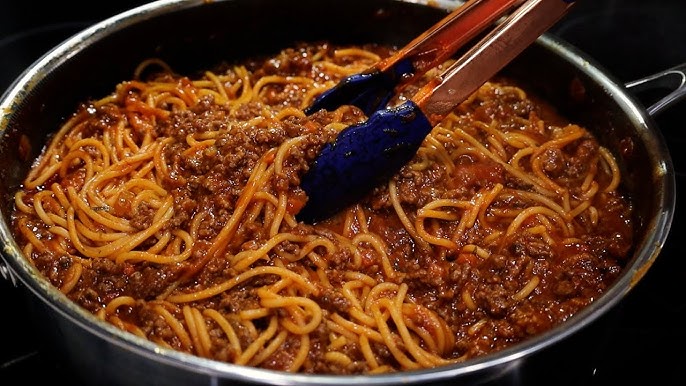
Italian Spaghetti Sauce Recipe: There’s something magical about the aroma of Italian spaghetti sauce simmering on the stove. It’s rich, comforting, and incredibly satisfying. Whether you’re preparing for a family dinner or want to elevate your pasta night, a homemade spaghetti sauce made the Italian way will transform your dish.
In this detailed, step-by-step guide, we’ll walk you through how to make a robust, flavorful, and totally authentic spaghetti sauce—straight from the heart of Italy to your kitchen.
What Makes Italian Spaghetti Sauce Special?
Unlike your average store-bought jar of marinara, authentic Italian spaghetti sauce has depth. It’s not just about tomatoes and herbs. It’s about slow cooking, using the freshest ingredients possible, and allowing flavors to develop naturally. Italian sauce is special because it’s simple yet layered with complexity. Every ingredient, from the tomatoes to the garlic, plays a key role.
The Italian culinary philosophy emphasizes quality over quantity. A handful of fresh ingredients, when cooked correctly, create a rich, savory sauce that’s better than anything you’ll find in a can. Italian spaghetti sauce doesn’t rely on sugar or artificial thickeners. It lets the tomatoes speak for themselves—balanced by olive oil, aromatics, and herbs.
You’ll notice how the sauce clings beautifully to pasta, how the flavors linger on the tongue, and how each spoonful transports you to a rustic Italian kitchen.
Traditional Roots of the Recipe
Italian spaghetti sauce, often referred to as “sugo” or “salsa di pomodoro,” has its roots deep in Southern Italy. While Northern Italians favor cream and butter-based sauces, the South leans into bold tomato flavors. The dish is centuries old, evolving as tomatoes—originally from the Americas—became central to Italian cuisine in the 18th century.
Each region has its variation. In Naples, the sauce might be chunkier with fresh basil. In Sicily, you’ll see additions like olives or capers. Regardless of where it’s made, the essence of Italian spaghetti sauce lies in time, care, and simplicity.
Ingredients You’ll Need
Fresh vs. Canned Tomatoes
Let’s get one thing straight: the tomatoes make or break your sauce.
- Fresh tomatoes (like San Marzano or Roma) offer natural sweetness and acidity. They require a bit more prep—peeling, seeding, and chopping—but they deliver unmatched freshness.
- Canned tomatoes are great when you’re short on time. Look for whole peeled San Marzano tomatoes (preferably DOP certified) for the best results. Avoid diced or pre-seasoned cans—they often include additives that distort the flavor.
Whether you use fresh or canned, make sure the tomatoes are ripe, slightly sweet, and low in acidity.
Here’s what you’ll need:
- 2 tablespoons olive oil
- 1 medium onion, finely chopped
- 4 cloves garlic, minced
- 1 can (28 oz) San Marzano tomatoes or 8 fresh Roma tomatoes, peeled and chopped
- 1 tablespoon tomato paste (optional but adds depth)
- 1 teaspoon dried oregano
- Fresh basil leaves (a handful, torn)
- Salt and pepper to taste
- Optional: 1/2 teaspoon sugar (if tomatoes are too acidic)
Aromatics and Herbs That Make the Difference
The backbone of Italian spaghetti sauce is its aromatic base. This is where the depth and complexity of flavor begin. Onions and garlic are the stars here. Cooked slowly in olive oil, they provide the foundation for everything that follows.
Oregano and basil are the two most essential herbs. Oregano gives the sauce its earthy backbone, while basil offers a fragrant lift. A sprig of rosemary or a pinch of thyme can also be included for additional flavor if desired.
Remember: fresh herbs go in at the end, while dried ones should be added early to let them release their oils and flavors into the sauce.
Step-by-Step Guide to Cooking the Sauce
Step 1: Prepping Your Ingredients
Good cooking always starts with prep. Wash your hands, sharpen your knife, and get organized. Chop the onions finely so they melt into the sauce. Mince the garlic—you want it to release flavor without burning. If you’re using fresh tomatoes, boil them briefly, then peel and chop them.
This stage might seem basic, but don’t rush it. A well-prepped mise en place ensures a smooth cooking experience and a tastier end result.
Chop basil leaves just before you use them to prevent discoloration. Keep tomato paste ready if you want to intensify the umami of your sauce.
Step 2: Sautéing the Base
Heat olive oil in a large, heavy-bottomed pan over medium heat. Add the chopped onion and a pinch of salt. Cook slowly, stirring occasionally, for about 5-7 minutes until the onions are soft and translucent. Now add the garlic. Stir constantly to prevent burning, and cook for another 1-2 minutes until fragrant.
At this point, your kitchen will already start to smell like a small trattoria in Italy.
Now’s the time to stir in tomato paste if you’re using it. Let it cook for 2-3 minutes to deepen its flavor. This step is optional but highly recommended for a richer taste.
Step 3: Adding Tomatoes and Simmering
Once your onions, garlic, and (optional) tomato paste are sautéed to perfection, it’s time to introduce the star of the show—tomatoes. Whether you’re using canned or fresh, add them to the pan, crushing them slightly with your hands or a spoon if they’re whole. Don’t be afraid to leave some texture; it adds character to the final sauce.
Stir the mixture well, scraping up any caramelized bits from the bottom of the pan. These bits, known as “fond,” hold tremendous flavor and should be reincorporated into the sauce. Once everything is combined, reduce the heat to low and let it simmer.
Now comes the most critical part—patience. Simmering allows the flavors to meld, the acidity to mellow, and the sauce to thicken. Cover partially and let it cook for at least 30 minutes, though an hour or more will yield a deeper, richer sauce. Stir occasionally and taste along the way. If the sauce starts to dry out, add a splash of water or broth to maintain the right consistency.
You’ll start to notice the sauce changing color, becoming a deep, brick-red hue. This transformation means the tomatoes are breaking down and the flavors are concentrating beautifully.
Step 4: Seasoning and Flavor Building
This is where you fine-tune your sauce to make it uniquely yours. Season the sauce with salt and pepper first—start small and adjust gradually. Taste is king here. Too bland? Add a pinch more salt. Too sharp? Stir in a teaspoon of sugar to balance the acidity.
Next, sprinkle in dried oregano. This herb loves slow cooking and releases its oils gradually, giving the sauce that classic Italian pizzeria aroma. If you’re adventurous, add a pinch of crushed red pepper flakes for a mild kick.
Tear a handful of fresh basil leaves and stir them in during the final 5 minutes of cooking. Fresh basil gives your sauce a sweet, aromatic lift that balances the savory tomato base. If you like a slightly smoky undertone, you can even add a dash of smoked paprika or a splash of red wine—both options bring warmth and complexity.
Optional add-ins at this stage include:
- A splash of balsamic vinegar for tanginess
- A knob of butter for silkiness
- Grated Parmesan rind simmered with the sauce for richness
Remember: seasoning isn’t a one-time deal. Taste constantly and tweak as needed.
Step 5: Finishing Touches
The sauce is now thick, flavorful, and full-bodied. Before serving, give it one final stir and taste check. If it needs brightening, add a tiny squeeze of lemon juice or a splash of olive oil.
If you prefer a smoother texture, use an immersion blender to purée the sauce to your desired consistency. Some people love it chunky and rustic; others want it velvety and refined—it’s totally up to you.
At this point, you can stir in fresh chopped parsley for a vibrant touch or finish with a drizzle of high-quality extra virgin olive oil. This final addition adds a luxurious mouthfeel and a grassy freshness that elevates the whole dish.
And there you have it—a homemade Italian spaghetti sauce that’s bursting with flavor, perfect for coating your favorite pasta.
Cooking Tips for Perfect Sauce Every Time
How Long Should You Simmer?
Simmering isn’t just a waiting game—it’s where the magic happens. The longer you simmer your sauce, the deeper and more complex the flavors become. A quick 30-minute simmer will give you a decent sauce, but if you can spare the time, go for an hour or even two.
Keep the heat low and steady. You want gentle bubbles—not a rolling boil—which can scorch the sauce and ruin the flavor. Stir occasionally, especially if you’re using a thick-bottomed pot where sauce can stick.
If the sauce becomes too thick during the simmer, add a little pasta water or vegetable broth. The starch in pasta water also helps the sauce cling to the noodles better.
Want to go full Italian grandma? Let it simmer on the back burner all day while you do other things. That’s how legends are made.
Balancing Acidity and Sweetness
Tomatoes are naturally acidic, which is part of what gives Italian sauce its signature tang. But too much acidity can make your sauce taste harsh. That’s where balance comes in.
Here are a few tricks:
- Add sugar: Just a teaspoon can neutralize excessive acidity without making the sauce sweet.
- Use carrots: Grate a small carrot and sauté it with the onions. Carrots naturally sweeten the sauce and add extra nutrients.
- Butter or cream: Stir in a pat of butter at the end to mellow sharp edges. This also gives the sauce a creamy finish.
- Baking soda: A pinch can neutralize acidity, but use it sparingly—it can flatten flavors if overdone.
Taste constantly and adjust. That’s the beauty of homemade spaghetti sauce: it adapts to your preferences and grows with your cooking skills.
How to Serve Italian Spaghetti Sauce
Pairing with Pasta Types
While “spaghetti” is in the name, this sauce is wonderfully versatile. Here are a few pasta pairing ideas:
- Spaghetti: The classic. Thin noodles allow the sauce to cling perfectly.
- Linguine: Slightly flatter than spaghetti, great for richer sauces.
- Rigatoni: The ridges hold chunky sauce beautifully.
- Penne: Excellent for a meatier variation.
- Tagliatelle: A wider pasta that pairs well if you’re adding cream or meat.
Cook pasta until al dente, then toss it directly in the sauce before serving. Letting pasta finish cooking in the sauce helps it absorb flavor and creates a more cohesive dish.
Topping Ideas and Garnishes
Elevate your plate with finishing touches:
- Fresh basil or parsley
- Shaved Parmesan or Pecorino Romano
- A drizzle of olive oil
- Cracked black pepper
- Red pepper flakes for heat
For a heartier meal, add grilled chicken, meatballs, or sautéed mushrooms. If you’re going for something lighter, serve it with roasted vegetables or a crisp side salad.
Storing and Reheating Your Sauce
Fridge and Freezer Tips
One of the best things about making Italian spaghetti sauce from scratch is the leftovers. In fact, many say it tastes even better the next day after the flavors have had more time to develop. But storing it the right way is key to preserving that rich, deep flavor.
To store your sauce in the refrigerator, let it cool completely before transferring it to an airtight container. It will stay fresh for up to 5 days in the fridge. Use glass containers if possible, as tomato sauce can stain plastic and absorb unwanted odors.
For longer storage, freezing is your best bet. Spoon the cooled sauce into freezer-safe containers or heavy-duty zip-top bags. Lay the bags flat in the freezer so they stack easily. This sauce can be stored frozen for up to 3 months without compromising its flavor.
Pro tip: Freeze in individual portions to make weeknight dinners a breeze. Just defrost what you need—no waste, no mess.
Label your containers with the date and portion size. This tiny step will save you major headaches later.
How to Reheat Without Losing Flavor
Reheating your sauce the right way ensures it doesn’t lose that deep, delicious flavor you worked so hard to build. The trick is to heat it slowly and gently.
- Stovetop method: Pour the sauce into a small saucepan and heat over low to medium-low heat. Stir occasionally until warmed through. Add a splash of water or broth if it seems too thick.
- Microwave method: Place the sauce in a microwave-safe bowl, cover loosely, and heat in 30-second increments. Stir in between until fully heated.
If you’re reheating sauce already mixed with pasta, add a bit of water or olive oil and reheat slowly to revive both the noodles and the sauce.
Never boil your sauce when reheating—it can break down the flavors and change the texture.
FAQs about Italian Spaghetti Sauce Recipe
Can I Make This Sauce Without Garlic?
Absolutely. While garlic adds a wonderful depth of flavor, it’s not essential. You can skip it entirely or replace it with shallots or leeks for a subtler flavor. Just remember that omitting garlic will result in a lighter, milder sauce.
What’s the Best Type of Tomato for Sauce?
The gold standard is San Marzano tomatoes. They’re sweet, low in acidity, and packed with flavor. Roma or plum tomatoes also work well, especially if you’re using fresh ones. For canned, go for whole peeled varieties for the best taste and texture.
Can I Add Meat to This Sauce?
Yes! You can turn this basic sauce into a hearty meat sauce by browning ground beef, pork, or Italian sausage before adding the onions and garlic. Simmer everything together and you’ve got yourself a delicious Bolognese-style spaghetti sauce.
How Do I Make It Spicier?
If you like a little heat, try adding crushed red pepper flakes, a pinch of cayenne pepper, or even a chopped chili pepper during the sautéing stage. Start small and taste as you go to avoid overpowering the sauce.
Is It Okay to Use Dried Herbs?
Yes, dried herbs work wonderfully—especially oregano, thyme, and bay leaves. Just remember that dried herbs are more concentrated than fresh, so use about one-third the amount. Add dried herbs early during cooking so they have time to rehydrate and release their full flavor.
Conclusion
There you have it—your complete, step-by-step guide to making an authentic Italian spaghetti sauce from scratch. This isn’t just any tomato sauce; it’s a love letter to Italy’s rich culinary history, crafted with care, patience, and a passion for flavor.
From sautéing your aromatics to simmering your tomatoes low and slow, every step is a chance to layer in complexity and depth. Whether you’re serving it over spaghetti, spooning it onto homemade lasagna, or freezing it for a future pasta night, this sauce will quickly become a staple in your kitchen.
And here’s the best part—it’s infinitely customizable. Want more heat? Add red pepper flakes. Like it smooth? Blend it up. Making it your own is part of the joy of cooking.
Once you’ve made this sauce from scratch, there’s no going back to the store-bought stuff. It’s not just about taste—it’s about the satisfaction of creating something incredible with your own hands.
So pour yourself a glass of red wine, stir that pot with love, and enjoy the aroma that fills your kitchen. Buon appetito!