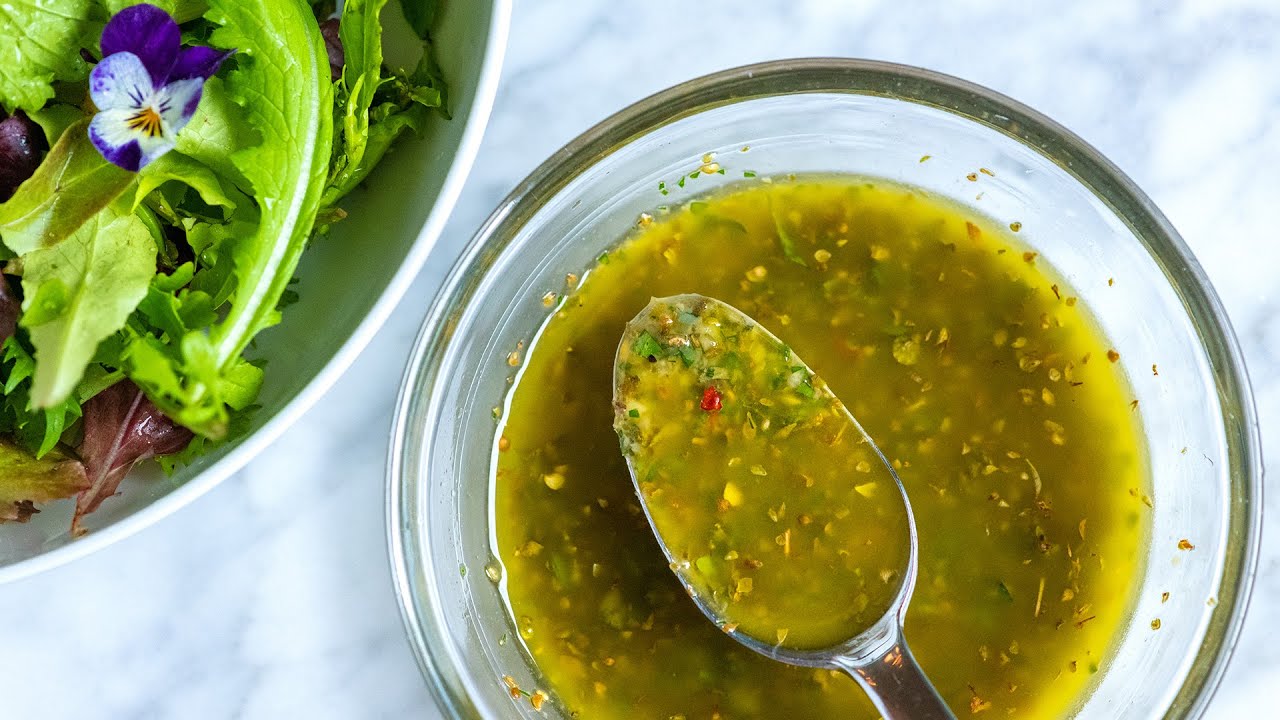
Italian Salad Dressing Recipe: When it comes to dressings that can instantly lift the flavor of a salad, Italian salad dressing is a classic that never goes out of style. Bursting with zesty, tangy, and herby notes, this dressing is more than just something you drizzle on greens—it’s a flavor booster you can use in countless dishes. The best part? Making it at home is incredibly easy, cost-effective, and healthier than most store-bought options that come packed with preservatives and artificial additives.
Why Italian Dressing is a Kitchen Staple
Italian salad dressing is popular because it strikes the perfect balance between tangy, savory, and fresh. Unlike creamy dressings such as ranch or Caesar, Italian dressing is light, refreshing, and versatile. It doesn’t overpower your dish; instead, it complements the natural flavors of the ingredients. For this reason, it’s often the go-to for people who want a light yet flavorful addition to their meals.
The Versatility of Italian Dressing
The beauty of Italian dressing lies in its adaptability. Sure, it’s fantastic on a classic garden salad, but it’s also an excellent marinade for chicken, steak, and seafood. You can toss it with pasta for a quick side dish, drizzle it over roasted vegetables, or even use it as a dip for fresh bread. When you learn how to make it at home, you’ll realize that it’s one of those recipes that always has a place in your weekly meal rotation.
Ingredients You’ll Need for Italian Salad Dressing
Making Italian salad dressing from scratch doesn’t require fancy ingredients—you’ll likely find most of them already in your pantry. What makes the biggest difference is the freshness of the ingredients you choose.
Essential Pantry Staples
Here are the core items you’ll need:
- Extra virgin olive oil – the base of the dressing; rich, smooth, and heart-healthy.
- Red wine vinegar – gives the dressing its tangy bite.
- Garlic (fresh or powdered) – adds a savory punch.
- Dried oregano – the classic herb in Italian cooking.
- Salt and black pepper – for seasoning and balance.
Fresh Ingredients for the Best Flavor
While pantry staples work well, fresh ingredients will take your dressing up a notch:
- Fresh parsley – bright and vibrant.
- Fresh basil – adds sweetness and fragrance.
- Freshly grated Parmesan cheese – optional, but adds depth and umami.
- Fresh lemon juice – enhances the tang and freshness.
Optional Add-Ins for a Unique Twist
If you love experimenting in the kitchen, try adding:
- Honey or sugar – to balance the acidity.
- Red pepper flakes – for a little heat.
- Mustard (Dijon or yellow) – helps emulsify and adds sharpness.
- Sun-dried tomatoes – for a bold Mediterranean touch.
Step-by-Step Guide to Making Italian Salad Dressing
Now that you’ve gathered your ingredients, let’s move to the fun part—making the dressing. The process is quick, but attention to detail ensures your dressing tastes restaurant-quality.
Step 1: Preparing Your Ingredients
Start by finely chopping your fresh herbs (parsley, basil) and mincing your garlic. If you’re using Parmesan cheese, grate it finely so it blends smoothly. Freshness is key here—herbs and garlic should be bright, aromatic, and not wilted.
Step 2: Mixing the Base
In a medium-sized bowl or a mason jar, combine:
- ½ cup extra virgin olive oil
- ¼ cup red wine vinegar
- 2 cloves garlic (minced or 1 tsp garlic powder)
- 1 teaspoon dried oregano
- ½ teaspoon salt
- ½ teaspoon black pepper
Whisk (or shake in a jar) until the oil and vinegar start to blend together.
Step 3: Balancing the Flavors
This is where you customize the dressing to your taste:
- Add 1 teaspoon Dijon mustard to help emulsify.
- Squeeze in the juice of half a lemon for freshness.
- Stir in chopped fresh parsley and basil.
- If you prefer a slightly sweet flavor, drizzle in 1 teaspoon honey.
Taste as you go—Italian dressing should be zesty, not too oily, and balanced between tangy and savory.
Step 4: Storing and Preserving the Dressing
Pour your finished dressing into a glass jar with a lid. Store it in the refrigerator for up to 7 days. Before each use, shake well, as the oil and vinegar tend to separate naturally.
Serving Ideas and Pairings
Italian salad dressing is far too delicious to be limited to just salads. Once you master this recipe, you’ll find endless ways to use it to elevate everyday meals.
Salads That Shine with Italian Dressing
Of course, the most obvious use is in salads, but not all salads are created equal. Italian dressing pairs particularly well with:
- Classic garden salad – Crisp lettuce, juicy tomatoes, cucumber, onion, and croutons drizzled with homemade Italian dressing make for a refreshing side.
- Antipasto salad – A hearty mix of salami, mozzarella, olives, roasted red peppers, and artichokes balanced with Italian dressing.
- Pasta salad – Toss cooked pasta with chopped veggies, olives, cheese, and your dressing for a crowd-pleasing side dish.
- Grilled vegetable salad – Roasted zucchini, peppers, and eggplant shine when lightly coated in zesty Italian dressing.
The tangy kick of the vinegar combined with the earthy herbs brings out the best in these salads, making them taste fresher and more exciting.
Beyond Salads – Creative Uses
Italian dressing is versatile enough to be used outside of the salad bowl. Try it as:
- A marinade for meats – The vinegar tenderizes chicken, steak, or pork while the herbs infuse rich flavor.
- A seafood enhancer – Use it to marinate shrimp or drizzle over baked fish.
- A veggie dip – Serve alongside raw vegetables for a light appetizer.
- A drizzle for sandwiches or wraps – Add it to a chicken wrap, Italian sub, or even a veggie sandwich for extra zest.
- A roasted potato seasoning – Toss potatoes in the dressing before roasting for a crisp, flavorful finish.
With so many uses, keeping a jar of homemade Italian salad dressing in your fridge means you always have a quick, flavor-packed solution on hand.
Tips, Tricks, and Variations
Even though Italian salad dressing is simple, a few extra tricks can help you elevate your recipe to the next level.
Adjusting for Dietary Needs
- Low-fat option – Replace half of the olive oil with water or vegetable broth.
- Vegan option – Skip the Parmesan cheese or use nutritional yeast for a similar savory flavor.
- Low-sodium option – Cut back on the salt and let the fresh herbs do the flavoring.
Flavor Variations to Try
Once you’ve nailed the classic recipe, don’t be afraid to mix it up:
- Creamy Italian dressing – Add a spoonful of mayonnaise or Greek yogurt for a thicker, creamier texture.
- Spicy Italian dressing – Stir in red pepper flakes or a dash of hot sauce.
- Herb-infused version – Add rosemary, thyme, or tarragon for a unique twist.
- Citrus Italian dressing – Swap the vinegar for orange or lemon juice for a fresh, fruity flavor.
Common Mistakes to Avoid
- Using low-quality olive oil – Since this is the base, it can make or break your dressing. Always choose extra virgin.
- Skipping the mustard or honey – These not only add flavor but also help emulsify the dressing so it doesn’t separate too quickly.
- Overpowering with vinegar – Too much acidity can make the dressing harsh. Taste as you go and balance with sweetness if needed.
- Not shaking before serving – Oil and vinegar naturally separate, so always shake well before pouring.
By keeping these tips in mind, you’ll consistently make a delicious, well-balanced dressing that everyone will love.
FAQs about Italian Salad Dressing Recipe
Q1: Can I make Italian dressing without olive oil?
Yes! While olive oil gives the best flavor, you can substitute with avocado oil, grapeseed oil, or even sunflower oil for a lighter taste.
Q2: How long does homemade Italian dressing last?
Stored in a sealed jar in the refrigerator, it typically lasts up to 7 days. Shake well before each use.
Q3: Can I use dried herbs instead of fresh ones?
Absolutely. Dried herbs work well and often have a stronger, concentrated flavor. Just use about half the amount compared to fresh.
Q4: What’s the difference between Italian and vinaigrette?
Italian dressing is essentially a vinaigrette but with added herbs and seasonings like oregano, parsley, and garlic that give it a signature Italian flair.
Q5: Can I use Italian dressing as a marinade?
Definitely! It works beautifully as a marinade for chicken, steak, pork, or seafood, adding flavor while tenderizing the meat.
Conclusion
Homemade Italian salad dressing is one of those recipes that proves the best flavors don’t have to be complicated. With just a few pantry staples, fresh herbs, and a little whisking, you can create a dressing that’s tangy, herby, and bursting with freshness. Unlike store-bought versions, it’s free from preservatives and can be customized to your liking—whether you want it sweeter, spicier, or creamier.
Once you’ve made it yourself, you’ll never look at bottled dressing the same way again. Plus, its versatility makes it a must-have in any kitchen, whether you’re tossing it on a crisp salad, marinating meat, or drizzling it over roasted veggies. So grab your ingredients, mix up a batch, and bring a taste of Italy into your meals today.