Italian Pizza Crust Dough Recipe: When you think of Italy, pizza is probably one of the first things that comes to mind. The magic of authentic Italian pizza lies not just in the toppings but in the crust—the foundation of every great slice. A true Italian pizza dough is simple, yet it carries centuries of tradition in every bite. Made with just a handful of ingredients—flour, water, yeast, salt, and olive oil—it is light, airy, chewy, and flavorful. The difference between a mediocre pizza and one that transports you straight to Naples is the dough itself.
The story of pizza dough goes back hundreds of years, with Neapolitan pizza being one of the oldest and most authentic forms. Italians have perfected the art of fermentation and dough-making, creating crusts that are crisp on the outside and tender on the inside. Many pizza lovers believe that the secret lies in the simplicity of ingredients and patience in preparation.
So why bother making your own pizza dough when you can buy one at the store? The answer is simple—homemade dough not only tastes fresher but also gives you control over texture and flavor. Store-bought dough often contains preservatives and lacks the authentic elasticity that a homemade dough provides. Plus, the satisfaction of stretching your own dough and watching it puff up in the oven is truly unmatched.
In this guide, we’ll take you step by step through the process of making Italian pizza dough from scratch. Whether you’re a beginner or an experienced home cook, by the end, you’ll have a perfect dough ready for baking into a golden, irresistible crust.
Essential Ingredients for Italian Pizza Crust
The beauty of Italian pizza dough lies in its simplicity. You don’t need an endless list of ingredients—just a few high-quality basics can transform your pizza-making experience. Each ingredient plays an important role in achieving the authentic texture and flavor.
List of Ingredients You’ll Need
Here’s what you’ll need to make an authentic Italian pizza dough:
- Flour (00 Flour preferred, or all-purpose) – the backbone of the dough.
- Water (lukewarm) – activates the yeast and helps with gluten development.
- Yeast (fresh or active dry yeast) – gives the dough its rise and airy texture.
- Salt – enhances flavor and balances fermentation.
- Olive Oil (extra virgin) – adds softness, elasticity, and flavor.
These ingredients may look ordinary, but when combined properly, they create magic.
Choosing the Right Flour (00 Flour vs. All-Purpose)
Flour is perhaps the most important choice you’ll make when preparing pizza dough. Italians traditionally use “00” flour, which is finely ground and produces a dough that’s elastic and easy to stretch. This flour gives you the iconic soft, chewy interior with a crisp outer edge.
If you can’t find 00 flour, don’t worry—high-quality all-purpose flour works just fine. The difference will mostly be in the texture. 00 flour tends to create a lighter, more delicate crust, while all-purpose flour can yield a slightly denser dough.
Role of Yeast and Fermentation in Pizza Dough
Yeast is the magic ingredient that brings the dough to life. Through fermentation, yeast breaks down sugars in the flour, releasing carbon dioxide and alcohol, which cause the dough to rise and develop flavor. A slow fermentation process, often done overnight in the fridge, results in a deeper, more complex taste.
Fast rises are convenient but don’t produce the same depth of flavor. For the most authentic Italian pizza dough, patience is your best friend.
Importance of Olive Oil and Salt
Olive oil doesn’t just add flavor—it helps create a tender dough that’s easier to stretch. It also prevents the dough from sticking and contributes to the crust’s golden color when baked. Salt, on the other hand, is not just about seasoning; it strengthens the gluten structure and helps control yeast activity. Without salt, your dough would rise too quickly and taste bland.
Together, these ingredients create the perfect harmony of texture, flavor, and aroma that makes Italian pizza crust so special.
Tools and Equipment You’ll Need
While you don’t need fancy equipment to make great pizza dough, having the right tools can make the process smoother and give you more consistent results.
Basic Kitchen Tools for Pizza Dough
- Large mixing bowl
- Measuring cups and spoons
- Wooden spoon or spatula
- Clean kitchen towel or plastic wrap (for covering dough)
- Baking sheet or tray (if you don’t have a pizza stone)
Optional Tools for Professional Results
- Pizza stone or pizza steel – helps achieve a crispy, restaurant-style crust.
- Dough scraper – makes handling sticky dough easier.
- Stand mixer with dough hook – saves time and effort during kneading.
- Digital kitchen scale – ensures precise measurements for consistent dough.
- Pizza peel – helps transfer the pizza into the oven without losing shape.
These tools aren’t mandatory, but if you’re serious about making pizza often, investing in them can elevate your homemade pizza game.
Step-by-Step Guide to Making Italian Pizza Dough
This is where the fun begins! Making Italian pizza dough is a process of patience and love. Each step, from mixing to fermentation, plays a role in shaping the final crust. Let’s break it down step by step:
Step 1 – Measuring and Preparing Ingredients
Start by gathering your ingredients: all-purpose or bread flour, water, instant yeast (or fresh yeast), olive oil, and salt. Measure carefully for the best results. Using a kitchen scale is ideal, as Italian pizza dough relies on precision to achieve that perfect chewy-yet-light texture.
Step 2 – Mixing the Dough
In a large mixing bowl, combine the flour and salt. In a separate bowl, dissolve the yeast in lukewarm water and let it sit for a few minutes until slightly foamy. Slowly pour the yeast mixture into the flour, adding olive oil, and mix until a rough, shaggy dough forms.
Step 3 – Kneading the Dough
Transfer the dough to a floured surface and knead for about 8–10 minutes until it becomes smooth and elastic. You can also use a stand mixer with a dough hook. Proper kneading develops the gluten, which gives the dough structure and allows it to stretch beautifully.
Step 4 – First Rise (Bulk Fermentation)
Place the kneaded dough in a lightly oiled bowl and cover it with a damp cloth or plastic wrap. Let it rise at room temperature for 1–2 hours, or until it doubles in size. This resting period allows the yeast to work and builds flavor.
Step 5 – Shaping the Dough into Balls
Once the dough has risen, punch it down gently to release air. Divide it into equal portions, depending on how many pizzas you want to make. Shape each portion into a smooth ball by tucking the edges underneath. Place the balls on a tray, cover them, and let them rest for 15–20 minutes.
Step 6 – Cold Fermentation (Optional for Extra Flavor)
For an even deeper flavor, place the dough balls in the refrigerator for 24–72 hours. This slow fermentation process enhances the texture and gives your pizza crust that authentic Italian taste with a hint of sourdough-like complexity.
Step 7 – Stretching and Preparing the Pizza Base
When ready to make your pizza, take the dough balls out of the fridge and let them return to room temperature. On a floured surface, gently stretch each dough ball into a thin, round base using your hands. Avoid using a rolling pin, as hand-stretching preserves the air bubbles that make the crust light and airy. Top with your favorite sauce, cheese, and toppings, then bake in a very hot oven (ideally on a pizza stone) until crisp and golden.
Baking the Perfect Italian Pizza
Baking is where all your effort pays off. Italian pizza dough needs intense heat to achieve that balance of crispness and chewiness.
Best Oven Temperatures for Pizza
Traditional wood-fired ovens reach up to 900°F (480°C), baking a pizza in just 90 seconds. While most home ovens can’t reach those temperatures, you can still make amazing pizza at 475–500°F (245–260°C). Preheating your oven thoroughly is key—give it at least 30 minutes.
Using a Pizza Stone or Steel
If you want professional results, a pizza stone or pizza steel is a must. These tools absorb heat and release it evenly, mimicking the floor of a wood-fired oven. Place your stone or steel in the oven during preheating, then slide your pizza directly onto it for that perfectly blistered crust.
Tips for Crispy and Soft Crusts
- Bake on the lowest rack of your oven for maximum heat.
- Brush the edges of the crust with olive oil for extra color and flavor.
- Don’t overload your pizza with toppings—too much moisture can make the crust soggy.
- For a crispier base, par-bake the dough for 3–4 minutes before adding toppings.
Once baked, your pizza should have a golden-brown crust with a chewy inside, crisp edges, and just the right amount of char.
Common Mistakes to Avoid
Even with the best recipe, mistakes can happen. Here are some pitfalls to watch out for:
Overworking the Dough
Kneading is important, but too much kneading makes the dough tough and difficult to stretch. Stop as soon as the dough passes the windowpane test.
Using Too Much Flour
Adding excessive flour during kneading or stretching can make the dough dry and dense. Work with just enough to keep it from sticking.
Skipping Fermentation Time
Patience is everything in pizza-making. Cutting fermentation short results in bland, lifeless dough. Always give your dough enough time to develop flavor and structure.
By avoiding these common mistakes, you’ll be one step closer to creating a pizza crust worthy of an Italian pizzeria.
Variations of Italian Pizza Dough
One of the best things about pizza dough is its versatility. While the traditional Neapolitan dough is the most famous, Italy has multiple regional variations that offer different textures and flavors. Once you’ve mastered the basic recipe, you can experiment with these styles to discover your personal favorite.
Thin-Crust Neapolitan Style
This is the classic pizza dough that originated in Naples. It’s soft, thin in the center, and slightly chewy with a bubbly crust that chars beautifully in a hot oven. Authentic Neapolitan pizza is made with 00 flour, fresh yeast, water, and salt—no sugar, no oil. The dough is fermented for at least 24 hours, giving it that authentic flavor. If you love a light, airy pizza with minimal toppings, this is the style for you.
Roman Style Pizza Dough
Roman pizza is a little different. It’s known for being crispier and thinner, almost like a flatbread. Sometimes, Roman pizza dough includes olive oil, which makes it more pliable and helps achieve a crunchy texture when baked. It’s also rolled out thinner than Neapolitan dough, making it perfect for people who prefer a crisp, cracker-like crust.
Whole Wheat and Gluten-Free Options
For a healthier twist, you can substitute part of the flour with whole wheat flour. Whole wheat dough tends to be denser and nuttier in flavor, but when balanced correctly, it can be both nutritious and delicious.
Gluten-free doughs are also popular for those with dietary restrictions. They usually use a mix of gluten-free flours like rice flour, tapioca flour, or almond flour. These require different hydration and binding agents (such as xanthan gum) to achieve the elasticity of regular dough. While it won’t be exactly the same as a traditional crust, gluten-free pizza dough can still be crispy and satisfying.
Experimenting with variations keeps pizza exciting, and you’ll soon realize there’s a style of pizza crust for every mood and occasion.
Serving Suggestions and Toppings
Once your pizza crust is ready, the fun part begins—choosing the toppings. The possibilities are endless, but some combinations stand the test of time.
Traditional Italian Toppings
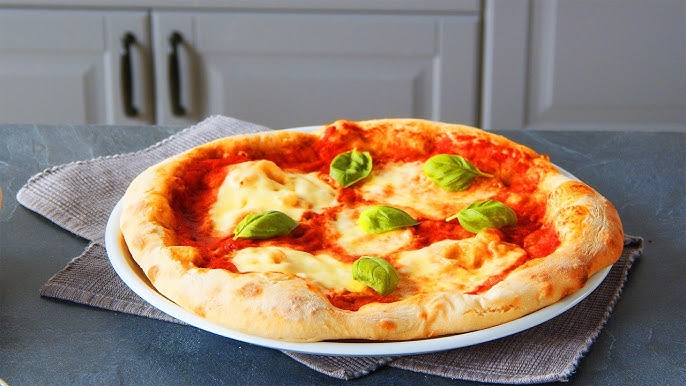
- Margherita: Tomato sauce, fresh mozzarella, basil, and olive oil. Simple yet iconic.
- Marinara: Tomato sauce, garlic, oregano, and olive oil. A rustic, cheese-free classic.
- Quattro Formaggi: A rich blend of four cheeses, usually mozzarella, gorgonzola, parmesan, and fontina.
- Prosciutto e Rucola: Topped with thin slices of prosciutto and fresh arugula after baking.
Creative Modern Toppings
- BBQ chicken with caramelized onions
- Pesto with grilled vegetables
- Smoked salmon with cream cheese and capers
- Spicy pepperoni with jalapeños and honey drizzle
Pairing with Sauces and Cheeses
The sauce sets the tone of your pizza. While tomato-based sauces are the most common, you can also experiment with pesto, béchamel, or even garlic butter. For cheese, mozzarella is the classic choice, but don’t shy away from trying provolone, gouda, ricotta, or burrata for different textures and flavors.
A good tip is to balance flavors—if you’re using salty toppings like olives or cured meats, pair them with something fresh like arugula or cherry tomatoes.
Storage and Make-Ahead Tips
Pizza dough is one of those things you can easily prepare ahead of time, making pizza nights stress-free and fun.
Freezing Pizza Dough
If you’ve made extra dough, freezing is the best option. After the first rise and shaping into balls, wrap each dough ball tightly in plastic wrap and place it in a freezer bag. Frozen dough can last up to 3 months. When ready to use, thaw overnight in the refrigerator, then bring it to room temperature before stretching.
Refrigerating Pizza Dough
Pizza dough can also be stored in the refrigerator for up to 3 days. Keep it covered in a bowl or container to prevent drying out. Cold dough develops more flavor, so this is a great option if you want deeper taste without waiting days.
Reheating Tips for Leftover Pizza
Nobody likes soggy leftover pizza. To reheat, skip the microwave—it ruins the crust. Instead, reheat slices in a skillet over medium heat for a few minutes until the crust is crisp again. Alternatively, use an oven at 375°F (190°C) for 8–10 minutes to revive that fresh-baked texture.
With proper storage, you can always have pizza dough ready, making homemade pizza a quick and easy option anytime.
FAQs about Italian Pizza Crust Dough Recipe
1. How long should pizza dough rise?
Ideally, pizza dough should rise for at least 1–2 hours at room temperature or 24 hours in the refrigerator for deeper flavor.
2. Can I make pizza dough without yeast?
Yes, you can use baking powder or sourdough starter, but the texture and flavor will be different from classic yeast dough.
3. What’s the best flour for pizza crust?
00 flour is the gold standard for Italian pizza, but all-purpose flour is a great substitute.
4. Why is my pizza crust too hard?
This usually happens if you overbake, use too much flour, or skip the fermentation process.
5. Can I use a regular oven instead of a pizza oven?
Absolutely! Just preheat it to the highest temperature possible and use a pizza stone or steel for the best results.
Conclusion
Whether you prefer a traditional Neapolitan style, a crispy Roman crust, or a healthier whole wheat version, the foundation remains the same—a love for good food and the joy of sharing it with others. So, roll up your sleeves, dust your counter with flour, and let your kitchen be filled with the irresistible aroma of freshly baked pizza.
Once you’ve mastered the dough, the world of pizza toppings and flavors is endless. And the best part? You’ll never look at store-bought pizza the same way again.