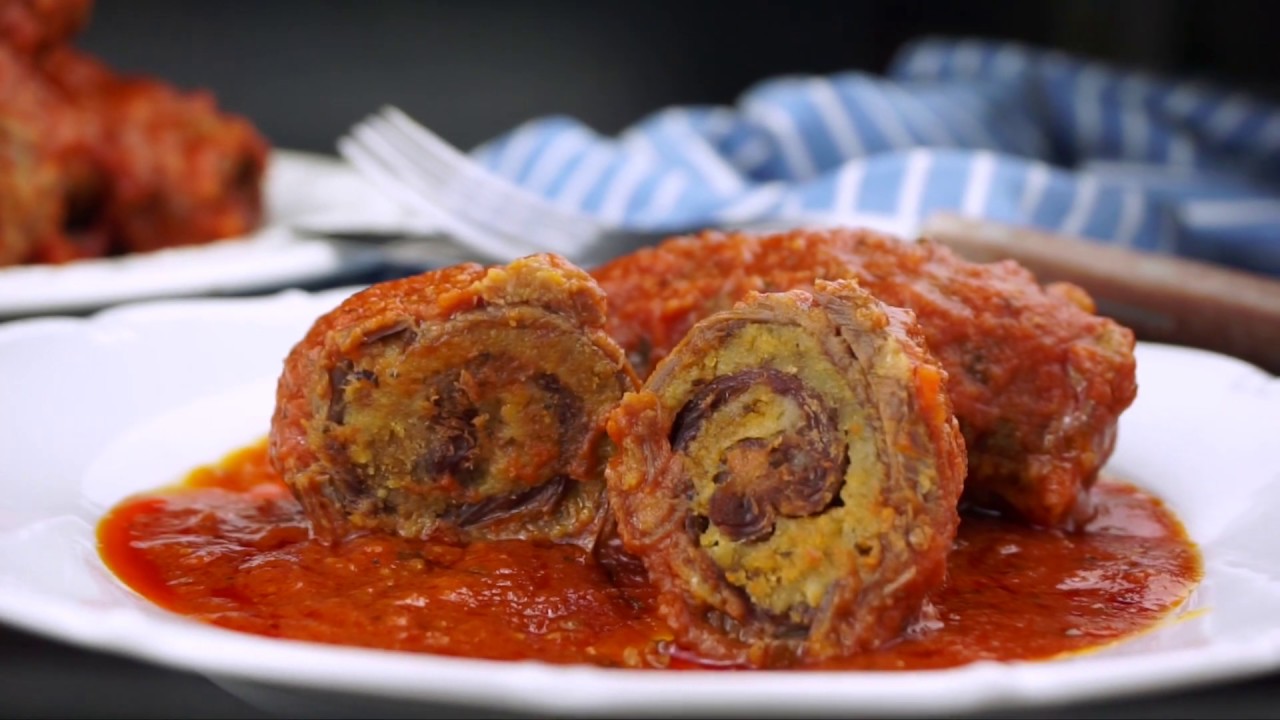
Italian Braciole Recipe: If you’ve ever sat down at an Italian Sunday dinner, chances are you’ve heard of or even tasted braciole. This dish is one of those hearty, comforting meals that immediately brings a sense of family and tradition to the table. But what exactly is braciole? Simply put, it’s a thin cut of meat, usually beef, rolled with a delicious filling of breadcrumbs, cheese, herbs, and sometimes cured meats, then braised in a rich tomato sauce until melt-in-your-mouth tender.
What is Braciole?
Braciole (pronounced brah-ZHOL, though some regions say BRAH-jole) is a classic Italian meat roll. Traditionally, it’s made with thin slices of beef that are pounded flat, stuffed with flavorful ingredients, rolled tightly, tied, and simmered for hours in tomato sauce. The result? A dish that’s savory, aromatic, and layered with rich flavors that soak into the sauce as it cooks.
History and Origins of Braciole in Italian Cuisine
Braciole has its roots in Southern Italy, particularly in Naples and Sicily, where beef was less common than pork or even fish. Families made the most of thin, inexpensive cuts of meat by stretching them with a hearty filling. Over time, the dish evolved into a Sunday special and festive meal. When Italian immigrants brought braciole to America, it became a staple at family gatherings, often served alongside pasta.
Why Braciole is a Comfort Food Classic
There’s something special about a dish that requires time and patience. Braciole isn’t fast food—it’s a slow, intentional recipe that invites conversation, wine, and family time while it simmers away. The tomato sauce becomes infused with meat juices, while the rolls themselves absorb all the herbs and cheese from the filling. It’s the kind of meal that feels like a hug on a plate, and that’s why braciole remains a beloved comfort food across generations.
Ingredients You’ll Need for Italian Braciole
Making braciole doesn’t require fancy or hard-to-find ingredients, but it does rely on quality and freshness. Here’s what you’ll need:
Essential Ingredients for the Meat Filling
- Thin slices of beef (top round, flank, or sirloin work best)
- Italian breadcrumbs
- Parmesan or Pecorino Romano cheese, grated
- Fresh parsley, chopped
- Garlic, minced
- Salt and pepper to taste
Ingredients for the Sauce
- Olive oil
- Onion, finely chopped
- Crushed tomatoes or tomato puree
- Red wine (optional, but highly recommended for depth of flavor)
- Basil and oregano
- A pinch of sugar (to balance acidity)
- Bay leaf
Substitutions and Variations
- Breadcrumbs: Swap with panko or crushed crackers for texture.
- Cheese: Try provolone or mozzarella for a gooey surprise inside.
- Herbs: Experiment with rosemary, thyme, or even fresh mint.
- Meat: Use pork, chicken, or even veal for variations on the classic.
The best part? Braciole is incredibly forgiving. As long as you stick to the basic formula—thin meat, a savory stuffing, and a long simmer—you’ll end up with something delicious.
Choosing the Right Cut of Meat
One of the secrets to tender, flavorful braciole lies in the cut of meat you choose. Since this dish involves braising, even tougher cuts become fork-tender when cooked properly.
Traditional Beef Braciole
The most common choice is beef top round or flank steak. These cuts are affordable, lean, and easy to pound thin. Once rolled, tied, and braised, they transform into a melt-in-your-mouth delight.
Pork or Chicken Alternatives
While beef is the traditional go-to, pork loin makes an excellent substitute, adding a slightly sweeter flavor. Chicken breasts, pounded thin, can also be used for a lighter version of braciole. Each variation brings something unique while still keeping the essence of the dish intact.
Tips for Tender Meat Rolls
- Pound the meat until it’s even and about ¼-inch thick.
- Trim excess fat or sinew for smoother rolling.
- Always sear the rolls before braising to lock in flavor.
Think of it this way: braciole is like a gift-wrapped package, and the meat is the wrapping paper. Choose wisely, prepare it well, and the end result will be worth the effort.
Preparing the Braciole Filling
The filling is what transforms braciole from just meat into a dish bursting with flavor, texture, and tradition.
Classic Cheese and Herb Stuffing
At its simplest, the filling consists of grated Parmesan or Pecorino Romano, garlic, and parsley. These bold, salty flavors seep into the meat as it cooks, enhancing every bite.
Using Breadcrumbs for Texture
Breadcrumbs not only add structure to the filling but also act like little flavor sponges. They soak up juices and sauce, giving the inside of the braciole a soft yet hearty bite.
Adding Flavor with Garlic and Herbs
Don’t skimp on garlic—it’s the heart of Italian cooking. Pair it with fresh parsley, basil, or oregano for a well-rounded herbal kick. Some families even add chopped prosciutto or salami inside the roll for an extra layer of richness.
In short, the filling is your chance to be creative. Just remember the golden rule: balance. Too much of one ingredient can overwhelm the others, so aim for harmony in every roll.
Step-by-Step Guide to Making Braciole
Now comes the fun part—assembling your braciole. This process takes a little patience, but once you’ve done it, you’ll realize how easy and satisfying it is.
Step 1: Flattening the Meat Properly
Lay the beef slices between two sheets of plastic wrap or parchment paper. Using a meat mallet, pound each piece until about ¼-inch thick. The thinner the cut, the easier it is to roll and the more tender it will become after cooking.
Step 2: Stuffing and Rolling Technique
Sprinkle the breadcrumb mixture evenly across the meat, leaving a small border around the edges. Add grated cheese, fresh herbs, and a touch of garlic. Then, starting from one end, roll the meat tightly like a jelly roll.
Step 3: Securing the Rolls with Kitchen Twine or Toothpicks
Once rolled, secure each piece with kitchen twine or toothpicks. This step is crucial—without it, the rolls may unravel during cooking, and you’ll lose that beautiful filling into the sauce.
Step 4: Browning the Braciole for Flavor
Heat olive oil in a large skillet and brown the rolls on all sides. This step develops a rich, caramelized crust that adds incredible depth to the final dish. Don’t skip it—this is where the flavor begins.
Cooking the Braciole in Sauce
Cooking braciole is where the real magic happens. Once you’ve rolled, secured, and browned your meat, it’s time to let the sauce do its work. Slow simmering transforms even the toughest cuts into tender bites, while the filling flavors seep into the tomato base.
Building a Rich Tomato Sauce Base
Start by sautéing chopped onions and garlic in olive oil until golden and fragrant. Add a splash of red wine, letting it simmer until reduced by half—this step deepens the flavor and adds richness. Pour in crushed tomatoes or tomato puree, season with basil, oregano, salt, pepper, and a pinch of sugar to balance acidity. Toss in a bay leaf for extra aroma, and you’ve got the perfect base for braciole.
Simmering the Braciole to Perfection
Once the sauce is bubbling, nestle the browned rolls into the pot. Make sure they are fully submerged in sauce—this ensures even cooking and flavor infusion. Lower the heat to a gentle simmer and cover partially. Braciole typically takes 1.5 to 2 hours to cook until tender. The longer it simmers, the more flavorful and succulent the rolls become.
How Long to Cook for Best Results
Patience is key. A quick simmer won’t cut it—braciole needs time to break down and tenderize. If you’re in a rush, you can use a slow cooker on low for 6-7 hours or a pressure cooker for 45 minutes, but the stovetop method is the most traditional and produces unbeatable flavor.
Serving Suggestions for Italian Braciole
Once your braciole is perfectly tender and bathed in rich tomato sauce, it’s time to think about how to serve it. This dish shines when paired with sides that balance its hearty nature.
Pairing with Pasta
The most classic pairing is, of course, pasta. Spaghetti, rigatoni, or penne are all great choices. The braciole rolls are served on the side, while the sauce doubles as pasta sauce. It’s like two dishes in one—meat and pasta in perfect harmony.
Serving with Polenta or Mashed Potatoes
In Northern Italy, braciole is often served over creamy polenta. The smooth, buttery texture complements the rich tomato sauce beautifully. Mashed potatoes are another great option, especially if you want a heartier, stick-to-your-ribs kind of meal.
Best Side Dishes to Complement Braciole
- A fresh green salad with balsamic vinaigrette
- Roasted seasonal vegetables
- Garlic bread or crusty Italian bread for dipping in sauce
- A glass of red wine, such as Chianti or Sangiovese, to round out the meal
Think of braciole as the star of the show—the sides should enhance, not overshadow, its flavors.
Common Mistakes to Avoid
Even though braciole isn’t a complicated dish, there are a few pitfalls that can ruin your hard work if you’re not careful.
Overstuffing the Meat Rolls
It’s tempting to load your braciole with as much filling as possible, but don’t. Too much filling makes rolling difficult, and worse, the stuffing can spill out during cooking, leaving you with a messy sauce. Stick to a thin, even layer.
Not Browning Before Simmering
Skipping the browning step might save time, but you’ll lose out on deep, caramelized flavor. Browning creates that irresistible savory base that enriches both the meat and the sauce.
Undercooking or Overcooking
Braciole requires balance. If undercooked, the meat will be tough and chewy. If overcooked, it may fall apart completely. Stick to the recommended time and always test with a fork—it should pierce the meat easily without it disintegrating.
Variations of Braciole Across Italy
Italy is famous for its regional twists on classic dishes, and braciole is no exception. Depending on where you are, you might find different fillings, sauces, and meat choices.
Southern Italian Braciole (Naples and Sicily)
In Southern Italy, braciole often includes pine nuts, raisins, and hard-boiled eggs inside the filling. This gives a sweet-savory flavor profile unique to the region. The rolls are simmered in a robust tomato sauce and usually served with pasta.
Northern Italian Braciole (Lombardy and Tuscany)
In the North, braciole sometimes skips the tomato sauce entirely. Instead, it may be braised in white wine, broth, and onions, creating a lighter but equally flavorful dish. Cheese, herbs, and cured meats like prosciutto are common additions to the stuffing.
American-Italian Adaptations
When Italian immigrants brought braciole to the United States, they adapted it to available ingredients. In many American kitchens, you’ll find larger rolls, heavy use of tomato sauce, and a strong emphasis on pairing with spaghetti. This version has become a Sunday dinner favorite in countless Italian-American households.
Storing and Reheating Braciole
Like many Italian dishes, braciole actually tastes better the next day once the flavors have had time to meld. Storing and reheating it properly ensures you can enjoy it more than once.
How to Store Leftovers Properly
Place cooled braciole and sauce in an airtight container. Store in the refrigerator for up to 3-4 days. Make sure the rolls are completely covered in sauce—this prevents them from drying out.
Freezing Braciole for Later Use
Braciole freezes beautifully. Wrap each roll tightly in plastic wrap, then place them in a freezer bag along with some sauce. They can last up to 3 months in the freezer. Thaw overnight in the fridge before reheating.
Best Reheating Methods
The best way to reheat braciole is on the stovetop in its sauce over low heat. This keeps the meat tender and prevents it from drying out. If you’re short on time, the microwave works too, but be sure to cover it and reheat in short intervals to avoid toughness.
Nutritional Value of Italian Braciole
Braciole is indulgent and flavorful, but it also provides a solid nutritional profile when prepared with fresh, wholesome ingredients. Let’s break down the main components so you know what you’re getting on your plate.
Protein and Vitamins from Meat
The beef or pork used in braciole is packed with high-quality protein, essential for muscle repair and energy. Depending on the cut, it can also be rich in iron, zinc, and B vitamins—nutrients that support blood health and boost immunity. Choosing leaner cuts can help reduce fat content without sacrificing flavor.
Calories and Carbohydrates from Breadcrumbs
Breadcrumbs add body to the filling, but they also bring in extra carbohydrates and calories. While not inherently bad, if you’re watching your carb intake, you can swap them with almond flour, crushed nuts, or even cooked quinoa for a lighter option.
Healthier Ingredient Swaps
- Use whole wheat breadcrumbs for added fiber.
- Swap Pecorino Romano with part-skim mozzarella to lower sodium.
- Opt for a tomato sauce with no added sugar to reduce unnecessary calories.
On average, one serving of braciole with sauce comes in at around 350–450 calories, depending on meat choice and filling. Balanced with vegetables and whole grains, it can easily fit into a nutritious meal plan.
Tips and Tricks for Perfect Braciole
Braciole is a dish that rewards attention to detail. A few small adjustments can take your version from good to unforgettable.
Choosing the Right Herbs and Cheese
Fresh herbs always beat dried ones in flavor intensity. Go for flat-leaf parsley, basil, or oregano to brighten the filling. When it comes to cheese, Parmesan and Pecorino Romano are classics, but a little provolone adds creaminess and depth.
Slow Cooking vs. Pressure Cooking
Traditionalists swear by slow cooking on the stovetop or in the oven, as it allows the meat and sauce to develop full-bodied flavor. However, if you’re short on time, a pressure cooker or Instant Pot can give you tender braciole in under an hour. Just remember: slow cooking gives the richest taste, while pressure cooking offers convenience.
Enhancing Flavor with Wine
A splash of red wine in the sauce adds a robust, earthy note that ties everything together. Chianti, Merlot, or even a dry Cabernet Sauvignon works perfectly. For a lighter version (especially in Northern Italian styles), use white wine for a more delicate flavor.
One more insider secret? Let the braciole rest for 10–15 minutes after cooking. This helps the rolls firm up, making them easier to slice and serve without falling apart.
Braciole as a Holiday and Family Dish
Braciole isn’t just dinner—it’s a dish that carries tradition, memory, and celebration. In many Italian households, it’s considered a centerpiece for special occasions.
Braciole in Italian Sunday Dinners
Sunday dinners are sacred in Italian culture, often stretching into hours of conversation and multiple courses. Braciole is a staple at these gatherings, bringing families together around the table with pasta, wine, and bread to soak up the sauce.
Serving Braciole for Christmas or Easter
In Southern Italy, braciole is often part of the holiday feast, especially on Christmas Day or Easter Sunday. Its rich, celebratory flavor makes it ideal for marking special moments. The long cooking process also makes it feel like a true labor of love, perfect for sharing with loved ones.
Making Braciole Ahead of Time for Parties
One of the best things about braciole is that it can be made in advance. Prepare the rolls, simmer them in sauce, and refrigerate overnight. The next day, simply reheat, and you’ll find that the flavors have deepened even more. This makes it perfect for parties, family reunions, and any event where you want a stress-free yet impressive meal.
FAQs about Italian Braciole Recipe
1. Can I make braciole without tomato sauce?
Yes! In Northern Italy, braciole is often cooked in white wine, broth, and onions instead of tomato sauce. It’s lighter but just as flavorful.
2. How do I keep my braciole from falling apart while cooking?
Make sure to secure the rolls tightly with kitchen twine or toothpicks. Browning them before simmering also helps hold their shape.
3. What pasta goes best with braciole?
Spaghetti, rigatoni, or penne are excellent choices because their shapes hold onto the sauce well.
4. Can I prepare braciole in advance?
Absolutely. In fact, braciole tastes even better the next day after the flavors have settled. Store in sauce in the fridge overnight.
5. What wine pairs best with braciole?
A medium-bodied red like Chianti, Barbera, or Merlot complements the rich tomato sauce and hearty filling beautifully.
Conclusion
Italian braciole is more than just a recipe—it’s a tradition that carries warmth, history, and togetherness. From pounding the meat to carefully rolling the filling, every step is a labor of love. Slow simmered in rich tomato sauce, braciole emerges tender, flavorful, and perfect for sharing with family and friends. Whether you’re preparing it for a Sunday dinner, a holiday feast, or simply to treat yourself, this dish never disappoints.
So next time you’re craving true Italian comfort food, roll up your sleeves, gather your ingredients, and try making braciole from scratch. Trust me—you’ll understand why this recipe has stood the test of time across generations and continents.