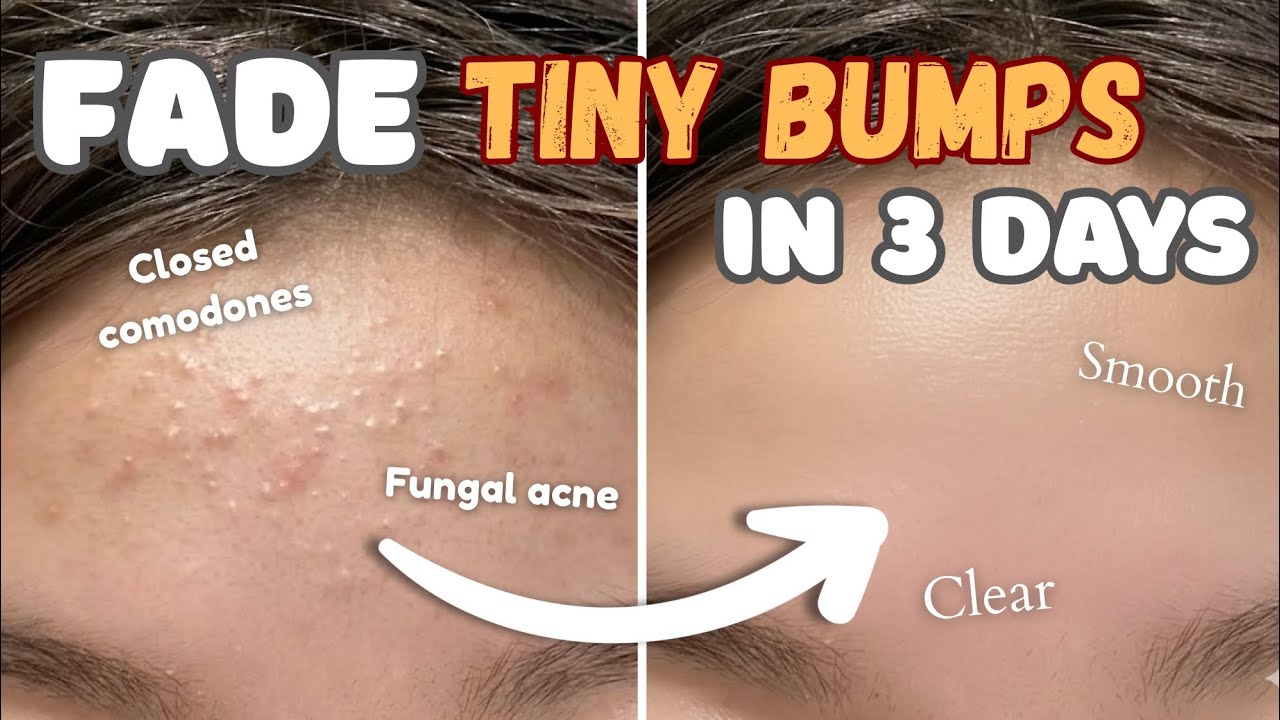
How to Treat Acne at Home: Acne. Just the word itself can trigger memories of frustration, late-night pimple popping (don’t do that!), and the desperate hunt for miracle cures. Whether you’re a teen going through hormonal changes or an adult facing stubborn breakouts, acne can be a persistent, annoying problem. While store shelves are packed with creams and spot treatments, there’s something comforting and often more sustainable about treating acne at home.
So, why go the home remedy route? For one, it’s cost-effective. Second, many natural remedies have been trusted for generations. And finally, home care allows you to avoid harsh chemicals that might irritate sensitive skin. But here’s the catch — not every DIY recipe on the internet is safe or effective. That’s why we’re diving deep into a professional yet easy-to-follow guide to treating acne at home the right way.
In this article, we’ll explore the causes of acne, natural treatments backed by science, essential skin care tips, and the do’s and don’ts of home remedies. If you’re ready to say goodbye to breakouts and hello to clearer skin, let’s jump right in.
Understanding Acne: Causes and Types
Before we start whipping up home treatments, it’s crucial to understand what you’re up against. Acne isn’t just a surface-level issue — it starts beneath the skin.
Common Causes of Acne
Acne usually begins when hair follicles become clogged with oil (sebum) and dead skin cells. This blockage creates the perfect breeding ground for bacteria, particularly Propionibacterium acnes, which leads to inflammation and — boom — a pimple appears.
Here are the top triggers:
- Hormonal fluctuations (especially during puberty, menstruation, or stress)
- Excess oil production
- Poor skincare habits or using comedogenic products
- Diet high in sugar and dairy
- Environmental pollution
- Stress (yes, it’s not just in your head)
Different Types of Acne
Not all pimples are created equal. Understanding what kind of acne you have helps in choosing the best treatment:
- Whiteheads: Small bumps under the skin with a white center
- Blackheads: Open comedones with oxidized oil and dead skin (looks black)
- Papules and Pustules: Red, inflamed pimples with or without pus
- Cysts and Nodules: Deep, painful lumps under the skin — these often require professional treatment
Knowing your acne type will help you avoid aggravating it and choose remedies that actually work.
The Science Behind Home Remedies
Some people scoff at home remedies, thinking they’re just “old wives’ tales.” But many natural ingredients have been scientifically studied and proven to possess anti-inflammatory, antibacterial, and healing properties that can benefit acne-prone skin.
For example:
- Tea tree oil has shown to be just as effective as benzoyl peroxide, but with fewer side effects.
- Honey is a natural humectant and has antimicrobial effects.
- Aloe vera soothes inflamed skin and speeds up healing.
Are Home Remedies Safe?
In most cases, yes — if used correctly. The key is to:
- Patch test before full application
- Avoid mixing too many ingredients at once
- Never use acidic ingredients like lemon juice directly on the skin without dilution
- Use clean hands and tools during application
Used smartly, natural remedies can be gentle and effective alternatives to drugstore treatments.
Cleansing the Skin: The First Step
Any treatment — natural or not — is ineffective on dirty or clogged skin. Cleansing is the foundation of acne care. However, using harsh cleansers can strip the skin’s natural oils, causing it to overproduce oil and worsening acne.
Importance of Gentle Cleansing
Here’s what your cleansing routine should look like:
- Use lukewarm water (not hot!)
- Choose a sulfate-free, pH-balanced cleanser
- Wash your face twice a day (morning and night)
- Pat dry with a clean towel — don’t rub!
Best Natural Cleansers You Can Try
- Raw honey: Acts as an antibacterial cleanser
- Oatmeal: Soothes and gently exfoliates sensitive skin
- Milk and turmeric: Cleanses while fighting bacteria
- Cucumber juice: Refreshes and reduces oil
These natural cleansers are not only gentle but also packed with nutrients that support skin healing.
Home Remedies for Acne Treatment
Let’s dive into the good stuff — natural ingredients that can actually help reduce pimples, soothe the skin, and prevent future breakouts.
Tea Tree Oil for Acne
Tea tree oil is a powerhouse. It’s antibacterial, anti-inflammatory, and a great alternative to harsher acne products.
- How to Use: Mix 1 part tea tree oil with 9 parts water. Apply with a cotton swab directly to pimples. Do this once or twice daily.
- Note: Never apply undiluted tea tree oil directly on the skin — it can cause irritation.
Aloe Vera Gel Benefits
Aloe vera is a must-have in your skincare arsenal.
- Benefits: Hydrates without clogging pores, reduces redness, speeds up healing
- How to Use: Extract fresh aloe gel and apply it all over your face as a moisturizer
Apple Cider Vinegar Toner
ACV balances your skin’s pH and has antibacterial properties.
- How to Use: Mix 1 part apple cider vinegar with 3 parts water. Use as a toner with a cotton pad.
- Caution: Always dilute and avoid open wounds.
Honey and Cinnamon Mask
This combo is not only great for toast but also for acne!
- Benefits: Both are anti-inflammatory and antibacterial
- Recipe: Mix 2 tbsp honey + 1 tsp cinnamon. Apply for 10–15 minutes, then rinse.
Green Tea Topical Use
Green tea isn’t just for sipping. It works wonders on inflamed skin when applied topically.
- How to Use: Brew green tea, let it cool, and use it as a toner or compress.
DIY Acne Spot Treatments
Sometimes you just need a quick fix for that one stubborn pimple — and that’s where spot treatments shine. These DIY treatments are simple, effective, and can help reduce inflammation and redness fast. Let’s break down the best ones you can whip up right in your kitchen.
Baking Soda Paste
Baking soda is known for its drying and antibacterial properties. It helps neutralize the skin’s pH and dries out the pimple.
- How to Use: Mix a small amount of baking soda with water to make a thick paste. Apply only on the pimple and leave it for 10–15 minutes. Rinse off with lukewarm water.
- Warning: Don’t use this all over your face — it can be too harsh and drying. Stick to spot treatment only.
Turmeric and Honey Spot Remedy
Turmeric is a natural anti-inflammatory, while honey is a powerful antibacterial agent. Together, they form a potent combo for healing acne.
- How to Use: Mix 1/2 teaspoon turmeric with a teaspoon of raw honey. Dab onto pimples and let it sit for 15–20 minutes before washing off.
- Pro Tip: Turmeric may stain light-colored pillowcases or clothing, so use it with care.
Ice Cubes for Inflammation
This may seem simple, but ice can do wonders for painful, swollen acne. It helps shrink blood vessels, reduce swelling, and calm redness.
- How to Use: Wrap an ice cube in a clean cloth and gently press it on the pimple for 1–2 minutes at a time. Repeat a few times a day.
These spot treatments work best when used consistently. They’re not magic overnight cures, but with daily use, you’ll notice those breakouts fading faster.
Using Essential Oils for Acne
Essential oils aren’t just for relaxation — many have properties that can actually help clear up acne. But it’s super important to use them safely and properly.
Best Essential Oils for Acne-Prone Skin
Here are some of the most effective options:
- Tea Tree Oil: As mentioned earlier, great antibacterial.
- Lavender Oil: Calms inflammation and soothes the skin.
- Rosemary Oil: Reduces oil production and tightens pores.
- Frankincense Oil: Promotes healing and reduces scarring.
- Lemongrass Oil: A natural astringent that helps tighten skin.
How to Dilute and Apply Essential Oils Safely
Essential oils should never be applied directly to the skin without diluting them first.
- Carrier Oils: Mix with non-comedogenic oils like jojoba oil, grapeseed oil, or sweet almond oil.
- Basic Ratio: 1–2 drops of essential oil per teaspoon of carrier oil.
- How to Apply: Use a cotton swab to apply directly to affected areas or mix a few drops into your moisturizer.
Also, avoid using citrus oils during the daytime as they can make your skin more sensitive to sunlight.
Diet and Acne: What You Eat Matters
Your skin reflects what’s going on inside your body, and diet plays a huge role. While food alone doesn’t cause acne, some ingredients can make it worse — and others can help prevent it.
Foods That May Trigger Acne
These are common dietary culprits:
- Sugar: Causes insulin spikes that trigger oil production.
- Dairy Products: Especially skim milk — may increase hormone levels.
- Fast Food: Greasy, processed foods can promote inflammation.
- Chocolate: Not for everyone, but some people find it causes breakouts.
Try cutting these out for a few weeks and see how your skin reacts.
Acne-Fighting Foods to Add to Your Diet
Now the good stuff — foods that help fight acne from the inside out:
- Leafy Greens: Rich in antioxidants and help detox your body.
- Omega-3 Fatty Acids: Found in salmon, flaxseed, walnuts.
- Zinc-Rich Foods: Chickpeas, pumpkin seeds, cashews.
- Probiotics: Yogurt, kefir, kimchi — great for gut and skin health.
- Water: Staying hydrated helps flush out toxins and keeps skin clear.
Importance of Hydration
Your body is 60% water — and your skin needs it to stay healthy. Drink at least 8 glasses a day, and more if you’re active or in a hot climate.
Healthy Skin Care Habits at Home
Sometimes it’s not just what you put on your skin, but how you treat it. Creating healthy habits can be just as effective as any acne treatment.
Consistent Routine
Stick to a daily morning and night skincare routine. Wash, tone, moisturize — every day. Inconsistent care causes confusion for your skin and leads to breakouts.
Changing Pillowcases and Towels Regularly
These fabrics collect oil, bacteria, and dirt — and you’re rubbing your face on them daily.
- Change pillowcases every 2–3 days.
- Use a separate towel for your face and wash it every couple of uses.
Avoiding Touching the Face
Your hands are covered in bacteria. Constantly touching your face, popping pimples, or resting your head on your hand can transfer all that bacteria to your skin.
- Hands off your face — it’s a simple but powerful habit change.
Natural Exfoliation Methods
Exfoliation is key to getting rid of dead skin cells that clog pores and contribute to acne. But there’s a fine line — exfoliating too harshly or too often can irritate your skin and actually worsen acne. That’s why natural, gentle exfoliators are the way to go when treating acne at home.
Oatmeal Scrubs
Oatmeal isn’t just for breakfast — it’s incredibly soothing for the skin. It’s especially great if you have inflamed or sensitive acne.
- Benefits: Gently removes dead skin, reduces redness, balances pH
- How to Use: Mix ground oats with honey and plain yogurt to make a paste. Gently massage onto your skin in circular motions, then rinse with warm water.
You can use this 2–3 times a week for glowing, calm skin.
Coffee and Coconut Oil Exfoliant
Coffee grounds work as a natural exfoliator and improve blood flow, while coconut oil moisturizes and contains antibacterial properties.
- How to Use: Mix equal parts ground coffee and coconut oil. Scrub gently for 30–60 seconds, then rinse.
- Note: If you have oily or acne-prone skin, use coconut oil with caution — it may be too heavy for some skin types.
Frequency and Safety Tips
- Exfoliate no more than 2–3 times a week
- Always follow with a moisturizer to keep the skin barrier healthy
- Don’t exfoliate active, painful cystic acne — it can make it worse
Natural exfoliation is like hitting the reset button on your skin — but overdoing it is like hitting the panic button. Keep it gentle and consistent.
Face Masks for Acne-Prone Skin
Face masks are a great way to give your skin an extra boost. Whether you’re dealing with breakouts or just want a deep cleanse, DIY face masks can nourish, detoxify, and calm the skin — naturally.
DIY Clay Masks
Clay is amazing at drawing out impurities and absorbing excess oil.
- Types of Clay: Bentonite clay (best for oily skin), kaolin clay (gentle for sensitive skin)
- How to Use: Mix with water or apple cider vinegar. Apply to face and let dry for 10–15 minutes. Rinse off gently with warm water.
Using a clay mask once or twice a week can keep pores clean and acne under control.
Yogurt and Turmeric Mask
Yogurt is packed with probiotics and lactic acid, which gently exfoliate and nourish skin. Turmeric adds antibacterial power.
- How to Make: 2 tablespoons plain yogurt + 1/2 teaspoon turmeric. Apply and leave for 15–20 minutes, then rinse.
It leaves skin bright, calm, and refreshed — great for post-acne healing too.
Egg White and Lemon Mask
This combo helps tighten pores, absorb oil, and brighten the skin. But caution: lemon juice can be irritating for some people.
- How to Use: Whisk one egg white and a few drops of lemon juice. Apply as a thin layer and let it dry. Rinse with cool water.
- Warning: Do a patch test before using lemon juice, and avoid sun exposure right after.
These masks can be rotated throughout the week depending on your skin’s needs. They’re affordable, easy to make, and — bonus — no questionable chemicals.
Stress and Hormonal Acne
Ever notice you break out more when you’re stressed or around your period? That’s no coincidence. Stress and hormones are two major acne triggers, and managing them is just as important as what you put on your skin.
How Stress Affects Your Skin
When you’re stressed, your body releases cortisol — the “stress hormone” — which tells your skin to produce more oil. More oil means more clogged pores, which means… yep, more acne.
Natural Ways to Reduce Stress at Home
- Meditation and Deep Breathing: Just 10 minutes a day can lower cortisol levels.
- Exercise: Yoga, walking, or dancing helps reduce stress and improve blood circulation to your skin.
- Sleep: Aim for 7–9 hours of good sleep. Sleep is your skin’s best repair tool.
- Herbal teas: Chamomile, green tea, and ashwagandha help reduce anxiety and balance hormones.
By calming your mind, you’re also calming your skin. It’s all connected.
Mistakes to Avoid When Treating Acne at Home
We’ve all been there — trying every Pinterest hack we can find, only to end up with redder, angrier skin. There are a few common mistakes that can sabotage your efforts, even if your intentions are good.
Over-cleansing or Scrubbing Too Hard
Washing your face too often or scrubbing aggressively does more harm than good. It strips your skin of its natural oils and causes it to overcompensate by producing even more oil.
- Fix: Cleanse twice daily with a gentle cleanser. No more, no less.
Using Harsh Ingredients
Not everything in your kitchen belongs on your face. Lemon juice, undiluted vinegar, toothpaste — all of these can cause serious irritation.
- Fix: Stick to ingredients known to be safe and always patch test new treatments.
Popping Pimples
It’s tempting, but popping pimples can cause scars, spread bacteria, and make things worse.
- Fix: Use spot treatments instead. If you must extract, use a sterile tool and know the proper technique — or better yet, see a professional.
Avoiding these mistakes can dramatically improve your results and prevent long-term skin damage.
When to See a Dermatologist
Home remedies are great for mild to moderate acne, but sometimes they’re just not enough. If your skin isn’t responding to your natural treatments, or if your acne is severe and painful, it might be time to call in the professionals.
Signs You Need Professional Help
Here’s when you should stop relying solely on home treatments and seek a dermatologist:
- You’ve had persistent acne for 6+ months with no improvement
- Your acne is painful, cystic, or leaves scars
- Home remedies and over-the-counter products aren’t working
- Your skin is reacting badly — extreme dryness, redness, or irritation
- Acne is affecting your confidence or mental health
There’s no shame in asking for help. In fact, dermatologists can offer personalized treatment options that are far more effective and safe than experimenting endlessly on your own.
Combining Home Care with Medical Treatment
Even if you’re on prescription treatments, home remedies and good skincare habits can still play a supporting role. For example:
- Use aloe vera to soothe irritated skin caused by medication
- Continue eating a clean, acne-fighting diet
- Keep using gentle cleansers and moisturizers
- Avoid harsh DIY remedies that could interfere with medication
Dermatologists may recommend treatments like topical retinoids, antibiotics, hormonal therapy, or in some cases, oral medications. When used under professional guidance, these can work wonders — especially when combined with the consistent, gentle care you’ve been giving your skin at home.
FAQs about How to Treat Acne at Home
1. Can toothpaste cure acne?
No, toothpaste is not a recommended treatment for acne. It can irritate and dry out your skin, especially if it contains menthol or fluoride. There are much safer and more effective spot treatments you can use.
2. How long does it take for home remedies to work on acne?
Results vary depending on the severity of your acne and the consistency of your routine. Most people see noticeable improvement within 2–4 weeks of using gentle, natural remedies regularly.
3. Is lemon juice good for acne?
Lemon juice has antibacterial properties, but it’s very acidic and can damage your skin barrier. It may cause irritation, burning, or increased sensitivity to sunlight. It’s best to avoid using lemon juice directly on your skin.
4. Can stress cause acne?
Yes! Stress increases your body’s cortisol levels, which can trigger excess oil production and lead to breakouts. Managing stress through exercise, meditation, and sleep can improve your skin over time.
5. Are natural remedies better than over-the-counter treatments?
Natural remedies can be effective for mild to moderate acne, but not all are scientifically backed. Over-the-counter treatments may work faster, but often come with side effects. It’s best to find a balance based on your skin type and severity of acne.
Conclusion
Treating acne at home is not just about applying DIY masks or oils — it’s about creating a healthy, consistent routine that works with your skin, not against it. From cleansing and exfoliating to applying natural remedies like tea tree oil, aloe vera, and turmeric, your kitchen is full of tools that can help you achieve clear skin — if you use them wisely.
But it doesn’t stop at what goes on your skin. What you eat, how much water you drink, how stressed you are, and even how often you change your pillowcases — all of these things matter. It’s about treating your skin gently and holistically, being patient, and not falling into the trap of quick fixes or harsh treatments.
Some acne won’t respond to home remedies alone — and that’s okay. Know when to reach out to a dermatologist, and don’t hesitate to combine natural care with professional treatment.
With dedication, the right habits, and a little patience, clear skin is possible — even from the comfort of your home.