How to Strengthen your Immune System Naturally: Let’s be honest—no one enjoys getting sick. Whether it’s the common cold, a bout of the flu, or something more serious, being unwell throws everything off track. But here’s the good news: your body has a built-in defense system that works 24/7 to keep you healthy—your immune system. And when it’s strong, you fight off infections faster and recover more easily. The best part? You can strengthen it naturally.
Sure, there are plenty of over-the-counter medications and supplements out there, but nothing compares to supporting your immune system the way nature intended. With some small, consistent changes to your daily habits, you can supercharge your immune response and feel your best all year round. Let’s dive into exactly how to do that, one powerful step at a time.
Understanding the Immune System
Before we jump into how to boost it, let’s talk about what the immune system actually is. Think of it as your body’s personal army. It’s made up of organs, tissues, and cells that work together to identify and destroy invaders like bacteria, viruses, and toxins.
Your immune system has two main parts: the innate immune system, which you’re born with, and the adaptive immune system, which develops over time as you’re exposed to new germs. This complex network includes white blood cells, the spleen, the lymphatic system, bone marrow, and more. Each plays a unique role in identifying threats and coordinating a defense.
When your immune system is functioning well, you’re protected. But when it’s weakened—due to poor diet, lack of sleep, chronic stress, or other lifestyle factors—you become more vulnerable. That’s why strengthening it naturally is so crucial for long-term wellness.
Why Natural Immune Support Matters
You’ve probably seen ads for pills that promise to “boost” your immunity overnight. But here’s the thing: your immune system isn’t something you can flip on like a light switch. It’s an intricate system that needs balanced support—and natural methods are the best way to do that.
Over-relying on medications can disrupt the natural balance of your body. Some even come with side effects or lead to resistance (like overuse of antibiotics). Natural strategies, on the other hand, work in harmony with your body’s systems. They help improve your baseline immunity, reduce inflammation, and support your body’s healing mechanisms over time.
Natural support also encourages long-term habits—healthy eating, regular movement, sleep, and stress management—that have far-reaching effects beyond just immunity. When you go natural, you’re not just preventing illness; you’re building a lifestyle that promotes total body wellness.
Adopt a Nutrient-Rich Diet
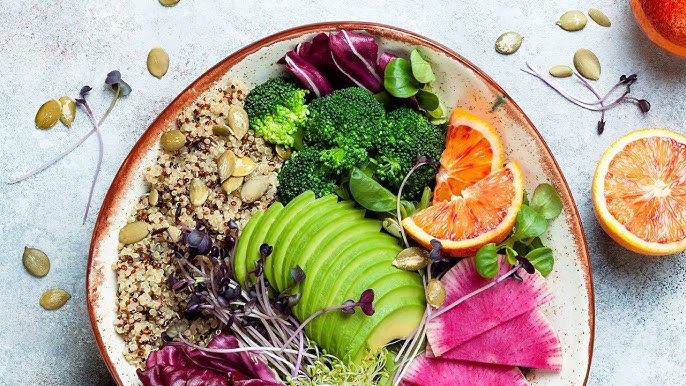
Food is fuel, and the right fuel can supercharge your immune system. Nutrients like Vitamin C, D, Zinc, Iron, and Selenium are essential to maintaining a strong immune response. A well-rounded diet that includes a variety of colorful fruits and vegetables is your first line of defense.
Here are some top immunity-boosting foods:
- Citrus fruits (oranges, lemons, grapefruits)
- Leafy greens (spinach, kale, arugula)
- Garlic and ginger (natural anti-inflammatory agents)
- Yogurt and kefir (rich in probiotics)
- Nuts and seeds (packed with vitamin E and healthy fats)
- Turmeric (contains curcumin, a powerful antioxidant)
Avoid foods that suppress immunity, like processed snacks, refined sugar, and trans fats. These can increase inflammation and disrupt your gut health—both of which make your body more susceptible to illness.
Eating clean doesn’t have to be complicated. Focus on whole foods, cook more at home, and aim to fill half your plate with vegetables at every meal. The benefits will show up not just in fewer sick days but in better energy, clearer skin, and improved digestion too.
Stay Hydrated for Immune Health
You’ve heard it a thousand times, but let’s make it 1,001—drink more water. Staying hydrated is one of the simplest and most overlooked ways to support your immune system naturally.
Water helps your body produce lymph, the fluid that carries immune cells throughout your body. It also flushes out toxins and keeps your respiratory tract moist, reducing the risk of infections. Even mild dehydration can stress your system, making you more vulnerable to illness.
Here are some hydration tips:
- Aim for 8–10 cups of water a day, more if you’re active or live in a hot climate.
- Add slices of lemon, cucumber, or mint for a natural flavor boost.
- Avoid sugary sodas and energy drinks—they can dehydrate you.
If plain water gets boring, herbal teas like chamomile, echinacea, or green tea can provide hydration along with added immune benefits.
Get Quality Sleep Consistently
Let’s be real—most of us don’t get enough sleep. Whether it’s staying up late scrolling, watching Netflix, or just being overwhelmed with life, poor sleep habits are one of the most damaging things you can do to your immune system. Sleep is when your body does its most important repair work. Without enough of it, your immune system doesn’t stand a chance.
When you sleep, your body releases cytokines, proteins that help combat infection and inflammation. Lack of sleep can lower your production of these protective compounds, making you more vulnerable to illnesses like the flu or even more serious infections. On top of that, poor sleep increases stress hormones like cortisol, which further weakens your immune defenses.
So how do you get better sleep naturally?
- Stick to a sleep schedule: Go to bed and wake up at the same time every day—even on weekends.
- Create a bedtime routine: Try reading, meditating, or taking a warm bath before bed.
- Limit screen time: Turn off devices at least 30 minutes before sleeping.
- Keep your room cool and dark: Light and heat disrupt melatonin production, the hormone that helps you sleep.
- Avoid caffeine and alcohol in the evening: They may interfere with deep sleep cycles.
Aim for 7–9 hours of restful, uninterrupted sleep per night. You’ll not only boost your immunity but also feel more energetic, alert, and emotionally balanced throughout the day.
Exercise Regularly and Smartly
You don’t have to be a gym rat to give your immune system a major lift. Just 30 minutes of moderate exercise a day can do wonders for your body’s defense system. It increases blood circulation, reduces stress hormones, and helps immune cells move more efficiently throughout your body.
Exercise also reduces inflammation and supports the regeneration of immune cells. But here’s the catch—overdoing it can have the opposite effect. Intense or prolonged exercise without proper rest can actually suppress immunity, especially if you’re not eating or sleeping well.
Here’s what works best:
- Walking: A brisk daily walk is one of the most underrated immune boosters.
- Yoga and stretching: Helps reduce stress while improving circulation.
- Strength training: Builds muscle and helps regulate hormones.
- Outdoor activities: Combine exercise with sunlight for extra Vitamin D benefits.
Try to mix up your routine to include cardio, strength, and flexibility exercises. And don’t forget to rest. Your muscles—and your immune system—need time to recover and rebuild.
Manage Stress Effectively
Chronic stress is like kryptonite to your immune system. When you’re constantly anxious or overwhelmed, your body produces excess cortisol, which can suppress immune function over time. Think of it this way: stress shifts your body into “survival mode,” diverting energy away from maintenance and repair—two things your immune system desperately needs.
But here’s the upside: stress is totally manageable, and you don’t need a therapist or a luxury spa to deal with it (though those help too!). There are natural, accessible ways to lower stress levels and support your immune system daily.
Try these proven techniques:
- Mindful breathing or meditation: Even 5 minutes can calm your nervous system.
- Journaling: Writing down your thoughts helps you process and release tension.
- Exercise: As mentioned earlier, it’s a stress-buster and immune booster in one.
- Connecting with loved ones: Social support is a powerful stress reliever.
- Nature time: Go for a walk in a park or simply sit under a tree. Nature therapy is real.
Managing stress isn’t about eliminating all problems—it’s about giving your body and mind the tools to handle them better. The less stress you carry, the more energy your immune system can dedicate to protecting you.
Prioritize Gut Health
Here’s something most people overlook: about 70% of your immune system lives in your gut. Yep, your digestive system isn’t just about processing food—it’s also a frontline defense against illness. That’s why keeping your gut healthy is one of the smartest ways to strengthen your immunity naturally.
The gut is home to trillions of microbes (called the gut microbiome), and many of them play a direct role in your immune response. They help regulate inflammation, protect against harmful invaders, and even communicate with your immune cells. When your gut is out of balance—thanks to poor diet, stress, or antibiotics—your immunity takes a hit.
Here’s how to support a healthy gut:
- Eat probiotic-rich foods: Yogurt, kefir, sauerkraut, kimchi, and kombucha help populate your gut with beneficial bacteria.
- Feed your gut with prebiotics: Foods like garlic, onions, bananas, and oats help healthy bacteria thrive.
- Limit sugar and processed foods: They feed the bad bacteria that cause inflammation.
- Consider a probiotic supplement: Especially after a course of antibiotics.
A healthy gut doesn’t just mean fewer sick days—it also supports mental clarity, mood, energy, and digestion. It’s a win-win for your whole body.
Sunlight and Vitamin D
There’s a reason why people get sick more often in the winter: less sunlight means lower Vitamin D levels, and Vitamin D is crucial for immune function. Often called the “sunshine vitamin,” it helps regulate the immune response and reduce the risk of infections.
Low Vitamin D levels have been linked to a higher chance of getting colds, flu, and even more serious conditions like autoimmune diseases. The problem? Many people are deficient without even knowing it.
Here’s how to get your Vitamin D naturally:
- Spend 15–30 minutes in the sun daily, preferably between 10 a.m. and 3 p.m., with arms and legs exposed.
- Eat Vitamin D-rich foods like fatty fish (salmon, tuna), eggs, and fortified dairy or plant milks.
- Supplement wisely if you live in a cloudy area or during the winter months.
Just be cautious with sunlight—avoid burning and always protect your skin if you’re out for extended periods. A little sun goes a long way when it comes to supercharging your immunity.
Herbal and Natural Supplements
Nature’s medicine cabinet is full of powerful herbs that have been used for centuries to support immunity. While they’re not a substitute for a healthy lifestyle, the right herbal supplements can enhance your immune system’s performance, especially during high-risk seasons or when you’re feeling run down.
Some of the top immune-supporting herbs include:
- Echinacea: Helps increase white blood cell activity.
- Elderberry: Fights off cold and flu viruses naturally.
- Astragalus: Strengthens the body’s resistance to disease.
- Turmeric: Contains curcumin, a potent anti-inflammatory and antioxidant.
- Ginger and garlic: Natural antimicrobial and antiviral properties.
Tips for using herbal supplements:
- Consult your doctor before starting, especially if you’re on medication.
- Choose high-quality brands with transparent sourcing.
- Don’t overdo it—follow recommended doses and cycle your intake.
Supplements should complement your health journey, not replace smart lifestyle choices. Think of them as your immune system’s backup team, stepping in when you need extra help.
Avoid Toxins and Environmental Pollutants
Your immune system already works hard enough without having to deal with environmental toxins. Unfortunately, modern life exposes us to a range of pollutants—from the air we breathe to the food we eat to the products we use on our skin. These toxins can silently chip away at your immunity, increasing inflammation, disrupting hormone balance, and even damaging the organs responsible for immune function like the liver and kidneys.
Common immune-suppressing toxins include:
- Pesticides and herbicides found in non-organic produce
- Heavy metals like lead and mercury
- Household chemicals (cleaners, detergents, air fresheners)
- Air pollutants from traffic, factories, and even cigarette smoke
- Endocrine disruptors found in plastic containers, cosmetics, and canned foods (BPA, phthalates)
Here’s how to reduce toxic exposure naturally:
- Eat organic when possible, especially for fruits and veggies like strawberries, spinach, and apples (they tend to carry more pesticide residue).
- Switch to natural cleaning products—baking soda, vinegar, and lemon work wonders.
- Use glass or stainless steel containers instead of plastic for food storage.
- Filter your water and air at home if possible.
- Detox regularly through sweat (via exercise or sauna), hydrating, and eating fiber-rich foods.
Remember, detoxing doesn’t mean drinking fancy juice cleanses. It’s about supporting your body’s natural detox pathways—mainly your liver, kidneys, and skin—so they can work more efficiently and keep your immune system sharp.
Limit Alcohol and Quit Smoking
It might not be fun to hear, but alcohol and smoking are two of the biggest enemies of your immune system. They compromise your body’s ability to fight infection, increase inflammation, and slow healing.
The effects of alcohol on immunity:
- Disrupts gut health and kills good bacteria
- Suppresses white blood cell activity
- Dehydrates the body and reduces nutrient absorption
- Increases susceptibility to respiratory illnesses
The effects of smoking:
- Damages lung tissue and cilia, which help filter germs
- Weakens antibody response
- Reduces oxygen supply to immune cells
- Increases risk of chronic diseases that further suppress immunity
Here’s how to make healthier choices:
- Limit alcohol to moderate levels—no more than 1 drink per day for women and 2 for men.
- Try non-alcoholic alternatives like sparkling water with lime or herbal mocktails.
- Seek support to quit smoking—whether through nicotine replacement therapy, counseling, or support groups.
The difference in how you feel once you reduce or quit these habits is often dramatic: clearer skin, better sleep, more energy, and fewer sick days. Your immune system will thank you.
Practice Good Hygiene
It might sound basic, but good hygiene is one of the most effective and natural ways to protect your immune system. Every day, you’re exposed to thousands of pathogens—through touch, breath, and contact with surfaces. Hygiene habits act like a security gate, stopping those invaders before they even reach your internal defense system.
Here are some must-follow hygiene tips:
- Wash your hands regularly with soap and water for at least 20 seconds—especially before eating, after using the restroom, and after coming home from public places.
- Avoid touching your face, especially your eyes, nose, and mouth.
- Disinfect commonly touched surfaces like doorknobs, phones, and light switches.
- Brush and floss your teeth daily—oral health is closely connected to immune health.
- Shower regularly, especially after sweating or spending time in public areas.
Personal hygiene is not just about cleanliness—it’s a frontline immune strategy. By keeping harmful microbes off your body and out of your system, you make it easier for your immune cells to focus on real threats.
Consistency is Key
You’ve probably heard the saying, “It’s not what you do once in a while—it’s what you do every day that matters.” That couldn’t be more true when it comes to your immune system. Strengthening it naturally isn’t about taking a vitamin C tablet when you feel a sniffle coming on. It’s about building long-term, sustainable habits that support your body every single day.
The immune system thrives on balance and routine. When you sleep well, eat right, stay active, manage stress, and avoid harmful substances consistently, your body builds resilience. That resilience means fewer illnesses, faster recovery when you do get sick, and better overall health.
Try building a daily immunity routine:
- Start your day with hydration and sunlight.
- Eat a colorful, whole-food-based breakfast.
- Take a 10-minute walk or stretch break.
- Incorporate herbs and probiotics into meals.
- Shut off screens early and wind down mindfully.
Small steps done consistently are far more powerful than one big change that doesn’t stick. Think of it as a lifestyle, not a temporary fix.
FAQs about How to Strengthen your Immune System Naturally
1. Can I boost my immune system quickly?
While you can support it immediately with hydration, rest, and nutrient-rich food, building a truly resilient immune system takes consistent daily habits. Quick fixes help temporarily, but long-term change provides lasting protection.
2. What foods are best for immune strength?
Top foods include citrus fruits, garlic, ginger, leafy greens, yogurt, berries, nuts, and seeds. These provide key nutrients like Vitamin C, D, zinc, and antioxidants that fuel immune cell function.
3. How does exercise help immunity?
Exercise improves blood circulation, lowers stress hormones, and helps immune cells travel more efficiently throughout your body. Regular moderate activity can significantly reduce your risk of infections.
4. Are immune supplements safe?
Most natural immune supplements are safe when taken as directed. However, it’s always smart to talk to a healthcare provider, especially if you’re taking medications or have health conditions.
5. How do I know if my immune system is weak?
Signs of a weak immune system include frequent infections, slow wound healing, fatigue, digestive problems, and chronic stress. If you’re experiencing these, it’s time to focus on strengthening your body naturally.
Conclusion
Your immune system is your body’s most powerful defense weapon—and the good news is, you have a lot of control over how strong and effective it is. You don’t need fancy pills or extreme measures. You just need nature, consistency, and intentional daily habits.
From eating vibrant, nutrient-dense foods to managing stress, sleeping deeply, moving your body, and supporting your gut, every action you take adds up. Think of it like building an immune “savings account.” The more healthy habits you deposit into it, the more protection you’ll have when life throws you a curveball.
So take charge today. Start with one or two changes and build from there. Your body will thank you—with more energy, fewer sick days, and a deeper sense of well-being.