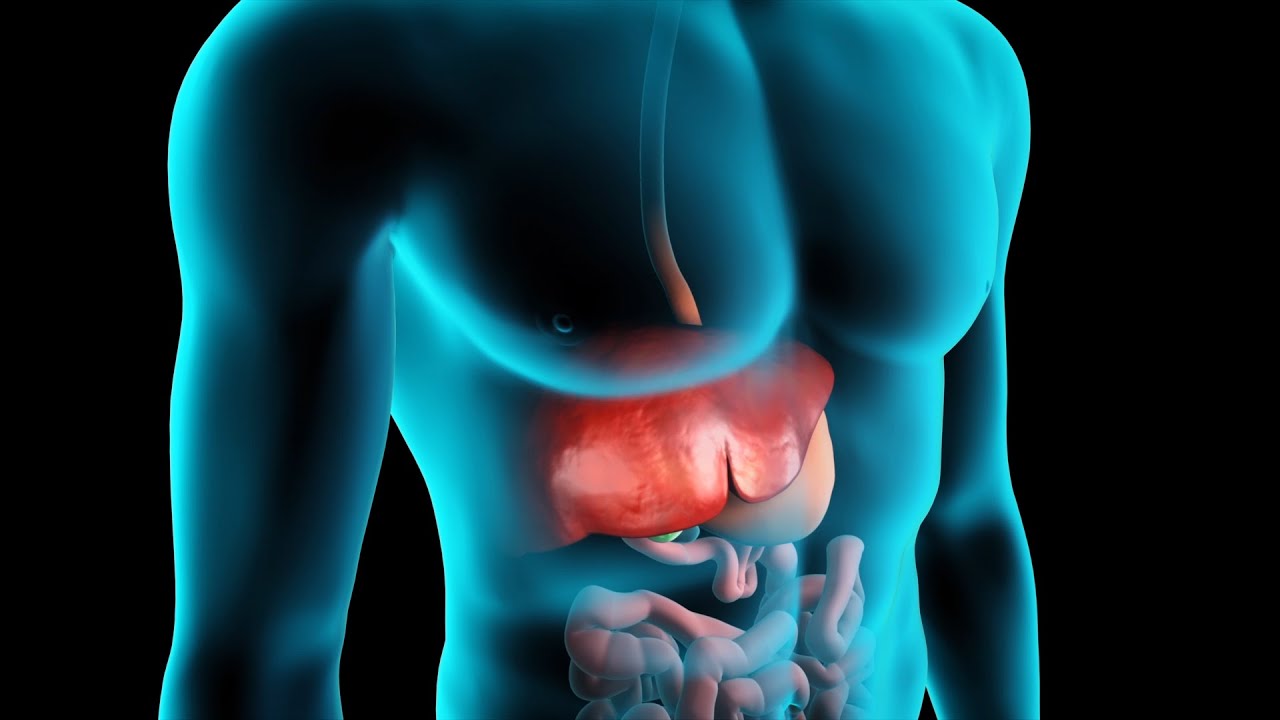
How to Improve Liver Function: Ever wonder how your body handles all the junk you eat, the drinks you enjoy, or the air you breathe? That unsung hero working behind the scenes is your liver. It’s one of the hardest-working organs in your body, and honestly, it doesn’t get nearly enough credit. From filtering toxins to breaking down fats and regulating metabolism, your liver is crucial to keeping you healthy.
But here’s the deal—modern lifestyles can be brutal on the liver. Think about it: fast food, alcohol, medications, pollution, lack of sleep. Over time, your liver can get overwhelmed. And when it struggles, so do you—fatigue, bloating, weight gain, even skin issues can start to surface.
The good news? You can give your liver a helping hand. This guide is packed with everything you need to know about improving liver function naturally, safely, and effectively. Whether you’re trying to undo years of damage or just want to keep your liver in peak shape, you’re in the right place.
Understanding the Liver
Before diving into how to improve liver function, let’s get a solid grip on what the liver actually does. Spoiler alert: it does way more than you probably think.
Your liver is the body’s main detox center. Weighing about 3 pounds, it’s located in the upper right part of your abdomen. Every drop of blood leaving your stomach and intestines passes through it. The liver filters that blood, removes harmful substances, and processes nutrients, storing them or sending them where they’re needed.
Here’s a quick list of what your liver is responsible for:
- Filtering toxins (from alcohol, drugs, and environmental chemicals)
- Breaking down fats and producing bile
- Storing vitamins and minerals, like iron and vitamin A
- Balancing blood sugar levels
- Processing medications and metabolizing them
- Regulating hormones
So yeah, your liver is kind of a big deal. And because it’s involved in so many essential processes, even small issues with liver function can have a ripple effect on your overall health.
Common Causes of Poor Liver Function
Your liver is tough, but it’s not invincible. Over time, certain habits and environmental exposures can chip away at its strength. Understanding what hurts your liver is the first step toward helping it heal.
Unhealthy Diet
A diet high in saturated fats, processed foods, refined sugar, and salt can lead to fatty liver disease. Too much sugar, especially fructose, is directly linked to liver inflammation.
Excessive Alcohol Consumption
This one’s no surprise. Long-term alcohol abuse can lead to liver inflammation, fatty liver, fibrosis, and eventually cirrhosis.
Sedentary Lifestyle
Lack of exercise contributes to weight gain, insulin resistance, and non-alcoholic fatty liver disease (NAFLD), especially when combined with a poor diet.
Environmental Toxins and Medications
Your liver works overtime processing toxins from pollution, pesticides, and household chemicals. Overuse of medications like acetaminophen (Tylenol) can also stress the liver, especially when taken in large doses or with alcohol.
Signs and Symptoms of Liver Dysfunction
Your liver won’t always scream for help. Often, the signs of poor liver function are subtle or mistaken for other issues. But catch them early, and you can reverse the damage.
Here are some common symptoms to watch for:
- Chronic fatigue or weakness
- Yellowing of the skin or eyes (jaundice)
- Abdominal pain or bloating
- Dark urine or pale stools
- Unexplained weight loss
- Nausea or vomiting
- Itchy skin
- Swollen ankles or legs
- Brain fog or confusion
These symptoms might not always indicate liver issues, but if you notice more than one, it’s worth talking to your doctor. Early diagnosis is key.
The Importance of Diet in Liver Health
Food is either medicine or poison—especially for your liver. Eating a clean, nutrient-dense diet gives your liver the tools it needs to function efficiently and heal if necessary.
Here’s what to include in your liver-friendly diet:
- Leafy greens (spinach, kale, arugula): help neutralize heavy metals
- Avocados: loaded with healthy fats and glutathione
- Walnuts: rich in omega-3s and support liver detox enzymes
- Fatty fish: like salmon or sardines for anti-inflammatory benefits
- Olive oil: improves liver enzyme levels
- Whole grains: fiber-rich and support metabolic function
Equally important is what you leave out. Cut down or eliminate:
- Fried foods
- Sugary beverages
- Refined carbs (white bread, pastries)
- Processed meats
- Excess salt
- Alcohol (more on this later)
Eating whole, real food is like fuel for your liver. And the cleaner the fuel, the better your engine runs.
Top Superfoods for Liver Detoxification
If you’re serious about liver health, some superfoods deserve a spot in your daily routine.
Leafy Greens and Cruciferous Vegetables
Spinach, arugula, broccoli, Brussels sprouts, and kale are powerful detoxifiers. They’re rich in chlorophyll and sulfur compounds that help the liver flush out environmental toxins.
Turmeric
Curcumin, the active compound in turmeric, reduces liver inflammation and boosts bile production. Sprinkle it on food or drink golden milk regularly.
Garlic
Loaded with allicin and selenium, garlic supports liver enzyme activation and helps eliminate toxins.
Beets
Beets are packed with antioxidants, fiber, and nitrates. They support bile flow and reduce oxidative stress in the liver.
You don’t have to overhaul your diet overnight, but gradually adding these foods can give your liver the support it desperately needs.
Hydration and Liver Function
Let’s talk about one of the most underrated tools for liver health: water. Your liver depends on proper hydration to perform its detoxification processes efficiently. Think of water as the transportation system your liver uses to flush out waste and toxins. Without enough of it, everything slows down, and your liver ends up working overtime—without the resources it needs.
Why Water Intake Matters
Your liver uses water to create bile, the fluid that helps break down fats and carry waste out of the body. When you’re dehydrated, bile becomes thicker, which can hinder its movement and cause toxins to build up. This not only affects digestion but can also cause sluggish liver performance, making you feel tired, bloated, or even foggy-headed.
Detox Benefits of Staying Hydrated
Water plays a critical role in metabolizing fat-soluble toxins, moving them through the kidneys and out of your system. Aim to drink at least 8–10 glasses of water a day, more if you’re active or live in a hot climate.
You can also hydrate through foods. Try adding these high-water-content items to your meals:
- Cucumbers
- Watermelon
- Celery
- Oranges
- Lettuce
Don’t wait until you’re thirsty to drink—by then, you’re already dehydrated. Keep a water bottle with you at all times as a simple way to remind yourself to sip throughout the day. And if plain water bores you, add lemon, cucumber, or a splash of apple cider vinegar for flavor and extra detox benefits.
Liver-Friendly Lifestyle Changes
Improving your liver function isn’t just about food and water. Your daily habits play a huge role in supporting—or sabotaging—your liver. The best part? Many of these changes are easy to implement and cost nothing at all.
Regular Exercise and Physical Activity
Exercise helps the liver by improving blood flow, reducing fat accumulation, and balancing blood sugar. Studies show that people who work out regularly have healthier liver enzyme levels and are less likely to develop fatty liver disease.
You don’t need a gym membership to get started. Try:
- Brisk 30-minute walks
- Bodyweight exercises (squats, pushups, lunges)
- Yoga, which also reduces stress—a liver enemy
- Cycling or swimming
Aim for 150 minutes of moderate exercise per week to keep your liver (and the rest of your body) in top shape.
Managing Stress and Its Impact on Liver Health
Chronic stress increases inflammation in the body and impairs liver function by triggering the release of stress hormones like cortisol and adrenaline. This hormonal chaos can impact your liver’s ability to detox and regulate metabolism.
Practical stress-reduction strategies include:
- Deep breathing or meditation
- Spending time outdoors
- Journaling or gratitude practices
- Digital detox (yes, your liver feels your screen-time stress too)
The mind-body connection is real. Treat your liver well by treating your mental health with the same level of care.
Avoiding Alcohol and Tobacco
Here’s the harsh truth: alcohol and tobacco are poison for your liver. And while your liver is designed to process small amounts of toxins, regular exposure to these two can lead to irreversible damage.
Impact of Alcohol on Liver Function
Alcohol is metabolized directly in the liver, and even moderate consumption can strain its resources. Over time, drinking can cause:
- Fatty liver
- Alcoholic hepatitis
- Fibrosis
- Cirrhosis
- Liver cancer
If you’re serious about improving liver function, cutting out alcohol (or at least reducing it drastically) is a must. No detox smoothie can undo the damage of a weekend bender.
How Smoking Affects Liver Detoxification
Cigarette smoke contains over 7,000 chemicals, many of which are hepatotoxic—meaning they directly damage liver cells. Smoking can also reduce the liver’s ability to metabolize medications properly, leading to complications and toxic buildup.
The takeaway? Your liver will thank you for quitting. If you need support, talk to a doctor or use cessation tools like patches, gum, or apps to make the process easier.
Understanding and Avoiding Hepatotoxic Substances
Ever wonder how your medications or cleaning supplies affect your liver? Many everyday items contain hepatotoxic substances, which can silently damage your liver over time.
Common Medications That Harm the Liver
Some drugs—even over-the-counter ones—can stress or injure your liver when taken in high doses or over long periods. The biggest offenders include:
- Acetaminophen (Tylenol)
- Statins
- Anti-inflammatory drugs like ibuprofen
- Certain antibiotics and antifungals
- Anti-seizure medications
Always read labels, follow dosage instructions, and never mix meds with alcohol. If you’re on long-term prescriptions, ask your doctor to monitor your liver function with regular tests.
Environmental and Chemical Toxins to Avoid
You’d be surprised how many household and environmental toxins your liver has to deal with every day. These include:
- Pesticides
- Cleaning products
- Air fresheners
- Plastic containers with BPA
- Heavy metals in tap water
Choose natural or organic products whenever possible. Simple swaps—like using vinegar and baking soda for cleaning—can reduce your toxic load significantly. Investing in a good water filter also helps protect your liver from harmful metals and chemicals.
Supplements That Support Liver Health
In addition to a healthy lifestyle, some natural supplements can give your liver a gentle boost. But remember: supplements should complement—not replace—good habits.
Milk Thistle and Dandelion Root
- Milk Thistle: Contains silymarin, a potent antioxidant that repairs liver cells and reduces inflammation. Widely studied and considered safe.
- Dandelion Root: Supports bile production, aids digestion, and helps flush toxins.
Other Liver-Friendly Vitamins and Herbs
- NAC (N-Acetyl Cysteine): Boosts glutathione levels—a key detox compound in the liver.
- Vitamin C and E: Protect against oxidative stress.
- Artichoke Extract: Enhances bile flow and may reduce fat buildup in the liver.
- Turmeric and Curcumin: Help reduce inflammation and oxidative damage.
Always consult your healthcare provider before starting supplements, especially if you take medications or have liver disease.
The Role of Sleep in Liver Regeneration
Did you know your liver does some of its best work while you’re asleep? Yep, during those quiet nighttime hours, your body goes into repair mode—and the liver gets busy regenerating damaged cells and metabolizing toxins.
How Quality Sleep Boosts Liver Health
Poor sleep is linked to insulin resistance, obesity, and inflammation—all of which put extra stress on your liver. A consistent sleep schedule supports your liver’s natural detox cycles, which typically peak between 1–3 AM.
Tips for Improving Sleep Naturally
- Stick to a consistent bedtime
- Avoid caffeine or heavy meals late at night
- Limit screen time before bed
- Try magnesium or calming herbal teas like chamomile or lemon balm
- Keep your bedroom cool, dark, and quiet
Seven to nine hours of quality sleep each night is one of the simplest ways to help your liver heal and thrive.
In today’s wellness-obsessed world, the word “detox” is everywhere. From flashy juice cleanses to detox teas that promise miracles overnight, it’s easy to get swept up in the hype. But when it comes to liver health, separating myth from reality is essential.
Understanding What Detox Really Means
Your body is already equipped with an incredibly efficient detox system—and your liver is the star of the show. It works around the clock to break down toxins and filter waste from your blood. So when people talk about doing a “liver detox,” what they’re often doing is supporting that natural function, not replacing it.
Real liver detox involves:
- Eating nutrient-rich, anti-inflammatory foods
- Staying hydrated
- Limiting exposure to toxins
- Supporting the liver with key nutrients and rest
In contrast, extreme juice fasts or supplement-heavy detox kits may do more harm than good. They can deprive your body of protein and essential fats, spike blood sugar levels, and put your liver under unnecessary stress.
Safe and Unsafe Liver Detox Methods
Let’s bust a few myths.
Myth #1: Detox teas flush out liver toxins.
Fact: Most detox teas are diuretics and laxatives. They don’t “clean” your liver—they just dehydrate you.
Myth #2: You need to fast for days to detox.
Fact: Fasting for long periods can slow your metabolism and cause nutrient deficiencies. Intermittent fasting may have benefits, but it’s not a magic bullet.
Myth #3: Supplements alone can cleanse the liver.
Fact: No pill can undo a poor lifestyle. Supplements are helpful, but only when combined with clean eating, exercise, and toxin avoidance.
The bottom line? Support your liver with real food, clean habits, and patience. Detox isn’t about quick fixes—it’s a lifestyle shift.
Monitoring Liver Health
Even if you feel fine, your liver might be sending subtle signals that something’s off. That’s why regular check-ups and liver health screenings are so important—especially if you have risk factors like obesity, alcohol use, or a history of medication overuse.
Regular Blood Tests and Liver Panels
Liver function tests (LFTs) are simple blood tests that check for:
- ALT (Alanine transaminase)
- AST (Aspartate transaminase)
- ALP (Alkaline phosphatase)
- Bilirubin levels
- Albumin and total protein
These enzymes and compounds give insight into how well your liver is functioning and whether inflammation or damage is present. Your doctor may also order an ultrasound or FibroScan if further investigation is needed.
Importance of Routine Check-Ups
Getting a liver test once a year (or more frequently if you’re at risk) helps detect problems before they become serious. Many liver conditions, like fatty liver disease or hepatitis, are silent until the damage is advanced.
Early detection means early treatment. And that can be the difference between a quick recovery and long-term health problems.
When to See a Liver Specialist
Sometimes, your liver needs more than just a lifestyle tune-up. If you’ve tried improving your habits but still experience troubling symptoms, it might be time to see a hepatologist—a doctor who specializes in liver disorders.
Symptoms That Require Urgent Attention
Don’t ignore these red flags:
- Yellowing of eyes or skin
- Dark urine or pale stools
- Persistent abdominal pain
- Chronic fatigue
- Unexplained weight loss
- Swelling in the legs or abdomen
- Bruising or bleeding easily
These may indicate serious conditions such as hepatitis, cirrhosis, or liver cancer—all of which need professional care.
What to Expect from a Liver Consultation
Your liver specialist will likely:
- Review your medical history
- Order advanced imaging or biopsy if needed
- Monitor your enzyme levels and liver size
- Recommend a treatment plan (lifestyle, medications, or procedures)
Don’t wait for things to get worse. Being proactive with your liver health now can save you years of treatment down the line.
FAQs about How to Improve Liver Function
1. What are the first signs of liver problems?
Early signs often include fatigue, abdominal discomfort, mild jaundice (yellowing of skin or eyes), and dark urine. You may also notice bloating, poor appetite, or frequent bruising.
2. Can liver function be fully restored?
Yes, in many cases, the liver can regenerate and restore function—especially in the early stages of damage. However, long-term or severe liver disease (like cirrhosis) may not be fully reversible.
3. How long does it take to detox the liver?
There’s no set timeline, but improvements can begin within a few weeks of adopting a healthy diet, hydration, and lifestyle. Full regeneration may take several months depending on the extent of damage.
4. Are liver cleanses safe and effective?
Most commercial liver cleanses are not supported by science and may even be harmful. The best “cleanse” is a healthy lifestyle: eat clean, hydrate, avoid alcohol, and reduce toxins.
5. How often should I check my liver health?
If you’re healthy and at low risk, once a year during your annual check-up is fine. If you have risk factors (obesity, alcohol use, medications, family history), get tested more often as advised by your doctor.
Conclusion
Your liver is your body’s silent workhorse—constantly filtering, balancing, breaking down, and protecting. But in a world full of processed foods, stress, pollution, and medications, even this powerhouse needs some help. The good news? You don’t need extreme detoxes or miracle supplements to improve your liver function.
You need the basics—clean eating, hydration, movement, rest, and awareness. Every positive habit you build adds up and allows your liver to regenerate and perform at its best.
So start small. Add leafy greens to your plate. Swap soda for water. Go for that evening walk. Sleep a little longer. Each one of these changes is a gift to your liver.
A healthier liver doesn’t just mean better digestion—it means better energy, clearer skin, stronger immunity, and a longer life. Take care of it, and it will take care of you for decades to come.