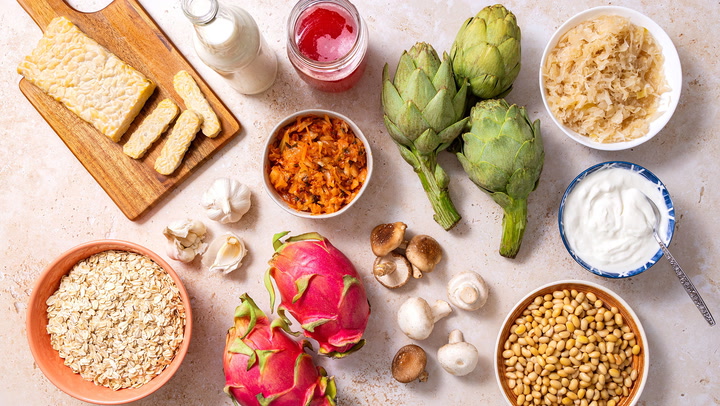
How to Improve Gut Health: Let’s talk about your gut. No, not just in the six-pack sense, but the complex, fascinating world inside your belly—your gut microbiome. This little universe is packed with trillions of bacteria, fungi, and microbes that influence just about everything from how well you digest food to how you feel emotionally. Crazy, right?
Gut health isn’t just some trendy wellness buzzword—it’s foundational. Whether you’re aiming to feel more energized, fix your digestion, or boost your mood, your gut has a hand in all of it. The best part? Small changes can make a huge difference.
In this article, we’re diving deep (pun intended) into how to improve gut health. We’ll cover the signs of poor gut health, how food, lifestyle, and even stress impact your gut, and what you can do starting today to feel better inside and out.
What Is Gut Health?
Gut health refers to the balance and function of bacteria and other microorganisms living in your digestive tract—especially in your intestines. This ecosystem is called your gut microbiome, and it’s made up of over 100 trillion microbes. When your microbiome is in harmony, your body thrives. But when it’s out of whack, things can go downhill quickly.
Why does this matter? Because the gut isn’t just about breaking down food. It plays a crucial role in:
- Digesting nutrients and eliminating waste
- Supporting immune function
- Regulating hormones
- Producing neurotransmitters like serotonin (your “happy” chemical)
Your gut is basically your body’s control center, and when it’s unhappy, your whole system can feel off. That’s why improving gut health is about more than avoiding a stomachache—it’s about improving your quality of life.
Signs of an Unhealthy Gut
Think your gut might be struggling? There are some clear red flags to watch for. Some are obvious, others are sneakier than you’d expect.
Here are common signs your gut might be crying for help:
- Digestive issues: bloating, constipation, diarrhea, gas
- Food intolerances: suddenly reacting to foods you used to eat just fine
- Constant fatigue: poor gut health can mess with your energy levels
- Skin problems: acne, eczema, or rashes may be linked to gut inflammation
- Mood swings or anxiety: your gut produces around 90% of your serotonin
- Frequent colds or infections: your immune system lives largely in your gut
Some people even experience brain fog, bad breath, or chronic inflammation. If you’re dealing with any of the above regularly, your gut might need some TLC.
The Gut-Brain Connection
Ever get “butterflies” in your stomach before a big moment? That’s the gut-brain axis at work. Your gut and brain are constantly in communication via the vagus nerve. That means your mental health directly affects your gut health—and vice versa.
In fact, about 95% of your body’s serotonin is made in your gut. This means an imbalanced microbiome can affect your mood, memory, and ability to handle stress.
Feeling anxious or depressed for no clear reason? It might not be just in your head—it could be in your gut. Improving your gut health can significantly improve how you feel emotionally, mentally, and even socially.
Benefits of a Healthy Gut
A healthy gut does a lot more than just keep your digestion in check. When your gut is in balance, it can truly transform your body and mind.
Here are some top benefits of improving gut health:
- Improved digestion: Say goodbye to bloating, gas, and indigestion.
- Better immunity: A strong gut helps fight off infections and inflammation.
- Sharper brain function: With the gut-brain axis, a healthy gut leads to better focus and mood.
- Clearer skin: Fewer breakouts and more glow.
- Healthy weight management: Your gut bacteria affect how you store fat and feel hunger.
The ripple effect of gut health touches every system in your body. It’s like upgrading your internal software—everything runs smoother.
Diet’s Impact on Gut Health
You are what you eat—and so are your gut bacteria. Every meal you eat either feeds the good guys or fuels the bad ones. That’s why diet plays a massive role in shaping your microbiome.
A gut-friendly diet includes:
- Plenty of fiber: This feeds the healthy bacteria and keeps digestion flowing.
- Variety: Different foods = diverse microbes, which = better gut health.
- Prebiotics and probiotics: These help balance and support your gut ecosystem.
On the flip side, processed foods, refined sugars, and artificial sweeteners can throw your gut into chaos. If you’re fueling your body with junk, your microbes will reflect that.
Best Foods for Gut Health
Want to feed your gut what it really craves? Here are the MVPs of a healthy gut diet:
1. Fermented foods
These are rich in natural probiotics:
- Yogurt (with live cultures)
- Kefir
- Kimchi
- Sauerkraut
- Miso
- Tempeh
- Kombucha
2. High-fiber foods
Fiber is essential for feeding your gut bacteria:
- Lentils, chickpeas, beans
- Oats, quinoa, barley
- Broccoli, spinach, kale
- Apples, bananas, berries
3. Bone broth
This nutrient-rich liquid supports gut lining and helps reduce inflammation.
4. Polyphenol-rich foods
These antioxidant-rich foods nourish beneficial bacteria:
- Green tea
- Olive oil
- Berries
- Dark chocolate
- Red wine (in moderation)
These foods help cultivate a thriving microbiome that benefits every inch of your body.
Foods to Avoid for a Healthy Gut
Just as certain foods can feed and nourish your gut, others can do serious damage. Think of your gut like a delicate garden—some foods help it bloom, while others are like weeds choking out the good stuff. If you’re serious about improving your gut health, cutting down on these gut-offenders is a must.
1. Processed Sugars and Artificial Sweeteners
Sugar is public enemy number one for your gut microbiome. High-sugar diets promote the growth of harmful bacteria and yeast (like Candida), which can lead to imbalance and inflammation. Even worse, artificial sweeteners like sucralose and aspartame can disrupt gut bacteria and affect insulin response.
2. Alcohol
Excessive alcohol can inflame the gut lining, reduce beneficial bacteria, and increase harmful pathogens. Occasional red wine might offer some polyphenols, but chronic drinking wreaks havoc on your microbiome and digestion.
3. Processed Foods
Fast food, packaged snacks, and processed meats often contain emulsifiers, preservatives, and other additives that disrupt gut flora. These foods also lack the fiber and nutrients needed to feed your beneficial microbes.
4. Overuse of Antibiotics and NSAIDs
Antibiotics wipe out bacteria—both good and bad. While they can be life-saving, frequent or unnecessary use can devastate your gut microbiome. NSAIDs like ibuprofen and aspirin can also harm your gut lining if used excessively.
If you want a healthier gut, it’s not just about adding good foods—it’s also about ditching the ones that do damage. Think of it like cleaning house: get rid of the junk before bringing in the good stuff.
Probiotics and Their Role
You’ve probably seen the term “probiotics” on everything from yogurt to supplements—but what exactly are they?
Probiotics are live bacteria and yeasts that are good for your digestive system. They help maintain a healthy balance of gut flora, crowding out bad bacteria and supporting overall digestion, immunity, and even mood.
Natural Sources of Probiotics
You don’t have to take supplements—there are many food sources rich in probiotics:
- Yogurt with live active cultures
- Kefir
- Sauerkraut
- Kimchi
- Tempeh
- Miso
- Pickles (naturally fermented)
Should You Take a Probiotic Supplement?
Sometimes, especially after antibiotics or during gut flare-ups, a high-quality probiotic supplement can help restore balance. Look for one with:
- Multiple strains (like Lactobacillus and Bifidobacterium)
- At least 10-20 billion CFUs
- Delayed-release capsules to survive stomach acid
But remember: supplements are just that—a supplement. They’re not magic pills. A probiotic-rich diet combined with lifestyle changes is more powerful than any bottle on a shelf.
Prebiotics: Fuel for Good Bacteria
If probiotics are the good bacteria, prebiotics are the food that helps them grow. Think of prebiotics as the fertilizer that keeps your gut garden thriving.
Prebiotics are types of fiber that your body can’t digest. Instead, they move through the digestive tract and become food for your beneficial gut bacteria.
Top Prebiotic Foods
- Garlic
- Onions
- Leeks
- Asparagus
- Bananas (especially slightly green ones)
- Chicory root
- Jerusalem artichokes
- Apples
- Oats
Combining Prebiotics + Probiotics = Synbiotics
When you combine probiotic-rich and prebiotic-rich foods in your diet, you create a synbiotic effect, which supercharges gut health. An example? Yogurt with banana or kefir with oats. Tasty and powerful!
In short, don’t just focus on getting probiotics—make sure you’re feeding them right.
Importance of Fiber for Gut Health
Fiber might not sound sexy, but it’s one of the most important nutrients for a happy gut. It keeps things moving and helps your gut bacteria thrive.
There are two main types of fiber:
1. Soluble Fiber
- Dissolves in water to form a gel-like substance
- Helps lower blood sugar and cholesterol
- Feeds beneficial gut bacteria
Sources: Oats, flaxseeds, apples, beans, citrus fruits
2. Insoluble Fiber
- Adds bulk to your stool
- Helps food pass more quickly through the digestive tract
Sources: Whole grains, nuts, cauliflower, potatoes
Eating enough fiber (25–35 grams daily) helps reduce inflammation, prevents constipation, and keeps your gut bacteria diverse and well-fed. Just remember: increase fiber slowly and drink plenty of water to avoid bloating.
Hydration and Its Role in Gut Function
Water might not seem like a gut health superstar, but don’t underestimate its power. Staying hydrated is essential for digestion, nutrient absorption, and regular bowel movements.
How Hydration Supports Gut Health
- Helps break down food and absorb nutrients
- Prevents constipation by softening stool
- Aids in detoxifying the body through the digestive tract
Signs You’re Not Drinking Enough Water
- Dry mouth
- Fatigue
- Headaches
- Constipation
- Dark yellow urine
Tips for Staying Hydrated
- Drink a glass of water first thing in the morning
- Carry a reusable water bottle
- Add lemon, cucumber, or berries to water for flavor
- Eat water-rich foods like cucumber, watermelon, and oranges
Even mild dehydration can slow digestion and negatively affect your gut microbiome. So drink up—your gut will thank you.
Lifestyle Habits to Support Gut Health
Gut health isn’t just about what you eat—it’s also about how you live. Your daily habits have a profound impact on your microbiome, especially when it comes to stress, sleep, and movement.
1. Stress Management
Chronic stress alters your gut flora and increases inflammation. Techniques to reduce stress include:
- Meditation and deep breathing
- Yoga or stretching
- Journaling
- Nature walks
- Talking with a friend or therapist
2. Quality Sleep
Poor sleep messes with your gut bacteria—and poor gut health can mess with your sleep. Aim for:
- 7–9 hours of uninterrupted sleep
- A consistent sleep-wake schedule
- Avoiding screens before bed
3. Physical Activity
Regular movement helps promote regular bowel movements and supports microbiome diversity. Even 30 minutes a day can make a big difference:
- Walking
- Cycling
- Swimming
- Strength training
Changing your lifestyle is like giving your gut a reset button. Each good habit builds a stronger, more balanced system.
Gut Health and Antibiotics
Antibiotics are lifesavers—literally. They kill harmful bacteria that cause infections, which is great when you’re sick. But here’s the catch: antibiotics don’t just target the bad guys. They wipe out the good bacteria in your gut, too. That’s why after a round of antibiotics, people often experience digestive issues, lowered immunity, or even yeast overgrowth.
How Antibiotics Impact Your Gut
- Kill off both good and bad bacteria
- Disrupt the microbiome balance
- Cause diarrhea, constipation, or bloating
- May lead to reduced immunity and inflammation
In fact, it can take weeks—or even months—for your gut microbiome to recover after a single round of antibiotics. And if you’re prescribed them frequently, the damage can become long-term.
How to Support Your Gut During and After Antibiotics
- Take probiotics – Choose high-quality supplements with multiple strains and take them a few hours after your antibiotic (never at the same time).
- Eat probiotic-rich foods – Yogurt, kefir, kimchi, and sauerkraut can help repopulate your gut.
- Include prebiotics – Fuel the good bacteria with fiber-rich foods like garlic, onions, and bananas.
- Stay hydrated – This supports your body’s natural detox pathways.
- Avoid sugar and processed foods – They feed the harmful bacteria and delay healing.
Antibiotics are sometimes necessary—but don’t forget to support your gut during the process. Think of it like rebuilding a city after a storm. The sooner you start, the better your recovery.
Personalized Gut Health Plans
No two guts are exactly alike. That’s why personalized approaches to gut health are becoming more popular—and more effective. You might have a completely different microbiome from your friend, which means your body responds differently to certain foods, supplements, or even stress.
Start with a Food and Symptom Diary
Track what you eat and how you feel for a few weeks. Look for patterns between:
- Certain foods and digestive symptoms
- Energy levels
- Skin reactions
- Mood swings
This simple practice can reveal hidden sensitivities or intolerances you didn’t even know you had.
Consider Microbiome Testing
Thanks to modern science, there are now companies that offer gut microbiome tests. These analyze your stool and tell you which bacteria are dominant or missing. Some even provide tailored diet plans based on your gut profile.
Work with a Specialist
A nutritionist, functional medicine doctor, or naturopath can help create a customized plan based on your symptoms and goals. They may also suggest:
- Advanced food sensitivity tests
- Elimination diets
- Supplement protocols (enzymes, probiotics, L-glutamine, etc.)
Gut health isn’t one-size-fits-all. The more you understand your gut, the better decisions you can make to keep it thriving.
Myths About Gut Health
With gut health exploding in popularity, it’s no surprise that myths and misinformation are everywhere. Let’s clear up a few of the biggest ones so you can focus on what really works.
Myth 1: All Probiotics Are the Same
False. Probiotics vary in strain, potency, and purpose. A strain that helps with constipation might not help with immune health. Always choose probiotics based on your specific needs—not just the brand or price.
Myth 2: You Only Need to Think About Gut Health When You’re Sick
Nope. Gut health affects your everyday mood, energy, sleep, skin, and even metabolism. It’s a daily investment, not a temporary fix.
Myth 3: Fermented Foods Are Enough
While fermented foods are amazing, they’re not a complete solution—especially if your gut is severely imbalanced. You may still need dietary changes, fiber, prebiotics, and lifestyle shifts.
Myth 4: Detox Teas and Cleanses Improve Gut Health
Most of these are marketing gimmicks. They can do more harm than good by irritating your digestive tract. Your body has a built-in detox system—your liver, kidneys, and gut just need the right support, not a laxative-laced drink.
Myth 5: More Fiber Is Always Better
Fiber is crucial, but too much too fast can backfire, causing bloating and discomfort. Always increase fiber gradually and with plenty of water.
Don’t fall for the hype. Gut health is a journey rooted in balance, not quick fixes or magic pills.
FAQs about How to Improve Gut Health
1. How long does it take to improve gut health?
It depends on the person and their starting point, but most people begin noticing changes within 2–4 weeks. Full microbiome restoration may take several months, especially after antibiotics or long-term poor diet.
2. Can stress alone cause gut issues?
Absolutely. Chronic stress affects digestion, gut motility, and microbiome diversity. That’s why stress management (like meditation or exercise) is crucial for gut health.
3. Are all fermented foods probiotic-rich?
No. Some store-bought fermented foods (like pickles or sauerkraut) are pasteurized, which kills beneficial bacteria. Always look for “live and active cultures” on the label.
4. What’s the best probiotic supplement?
Look for a multi-strain probiotic with at least 10–20 billion CFUs. Choose products that are third-party tested, shelf-stable, and tailored to your specific symptoms (digestive issues, immunity, etc.).
5. Is leaky gut real or a myth?
Leaky gut, or increased intestinal permeability, is a real condition recognized by many functional medicine practitioners. While not all conventional doctors use the term, the science behind it is gaining more acceptance.
Conclusion
Improving your gut health isn’t a luxury—it’s a necessity. Your gut influences everything from how you digest your food to how you feel emotionally, mentally, and physically. It’s not just about avoiding bloating or running to the bathroom less. It’s about transforming your entire well-being.
The good news? You don’t have to overhaul your life overnight. Start small:
- Add more fiber to your meals
- Include fermented and prebiotic-rich foods
- Cut down on sugar and processed junk
- Stay hydrated and manage stress
- Get your body moving
Consistency is key. Your gut won’t change in a day—but give it time, and you’ll be amazed by how much better you feel.
Whether you’re aiming for better digestion, more energy, clearer skin, or a stronger immune system—it all starts in the gut. Feed it well, treat it kindly, and it will reward you in more ways than you can count.