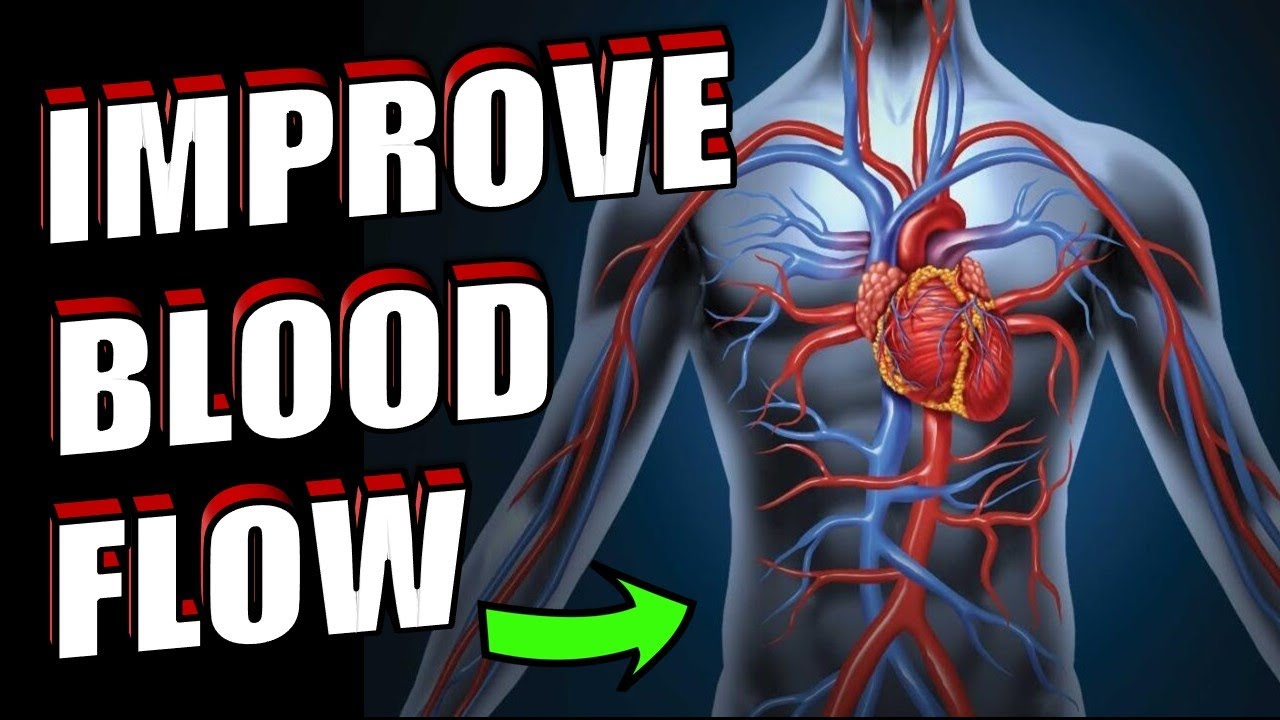
How to Improve Circulation: Blood circulation isn’t just something that keeps you warm—it’s what keeps you alive and thriving. Imagine your body as a city and your blood as the delivery trucks transporting oxygen, nutrients, and hormones to every part of your system. When circulation is poor, these deliveries are delayed or even stopped, leading to a host of health problems that can sneak up on you over time.
Many people experience the consequences of poor circulation daily—cold fingers, numb toes, fatigue, or even brain fog—but they don’t always realize that the root of the problem lies in how blood moves through their body. Whether you’re young or aging, active or sedentary, improving your circulation can mean the difference between a sluggish, unhealthy lifestyle and one filled with vitality and sharp mental clarity.
The good news? You don’t need fancy medications or expensive treatments to improve blood flow. Simple lifestyle adjustments, backed by science and real-world results, can make a big difference. In this guide, we’ll walk you through everything you need to know—from causes and symptoms to practical steps and solutions you can start today.
Understanding Blood Circulation
At its core, blood circulation is your body’s delivery and waste removal system. Blood flows from your heart, through your arteries, to every organ, tissue, and cell. Then it returns to the heart through your veins, carrying carbon dioxide and other waste products to be expelled from the body.
The heart, a powerful muscle about the size of your fist, pumps blood through this complex network of arteries and veins—collectively called the circulatory system. This constant, rhythmic flow ensures that every part of your body gets the oxygen and nutrients it needs to function efficiently.
There are two main parts of your circulatory system:
- Systemic circulation, which delivers oxygenated blood from the heart to the rest of the body.
- Pulmonary circulation, which sends deoxygenated blood to the lungs to pick up fresh oxygen.
If anything disrupts this process—narrowed blood vessels, plaque buildup, weak heart pumping—your circulation suffers, and so does your health.
Common Causes of Poor Circulation
Poor circulation doesn’t just “happen.” There’s usually a root cause, and identifying it is key to reversing the problem. Here are some of the most common culprits:
- Sedentary lifestyle: Sitting for hours a day without moving slows down your blood flow and can lead to blood pooling in your legs.
- Smoking: Tobacco damages the lining of your blood vessels, making them less flexible and more prone to narrowing.
- Poor diet: A diet high in sugar, saturated fats, and salt contributes to plaque buildup, obesity, and inflammation—all of which hinder circulation.
- Chronic diseases: Conditions like diabetes, hypertension, and high cholesterol put extra strain on your heart and blood vessels.
- Obesity: Extra weight forces your heart to work harder and compresses blood vessels, especially in the legs and pelvis.
Knowing the cause gives you a clear direction for how to fix it—whether it’s moving more, eating better, or managing a medical condition.
Signs and Symptoms of Poor Circulation
Your body often sends warning signs when your circulation isn’t where it should be. The key is knowing what to look for. Here are the most common red flags:
- Cold hands and feet: If your extremities are frequently cold, it could mean blood isn’t reaching them efficiently.
- Numbness and tingling: That “pins and needles” feeling is your body crying out for oxygen-rich blood.
- Swelling: Especially in your legs and ankles, swelling could indicate that blood and fluid aren’t moving properly.
- Varicose veins: These twisted, enlarged veins are a classic sign of blood pooling in the lower limbs.
- Fatigue: Without steady blood flow, your muscles and brain won’t get the fuel they need to stay energized.
- Slow wound healing: Cuts and bruises that take too long to heal often point to inadequate circulation.
Ignoring these symptoms can lead to bigger problems down the road, so early intervention is essential.
Health Risks Associated with Poor Circulation
Poor blood flow is more than just uncomfortable—it can be dangerous. Over time, chronic poor circulation increases your risk of serious, sometimes life-threatening, conditions:
- Blood clots: Slow-moving blood is more likely to clot. A clot in your leg (deep vein thrombosis) can break loose and travel to your lungs (pulmonary embolism), which is a medical emergency.
- Stroke and heart attack: Blocked or narrowed arteries can stop blood from reaching your brain or heart, leading to catastrophic consequences.
- Peripheral artery disease (PAD): This occurs when narrowed arteries reduce blood flow to your limbs, causing pain, cramping, and mobility issues.
This is why improving circulation isn’t just about comfort—it’s about survival.
Benefits of Improving Circulation
So, what happens when you improve your circulation? Honestly, the benefits are massive and touch nearly every aspect of your health:
- Increased energy: Your muscles and organs get the oxygen they need to perform at their best.
- Sharper mental focus: Better blood flow to the brain means improved cognitive function and less brain fog.
- Faster healing: Your body can repair injuries, wounds, and inflammation much more efficiently.
- Healthier skin: Improved circulation delivers nutrients to your skin, giving it a natural glow.
- Stronger immune system: Nutrients and immune cells can travel faster and more efficiently throughout your body.
It’s like flipping a switch that makes your whole system run smoother.
How to Improve Circulation Naturally
Let’s talk about solutions. Natural ways to improve circulation aren’t complicated—they’re habits you can build into your daily routine.
- Move your body more: Even light activity like walking makes a big difference.
- Eat for heart health: Whole foods, lean proteins, and healthy fats are your allies.
- Drink plenty of water: Hydration helps your blood maintain optimal volume and flow.
- Stretch often: Flexibility helps keep blood moving, especially if you sit for long periods.
Ready to dive into the details? Let’s break these down one by one.
Exercise and Physical Activity
If there’s one magic pill for better circulation, it’s exercise—and the best part? It’s free. Moving your body gets your heart pumping faster, which in turn pushes blood through your vessels with more force and efficiency. When you’re active, your blood doesn’t just move—it flows. And when it flows, every part of your body benefits.
Best Exercises to Improve Circulation
You don’t need to train like an athlete to see results. Here are the most effective exercises for enhancing blood flow:
- Walking – It’s simple, low impact, and incredibly effective. Just 30 minutes a day can dramatically improve circulation in your legs and feet.
- Swimming – A full-body workout that’s easy on the joints and keeps your blood moving without stress.
- Cycling – Boosts lower-body circulation while strengthening the heart and lungs.
- Yoga and stretching – Certain poses, like downward dog and legs-up-the-wall, are particularly good at promoting venous return.
- Strength training – Builds muscle mass and promotes blood flow to those active muscle groups.
How Often Should You Exercise?
Aim for at least 150 minutes of moderate aerobic activity per week, as recommended by health organizations like the CDC. You can break this into 30 minutes a day, 5 days a week. Add strength training twice a week for even more benefits.
Tips for Staying Consistent
- Schedule workouts like appointments.
- Find an accountability partner.
- Keep your gear and clothing ready to eliminate excuses.
- Choose activities you enjoy—dance, hike, even gardening counts.
Even on busy days, just 10 minutes of stretching or brisk walking can kickstart your circulation. The key is consistency, not perfection.
Healthy Diet for Blood Flow
What you eat has a powerful effect on how your blood flows. Think of your food as fuel, not just for energy but for circulation. The right nutrients keep your blood vessels flexible, prevent blockages, and help your heart do its job more efficiently.
Top Foods That Boost Circulation
Here’s what you should pile on your plate:
- Fatty fish (like salmon, sardines, and mackerel) – Packed with omega-3 fatty acids that reduce inflammation and improve arterial function.
- Beets – High in nitrates that convert into nitric oxide, which dilates blood vessels and enhances flow.
- Leafy greens – Spinach, kale, and arugula are also rich in nitrates.
- Citrus fruits – Oranges, grapefruits, and lemons are high in vitamin C, which strengthens blood vessel walls.
- Nuts and seeds – Almonds, walnuts, and flaxseeds are great for heart health.
- Garlic – Natural vasodilator; it helps blood vessels relax and improves flow.
- Dark chocolate – Contains flavonoids that improve circulation (just don’t overdo it!).
What to Avoid
Just as some foods help, others hurt. Limit or avoid:
- Processed and fried foods
- High-sugar snacks and drinks
- Excessive sodium (which leads to high blood pressure)
- Trans fats and hydrogenated oils
Sample Meal Ideas
- Breakfast: Oatmeal with walnuts and berries
- Lunch: Grilled salmon salad with leafy greens and olive oil vinaigrette
- Dinner: Quinoa, steamed vegetables, and garlic-lime chicken
- Snacks: Handful of almonds, citrus slices, or beet juice
Eating for circulation doesn’t mean bland or boring—it just means being intentional with your choices.
Hydration and Circulatory Health
Water might not get enough credit, but it’s a major player when it comes to circulation. Blood is about 90% water, and when you’re dehydrated, it thickens—making it harder for your heart to pump and for your vessels to transport oxygen.
Why Dehydration Hurts Circulation
- It causes blood to become more viscous, which slows flow.
- It makes your heart work harder.
- It leads to lower blood pressure, which can cause dizziness and fatigue.
How Much Water Should You Drink?
The classic “8 glasses a day” is a good start, but it varies by person. A better rule of thumb: drink half your body weight in ounces. So, if you weigh 160 pounds, aim for about 80 ounces (roughly 10 cups) of water daily.
Tips for Staying Hydrated
- Start your day with a glass of water.
- Carry a refillable water bottle with you.
- Flavor water naturally with cucumber, mint, or citrus.
- Drink before, during, and after exercise.
Your blood—and every cell it nourishes—will thank you for it.
Quit Smoking and Limit Alcohol
If you’re serious about improving your circulation, smoking has to go. There’s no gentle way to say it—smoking destroys your blood vessels and dramatically increases your risk of cardiovascular disease.
How Smoking Damages Circulation
- Narrows arteries by damaging their lining
- Promotes plaque buildup
- Increases blood pressure and heart rate
- Decreases oxygen in the blood
Even secondhand smoke can have negative effects on your circulatory system. The benefits of quitting begin almost immediately—within days, your circulation begins to improve.
What About Alcohol?
Moderate alcohol intake (especially red wine) has been linked to heart health benefits in some studies, thanks to antioxidants like resveratrol. But moderation is key:
- Women: No more than 1 drink per day
- Men: No more than 2 drinks per day
Excessive alcohol consumption leads to dehydration, irregular heart rhythms, and liver damage—all of which hurt circulation.
Healthy Alternatives
- Sparkling water with lime
- Herbal teas
- Alcohol-free mocktails
It’s not about deprivation—it’s about giving your body the best chance to thrive.
Massage Therapy and Bodywork
Who doesn’t love a good massage? Beyond relaxation, massage therapy can do wonders for your circulation. When muscles are kneaded and pressed, blood vessels are stimulated, which increases the flow of blood and lymphatic fluid.
Benefits of Massage for Circulation
- Improves oxygen and nutrient delivery
- Reduces muscle tension and pain
- Promotes venous return
- Decreases blood pressure
- Supports lymphatic drainage
Best Types of Massage for Blood Flow
- Swedish massage – Uses long, gliding strokes to stimulate circulation.
- Deep tissue massage – Targets deeper layers of muscle and fascia; especially good if you have tight spots or poor circulation in the legs.
- Reflexology – Focuses on pressure points in the feet and hands to stimulate blood flow throughout the body.
DIY Techniques You Can Try at Home
- Use a foam roller to release tension and increase blood flow.
- Massage your calves and feet regularly, especially after sitting.
- Try contrast therapy (alternating hot and cold water) in the shower for improved circulation.
Even just 5–10 minutes of daily self-massage can make a noticeable difference over time.
Compression Gear and Clothing
Compression gear isn’t just for athletes or people with medical issues. It’s a simple and effective way to support better circulation, especially in the legs.
How Compression Works
Compression socks and sleeves apply gentle pressure to your lower extremities, helping push blood back toward your heart. This reduces swelling, prevents blood from pooling, and can even reduce the risk of clots if you’re sitting or standing for long periods.
When to Use Compression Gear
- During long flights or road trips
- If you sit or stand for extended hours at work
- After intense workouts to aid recovery
- For people with varicose veins or chronic venous insufficiency
Choosing the Right Compression
- Look for graduated compression (tighter at the ankle, looser up the leg)
- Start with 15–20 mmHg pressure for everyday use
- Talk to a healthcare provider before using higher levels
Compression gear is a low-effort, high-impact tool to improve circulation without major lifestyle changes.
Supplements and Natural Remedies
Sometimes, even with the best diet and exercise plan, your body needs a little extra support. That’s where supplements and natural remedies come into play. These can be particularly helpful for people with chronic conditions, older adults, or anyone struggling to get enough nutrients from food alone.
Vitamins That Support Circulation
- Vitamin C – Strengthens blood vessel walls and improves elasticity. It’s also a potent antioxidant that fights free radical damage.
- Vitamin E – Keeps blood from clotting unnecessarily and improves oxygen delivery throughout the body.
- Vitamin B3 (Niacin) – Helps widen blood vessels and lower bad cholesterol, improving overall blood flow.
- Vitamin K – Supports vascular health and regulates calcium to prevent arterial stiffness.
Herbs and Natural Remedies
- Ginkgo biloba – Known for enhancing memory and brain function by increasing blood flow to the brain.
- Cayenne pepper – Contains capsaicin, which stimulates circulation and strengthens arteries.
- Turmeric – Contains curcumin, a powerful anti-inflammatory that helps keep blood vessels healthy.
- Ginger – A natural blood thinner and anti-inflammatory that helps with circulation and heart health.
- Horse chestnut extract – Traditionally used to treat varicose veins and venous insufficiency.
Recommended Dosages and Safety Tips
Always consult your doctor before starting any new supplement, especially if you’re on medication or have health conditions. Some supplements can interact with blood thinners or other drugs.
- Look for third-party tested supplements for quality assurance.
- Start with the lowest effective dose.
- Be patient—some natural remedies take a few weeks to show noticeable results.
Supplements should complement your lifestyle, not replace it. Think of them as a boost—not a shortcut.
Managing Chronic Conditions
Chronic illnesses like diabetes, high blood pressure, and high cholesterol are some of the biggest enemies of healthy circulation. Left unmanaged, they can cause serious damage to your arteries and veins. But with proactive care, you can protect your vascular system.
Diabetes and Circulation
- High blood sugar damages blood vessel walls over time.
- Can lead to peripheral neuropathy—loss of sensation in extremities.
- Increases risk of PAD, ulcers, and poor wound healing.
Tips for Diabetics:
- Monitor blood sugar daily.
- Stick to a low-glycemic diet.
- Stay active and check feet regularly for cuts or numbness.
High Blood Pressure (Hypertension)
- Constant high pressure weakens arteries.
- Leads to stiffness and narrowing, which impairs flow.
Management Tips:
- Limit salt intake to 1,500–2,300 mg/day.
- Exercise regularly and manage stress.
- Take prescribed medications as directed.
Cholesterol and Arterial Health
- LDL (bad cholesterol) forms plaques that block blood flow.
- HDL (good cholesterol) helps clear artery walls.
How to Improve It:
- Eat fiber-rich foods like oats, beans, and avocados.
- Cut down on saturated fats.
- Get regular lipid panel tests.
Properly managing chronic conditions is one of the most effective ways to protect your long-term circulation.
Stress Management and Sleep
Believe it or not, your emotions and your sleep habits play a huge role in how well your blood flows. Chronic stress and sleep deprivation trigger hormones that tighten blood vessels, raise blood pressure, and strain your heart.
How Stress Affects Circulation
- Increases cortisol and adrenaline levels
- Narrows blood vessels
- Raises blood pressure
- Can lead to habits like smoking or overeating, which hurt circulation further
Proven Stress Reduction Techniques
- Meditation and mindfulness – Just 10 minutes a day can calm the nervous system.
- Deep breathing – Slows your heart rate and opens up blood vessels.
- Journaling – Helps release mental clutter.
- Nature walks – Combines physical activity with mental relaxation.
Sleep and Circulatory Health
During deep sleep, your body repairs blood vessels and balances hormones. Poor sleep disrupts this process and increases the risk of heart disease, obesity, and inflammation.
Tips for Better Sleep:
- Go to bed and wake up at the same time daily.
- Avoid screens and heavy meals before bed.
- Keep your room cool and dark.
- Limit caffeine and alcohol in the evening.
Don’t underestimate how powerful a good night’s sleep and a calm mind can be for your circulation—and your overall health.
When to See a Doctor
While lifestyle changes are effective for many people, there are times when professional help is necessary. Poor circulation isn’t something you want to ignore—especially if symptoms persist or worsen.
Red Flags That Require Medical Attention:
- Persistent leg pain or cramping
- Open sores on feet or legs that won’t heal
- Changes in skin color or texture (pale, blue, or shiny skin)
- Swelling in one leg
- Sudden numbness or weakness
These could indicate serious conditions like peripheral artery disease, deep vein thrombosis, or even the early stages of a stroke.
Diagnostic Tools Your Doctor May Use:
- Doppler ultrasound to check blood flow in your legs
- Ankle-brachial index (ABI) to detect PAD
- Blood tests to check for cholesterol, glucose, and clotting disorders
- CT or MRI angiography to view arteries in detail
Treatment Options Might Include:
- Prescription medications
- Physical therapy
- Surgery or angioplasty in severe cases
- Blood thinners if clots are a concern
Don’t wait until your symptoms become serious. Early intervention can prevent long-term damage.
FAQs about How to Improve Circulation
1. Can poor circulation be reversed naturally?
Yes! In many cases, regular exercise, a healthy diet, hydration, and quitting smoking can significantly improve circulation over time.
2. How long does it take to improve circulation?
Some people notice improvements in a few days, while others may take weeks or months. It depends on your overall health and consistency with lifestyle changes.
3. Are cold hands and feet always a sign of poor circulation?
Not always, but it can be a sign. Cold extremities are often caused by reduced blood flow, especially in colder environments. If it’s constant or paired with numbness, consult a doctor.
4. What is the best supplement for circulation?
Popular options include ginkgo biloba, vitamin E, and omega-3 fatty acids. However, always talk to a healthcare provider before adding supplements to your routine.
5. Can standing all day affect circulation?
Yes. Standing for long periods can cause blood to pool in your legs, leading to swelling and fatigue. Wearing compression socks and taking movement breaks can help.
Conclusion
Improving circulation isn’t a one-time fix—it’s a daily commitment to taking better care of your body. But here’s the beautiful thing: every little step you take adds up. A short walk. A healthy meal. A glass of water. A stress-free night’s sleep. These aren’t small things. They’re powerful investments in your future health.
Good circulation means your heart works less, your brain thinks clearer, your skin glows, and your whole body functions the way it’s supposed to. Whether you’re 25 or 75, making circulation health a priority today can mean a longer, stronger life tomorrow.
So start small. Stay consistent. And remember—your blood deserves to flow like a river, not a traffic jam.