How to Boost your Immune System: Have you ever wondered why some people seem to bounce back from illness faster than others? Or why you catch every bug going around while your friend doesn’t even get a sniffle? The answer usually lies in the strength of your immune system. In today’s fast-paced world—filled with stress, pollution, processed foods, and endless screens—our immune systems are taking a real hit. Boosting your immunity isn’t just about avoiding the occasional cold; it’s about protecting your body from long-term illness, inflammation, and even chronic diseases.
Think of your immune system as your body’s internal army. It fights off bacteria, viruses, and other invaders that can make you sick. But just like any army, it needs support—fuel, rest, training, and protection. This article breaks down, in plain English, exactly how you can naturally strengthen your immunity using everyday habits, foods, and lifestyle tweaks. No gimmicks. No crazy supplements. Just real, science-backed ways to help your body do what it was designed to do: keep you healthy.
Whether you’re constantly feeling under the weather or just want to stay one step ahead of flu season, you’re in the right place. Ready to take charge of your health? Let’s get into it.
Understanding the Immune System
Before we jump into all the ways to strengthen it, let’s first understand what the immune system actually is. Your immune system is a complex network of cells, tissues, and organs that work together to defend your body. It acts like your own personal security team, identifying threats like bacteria, viruses, and parasites—and eliminating them before they can do damage.
At the core of your immune system are white blood cells, which patrol your bloodstream looking for invaders. Then there are the lymph nodes, spleen, thymus, and bone marrow—each playing a unique role in the fight against disease. And let’s not forget the skin and mucous membranes, which act as physical barriers to keep germs out in the first place.
But your immune system doesn’t just fight infections. It also helps heal wounds, fights off abnormal cells (like cancer), and even remembers previous invaders so it can respond faster the next time around. That’s what makes vaccines so effective—they train your immune system to recognize and fight specific threats.
Here’s the thing though: Your immune system isn’t a machine you can just “switch on.” It’s dynamic and influenced by so many factors—your diet, sleep, stress levels, and more. That’s why keeping it in top shape requires a holistic, consistent approach. Don’t worry, we’re about to break it all down, step by step.
Signs of a Weak Immune System
Sometimes your body tries to send signals that something’s not quite right. If you’re constantly getting sick or just don’t feel like yourself, it could be your immune system waving a red flag. Here are a few common signs that your immune health might be struggling:
- You get colds or infections frequently
- Cuts and wounds take a long time to heal
- You feel fatigued all the time, even after resting
- Digestive issues like bloating, diarrhea, or constipation
- You have frequent skin infections or rashes
- Inflammation or joint pain without a clear cause
Even more subtle signs—like low energy, brain fog, or seasonal allergies—can sometimes be traced back to poor immune function. Left unchecked, a weak immune system can increase your risk of developing chronic conditions, like autoimmune diseases or even cancer.
The good news? Once you spot the signs, you can take proactive steps to turn things around. Let’s get into those steps next—starting with the most important one: your diet.
Healthy Diet: Your First Line of Defense
You’ve heard it before: “You are what you eat.” But when it comes to your immune system, this couldn’t be more true. Your body needs the right mix of vitamins, minerals, and nutrients to fuel its defense system—and that starts with what’s on your plate.
Immune cells rely heavily on nutrients like:
- Vitamin C – for immune cell production and function
- Vitamin D – helps regulate immune responses
- Zinc – crucial for wound healing and cell communication
- Iron – supports white blood cell function
- Selenium – fights inflammation and oxidative stress
- Protein – builds and repairs immune cells
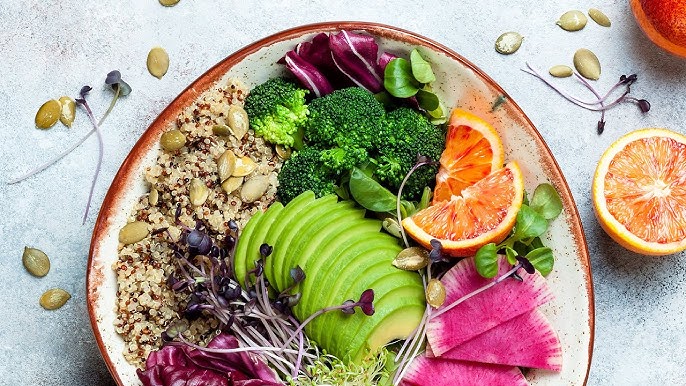
A healthy immune-boosting diet includes a colorful variety of fruits, vegetables, lean proteins, whole grains, nuts, and seeds. Why colorful? Because different colors often mean different antioxidants and phytonutrients that your body craves.
Here are some examples of immune-supporting foods to include:
- Leafy greens (spinach, kale)
- Citrus fruits (oranges, lemons, grapefruits)
- Berries (especially blueberries and strawberries)
- Garlic and onions
- Yogurt and kefir (for probiotics)
- Almonds and sunflower seeds
- Fatty fish like salmon and mackerel (rich in omega-3s)
Try building your meals around whole, unprocessed ingredients. Avoid excessive sugar, refined carbs, and processed foods—they can cause inflammation and even suppress your immune system over time. It’s not about dieting; it’s about nourishing your body so it can protect you.
Top Immune-Boosting Foods
Let’s take a closer look at some real immune system heroes hiding in your kitchen. These aren’t magic pills or trendy powders—they’re natural, accessible, and incredibly powerful when eaten regularly. If you want to build a stronger defense system, start adding these all-stars to your plate:
1. Citrus Fruits
You knew this one was coming, right? Citrus fruits like oranges, lemons, limes, and grapefruits are loaded with vitamin C, which helps increase the production of white blood cells—the frontline soldiers of your immune system. The body doesn’t store vitamin C, so you need a fresh supply daily.
2. Garlic
This little bulb packs a serious punch. Garlic contains allicin, a sulfur-rich compound known for its immune-boosting and antimicrobial properties. Regular consumption can help reduce the frequency and severity of colds and flu.
3. Ginger
Not just for nausea or digestive troubles—ginger is a powerful anti-inflammatory and antioxidant. It helps reduce oxidative stress and strengthens the immune system, especially during the colder months.
4. Yogurt and Kefir
These probiotic-rich foods support gut health, which is directly tied to your immunity. About 70% of your immune cells are in your gut, so keeping your microbiome balanced is crucial. Look for options with live and active cultures.
5. Spinach and Leafy Greens
Loaded with vitamins A, C, and E, plus antioxidants and fiber, spinach helps your immune cells function at their best. Light cooking enhances the vitamin A content and allows easier absorption of nutrients.
6. Almonds and Sunflower Seeds
Both are great sources of vitamin E, which acts as a powerful antioxidant to protect immune cells from damage. Just a small handful a day can make a big difference.
7. Turmeric
This golden spice contains curcumin, a natural anti-inflammatory compound that enhances immune function. Pair it with black pepper to increase absorption.
8. Green Tea
Rich in antioxidants like EGCG, green tea enhances immune response and supports gut health. Unlike coffee, it also provides L-theanine, which may aid in the production of germ-fighting compounds.
These are just a few examples, but there are many more. The bottom line? Eat a variety of whole, nutrient-dense foods. Your immune system thrives on diversity, just like your gut does.
Importance of Hydration
Think of water as the oil that keeps the engine of your body running smoothly. Staying hydrated is crucial for virtually every bodily function—especially your immune system.
When you’re dehydrated, your lymphatic system (which transports immune cells throughout your body) slows down. Your mucous membranes—like those in your nose and throat—can dry out, making it easier for viruses and bacteria to enter your body. Plus, dehydration can lead to headaches, fatigue, and sluggish immune response.
Here’s how water helps your immunity:
- Flushes out toxins from your body
- Keeps your mucous membranes moist (your body’s first line of defense)
- Supports oxygen transportation through your bloodstream
- Promotes digestive health, which in turn supports immunity
How Much Water Do You Need?
There’s no one-size-fits-all answer, but a good general rule is the “8×8” rule—eight 8-ounce glasses of water per day. You may need more if you’re active, live in a hot climate, or are recovering from illness.
Best Fluids for Immune Health:
- Plain water (always the #1 choice)
- Herbal teas (ginger, peppermint, chamomile)
- Coconut water (natural electrolytes)
- Bone broth (packed with minerals and amino acids)
- Infused water (add lemon, cucumber, mint for a flavorful boost)
Try to avoid sugary drinks, energy drinks, or excessive caffeine, which can dehydrate you. Set reminders if you struggle to drink water throughout the day—it’s one of the simplest yet most powerful things you can do for your immune health.
Get Enough Sleep
Here’s something you might not realize: while you’re snoozing, your immune system is hard at work. Sleep is when your body repairs, recharges, and produces infection-fighting molecules like cytokines. Skimping on sleep even for a few nights can dramatically lower your defenses.
Studies show that people who don’t get enough quality sleep are more likely to get sick after being exposed to a virus, and they recover more slowly. Why? Because poor sleep reduces the number of infection-fighting antibodies and white blood cells in your body.
How Much Sleep Do You Need?
- Adults: 7–9 hours per night
- Teens: 8–10 hours
- Kids: 9–12 hours, depending on age
Tips for Better Sleep Hygiene:
- Stick to a consistent sleep schedule (even on weekends)
- Create a cool, dark, and quiet bedroom
- Avoid screens (phones, TVs, laptops) at least an hour before bed
- Don’t eat heavy meals right before sleeping
- Limit caffeine and alcohol intake in the evening
Still struggling with sleep? Try relaxation techniques like deep breathing, meditation, or listening to calming music. Sleep isn’t a luxury—it’s a biological necessity for strong immunity. Prioritize it like your health depends on it. Because it does.
Regular Physical Activity
You don’t need to be a gym rat to boost your immune system. Just 30 minutes of moderate exercise most days of the week is enough to increase circulation, reduce inflammation, and help immune cells move throughout your body more efficiently.
Exercise helps:
- Flush out toxins and bacteria from your lungs and airways
- Increase production of macrophages (cells that attack invaders)
- Lower stress hormones like cortisol
- Improve sleep quality
- Enhance mental well-being
Best Types of Immune-Boosting Exercise:
- Brisk walking
- Cycling
- Swimming
- Yoga and stretching
- Light resistance training
- Dancing or aerobics
Avoid going overboard. While moderate activity strengthens your immune system, excessive high-intensity workouts without adequate rest can suppress it. That’s why elite athletes sometimes get sick more often—they’re pushing their bodies too hard without enough recovery.
Make movement a daily habit. Even 10-minute bursts of activity, spread throughout the day, can do wonders for your immune health. Bonus? It’s also great for your heart, mood, and waistline.
Stress Management Techniques
Ever noticed how you tend to get sick right after a stressful week? That’s no coincidence. Chronic stress floods your body with cortisol, the stress hormone, which—when elevated for too long—can suppress your immune system’s ability to function properly.
Stress weakens your body’s response to foreign invaders. It lowers your white blood cell count, reduces antibody production, and increases inflammation. In short, it throws your entire system out of balance. So if you want a stronger immune response, learning to manage your stress is non-negotiable.
How Stress Affects Immunity:
- Impairs immune cell communication
- Increases susceptibility to viruses and infections
- Slows down healing and recovery
- Triggers poor habits (overeating, poor sleep, substance use)
Effective Stress-Reduction Strategies:
- Mindful Meditation: Just 10 minutes a day can lower cortisol levels and calm your nervous system. Apps like Headspace or Calm are great starting points.
- Deep Breathing Exercises: Slow, deep breaths activate the parasympathetic nervous system (aka your relaxation mode).
- Physical Activity: Movement releases endorphins, your body’s natural mood boosters.
- Journaling: Write down your thoughts, worries, or gratitude. Getting it out on paper helps declutter your mind.
- Digital Detox: Reduce screen time, especially social media, to limit overwhelm and mental fatigue.
- Connection: Call a friend, hug a loved one, or spend time with your pet. Positive social interactions reduce stress and promote well-being.
- Laughter: Yes, it really is medicine. Laughter reduces stress hormones and boosts infection-fighting antibodies.
The bottom line? Chronic stress isn’t just bad for your mind—it’s terrible for your body, too. Build stress-busting habits into your daily life. Even five intentional minutes of calm can tip the balance in your immune system’s favor.
Sunlight and Vitamin D
There’s a reason why people tend to get sick more during the winter months. One major factor? Low levels of vitamin D, which your body primarily produces through sunlight exposure. Vitamin D is a powerful immune modulator that plays a key role in the activation of your immune defenses.
When you’re deficient in this crucial nutrient, your immune system becomes sluggish. You may be more susceptible to colds, respiratory infections, and even autoimmune disorders.
Benefits of Vitamin D for Immune Health:
- Enhances pathogen-fighting effects of monocytes and macrophages
- Reduces inflammation in the body
- Helps regulate the production of cytokines (chemical messengers)
- May reduce the risk of chronic illnesses like heart disease and diabetes
Getting Enough Vitamin D:
- Sunlight Exposure: Aim for 15–30 minutes of direct sunlight on your skin (without sunscreen) several times a week. The amount varies depending on your skin tone, location, and time of year.
- Food Sources: Fatty fish (like salmon), egg yolks, mushrooms, and fortified foods (like milk and cereals).
- Supplements: If you live in a place with long winters or don’t get much sun, a vitamin D3 supplement might be necessary. Always check with your healthcare provider for proper dosage.
A quick blood test can tell you if you’re deficient. If you are, don’t ignore it. Replenishing your vitamin D can lead to major improvements in your immune function and overall health.
Avoid Smoking and Limit Alcohol
Let’s get real: smoking and heavy drinking are some of the worst things you can do for your immune system. They both flood your body with toxins that weaken your defenses, damage tissues, and increase your risk for chronic diseases.
How Smoking Hurts Your Immune System:
- Damages lung tissue and reduces oxygen intake
- Suppresses antibody responses
- Increases inflammation in the body
- Reduces white blood cell function
Even second-hand smoke can impair your immune system. The chemicals in tobacco weaken your respiratory defenses and make it easier for infections to take hold.
Alcohol and Immunity:
Moderate alcohol (like a glass of wine here and there) may have some health benefits. But excessive drinking? That’s a different story. It disrupts gut bacteria, depletes nutrients, damages liver function, and weakens the body’s ability to fight infections.
Healthier Alternatives:
- Quit smoking with the help of nicotine patches, support groups, or apps like QuitNow.
- Replace alcohol with herbal teas, sparkling water with fruit, or kombucha.
- Focus on habits that relax you without substance use, like reading, walking, or yoga.
The takeaway: If you’re serious about strengthening your immune system, ditch the smokes and cut back on booze. Your body will thank you in more ways than one.
Herbal and Natural Supplements
Supplements can help fill in nutritional gaps, especially if your diet isn’t always perfect (and let’s be honest, whose is?). While no pill can replace a healthy lifestyle, certain natural supplements have been shown to enhance immune response.
Top Immune-Supporting Supplements:
| Supplement | Benefit | Recommended Use |
|---|---|---|
| Vitamin C | Boosts white blood cells & antioxidant protection | 500–1000 mg daily |
| Vitamin D3 | Regulates immune response | 1000–2000 IU daily (or as prescribed) |
| Zinc | Speeds up recovery from colds | 8–11 mg daily |
| Elderberry | Fights viral infections and reduces symptoms | As syrup, capsules, or gummies |
| Echinacea | Stimulates immune activity | Use short-term (not for daily use) |
| Probiotics | Supports gut health and immunity | Look for strains like Lactobacillus & Bifidobacterium |
Use With Caution:
Not all supplements are created equal. Quality matters. Always choose reputable brands, avoid mega-doses, and talk to a healthcare professional if you’re pregnant, nursing, or on medications.
Supplements should support your immune health—not replace your daily efforts in eating well, sleeping enough, and managing stress.
Probiotics and Gut Health
Ever hear the phrase “all health begins in the gut”? Well, when it comes to your immune system, that couldn’t be more accurate. Around 70% of your immune system lives in your gut. That’s right—your digestive tract isn’t just processing food; it’s also home to trillions of bacteria that directly affect how well your immune system works.
These microbes are called the gut microbiome, and they’re constantly communicating with your immune cells. A healthy balance of good bacteria can help your body identify and fight off harmful invaders. An unbalanced gut, on the other hand, can lead to inflammation, illness, and even autoimmune issues.
How Gut Health Impacts Immunity:
- Helps train your immune system to distinguish friend from foe
- Supports the production of immune-regulating compounds
- Prevents harmful bacteria from overgrowing
- Reduces chronic inflammation throughout the body
Best Sources of Probiotics:
- Yogurt (with live active cultures)
- Kefir (a tangy, fermented milk drink)
- Sauerkraut and Kimchi (fermented vegetables)
- Miso (fermented soybean paste)
- Tempeh (fermented soy)
- Kombucha (fermented tea)
Prebiotics: The Food for Probiotics
To keep your gut flora happy, you also need prebiotics, which are fibers that feed good bacteria. These are found in:
- Bananas
- Onions
- Garlic
- Asparagus
- Oats
- Apples
If you’ve been taking antibiotics, eating a poor diet, or living under high stress, chances are your gut health needs a little TLC. Adding more probiotic-rich and fiber-packed foods to your daily meals can make a noticeable difference—not just in digestion, but in how often you get sick and how fast you recover.
Hygiene and Immunity
Clean hands, clean body, clean home—it may sound basic, but hygiene is your first physical barrier against illness. You don’t need to become a germophobe, but building consistent hygiene habits is one of the easiest and most effective ways to reduce your risk of getting sick.
Think about it: Your skin, mouth, and mucous membranes are constantly exposed to bacteria, viruses, and other pathogens. Proper hygiene helps keep these invaders out, giving your immune system a head start.
Essential Hygiene Practices:
- Wash your hands regularly with soap and water, especially:
- Before eating
- After using the restroom
- After touching pets or garbage
- After being in public spaces
- Avoid touching your face, especially your eyes, nose, and mouth
- Cover your mouth when you cough or sneeze—preferably with a tissue or your elbow
- Disinfect frequently-touched surfaces (phones, doorknobs, keyboards)
- Practice safe food handling to avoid foodborne illnesses
Vaccinations and Immunity
While natural immunity is great, vaccines train your immune system to fight specific infections more efficiently. Staying up to date with recommended vaccinations (like flu shots, tetanus, or COVID-19 boosters) is another critical layer of protection.
Remember: hygiene isn’t about living in a bubble. It’s about giving your immune system less to deal with in the first place—so it can focus on what truly matters.
Immune System Myths Debunked
With all the online noise about immunity, it’s hard to tell fact from fiction. So let’s clear up some of the most common myths about the immune system that people still fall for.
Myth #1: You Can “Supercharge” Your Immune System Overnight
Nope. The immune system doesn’t work like an on/off switch. It’s a complex network that requires consistency—balanced nutrition, regular sleep, stress management, and more. No smoothie or supplement can turn you into a superhero overnight.
Myth #2: Taking Megadoses of Vitamin C Prevents Illness
While vitamin C supports immunity, taking massive doses (like 5,000 mg daily) won’t make you invincible—and can cause side effects like kidney stones or diarrhea. Stick to moderate doses from food and supplements.
Myth #3: If You’re Healthy, You Don’t Need to Worry About Your Immune System
Just because you don’t get sick often doesn’t mean your immune system is in perfect shape. Many chronic illnesses—like heart disease or diabetes—can start silently and have links to immune dysfunction.
Myth #4: Cold Weather Makes You Sick
It’s not the cold itself—it’s that we spend more time indoors, close to others, with less sunlight and poorer ventilation. That’s what spreads viruses. So yes, bundle up, but don’t blame the weather.
Myth #5: Supplements Can Replace a Healthy Lifestyle
Supplements are great, but they’re called that for a reason—they supplement your lifestyle. They’re not a free pass to eat junk food, sleep 4 hours a night, and hope a pill saves you.
By busting these myths, you can focus on what actually works—and skip the trendy but useless advice that clogs your social media feed.
How Age Affects Your Immune System
Let’s face it—aging is inevitable. And as we grow older, our immune systems don’t work quite the way they used to. This natural process is called immunosenescence, and it means our bodies become slower to respond to pathogens and less efficient at producing immune cells.
Why the Immune System Weakens With Age:
- Decreased production of T-cells (critical for fighting viruses)
- Reduced response to vaccinations
- Thinning of skin and mucous membranes (first line of defense)
- Higher levels of chronic inflammation
That’s why older adults are more vulnerable to infections like the flu, pneumonia, and even COVID-19. But that doesn’t mean decline is inevitable.
Immune-Boosting Tips for Older Adults:
- Stay physically active (walking, tai chi, yoga)
- Eat nutrient-dense foods, especially those rich in antioxidants
- Take targeted supplements (like vitamin D, B12, zinc)
- Prioritize sleep—this becomes more critical with age
- Stay socially connected to combat stress and loneliness
- Keep up with vaccinations, including shingles and flu shots
Aging doesn’t have to mean feeling weak or sick all the time. With the right habits, your immune system can still put up a strong fight—no matter how many candles are on your birthday cake.
Immune Boosting for Kids
Kids are walking germ magnets. And while some exposure is good (it helps build immunity), you still want to give your child’s immune system the best foundation possible.
Children’s immune systems are still developing, which means they need nutritional support, rest, and plenty of play to grow strong and resilient.
Ways to Support Your Child’s Immune System:
- Balanced Diet: Make sure they eat a rainbow of fruits and veggies every day.
- Healthy Fats: Add foods like avocado, nut butters, and salmon to support brain and immune health.
- Limit Sugar: Excess sugar can weaken their immune response and feed bad gut bacteria.
- Encourage Outdoor Play: Sunlight and movement help boost vitamin D and reduce stress.
- Regular Bedtime: Sleep is critical for kids—try to keep consistent routines.
- Teach Hygiene: Hand washing, covering sneezes, and proper tissue use go a long way.
- Probiotic Foods: Yogurt, kefir, and fermented foods support gut immunity.
You don’t need to bubble-wrap your kids, but you can help them fight off infections faster—and build stronger defenses for life—by instilling healthy habits early on.
FAQs about How to Boost your Immune System
1. Can I really boost my immune system naturally without supplements?
Yes! A healthy diet, regular exercise, sleep, stress management, and sunlight are incredibly powerful. Supplements can help, but they’re not required if your lifestyle is on point.
2. How fast can I strengthen my immune system?
It depends. Some improvements (like better sleep or hydration) can make a difference within days. But long-term immune health takes consistent effort over weeks and months.
3. Do immune-boosting drinks and shots actually work?
Some may help, especially if they contain real nutrients like vitamin C or zinc. But many are loaded with sugar and offer little more than marketing hype. Whole foods are usually better.
4. How can I know if I have a weak immune system?
Frequent illness, fatigue, slow wound healing, and recurring infections are common signs. If you’re concerned, a doctor can run blood tests to check immune function.
5. Are there any risks to boosting immunity too much?
Yes. An overactive immune system can lead to autoimmune diseases, where the body attacks itself. Balance is key—don’t overdo supplements or extreme health trends.
Conclusion
Your immune system is your body’s built-in superhero, quietly working 24/7 to keep you safe from harm. But like any hero, it needs fuel, rest, and training to perform at its best. You don’t need complicated routines, extreme diets, or fancy supplements to boost your immunity. What you really need are consistent, daily habits that support your body in the way it was meant to be supported.
Eat real food. Move your body. Get quality sleep. Laugh often. Wash your hands. Soak up the sun. And most importantly—listen to your body.
Start small if you need to. Pick one or two tips from this guide and implement them today. Then add more as you go. Over time, these small actions stack up, creating a stronger, more resilient you.
Your immune system is your lifelong partner in health—treat it well, and it will return the favor.