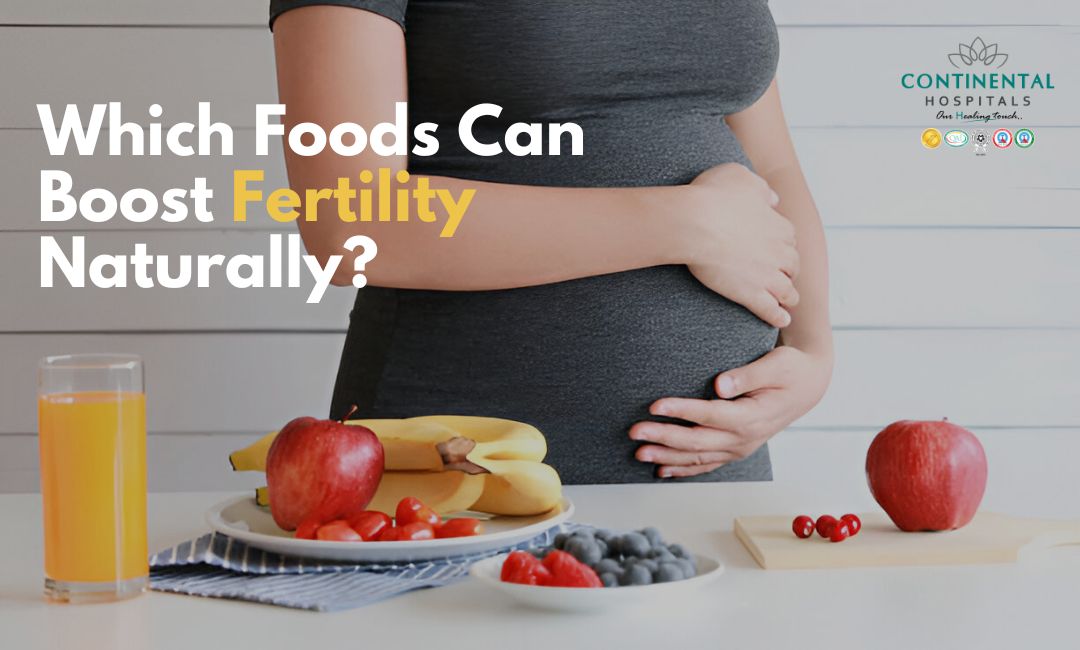
How to Boost Fertility Naturally: When you’re trying to conceive, it can feel like you’re on a rollercoaster of emotions. Some couples get pregnant quickly, while others take months or even years. If you’re in the latter group, you might be wondering what else you can do to increase your chances—without diving into expensive treatments right away. The good news? There are plenty of natural ways to boost fertility for both men and women.
Natural fertility boosters aren’t just old wives’ tales—they’re backed by science, nutrition, and lifestyle research. From what you eat to how you sleep, and even your daily stress levels, your body responds to your environment. Optimizing it naturally may be the missing piece in your fertility puzzle. So, let’s dive deep into how you can support your reproductive system and increase your chances of conception—without medications or procedures.
The Science Behind Fertility
Understanding fertility means going beyond the birds and the bees. At its core, fertility is about a complex hormonal dance between your brain, endocrine system, and reproductive organs. In women, the process involves ovulation—the release of a mature egg from the ovary—while in men, it’s about the production of healthy, motile sperm.
Hormones such as estrogen, progesterone, luteinizing hormone (LH), and follicle-stimulating hormone (FSH) play vital roles in this process. A slight imbalance can delay ovulation or disrupt sperm production. That’s why natural methods that support hormonal harmony can make such a big difference.
Your fertility isn’t static—it fluctuates depending on your health, age, and lifestyle choices. If you’re actively trying to conceive, now is the time to become your body’s biggest supporter. The good news is that even small, consistent changes can reset your system and support optimal reproductive health.
Top Causes of Infertility
Infertility can be caused by a wide variety of issues—and it’s not always about one partner or the other. According to statistics, about one-third of fertility problems are due to female factors, another third to male factors, and the rest are unexplained or a combination of both.
Key causes include:
- Hormonal Imbalances – Polycystic ovary syndrome (PCOS), thyroid issues, and premature ovarian failure are common in women.
- Sperm Issues – Low count, poor motility, or abnormal shape can affect male fertility.
- Lifestyle Choices – Smoking, excessive alcohol, drug use, and even too much caffeine can reduce chances of conception.
- Environmental Toxins – Pesticides, plastics, heavy metals, and household chemicals may act as endocrine disruptors.
- Medical Conditions – Endometriosis, fibroids, or infections like STDs can play a role.
Addressing these root causes through diet, detox, exercise, and natural remedies may restore balance and improve reproductive outcomes.
Healthy Diet for Fertility
Let food be thy medicine—especially when trying to conceive. A fertility-friendly diet is rich in antioxidants, essential fatty acids, plant-based nutrients, and quality protein. What you eat has a direct impact on hormone production, egg quality, and sperm health.
Key nutrients for fertility:
- Folic Acid – Critical for preventing neural tube defects and supporting ovulation.
- Iron – Deficiency can impact ovulation and implantation.
- Zinc – Supports testosterone production and egg development.
- Vitamin D – Regulates menstrual cycles and improves semen quality.
- Omega-3 Fatty Acids – Found in fatty fish, chia seeds, and walnuts; help regulate hormones and improve egg quality.
Top fertility foods include:
- Leafy greens like spinach and kale
- Whole grains like quinoa and brown rice
- Avocados and nuts for healthy fats
- Salmon, sardines, and anchovies for omega-3s
- Beans, lentils, and lean meats for protein
By building your meals around whole, nourishing foods, you lay a solid foundation for fertility success.
Foods to Avoid When Trying to Conceive
While some foods boost fertility, others can quietly sabotage your efforts. Your diet isn’t just about what you should eat—it’s also about what you shouldn’t. Certain ingredients, additives, and habits can lead to inflammation, hormonal imbalances, and oxidative stress, all of which make it harder to conceive.
Common fertility-reducing foods to avoid:
- Trans Fats: Often found in fried foods, baked goods, and processed snacks, trans fats can interfere with insulin sensitivity, which impacts ovulation.
- Excess Sugar: Too much sugar can spike insulin levels, promote weight gain, and disrupt hormonal balance.
- Highly Processed Carbs: White bread, pasta, and other refined carbs can negatively affect fertility by raising blood sugar levels.
- Caffeine in Excess: While moderate coffee intake is usually fine, too much (more than 300mg/day) may affect hormone levels and implantation.
- Alcohol: Drinking can reduce both egg and sperm quality, and excessive intake may delay conception altogether.
- High-Mercury Fish: Tuna, swordfish, and mackerel contain mercury, which can damage the nervous system and reproductive health.
Consider your plate a fertility toolbox. Every choice matters. Start reading labels, cooking at home more often, and being mindful of how certain foods make you feel. A clean, balanced diet can help detox your body and reset your hormones naturally—without sacrificing flavor or satisfaction.
The Role of Body Weight in Fertility
Here’s a hard truth that many overlook: your weight can directly affect your ability to conceive. Both being underweight and overweight can throw your hormones out of sync, leading to irregular ovulation or no ovulation at all.
For women:
- Excess fat tissue produces estrogen, and too much estrogen can confuse the body into thinking it’s already pregnant, stopping ovulation.
- On the flip side, very low body fat can reduce estrogen production and delay or eliminate ovulation.
For men:
- Obesity is linked to lower testosterone levels, poor sperm quality, and erectile dysfunction.
Ideal fertility-friendly BMI ranges:
- Women: Between 18.5 and 24.9
- Men: Between 20 and 25
It’s not about being thin—it’s about being balanced. Aiming for a healthy weight through mindful eating and regular physical activity can significantly increase your chances of getting pregnant. Don’t aim for perfection. Aim for progress. Even losing 5–10% of your body weight can have a huge impact on reproductive function.
Exercise and Fertility
You’ve heard it before: “Exercise is good for you.” But when it comes to fertility, what you do—and how much—matters more than you think. The right amount of movement supports hormone regulation, boosts circulation to reproductive organs, and improves mood and sleep. However, overdoing it can have the opposite effect.
Best types of exercise for fertility:
- Moderate Cardio: Walking, light jogging, swimming, and cycling help improve insulin sensitivity and balance hormones.
- Yoga and Pilates: These gentle movements reduce stress and boost pelvic circulation.
- Strength Training: Helps regulate body weight and improves metabolic health—essential for both men and women.
Avoid:
- High-intensity training every day
- Marathon running or extreme endurance workouts (which may delay ovulation)
- Overexercising without rest days
Aim for about 150 minutes of moderate exercise per week, paired with 2 days of strength training. The key is consistency, not intensity. A balanced fitness routine can enhance fertility while also improving your overall well-being.
Sleep and Fertility
Let’s not underestimate the power of a good night’s rest—especially when you’re trying to conceive. Your body does most of its hormonal regulation and cellular repair while you sleep. Skimping on shut-eye throws off your circadian rhythm, disrupts your reproductive hormones, and can even lead to fertility problems.
Poor sleep is linked to:
- Lowered levels of progesterone and estrogen
- Irregular menstrual cycles
- Poor sperm quality and reduced testosterone in men
- Increased stress hormones (like cortisol), which suppress reproductive function
Tips for better sleep hygiene:
- Stick to a consistent sleep schedule, even on weekends
- Limit screen time 1–2 hours before bed
- Create a relaxing bedtime ritual (like reading or taking a warm bath)
- Keep your bedroom cool, dark, and quiet
- Avoid caffeine after 2 p.m.
Aim for 7–9 hours of quality sleep per night. It might sound simple, but making rest a priority could be the fertility “superpower” you never knew you needed.
Stress Management for Reproductive Health
We live in a go-go-go world, and stress is practically a badge of honor. But here’s the reality: stress is a fertility killer. Chronic stress can lead to elevated cortisol levels, which interfere with the production of key reproductive hormones like LH and FSH. In women, this can delay or stop ovulation. In men, it can lower sperm count and reduce libido.
Common signs that stress is affecting your fertility:
- Irregular periods
- Mood swings
- Low sex drive
- Insomnia
- Feeling “tired but wired”
Natural ways to manage stress for better fertility:
- Mindfulness and Meditation: Even 10 minutes a day can reset your nervous system.
- Breathing Exercises: Deep, slow breathing lowers cortisol almost instantly.
- Journaling: Getting thoughts out of your head and onto paper reduces mental clutter.
- Connection: Spend time with loved ones, laugh more, and seek support when needed.
- Nature Walks: Spending time in green spaces improves mood and lowers blood pressure.
You can’t remove stress completely, but you can control how you respond to it. Making stress management a daily habit—not a last resort—can significantly improve your fertility outcomes.
Limiting Exposure to Toxins
In today’s world, harmful toxins are literally everywhere—your food, water, makeup, cleaning products, and even the air you breathe. These toxins, especially endocrine disruptors, can silently wreak havoc on your reproductive system. If you’re trying to conceive, it’s time to clean up your environment and become more intentional about what you let near (and into) your body.
Common fertility-harming toxins to watch out for:
- BPA (Bisphenol A): Found in plastics, canned foods, and receipts. BPA mimics estrogen and can affect ovulation and sperm quality.
- Phthalates: Present in cosmetics, fragrances, vinyl, and soft plastics. Linked to hormone disruption and poor sperm motility.
- Pesticides: Found on non-organic produce and in lawn care products. These chemicals may interfere with hormone function and egg development.
- Heavy Metals: Mercury, lead, and arsenic can be found in contaminated water, fish, and old pipes. These are toxic to reproductive organs.
- Flame Retardants & Household Cleaners: Can build up in the body over time and reduce both male and female fertility.
Steps to detox your life:
- Switch to glass or stainless-steel containers instead of plastic
- Eat organic, especially when it comes to high-pesticide produce (refer to the “Dirty Dozen” list)
- Filter your water with a quality filtration system
- Choose natural cleaning and personal care products
- Avoid nonstick cookware—opt for stainless steel or cast iron
Reducing toxic load won’t happen overnight, but every small swap adds up. Think of your body as the soil in a garden: the cleaner it is, the easier it is to grow something new—like a little life.
Boosting Male Fertility Naturally
Fertility isn’t just a “female thing.” In fact, male factor infertility accounts for about 30–40% of infertility cases. Yet, it’s often overlooked until much later in the process. The good news? Men can take simple, natural steps to increase sperm count, improve motility, and enhance overall reproductive health.
Top factors that impact male fertility:
- Heat (like hot tubs, saunas, or tight underwear)
- Smoking and alcohol
- Poor diet and obesity
- Lack of sleep and chronic stress
- Exposure to toxins and heavy metals
Ways to naturally boost male fertility:
- Improve diet: Focus on zinc, selenium, vitamin C, and CoQ10 for stronger sperm.
- Take antioxidants: Supplements like vitamin E, L-carnitine, and folate help protect sperm from oxidative stress.
- Stay cool: Avoid prolonged laptop use on the lap, hot tubs, or any heat source near the groin area.
- Exercise moderately: Weight lifting and cardio improve testosterone levels.
- Quit smoking and limit alcohol: Both reduce sperm production and cause DNA fragmentation.
- Get enough sleep: Testosterone production peaks during deep sleep.
Healthy sperm are half the equation. Supporting male fertility naturally isn’t just about conception—it’s about the health of the future baby, too.
Natural Supplements for Fertility
Sometimes, food and lifestyle changes aren’t quite enough. That’s where natural supplements come in. Think of them as your body’s little cheerleaders, giving your reproductive system the extra support it might need. But not all supplements are created equal—and some are more helpful than others.
Top fertility-boosting supplements for women:
- Folic Acid: Essential for healthy egg development and early fetal growth.
- Vitamin D: Crucial for hormone regulation and improving chances of implantation.
- Coenzyme Q10 (CoQ10): Helps with egg quality, especially in women over 35.
- Myo-Inositol: Balances blood sugar and hormones in women with PCOS.
- Omega-3s: Anti-inflammatory and great for uterine health.
Top fertility-boosting supplements for men:
- Zinc: Enhances testosterone and sperm production.
- Selenium: Supports sperm motility.
- L-Carnitine: Improves sperm movement and shape.
- Ashwagandha: An adaptogen that helps reduce stress and boost testosterone.
- Vitamin C and E: Powerful antioxidants that protect sperm from oxidative damage.
Always check with a healthcare provider before starting new supplements—especially if you’re taking medications or have underlying health conditions. Supplements aren’t magic pills, but paired with the right lifestyle, they can help push your fertility journey in the right direction.
Tracking Ovulation Naturally
If you’re not timing intercourse with your most fertile days, you might be missing your window entirely. Understanding your ovulation cycle is one of the most effective ways to increase your chances of conceiving—and it’s totally free.
Natural ovulation tracking methods:
- Basal Body Temperature (BBT): Take your temperature each morning before getting out of bed. A slight increase indicates ovulation.
- Cervical Mucus Monitoring: During your fertile window, mucus becomes clear, stretchy, and egg-white in consistency.
- Calendar Method: Track the length of your cycles for several months to predict ovulation (usually 12–16 days before your next period).
- Ovulation Predictor Kits (OPKs): Measure your LH surge to signal ovulation within 24–48 hours.
Signs you’re ovulating:
- Mild cramping on one side
- Breast tenderness
- Increased libido
- Higher energy levels
- Change in vaginal discharge
Timing is everything. Knowing when you’re ovulating helps take the guesswork out of conception and improves your odds of success with each cycle.
Natural Remedies and Ancient Practices
Sometimes, the old ways hold wisdom we’ve only recently begun to rediscover. Alternative therapies and ancient healing practices have been used for centuries to support reproductive health. While some are still being studied, many couples swear by these natural methods.
Popular natural fertility therapies:
- Acupuncture: This traditional Chinese medicine technique uses fine needles to stimulate points on the body. It’s believed to increase blood flow to the uterus, balance hormones, and reduce stress.
- Fertility Massage: A gentle abdominal massage that promotes circulation in the reproductive organs and improves lymphatic drainage.
- Ayurveda: A holistic Indian practice that uses herbs, dietary changes, and detoxification to support fertility.
- Castor Oil Packs: Applied to the abdomen to improve uterine health and reduce inflammation.
- Reflexology: Foot pressure therapy that corresponds to different organs, including the reproductive system.
Herbs often used for fertility:
- Vitex (Chasteberry): Helps regulate cycles and balance progesterone.
- Maca Root: Supports libido and hormone balance in both men and women.
- Red Raspberry Leaf: Tones the uterus and supports menstrual health.
- Ashwagandha: A powerful adaptogen that helps combat stress and hormonal imbalance.
As with any remedy, be cautious and consult a practitioner familiar with natural fertility care. These approaches can be powerful allies when used alongside healthy lifestyle practices.
When to See a Doctor
Natural methods are incredibly effective for many couples, especially when lifestyle, diet, and stress are major contributing factors. But it’s also crucial to know when it’s time to seek medical advice. Fertility challenges can sometimes stem from underlying conditions that need medical intervention. Knowing the right moment to get help can save you time, stress, and emotional fatigue.
Here are general guidelines for when to consult a fertility specialist:
- Women under 35: If you’ve been trying to conceive for 12 months without success.
- Women over 35: If you’ve been trying for 6 months without a positive result.
- Known reproductive issues: PCOS, endometriosis, fibroids, or irregular cycles.
- Male factors: Known low sperm count, motility issues, or erectile dysfunction.
- Multiple miscarriages: If you’ve experienced two or more losses.
- No ovulation signs: If you’re not seeing signs of ovulation after months of tracking.
It’s also worth getting basic fertility testing, such as:
- Hormone blood work (LH, FSH, estrogen, AMH)
- Pelvic ultrasound
- Semen analysis
- Hysterosalpingography (to check fallopian tube health)
Seeing a doctor doesn’t mean giving up on natural methods—it means combining the best of both worlds. Often, lifestyle changes paired with medical insight can lead to faster, more successful outcomes.
FAQs about How to Boost Fertility Naturally
1. How long does it take for natural fertility methods to work?
It varies by individual, but many couples see improvement in fertility within 3–6 months of making consistent lifestyle changes, especially if both partners are involved. Keep in mind that factors like age, health history, and stress levels can influence the timeline.
2. Can I still boost fertility naturally if I have PCOS or endometriosis?
Yes. While medical support may still be necessary, natural approaches like an anti-inflammatory diet, weight management, and stress reduction can significantly improve ovulation and hormone balance in women with PCOS or endometriosis.
3. Do fertility supplements really work?
Supplements can be powerful when used correctly. Nutrients like folic acid, CoQ10, and myo-inositol have shown strong support for reproductive health. However, they work best when paired with a healthy lifestyle and under the guidance of a professional.
4. Is it okay to drink alcohol while trying to conceive naturally?
It’s best to limit or avoid alcohol altogether during this period. Even moderate drinking can negatively affect hormone levels, sperm quality, and ovulation. For optimal results, treat this time like a pre-pregnancy detox.
5. Can stress really stop me from getting pregnant?
Absolutely. High cortisol levels can suppress reproductive hormones and interfere with ovulation and sperm production. That’s why managing stress through practices like yoga, meditation, and adequate rest is crucial for boosting fertility naturally.
Conclusion
Boosting fertility naturally isn’t about quick fixes—it’s about creating an environment where your body feels safe, balanced, and supported enough to welcome new life. From nourishing your body with the right foods, staying active, sleeping well, managing stress, and reducing toxin exposure, every intentional choice you make gets you one step closer to your goal.
Both men and women play equally vital roles in fertility, so make it a team effort. Prioritize open communication, celebrate small milestones, and give yourselves grace during the journey. Whether you’re just beginning or have been trying for some time, natural fertility strategies can reset your reproductive health and reignite your hope.
Remember, conception is a marathon, not a sprint. Your body wants to work with you—it just needs the right tools, timing, and care.