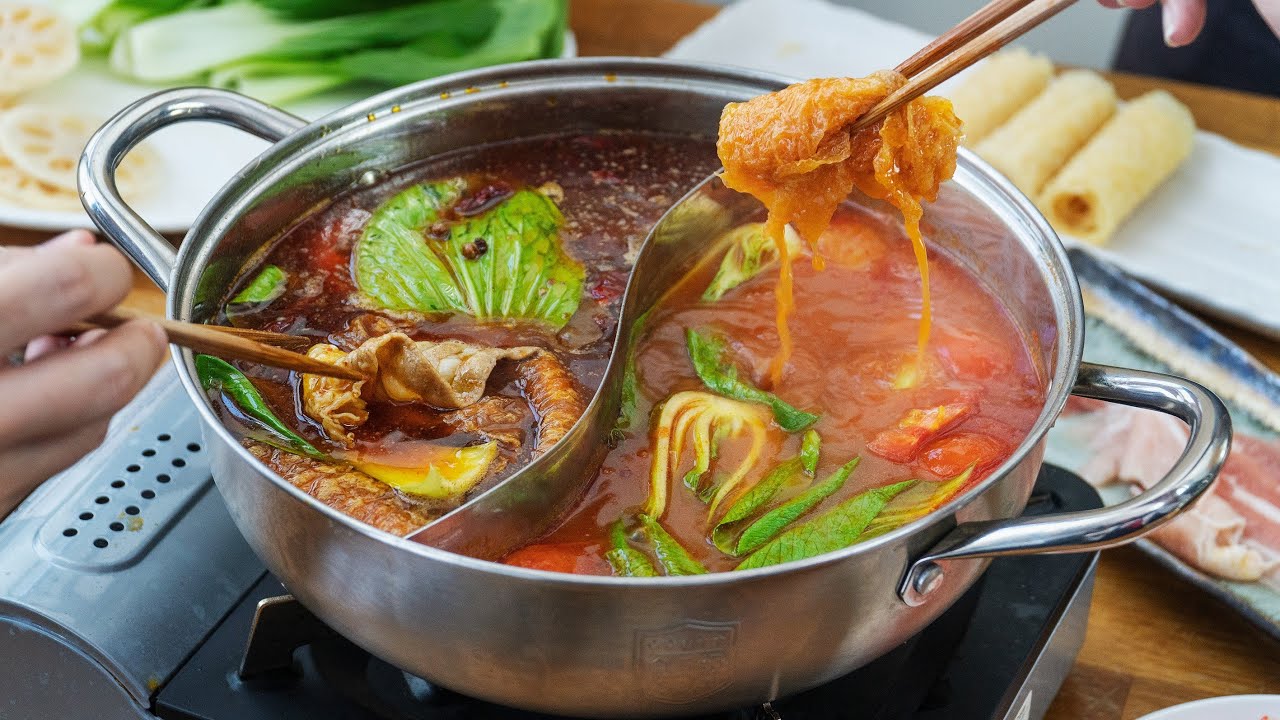
A deeply flavorful hot pot broth recipe is the foundation of every memorable hot pot meal. When we prepare hot pot at home, the broth is what brings the entire experience together. It is the simmering base that cooks the meats, seafood, vegetables, noodles, tofu, and dumplings while steadily building richer flavor with every ingredient added to the pot. A good broth should be aromatic, balanced, and layered, with enough depth to taste delicious on its own and enough flexibility to pair well with a wide variety of hot pot ingredients.
This guide shows how to make a rich, satisfying, and versatile homemade hot pot broth from scratch. We will use simple ingredients, clear steps, and practical techniques to create a broth that is comforting, restaurant-worthy, and easy to customize for different tastes.
Ingredients You’ll Need
To make a classic and savory hot pot broth, we need ingredients that build body, fragrance, and balance.
For the Broth Base
- 8 cups chicken stock or vegetable stock
- 2 cups water
- 1 tablespoon neutral oil
- 1 large onion, sliced
- 6 cloves garlic, smashed
- 1 large piece fresh ginger, sliced
- 3 spring onions, cut into large pieces
- 2 tablespoons soy sauce
- 1 tablespoon light sesame oil
- 1 tablespoon rice vinegar
- 1 tablespoon cooking wine or Shaoxing wine
- 1 teaspoon sugar
- 1 to 1½ teaspoons salt, or to taste
- 1 teaspoon white pepper
For Extra Aroma and Depth
- 2 star anise
- 1 small cinnamon stick
- 2 bay leaves
- 1 teaspoon Sichuan peppercorns
- 3 whole cloves
- 1 small piece dried tangerine peel or orange peel, optional
Optional Ingredients for a Richer Hot Pot Broth
- 2 dried shiitake mushrooms
- 1 small piece kombu
- 1 tablespoon miso paste
- 1 tablespoon chili bean paste for a spicy version
- 2 to 4 dried red chilies, depending on heat preference
These ingredients create a broth that is savory, lightly spiced, and deeply warming. The dried mushrooms and kombu add more umami, while the aromatics and spices give the broth its signature hot pot character.
How to Choose the Best Stock for Hot Pot Broth
The stock we use determines the body and depth of the finished broth. Chicken stock is one of the best options because it creates a rich but clean-tasting base that works with nearly every hot pot ingredient. Vegetable stock is ideal if we want a lighter, plant-based broth that still delivers complexity. If we want a fuller, more luxurious broth, we can use a combination of chicken stock and pork bones simmered beforehand.
A quality stock should not be too salty because the broth will continue to concentrate as it simmers on the table. That is why it is always better to start with a mildly seasoned stock and adjust the seasoning later.
Step-by-Step Guide to Make Hot Pot Broth
Step 1 – Prepare the Aromatics
Start by slicing the onion, ginger, and spring onions, then smash the garlic. Preparing the aromatics properly helps release their flavor more efficiently into the broth. The ginger should be sliced thick enough to hold its shape during simmering, while the garlic only needs to be gently crushed.
These simple ingredients are essential because they form the first layer of flavor. They bring freshness, warmth, and a savory backbone that supports the spices and stock.
Step 2 – Toast the Spices and Aromatics
Place a large pot over medium heat and add the neutral oil. Once warm, add the sliced onion, garlic, ginger, and spring onions. Stir for about 2 to 3 minutes until fragrant. Then add the star anise, cinnamon stick, bay leaves, Sichuan peppercorns, and cloves.
Let the spices toast briefly for about 30 to 60 seconds. This step is important because it helps release their natural oils and intensifies the overall aroma of the broth. The kitchen should begin to smell rich, warm, and inviting at this point.
Be careful not to burn the spices. We only want them gently toasted, not darkened.
Step 3 – Add the Stock and Water
Pour in the chicken stock and water, then stir to combine. Add the dried shiitake mushrooms and kombu if using. Bring everything to a gentle simmer over medium-high heat.
As soon as the broth reaches a simmer, reduce the heat to low. Avoid boiling aggressively, as a hard boil can make the broth cloudy and reduce the clarity of the flavors. A gentle simmer is best for extracting depth without overpowering the broth.
Step 4 – Season the Broth Properly
Add the soy sauce, sesame oil, rice vinegar, cooking wine, sugar, salt, and white pepper. Stir well and let the broth continue simmering for 25 to 35 minutes.
This stage is where the broth develops balance. The soy sauce gives savory depth, the sesame oil adds nuttiness, the rice vinegar provides brightness, and the sugar rounds out the sharper notes. The wine adds a subtle complexity that makes the broth taste more refined and restaurant-style.
Taste the broth after 20 minutes and adjust the seasoning if needed. If it tastes flat, add a little more salt or soy sauce. If it tastes too strong, add a splash of hot water.
Step 5 – Remove Strong Whole Spices if Desired
Once the broth has simmered long enough, we can either leave the whole spices in for continued flavor or strain the broth for a cleaner finish. If we prefer a more delicate broth, strain out the onion, garlic, ginger, and whole spices before serving.
For hot pot, many people prefer to strain the broth so the surface stays clean and the ingredients added later do not get lost among the aromatics. This also gives the broth a more polished look when serving guests.
Step 6 – Transfer to a Hot Pot and Keep Simmering
Pour the finished broth into a hot pot vessel, electric hot pot, or tabletop pot. Keep it at a gentle simmer while serving. This is the ideal temperature because it cooks the ingredients evenly without reducing the broth too quickly.
As meats, mushrooms, greens, dumplings, tofu, and noodles cook in the broth, the flavor will continue to deepen. That is one of the best parts of hot pot. The broth evolves throughout the meal and becomes even richer with every bite.
How to Make Spicy Hot Pot Broth
If we want a bold and fiery version, it is easy to turn this base into a spicy hot pot broth recipe. Add 1 tablespoon chili bean paste and 2 to 4 dried red chilies when sautéing the aromatics. We can also add extra Sichuan peppercorns for the signature numbing heat.
A spicy broth should still be balanced. Heat alone is not enough. The goal is a broth that is hot, fragrant, savory, and complex rather than harsh or overwhelming. A little sugar and stock richness help keep the spice rounded and enjoyable.
Best Ingredients to Cook in Hot Pot Broth
Once the broth is ready, we can serve it with a variety of ingredients that cook quickly and absorb flavor beautifully.
Best Proteins
- Thinly sliced beef
- Thinly sliced lamb
- Chicken breast or thigh slices
- Fish fillets
- Shrimp
- Meatballs
- Fish balls
Best Vegetables
- Napa cabbage
- Spinach
- Bok choy
- Mushrooms
- Corn
- Lotus root
- Daikon radish
Other Great Additions
- Firm tofu
- Tofu puffs
- Bean curd sheets
- Glass noodles
- Udon noodles
- Rice cakes
- Dumplings
The best hot pot broth is one that complements all of these ingredients without overpowering them.
Tips for the Most Flavorful Hot Pot Broth
A few small techniques make a big difference when preparing homemade broth.
First, always sauté the aromatics before adding liquid. This creates a deeper and warmer base than simply boiling everything together.
Second, do not oversalt the broth at the beginning. Since hot pot continues simmering throughout the meal, the flavor naturally intensifies.
Third, keep extra hot stock or hot water nearby. As the broth reduces, topping it up helps maintain both volume and balance.
Fourth, use ingredients in stages. Start with mushrooms, tofu, and sturdy vegetables to enrich the broth, then cook delicate proteins and greens later.
Finally, serve the broth hot but not violently boiling. A steady simmer gives the best texture and flavor.
Common Mistakes to Avoid
One common mistake is using a stock that is already heavily seasoned. This can make the final broth too salty before the meal even begins.
Another mistake is adding too many competing spices. A good broth should be flavorful, but it should still taste harmonious. Too many strong spices can create confusion instead of depth.
Overboiling is another issue. A rolling boil may seem faster, but it can make the broth cloudy and reduce it too quickly. Gentle simmering keeps the flavors clean and controlled.
Skipping acidity is also a mistake. A small amount of rice vinegar or similar acid helps brighten the broth and prevents it from tasting dull or heavy.
How to Store and Reuse Hot Pot Broth
If we have leftover broth, let it cool, strain it, and refrigerate it in an airtight container. It will keep well for up to 3 days. The broth often becomes even more flavorful after resting because the ingredients have had more time to infuse.
We can also freeze the broth for later use. Frozen hot pot broth is convenient for quick meals and can be reheated straight from the freezer.
Leftover broth can also be turned into other dishes. It works well as a base for noodle soup, dumpling soup, or even a simple vegetable soup.
Why Homemade Hot Pot Broth Is Worth Making
Making hot pot broth from scratch gives us better flavor, better control, and a more satisfying result than relying entirely on packaged soup bases. We can adjust the salt level, spice intensity, richness, and aromatics to match exactly what we want. We also know every ingredient that goes into the pot, which makes the meal feel fresher and more personal.
Homemade broth creates a more authentic hot pot experience because it develops naturally, layer by layer. It starts as a carefully seasoned stock and becomes a rich communal meal that changes and improves as everyone cooks and eats together.
FAQs about Hot Pot Broth Recipe
1. What is hot pot broth?
Hot pot broth is the flavorful soup base used for cooking meats, seafood, vegetables, noodles, and tofu in a hot pot meal. It can be mild, spicy, savory, or herbal, depending on the ingredients.
2. What is hot pot broth made of?
Hot pot broth is commonly made with stock or water, garlic, ginger, soy sauce, green onions, and spices. Some versions also include chili oil, mushrooms, Sichuan peppercorns, or herbs for deeper flavor.
3. Can I make hot pot broth at home?
Yes, homemade hot pot broth is easy to make. You can start with a simple broth and then add ingredients to create the flavor you prefer.
4. What is the difference between mild and spicy hot pot broth?
Mild broth is usually light, savory, and comforting, while spicy broth contains ingredients like chilies, chili paste, and peppercorns for heat and bold flavor.
5. What can I cook in hot pot broth?
You can cook thinly sliced meat, shrimp, fish balls, mushrooms, leafy greens, tofu, dumplings, and noodles. This makes hot pot both fun and versatile.
6. How long should hot pot broth simmer?
Hot pot broth usually tastes best after simmering for about 20 to 40 minutes. This allows the ingredients to blend well and create a richer flavor.
7. Can I store leftover hot pot broth?
Yes, you can store leftover broth in an airtight container in the refrigerator for 2 to 3 days. You can also freeze it for longer storage.
8. Can I customize hot pot broth?
Yes, you can easily customize it with spices, herbs, mushrooms, chili oil, or miso. As a result, you can make it as simple or as bold as you like.
Final Thoughts
This hot pot broth recipe delivers everything we want in a homemade hot pot base: warmth, depth, aroma, and versatility. It is simple enough for a home cook, yet flavorful enough to serve for a special gathering. With the right stock, fragrant aromatics, balanced seasonings, and a steady simmer, we can create a broth that transforms basic ingredients into a comforting and memorable meal.
Whether we prefer a classic savory broth or a spicy version with bold chili heat, this recipe gives us a dependable foundation for an excellent hot pot night. Once we master the broth, the rest of the meal becomes easy, interactive, and deeply satisfying.