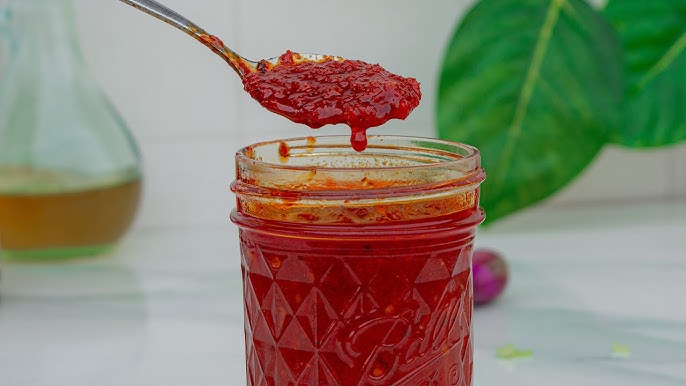
Hot Pepper Sauce Recipe: If you love bold, fiery flavors that can instantly elevate any dish, then hot pepper sauce is a must-have in your kitchen. From spicing up scrambled eggs to giving grilled meats a mouthwatering kick, this sauce is one of the most versatile condiments you can make at home. The beauty of preparing it yourself is that you control the heat level, flavor depth, and consistency. Whether you prefer tongue-tingling heat or a well-balanced, zesty punch, this step-by-step guide will help you create your own hot pepper sauce masterpiece.
Introduction to Hot Pepper Sauce
Hot pepper sauce isn’t just about heat—it’s about unlocking a world of flavor. Cultures across the globe have their own unique versions, from the smoky chipotle-based sauces of Mexico to the fiery Scotch bonnet creations of the Caribbean. Making your own sauce not only allows you to customize the flavor profile but also ensures that it’s free from artificial preservatives or unnecessary additives.
Why Hot Pepper Sauce is Popular Worldwide
Every region has its signature hot sauce. In Louisiana, vinegar-based pepper sauces reign supreme, while in Asia, chili garlic pastes dominate kitchens. What makes hot pepper sauce universally loved is its ability to cut through richness, add depth to bland foods, and awaken the taste buds in just a drop. It’s not just about making food spicier—it’s about enhancing every bite with layers of flavor.
Benefits of Making Homemade Hot Sauce
Homemade hot pepper sauce is fresher, healthier, and more flavorful than store-bought varieties. You decide the ingredients, which means you can go organic, avoid excess sodium, and experiment with flavors like mango, ginger, or roasted garlic. Plus, it’s far more economical to make a big batch at home and store it in jars or bottles for months. The best part? You can proudly say, “I made this sauce from scratch.”
Ingredients You’ll Need
Creating the perfect hot pepper sauce starts with selecting the right ingredients. The peppers are the star of the show, but supporting flavors like garlic, onions, and vinegar make the sauce truly shine.
Fresh Hot Peppers (Types and Choices)
Choosing the right pepper determines your sauce’s heat and flavor. Here are some popular options:
- Habanero Peppers – Extremely hot with fruity notes.
- Scotch Bonnet Peppers – Caribbean favorite, sweet yet fiery.
- Jalapeños – Milder heat, perfect for beginners.
- Serrano Peppers – Slightly hotter than jalapeños with fresh, grassy flavor.
- Cayenne Peppers – Classic choice for sharp heat.
If you want more heat, combine multiple varieties. If you want balance, mix hot peppers with milder chili varieties like bell peppers.
Supporting Ingredients (Garlic, Onions, Vinegar, Salt, etc.)
- Garlic & Onion: Add body and depth to the sauce.
- Vinegar: Preserves the sauce and gives it tangy sharpness. White vinegar is classic, but apple cider vinegar or rice vinegar works for a twist.
- Salt: Balances flavor and helps preservation.
- Olive Oil (optional): Smooths texture and rounds off harsh edges of spice.
Optional Add-ins for Flavor Variations
To give your sauce a unique signature, experiment with:
- Mango or pineapple for sweetness.
- Ginger for a zesty, warming kick.
- Roasted tomatoes for a smoky touch.
- Honey or brown sugar to mellow intense heat.
Essential Tools for Making Hot Pepper Sauce
To avoid kitchen chaos, having the right tools is essential.
Kitchen Equipment Checklist
- Cutting board & sharp knife – For chopping peppers and other ingredients.
- Gloves – Essential to protect hands from capsaicin burns.
- Saucepan – For simmering ingredients.
- Blender or food processor – To achieve smooth consistency.
- Strainer (optional) – For a silky finish without seeds.
Storage Containers and Bottling Options
- Glass bottles or jars: The best choice for long-term storage.
- Airtight lids: Keep the sauce fresh.
- Labels: Note the date and spice level for future reference.
Tip: Avoid plastic containers, as the heat and acidity can stain or absorb flavors.
Step-by-Step Guide to Making Hot Pepper Sauce
Now comes the exciting part—bringing it all together. Follow these simple steps to create your own batch of hot pepper sauce.
Step 1 – Preparing the Peppers
Wash your peppers thoroughly under running water. Slice off the stems and chop them into chunks. If you want a milder sauce, remove the seeds and inner membranes (that’s where most of the heat lives). Always wear gloves during this step—you don’t want pepper oils lingering on your hands.
Step 2 – Cooking the Base Ingredients
Cooking is where the magic happens. Heat a small amount of oil in a saucepan, then add onions and garlic. Sauté them until fragrant and golden—this step develops a deep, savory foundation for your sauce. Next, toss in your chopped peppers. Stir them for a few minutes to soften and release their natural oils.
Once softened, pour in vinegar to deglaze the pan and help preserve the sauce. At this stage, you can also add other flavor boosters like ginger, carrots, or fruit if you’re aiming for a sweeter or more complex flavor. Let everything simmer on low heat for about 15–20 minutes. The goal is to soften the ingredients fully while allowing the flavors to meld together.
Cooking not only deepens the taste but also makes blending smoother. Remember to ventilate your kitchen well during this step—pepper fumes can be powerful enough to make your eyes water.
Step 3 – Blending for Perfect Consistency
After simmering, transfer the cooked mixture into a blender or food processor. Blend until smooth, adjusting with extra vinegar or a splash of water if the sauce is too thick. Depending on your preference, you can blend it into a silky puree or keep it slightly chunky for texture.
Some people strain the sauce after blending to remove seeds and skin, creating a smoother, restaurant-style finish. Others enjoy the rustic look and feel of a textured sauce. Either way works—this part is entirely up to your taste.
Pro tip: Blend in small batches if you’ve made a large quantity to avoid spillage. Also, don’t forget to let the mixture cool slightly before blending; hot liquids in a sealed blender can cause pressure build-up.
Step 4 – Seasoning and Adjusting Flavor
Once blended, it’s time to taste-test your creation. Is it too spicy? Add roasted tomatoes, carrots, or a dash of sugar to mellow the heat. Does it feel flat? A pinch more salt or vinegar can brighten the flavors. Want extra zing? Squeeze in some fresh lime juice.
The seasoning step is where you can really tailor the sauce to your liking. Consider these adjustments:
- Too Sour? Add a little honey or brown sugar.
- Too Thick? Thin with vinegar or water.
- Not Flavorful Enough? Add spices like cumin, smoked paprika, or mustard seeds.
Think of this stage as fine-tuning an instrument—you’re balancing flavors until every note hits perfectly.
Step 5 – Storing and Preserving the Sauce
Once your sauce is seasoned and blended to perfection, allow it to cool. Transfer it into sterilized glass bottles or jars. This step is crucial—sterilized containers prevent bacteria growth and extend the shelf life of your sauce.
Store in the refrigerator for short-term use (up to 3 months). If you want to keep it longer, you can process the bottles in a hot water bath for canning, which helps the sauce last up to a year without refrigeration.
Always label your bottles with the date and spice level. Trust me—when you have multiple batches with varying heat levels, those labels will save you from unexpected surprises.
Tips for Perfecting Your Hot Pepper Sauce
Even with a great recipe, small adjustments can take your sauce from good to unforgettable.
Balancing Heat and Flavor
Not every hot sauce should be face-meltingly spicy. A great hot pepper sauce is about balance. Adding sweet elements like mango or roasted red peppers can round out the burn, while spices like cumin or coriander add depth.
How to Fix an Overly Spicy Sauce
- Mix in cooked carrots or sweet potatoes for natural sweetness.
- Blend with roasted bell peppers to dilute the heat.
- Add a touch of sugar, honey, or fruit puree.
Enhancing Shelf Life Naturally
Vinegar and salt are natural preservatives, so don’t skimp on them. Keeping your sauce refrigerated also ensures it stays fresh. For long-term storage, fermentation is another option, which not only extends shelf life but also develops rich, tangy flavors.
Different Variations of Hot Pepper Sauce
One of the best things about hot pepper sauce is its adaptability. Once you master the basic recipe, you can experiment with endless variations to match your taste buds or cultural inspiration.
Caribbean-Style Pepper Sauce
Caribbean sauces often use Scotch bonnet peppers for their fiery heat and sweet fruitiness. These sauces usually include mustard, onions, garlic, vinegar, and sometimes tropical fruits like mango or pineapple. The result? A sauce that’s both spicy and tangy with a subtle sweetness—perfect for grilled meats, seafood, and rice dishes.
Caribbean hot sauce is bold and vibrant, with a sunshine-like flavor profile. It’s not just about burning your mouth; it’s about balancing heat with fruit-forward freshness.
Fermented Hot Sauce
Fermentation brings a deep, tangy complexity that you can’t achieve with quick-cooking methods. By letting peppers, garlic, and salt ferment for 1–3 weeks before blending, the flavors develop into something rich, funky, and addictive. This style is the backbone of sauces like sriracha.
The process is simple but requires patience. You just need peppers, garlic, salt, and a clean jar. Over time, the mixture bubbles and sours naturally, creating layers of flavor. Fermented sauces also last longer without refrigeration.
Sweet and Spicy Fusion Sauces
If you want something less aggressive, try combining hot peppers with sweet ingredients like honey, brown sugar, or fruits such as peaches, apricots, or strawberries. These sauces are fantastic for dipping, glazing chicken wings, or even drizzling over pizza.
Sweet and spicy sauces strike a balance—first you taste the sweetness, then the slow burn creeps in. They’re crowd-pleasers for people who enjoy flavor complexity without overwhelming heat.
Common Mistakes to Avoid
Even seasoned home cooks can slip up when making hot pepper sauce. Avoid these common pitfalls for a smoother experience.
Overcooking the Peppers
Cooking peppers too long can result in a bitter aftertaste. You want them softened, not scorched. A gentle simmer is enough—avoid boiling aggressively.
Improper Storage Practices
Pouring hot sauce into unsterilized jars is one of the quickest ways to spoil your batch. Always sterilize your jars by boiling them in hot water for 10 minutes before filling. If you’re storing in the fridge, make sure the lids are airtight.
Using the Wrong Vinegar
Vinegar isn’t just for flavor—it’s also the preservative. Strong white vinegar gives a sharp tang and longer shelf life, while apple cider vinegar adds mild sweetness. Avoid balsamic vinegar; its heavy sweetness can overwhelm and unbalance the sauce.
Learning from these mistakes can save you from wasted peppers and disappointing results.
Serving Suggestions
Hot pepper sauce isn’t just for tacos or fried chicken—it can brighten up almost any dish.
Hot Sauce with Everyday Meals
- Breakfast: Add a dash to scrambled eggs, avocado toast, or breakfast burritos.
- Lunch: Drizzle on sandwiches, wraps, or grain bowls for an extra punch.
- Dinner: Elevate pasta, soups, roasted veggies, or stir-fries with just a spoonful.
Creative Culinary Uses
- Marinade: Mix with olive oil and herbs for a spicy meat marinade.
- Dressing: Whisk into vinaigrettes for salads.
- Dipping Sauce: Blend with mayonnaise or sour cream for a creamy, spicy dip.
- Pizza Topping: Replace chili flakes with a splash of hot pepper sauce.
The versatility of hot sauce makes it the secret weapon every home cook should have in their pantry.
Health Benefits of Hot Pepper Sauce
Hot sauce isn’t just tasty—it’s also surprisingly healthy when made with fresh ingredients.
Nutritional Value of Chili Peppers
Chili peppers are packed with vitamins, especially Vitamin C and Vitamin A, which boost immunity and promote skin health. They also contain antioxidants that help fight inflammation.
Digestive and Metabolic Benefits
Capsaicin, the compound responsible for heat, stimulates metabolism and may help with weight management. It’s also known to improve digestion and support cardiovascular health. Some studies even suggest that eating spicy foods can boost endorphins, the “happy hormones,” making you feel more energized and uplifted.
Of course, moderation is key. Too much spice can irritate sensitive stomachs, but in balanced amounts, hot sauce is a flavorful way to add health benefits to your meals.
FAQs about Hot Pepper Sauce Recipe
1. How long does homemade hot pepper sauce last?
If stored in sterilized bottles and kept in the refrigerator, homemade hot pepper sauce can last up to 3 months. For longer storage, you can process it using water-bath canning, which extends the shelf life to a year. Fermented hot sauces often last even longer due to their natural preservation.
2. Can I adjust the heat level of my hot sauce?
Yes! The heat depends on the type of peppers you choose and whether you keep the seeds and membranes. Removing seeds lowers the intensity. You can also blend hot peppers with milder ones like red bell peppers to tone down the burn.
3. What’s the best vinegar to use for hot pepper sauce?
White vinegar is the most common because it’s sharp, clean, and preserves well. Apple cider vinegar adds mild sweetness, while rice vinegar creates a softer tang. Avoid balsamic vinegar as it can overpower the sauce.
4. Why does my sauce taste bitter?
Bitterness usually comes from overcooking peppers or using unbalanced ingredients. To fix it, add a touch of sweetness (like honey or roasted carrots) or balance with extra vinegar and salt.
5. Is hot pepper sauce healthy?
Yes! Chili peppers are rich in vitamins, antioxidants, and capsaicin, which supports metabolism and heart health. As long as you don’t consume too much salt or sugar in your recipe, homemade hot sauce is a healthy way to add flavor to meals.
Conclusion
Making your own hot pepper sauce at home is not just a cooking project—it’s a flavor adventure. From the fiery Scotch bonnets of the Caribbean to the smoky chipotles of Mexico, every pepper tells a story, and every sauce is an opportunity to create something truly unique. By following this step-by-step guide, you can whip up a sauce that matches your heat tolerance, satisfies your taste buds, and lasts for months.
Remember, hot sauce is more than just spice—it’s about balance. The perfect sauce should enhance your meal, not overpower it. With the right ingredients, tools, and a little creativity, you can transform simple dishes into bold, unforgettable experiences.
So grab your peppers, fire up the stove, and start creating your very own bottle of liquid heat. Trust me, once you’ve tasted the freshness of homemade hot pepper sauce, you’ll never want to go back to store-bought versions again.