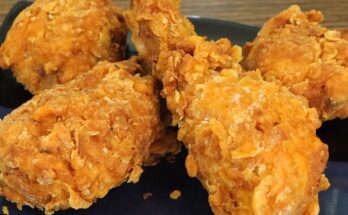
Hot Chicken Recipe: Hot chicken isn’t just a spicy twist on your typical fried chicken—it’s an explosion of flavor, heat, and crispy goodness that originated in the Southern United States. If you’re unfamiliar, hot chicken is typically marinated, breaded, deep-fried, and then generously brushed with a fiery oil blend that’s packed with cayenne pepper and spices. This dish isn’t for the faint of heart, but it is for anyone who loves a good burn and bold flavor.
What sets hot chicken apart is the balance it strikes between heat and taste. The crust is crunchy and golden brown, the meat inside remains juicy, and that spice mix? It’s addictive. Every bite has layers: a tangy marinated tenderness, a satisfying crunch, and a lingering heat that keeps calling you back.
If you’ve ever had Nashville Hot Chicken, then you know exactly what we’re talking about. But guess what? You don’t need to travel to Tennessee to enjoy it. With the right ingredients and a little patience, you can recreate this fiery favorite right in your kitchen.
The Origin of Hot Chicken
To truly appreciate hot chicken, you need to understand its roots. The origin story of hot chicken is practically folklore in Nashville. According to the legend, it all began with a man named Thornton Prince, a notorious womanizer. One day, his girlfriend decided to get even with him for staying out too late. So she cooked him a plate of extra-spicy fried chicken, hoping it would be more punishment than pleasure.
The plan backfired—he loved it. In fact, he loved it so much that he decided to refine the recipe and opened the now-famous Prince’s Hot Chicken Shack. And from there, hot chicken went from a spicy act of revenge to a regional delicacy and now a national (even international) food trend.
In its hometown, hot chicken is typically served on white bread with pickle chips, a pairing that offers just enough balance to the searing spice. Over the years, the dish has seen many versions—some milder, some so hot they’ll make your eyes water. But one thing remains the same: it’s all about that fire and flavor combo.
Ingredients You’ll Need
For the Marinade
Creating great hot chicken starts with the marinade. This isn’t just about seasoning—it’s about infusing the chicken with moisture and flavor so that when you bite into it, you’re hit with tang, spice, and that undeniable juiciness.
Here’s what you’ll need:
- 2 lbs of chicken (thighs and drumsticks work best)
- 2 cups buttermilk
- 2 teaspoons hot sauce (like Tabasco or Crystal)
- 1 teaspoon salt
- 1/2 teaspoon black pepper
- 1/2 teaspoon garlic powder
- 1/2 teaspoon paprika
Why buttermilk? It helps tenderize the chicken while adding a slight tang. The hot sauce begins layering in heat early on without being overpowering. Let your chicken soak in this marinade for at least 4 hours—overnight is even better.
For the Breading
The breading gives hot chicken its signature crunch. It should be thick enough to stand up to the spicy oil later without becoming soggy.
Here’s your breading station checklist:
- 2 cups all-purpose flour
- 1 tablespoon paprika
- 1 tablespoon cayenne pepper
- 1 teaspoon salt
- 1 teaspoon garlic powder
- 1/2 teaspoon onion powder
- 1/2 teaspoon black pepper
You’ll want to mix all of these in a large bowl. The cayenne here already starts hinting at the spice to come, but it’s balanced with the flour and other seasonings to make sure the coating doesn’t overpower the chicken itself.
For the Spicy Oil
This is the magic that turns fried chicken into hot chicken. After frying, you’ll brush this spicy oil directly onto the chicken, coating every crack and crevice.
Here’s the fire starter:
- 1/2 cup of the hot frying oil (taken right from the pan)
- 2 tablespoons cayenne pepper
- 1 tablespoon brown sugar
- 1 teaspoon chili powder
- 1/2 teaspoon paprika
- 1/4 teaspoon garlic powder
- Pinch of salt
This oil will sizzle, so be careful! The brown sugar helps round out the spice, giving it a more complex and almost smoky-sweet depth.
Step-by-Step Cooking Instructions
Step 1 – Preparing the Marinade
Start with fresh, high-quality chicken—this is your foundation. In a large mixing bowl, pour in 2 cups of buttermilk. Buttermilk is magic here; its acidity breaks down the chicken’s proteins just enough to make it ridiculously tender and juicy after cooking. To this, add 2 teaspoons of hot sauce (go as bold as your taste buds allow), 1 teaspoon of salt, 1/2 teaspoon each of garlic powder, paprika, and black pepper.
Mix it all together until smooth. Place the chicken pieces into the bowl, turning them to coat completely. Then cover the bowl with plastic wrap and refrigerate. While a 4-hour soak will work in a pinch, letting it marinate overnight is the key to flavor-packed chicken that sings in every bite. You’ll notice the chicken begins to take on a slight orange hue—don’t worry, that’s flavor seeping in.
Step 2 – Marinating the Chicken
Marination is where the real magic happens. During this time, the lactic acid in the buttermilk begins breaking down the tougher fibers in the meat, especially in cuts like thighs and drumsticks. This isn’t just about seasoning the surface—it’s about infusing the entire piece of chicken with a balanced combo of spicy, salty, and tangy.
While your chicken chills in its spicy bath, the flavors penetrate deep. Want an extra layer of taste? Add a splash more hot sauce or even a pinch of cayenne directly into the marinade. Some even throw in a squirt of mustard or a teaspoon of pickle juice for a slight tang twist.
Once marinated, take the chicken out and let it come to room temperature before frying. Cold chicken in hot oil? Not a good mix. It leads to uneven cooking and oil splatter. Let it sit out for about 20-30 minutes before moving on to the next step.
Step 3 – Preparing the Breading Station
Let’s get organized before the frying frenzy. You’ll need a dredging station, which includes:
- One bowl with your seasoned flour mixture (flour, paprika, cayenne, garlic powder, salt, and pepper).
- One plate or tray lined with parchment for your coated chicken.
- A baking rack to rest your chicken after breading, giving the coating a moment to set.
Shake off excess marinade from each piece, then dredge it well in the flour mix. Use one hand for wet and one hand for dry to avoid “club hand syndrome.” Press the flour mixture firmly onto the chicken so it sticks—this will give you that epic, shatteringly crisp crust.
Let the coated chicken rest on the rack for about 10-15 minutes before frying. This resting time helps the flour absorb a bit of moisture and cling tighter to the chicken.
Step 4 – Coating the Chicken
Here’s where we get that signature crunch. After the initial flour coating, many pros dip the chicken back into the buttermilk marinade and then dredge it in flour again for a double-dip coating. This method creates an ultra-crispy exterior that’s thick and flavorful. It also locks in more of the marinade, so each bite has a moist interior and crunchy outside.
When coating, don’t just lightly dust—really press the flour onto the chicken, especially around crevices. The more texture, the better the spicy oil will cling later.
After coating, let it sit again. This patience pays off in crunchiness. If you go straight from coating to frying, the breading might fall off or get soggy. Give it a few minutes to adhere and “cure.”
Step 5 – Deep Frying the Chicken
Now, heat your oil. Use a deep, heavy-bottomed pan like a Dutch oven, and bring the oil to 325°F (163°C). Use a thermometer—guesswork won’t cut it here. Too hot, and your chicken burns on the outside before the inside cooks. Too cold, and the chicken absorbs oil like a sponge.
Gently lower each piece into the oil, a few at a time. Don’t crowd the pot; this drops the temperature and leads to soggy, greasy chicken. Fry for about 12-15 minutes, depending on the size of your pieces. Turn them occasionally to ensure even browning.
Once the chicken is a deep, golden brown, remove and place it on a wire rack over paper towels. The rack keeps the chicken from steaming and softening on the bottom. Let it cool just slightly before the final fiery step.
Step 6 – Making the Spicy Oil Mix
Now comes the most iconic part of the recipe—the spicy oil. This is what gives hot chicken its fiery red glow and unforgettable heat.
Start by carefully ladling out about ½ cup of the hot frying oil from your pan. Pour it into a heat-resistant bowl. Immediately add your spice blend: 2 tablespoons cayenne pepper, 1 tablespoon brown sugar, 1 teaspoon chili powder, ½ teaspoon paprika, ¼ teaspoon garlic powder, and a pinch of salt.
When the hot oil hits these spices, the aroma is intense—it’s spicy, smoky, and downright mouthwatering. Stir it all together until it forms a thick, red, almost paste-like mixture. The brown sugar balances the heat, giving the oil a complex, slightly sweet burn.
Be cautious when making this oil—the spice particles in the air can sting your eyes and nose, so proper ventilation helps. Also, never pour cold spices directly into a hot pot of oil on the stove. Always remove the oil from heat first.
Step 7 – Dousing the Chicken in Heat
Here’s where your hot chicken becomes Hot Chicken. With a basting brush or spoon, generously coat each piece of fried chicken with the spicy oil mixture. Make sure you cover it entirely—top, bottom, and every crispy cranny in between.
Don’t be shy! The heat level is up to you. If you’re craving a milder version, use less cayenne and add a touch more brown sugar. Want something that’ll make your eyes water and your mouth sizzle? Pile on that cayenne and maybe even add a bit of ghost pepper powder.
Let the chicken rest for a minute or two so the oil can soak in. You’ll see the breading absorb that fiery red tint, giving the chicken that signature “lava-like” look. The result is a flavor-packed crust that’s spicy, savory, and slightly sweet—all riding atop juicy, perfectly cooked chicken.
Serving Suggestions
What to Serve With Hot Chicken
Hot chicken is a flavor bomb, so pairing it with the right sides is key to balance. Here are the best companions:
- White bread slices – This traditional base acts like a sponge for the spicy oil and offers a cooling contrast to the heat.
- Pickles – Their acidity cuts through the richness and spice, giving your mouth a refreshing break.
- Mac and cheese – Creamy, cheesy comfort food that soothes your burning taste buds.
- Coleslaw – Crunchy and cool, slaw is a classic side that complements hot chicken perfectly.
- Potato salad or fries – Another Southern staple, these add texture and starch to round out your plate.
Want to go extra? Try it as a hot chicken sandwich—pile your spicy fried chicken on a toasted brioche bun with pickles, coleslaw, and a drizzle of honey for an unforgettable twist.
Best Drinks to Pair
You’re going to need something to wash all that spice down. Here are the top beverage choices for hot chicken:
- Sweet iced tea – It’s Southern tradition for a reason.
- Lemonade – Tart and cool, it’s great at cutting through spice.
- Milk or buttermilk – Sounds weird, but dairy truly helps neutralize capsaicin (the compound that makes chili hot).
- Cold beer – A light lager or IPA can be refreshing after each fiery bite.
- Sparkling water – For those avoiding sugar or alcohol, it helps cleanse the palate.
Avoid soda or overly sweet drinks with carbonation—they tend to amplify the heat and may not be as refreshing.
Tips and Tricks for Perfect Hot Chicken
- Don’t skip the rest periods – Letting the coated chicken sit before frying ensures the crust adheres properly.
- Use a thermometer – Both for the oil and internal temperature (165°F/74°C is the sweet spot for cooked chicken).
- Double dredge for extra crunch – If you want that thick, crispy shell, don’t be afraid to dip and dredge twice.
- Ventilate when making spicy oil – The spice fumes can be intense, so keep windows open or fans on.
- Control your heat – Start mild and add spice gradually. Everyone’s tolerance is different.
- Use gloves – When handling cayenne-heavy mixtures, protect your hands—and never touch your eyes!
- Customize the spice blend – Add smoked paprika, chipotle powder, or even a touch of cinnamon for a flavor twist.
Mastering hot chicken is all about balance. It’s heat, sure—but it’s also flavor, crunch, and juicy texture. Follow the steps, take your time, and you’ll end up with something truly irresistible.
FAQs about Hot Chicken Recipe
1. Can I make hot chicken in the oven instead of frying?
Yes, you can bake it at 400°F (200°C) for about 40–45 minutes, but it won’t have the same crispiness as frying. Use a wire rack on a baking sheet to keep the coating crunchy.
2. How spicy is hot chicken really?
That depends on your cayenne levels. The recipe is adjustable—start with less if you’re heat-sensitive, or go all-in if you love the burn.
3. Can I use chicken breasts instead of thighs or drumsticks?
Absolutely. Just be careful not to overcook them. Breasts cook faster and can dry out, so adjust your fry time accordingly.
4. How long can I store leftovers?
Store in an airtight container in the fridge for up to 3 days. Reheat in an oven or air fryer for the best texture.
5. Is hot chicken gluten-free?
Not by default, but you can use gluten-free flour blends for dredging. Just make sure your hot sauce and spices are also gluten-free.
Conclusion
Hot chicken is more than just a spicy meal—it’s an experience. From the tenderizing buttermilk marinade to the fiery red oil that coats each crispy bite, this dish brings Southern soul and bold heat to your kitchen. Whether you go for a classic presentation with white bread and pickles or reinvent it into a gourmet sandwich, hot chicken delivers flavor, texture, and serious satisfaction.
Try this once, and you might never go back to regular fried chicken again. Get your oil hot, your spices ready, and brace yourself—this is one recipe that’ll heat up your cooking game in the best way possible.