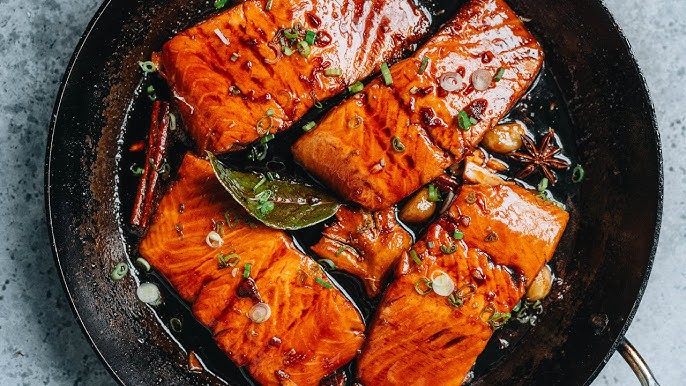
Honey Glazed Salmon Recipe: There’s something absolutely irresistible about the sweet and savory combo of honey glazed salmon. This easy and flavorful dish brings restaurant-quality flavors to your dinner table without requiring you to be a professional chef. Perfect for weeknights, date nights, or even meal prep, this recipe hits all the right notes—crispy edges, a sticky glaze, and tender, flaky salmon.
Whether you’re new to cooking seafood or a seasoned home cook looking to elevate your salmon game, this guide will walk you through every step of making the perfect honey glazed salmon. Let’s dive into the flavor-packed journey!
Why You’ll Love This Recipe
Honey glazed salmon isn’t just another fish dish—it’s a full-on experience. What makes it stand out?
- Quick & Easy: Ready in under 30 minutes from start to finish.
- Balanced Flavors: The natural sweetness of honey blends beautifully with soy sauce, garlic, and tangy lemon.
- Minimal Ingredients: You likely already have everything in your pantry.
- Healthy & Nutritious: Salmon is a great source of protein and omega-3 fatty acids.
- Versatile: Serve it with rice, veggies, noodles, or even salad—it works with anything.
This recipe proves that you don’t need a long ingredient list or fancy tools to create a dish that’s both healthy and utterly delicious.
Ingredients You’ll Need
Before we get started, let’s make sure your kitchen is stocked with everything you need.
For the Salmon
- 4 salmon fillets (6 oz each, skin-on or skinless)
- Salt, to taste
- Black pepper, to taste
- 1 tablespoon olive oil
For the Honey Glaze
- ¼ cup honey
- 2 tablespoons soy sauce (low sodium preferred)
- 2 cloves garlic, minced
- 1 tablespoon fresh lemon juice (or lime)
- ½ teaspoon chili flakes (optional, for a spicy kick)
- 1 teaspoon fresh ginger, grated (optional, for a zesty punch)
These simple ingredients create a glaze that caramelizes beautifully and packs a serious flavor punch.
Kitchen Tools Required
To keep things simple, you won’t need anything fancy. Just these basics:
- Non-stick or cast-iron skillet
- Mixing bowl
- Whisk or spoon
- Measuring spoons
- Spatula or tongs
- Plate or tray for prepping the fish
Having these tools ready makes the process smooth and mess-free.
Step-by-Step Cooking Instructions
Now let’s get cooking! Follow these steps to achieve perfectly glazed, mouth-watering salmon.
Step 1: Prep the Salmon Fillets
Start by patting your salmon fillets dry with paper towels. This is crucial because it helps the surface sear properly, giving you that irresistible golden crust. Season both sides of the fillets with salt and black pepper.
If your fillets have skin, don’t worry—we’ll show you how to crisp it up perfectly. Just make sure they’re uniform in thickness so they cook evenly.
Step 2: Make the Honey Glaze
In a small bowl, whisk together all the glaze ingredients: honey, soy sauce, garlic, lemon juice, chili flakes, and ginger. This glaze will become thick, sticky, and shiny when cooked, coating your salmon beautifully.
Want a bolder flavor? Let it sit for 10 minutes so the garlic and ginger can infuse the honey.
Step 3: Sear the Salmon
Heat olive oil in your skillet over medium-high heat. Once hot, place the salmon fillets skin-side down (if using skin-on). Cook for 3-4 minutes without moving them. This helps develop a crispy, golden crust.
Flip the salmon gently and sear the other side for another 2-3 minutes until lightly browned. The inside should still be slightly pink in the center—it will finish cooking with the glaze.
Step 4: Glaze and Finish in the Pan
Reduce heat to medium-low. Pour the honey glaze directly into the skillet. Tilt the pan to distribute it evenly, spooning it over the fillets as it thickens. This step takes just 2-3 minutes. Keep an eye on it to prevent burning.
As the sauce reduces, it will cling to the salmon like a sticky, glossy coat. That’s when you know it’s done!
Serving Suggestions
Honey glazed salmon is incredibly versatile, so you can pair it with a variety of side dishes depending on your mood or dietary needs. Here are some mouthwatering suggestions to complete your meal:
- Steamed Jasmine or Basmati Rice: The glaze soaks into the rice and gives it an incredible burst of flavor.
- Garlic Mashed Potatoes: For a creamy, comforting side that contrasts beautifully with the sweet glaze.
- Roasted Vegetables: Think asparagus, Brussels sprouts, carrots, or bell peppers tossed in olive oil and garlic.
- Quinoa or Couscous: A light and protein-packed option that balances the richness of the salmon.
- Fresh Green Salad: A mix of arugula, cherry tomatoes, red onions, and cucumbers with a vinaigrette dressing adds a refreshing crunch.
Don’t forget a lemon wedge or a sprinkle of fresh herbs like parsley or dill to brighten up the final plate!
Tips for Perfect Honey Glazed Salmon
To really nail this recipe every time, here are some expert tips that make a big difference:
- Room Temperature Salmon: Let the salmon sit out for 15 minutes before cooking. This helps it cook evenly.
- Don’t Overcrowd the Pan: Cook in batches if needed. Overcrowding drops the pan’s temperature and causes steaming rather than searing.
- Use a Fish Spatula: It helps flip the fillets without breaking them apart.
- Don’t Skip Drying the Fillets: Removing surface moisture allows for better browning and a crispier crust.
- Monitor the Glaze Closely: Once you add the glaze, things move quickly. Stir gently and baste continuously.
- Skin-on for Texture: If you enjoy crispy textures, cook skin-on fillets—sear skin-side down first and press gently for even contact.
Variations You Can Try
Love to experiment? Here are some tasty twists on the classic honey glazed salmon:
- Spicy Sriracha Honey Salmon: Add 1 tbsp of Sriracha for heat lovers.
- Garlic Butter Honey Salmon: Use butter instead of oil and increase garlic to enhance richness.
- Asian-Inspired Glaze: Add sesame oil, rice vinegar, and hoisin sauce for an umami-packed flavor profile.
- Maple Glazed Salmon: Substitute honey with maple syrup for a deeper, earthy sweetness.
- Herb-Crusted Salmon: Mix herbs like thyme, rosemary, and dill with breadcrumbs and pat onto the fillets before searing.
You can also bake the salmon with the glaze in a foil packet if you prefer a hands-off cooking method.
Storing and Reheating Leftovers
Leftover honey glazed salmon is just as delicious the next day—here’s how to store and reheat it without drying it out:
To Store:
- Let the salmon cool completely.
- Transfer to an airtight container.
- Store in the fridge for up to 3 days.
To Reheat:
- Oven: Preheat to 300°F (150°C). Place salmon on a foil-lined baking sheet and cover with foil. Heat for 10-12 minutes.
- Microwave: Use a microwave-safe dish with a lid or a damp paper towel to cover the salmon. Heat on medium for 1-2 minutes in 30-second intervals.
- Stovetop: Add a splash of water or broth to a non-stick pan and reheat on low heat with the lid on.
Avoid reheating on high heat—it can make the salmon rubbery.
Nutritional Information (Per Serving)
Here’s a rough breakdown of the nutrition you get from each serving (based on a 6 oz fillet with glaze):
| Nutrient | Amount |
|---|---|
| Calories | 380 |
| Protein | 35g |
| Total Fat | 18g |
| Saturated Fat | 3g |
| Carbohydrates | 16g |
| Sugars | 14g |
| Fiber | 0g |
| Sodium | 460mg |
| Omega-3 Fatty Acids | High |
These numbers can vary slightly based on the size of the fillet and the ingredients used, but overall, it’s a well-balanced, heart-healthy meal.
Common Mistakes to Avoid
Even with a simple recipe like honey glazed salmon, a few common errors can throw off the flavor or texture. Here’s what to watch out for:
- Using Frozen Fish Without Thawing Properly: Always thaw salmon completely before cooking. If you don’t, the moisture from the ice crystals will prevent a proper sear and dilute the glaze.
- Overcooking the Salmon: This is the most frequent mistake. Salmon only needs about 6–8 minutes total to cook, depending on thickness. Overcooking dries it out and turns the texture from buttery to chalky.
- Not Letting the Glaze Thicken: A runny glaze won’t stick well. Let it simmer and bubble gently until it becomes syrupy. If it thickens too much, a splash of water or lemon juice can bring it back.
- Skipping the Searing Step: Browning the salmon is what gives it that beautiful, crispy exterior. Don’t rush this part or turn the fish too early.
- Using the Wrong Pan: Avoid thin pans that heat unevenly. A heavy-bottomed skillet (like cast iron) ensures even cooking and perfect caramelization of the glaze.
- Crowding the Pan: If you’re making multiple fillets, cook them in batches. Overcrowding lowers the heat, and instead of searing, your salmon will steam.
Avoiding these slip-ups guarantees a restaurant-worthy dish every time.
FAQs about Honey Glazed Salmon Recipe
1. Can I bake the salmon instead of pan-searing it?
Yes! You can bake it at 400°F (200°C) for 12-15 minutes. Add the glaze in the last 5 minutes or broil briefly for caramelization.
2. Can I use frozen salmon for this recipe?
Absolutely, but be sure to thaw it completely and pat it dry before cooking to avoid excess moisture.
3. How do I know when salmon is fully cooked?
The flesh should be opaque and flake easily with a fork. Internal temperature should be 125°F (52°C) for medium or 140°F (60°C) for well done.
4. Is this recipe suitable for meal prep?
Yes! Cooked salmon keeps well for up to 3 days in the fridge and reheats beautifully. Pair it with rice or veggies for easy lunches.
5. Can I use a different sweetener instead of honey?
Yes, you can substitute honey with maple syrup, agave nectar, or brown sugar for slightly different but delicious results.
Final Thoughts
With all the variations and serving options available, it never gets boring. You can stick to the classic version or experiment with global flavors—either way, you’ll end up with something mouthwatering and memorable.
Cooking doesn’t have to be complicated. With this honey glazed salmon recipe, it’s all about simple ingredients, a hot pan, and a little bit of love.