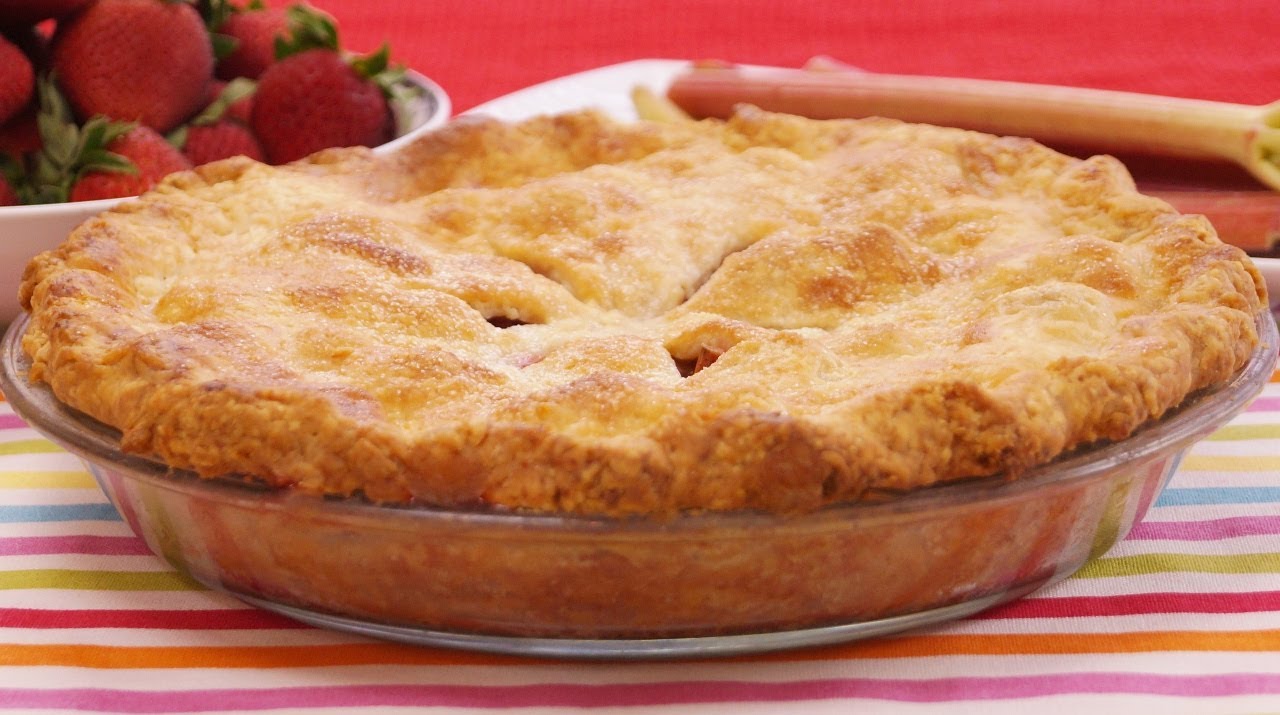
Homemade Pie Crust Recipe: Let’s be honest—there’s something magical about a flaky, buttery pie crust that just melts in your mouth. Whether you’re crafting a classic apple pie, a creamy quiche, or a savory pot pie, the crust is the unsung hero that holds it all together. Sadly, too many of us reach for the store-bought version out of convenience, unaware of just how simple and satisfying it is to make a homemade pie crust from scratch.
Sure, pre-made crusts save time, but they often lack the rich, tender texture and deep flavor that a homemade crust brings to the table. And here’s the best part—it doesn’t take a culinary degree to master the art of pie crust-making. With a little guidance and a few pantry staples, you’ll be crafting crusts that your friends and family will rave about.
So, whether you’re a beginner baker or looking to upgrade your pie game, this step-by-step guide will walk you through everything you need to know to create the perfect homemade pie crust. Let’s roll!
Ingredients You’ll Need
A great pie crust doesn’t need fancy ingredients. In fact, simplicity is key. Here’s what you’ll need:
- All-purpose flour – 2 ½ cups
- Salt – 1 tsp
- Unsalted butter – 1 cup (cold and cut into cubes)
- Ice water – 6–8 tbsp
- (Optional: 1 tbsp sugar for sweet pies)
Let’s break it down a bit:
- Flour is the base of your crust. All-purpose works beautifully because it provides just the right amount of gluten to make the dough pliable but not too chewy.
- Salt enhances the flavor. Don’t skip it—even sweet pies benefit from that tiny bit of savory balance.
- Butter is what gives the crust that divine flakiness and flavor. Cold butter is essential, so it stays solid as you mix. Those little chunks of butter will steam in the oven, puffing up your crust for the perfect texture.
- Ice water brings the dough together. You need it ice-cold to keep the butter from melting too soon.
The key here? Keep everything as cold as possible until baking time. Temperature control is your secret weapon for pie crust success.
Tools You’ll Need
Before we jump into the mixing bowl, let’s make sure you’re set up for success. Having the right tools can make pie crust prep a breeze:
- Mixing bowls
- Pastry cutter or two forks
- Rolling pin
- Measuring cups and spoons
- Plastic wrap or wax paper
- Pie dish (glass or metal is best)
- Knife or kitchen scissors
- Food processor (optional)
If you’re new to pie-making, don’t stress about having fancy gadgets. Even the simplest kitchen can produce bakery-worthy results. That said, a pastry cutter is super handy for working in the butter, and a rolling pin ensures even thickness when rolling out your dough.
Keep a clean, floured surface ready for rolling, and have your pie dish nearby so you’re not scrambling once the dough is ready. Mise en place—having everything in place—saves time and keeps your stress levels low.
Step-by-Step Instructions
Step 1: Measure Your Ingredients Accurately
This first step may sound obvious, but accurate measurement is crucial in baking. Unlike cooking, where you can often eyeball ingredients, baking is a science. Too much flour and your dough turns crumbly and dry. Too little, and it becomes a sticky mess.
Use the spoon-and-level method: spoon the flour into your measuring cup, then level it off with the flat side of a knife. Never scoop directly from the bag—this can pack in extra flour and throw off your recipe. And when it comes to butter and water, use measuring spoons and cups with precision.
Even a digital kitchen scale can be your best friend here, especially if you bake often. Precision pays off with perfect pie crusts.
Step 2: Combine Dry Ingredients
Now that your ingredients are measured, grab a large mixing bowl and whisk together the flour and salt. This evenly distributes the salt so you don’t get random salty spots in your crust.
Want to add a hint of sweetness for a dessert pie? Toss in that optional tablespoon of sugar now. This tiny tweak makes a big difference in pies like pumpkin, cherry, or pecan, where the sweet and savory balance really shines.
Once the dry ingredients are blended, it’s time to move on to the fat—where the magic really starts to happen.
Step 3: Cut in the Fat (Butter or Shortening)
This is where your crust gets its texture and flakiness. Take your cold butter (or shortening, or a mix of both) and scatter it over the flour mixture. Using a pastry cutter or two forks, work the fat into the flour until the mixture resembles coarse crumbs with some pea-sized chunks of butter still visible.
Why keep the butter cold? Because when those little bits of butter melt in the oven, they create steam—tiny air pockets that puff up and separate the layers of dough, giving you that light, flaky bite. If the butter gets too warm before baking, it blends into the flour and your crust ends up dense instead of airy.
If you’re using your hands, work quickly to avoid warming the butter. You can even chill your mixing bowl and tools in the freezer for 10 minutes to keep everything extra cool. Think of this step as building structure into your dough—layers of flour-coated butter waiting to become golden, flaky magic.
Step 4: Add Ice Water Gradually
Now comes the part where the dough comes together. Slowly drizzle in the ice-cold water, one tablespoon at a time, gently mixing with a fork after each addition. Don’t dump it all in at once. You’re looking for a dough that holds together when you pinch it, but isn’t sticky or wet.
Usually, 6–8 tablespoons will do the trick, but this can vary depending on the humidity in your kitchen and the type of flour you’re using. The goal is to add just enough water to bind the flour and butter into a shaggy dough that clumps when pressed.
Be patient and resist the urge to overmix. Overworking the dough activates gluten in the flour, which leads to a tough crust. Gentle handling equals tender results.
Once the dough holds together, turn it out onto a lightly floured surface and knead it just a few times to bring it into a cohesive ball.
Step 5: Form the Dough Into a Disc
Now that you’ve got your dough, shape it into a disc about 1-inch thick. Why a disc and not a ball? It chills more evenly and is easier to roll out later. Wrap it tightly in plastic wrap and pop it into the fridge to chill for at least 1 hour—though longer is even better.
This rest period allows the gluten to relax (which prevents shrinkage during baking) and helps the dough firm up, making it easier to handle. If you’re prepping ahead of time, you can refrigerate the dough for up to 3 days or freeze it for up to 3 months. Just thaw in the fridge overnight before using.
Don’t skip this step—it’s the difference between a chewy crust and a flaky one. Consider it your dough’s beauty sleep before the big bake.
Step 6: Roll Out the Dough
Ready to roll? Lightly flour your work surface and rolling pin. Unwrap your chilled dough disc and let it rest at room temperature for about 10 minutes to soften slightly. Too cold and it’ll crack; too warm and it’ll stick.
Start rolling from the center outwards, turning the dough a quarter turn every few rolls to keep it even and circular. You’re aiming for a 12-inch diameter for a standard 9-inch pie pan, with about ¼-inch thickness.
If your dough cracks at the edges, just pinch it back together. Work quickly to keep the butter cold and add a little flour to the surface if things get sticky—but not too much, or you’ll dry out the crust.
Once you’ve got the right size, gently fold the dough in half (or roll it onto your pin) to transfer it to the pie dish.
Step 7: Transfer to the Pie Dish
Carefully lay the rolled-out dough over your pie dish and gently press it into the bottom and sides, making sure not to stretch it. Stretching causes the crust to shrink back during baking—nobody wants that!
Let the excess dough hang over the edges for now—we’ll trim and crimp it next. If any holes or tears appear, patch them with a bit of excess dough. Use your fingers to ease the crust into place, especially at the corners.
Your dough should sit snugly in the pan without being tight. Think of it like tucking in a blanket rather than pulling it taut. This step sets the stage for a crust that bakes up evenly and holds its shape.
Step 8: Trim and Crimp the Edges
Now that your dough is nestled into the pie dish, it’s time to give it that finished look. Use kitchen scissors or a sharp knife to trim the overhanging dough, leaving about ½ inch beyond the rim. Fold that excess dough under itself to create a thicker edge, then press it down gently to seal.
Crimping not only makes your pie look beautiful, but it also helps hold the filling in place and keeps the crust from shrinking. There are several ways to crimp:
- Classic pinch: Use your index finger and thumb on one hand and the knuckle of your other hand to create a fluted edge.
- Fork crimp: Press a fork all around the edge for a rustic look.
- Braided or rope twist: For advanced bakers wanting to impress.
If you’re making a double-crust pie, now’s when you’d roll out the top layer, lay it over the filling, trim both crusts together, and crimp them to seal.
Don’t forget to chill your pie in the fridge again for about 15–30 minutes after crimping. This helps set the shape before it hits the oven, keeping everything crisp and pretty.
Step 9: Chill Before Baking
Here’s a step many people skip, but it’s crucial. Chilling the fully assembled crust before baking helps prevent the dreaded “crust slump,” where the sides fall down into the pan. It also firms up the butter again, ensuring those delightful flaky layers we worked so hard to preserve.
Place your pie crust in the fridge for at least 30 minutes, or even the freezer for 10–15 minutes if you’re in a rush. Cold dough holds its shape better in the oven and leads to a much cleaner final result.
If you’re blind baking (pre-baking without filling), now’s also the time to line your crust with parchment paper and fill it with pie weights or dried beans to prevent bubbling.
A chilled crust equals a confident crust—so don’t skip this step if you want bakery-quality pies at home.
Step 10: Blind Bake (If Needed)
Not every pie needs a blind bake, but if you’re making a custard pie, cream pie, or anything with a no-bake filling, it’s essential. Blind baking ensures your crust gets fully cooked and crisp before the filling is added.
Here’s how to do it:
- Preheat your oven to 375°F (190°C).
- Line the chilled crust with parchment paper.
- Fill the crust with pie weights or dried beans to keep it from puffing up.
- Bake for 15–20 minutes until the edges start to brown.
- Remove the weights and parchment, then return the crust to the oven for another 10–15 minutes to brown the bottom.
For a partially blind-baked crust (if it will bake again with filling), you can shorten the second bake to 5–7 minutes. Always let the crust cool completely before adding any fillings, especially for no-bake pies.
Blind baking is your best friend for pies that need structure and crunch under delicate fillings.
Tips for the Best Pie Crust Every Time
Want to go from good to great? Keep these pie crust tips in your back pocket:
- Keep everything cold. Butter, water, even your flour if you want. Cold ingredients = flaky crust.
- Don’t overwork the dough. The more you handle it, the tougher it gets.
- Let it rest. Chill before and after rolling. Gluten needs time to relax for tender results.
- Use a glass or metal pie dish. They heat more evenly than ceramic.
- Watch your oven temperature. Use an oven thermometer to avoid underbaking.
- Egg wash for shine. Brush the top with a beaten egg mixed with a little water or cream before baking for that glossy, golden finish.
These little tweaks can make a huge difference in the final pie. Don’t be afraid to experiment and learn with each bake. Pie making is as much about intuition and touch as it is about the recipe.
Storing and Freezing Pie Dough
If you’ve gone to the trouble of making pie dough, why not make extra? Homemade dough stores beautifully and saves you time later.
- Refrigerate: Wrapped tightly in plastic, dough can last up to 3 days.
- Freeze: For longer storage, double-wrap the dough disc in plastic and freeze for up to 3 months. Thaw overnight in the fridge before using.
You can even roll out the dough, fit it into a pie pan, and freeze it right in the dish. Cover well with plastic and foil. This is perfect for make-ahead holiday baking or unexpected dessert cravings.
The next time someone says making pie crust is hard, just smile. You’ve got your secret stash in the freezer ready to prove them wrong.
FAQs about Pie Crust Recipe
1. Can I use all butter instead of shortening?
Absolutely! Many bakers prefer all-butter crusts for their rich flavor. Just remember to keep the butter extra cold and avoid overmixing to maintain flakiness.
2. How long can I refrigerate pie dough?
You can keep pie dough in the fridge for up to 3 days. Just make sure it’s tightly wrapped so it doesn’t dry out or absorb fridge odors.
3. Can I make pie crust in advance?
Yes! Pie crust is very freezer-friendly. Make a few batches at once, wrap them well, and freeze for up to 3 months. Defrost in the fridge overnight before using.
4. What if I don’t have a food processor?
No problem. A pastry cutter, two forks, or even your fingertips will work just fine. The key is to work quickly so the butter stays cold.
5. Why is my crust tough instead of flaky?
This usually happens when the dough is overworked or too much water is added. Handle the dough gently and use just enough water to bring it together.
Conclusion
The beauty of a homemade pie crust lies in its versatility and simplicity. With just a handful of ingredients and a bit of patience, you can create something far superior to anything you’ll find in the freezer aisle. The key lies in keeping your ingredients cold, handling the dough gently, and giving it the time it needs to chill and rest properly.
More than just a recipe, making pie crust from scratch is a skill—a tradition that connects generations and brings people together. There’s something deeply satisfying about cutting into a pie knowing that every part of it, crust and all, came from your own two hands.
So don’t be afraid to roll up your sleeves and get a little flour on your face. Practice makes perfect, and before long, you’ll be the go-to pie baker in your family and friend group. Whether it’s for a holiday feast, a summer picnic, or a quiet moment with a cup of coffee, a good pie starts with a great crust—and now, you’ve got that part covered.