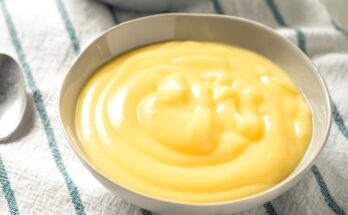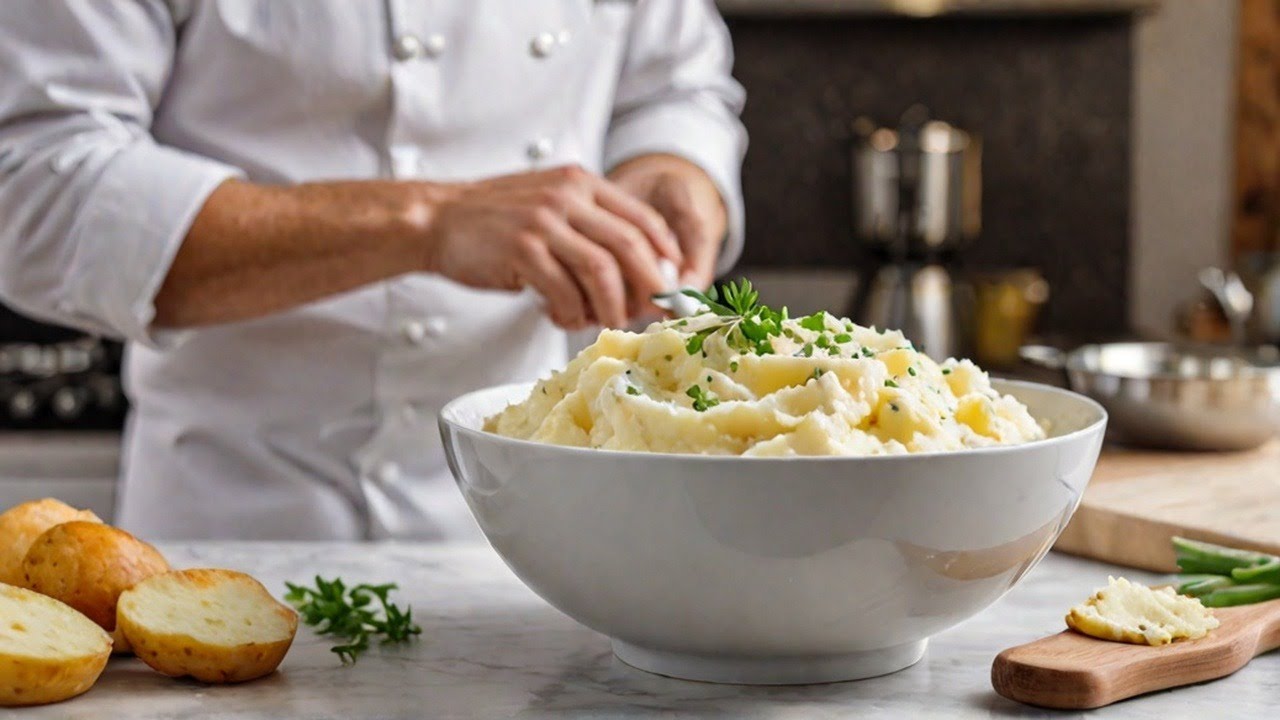
Homemade Mashed Potatoes Recipe: Mashed potatoes aren’t just a side dish—they’re a warm hug in food form. Creamy, buttery, and utterly satisfying, mashed potatoes have earned their place on every holiday table and family dinner plate. Whether it’s Thanksgiving dinner, a Sunday roast, or just a weeknight meal that needs a touch of love, mashed potatoes bring people together. But here’s the deal: not all mashed potatoes are created equal. Some are too lumpy, some are too dry, and others are just plain bland.
That’s where this step-by-step guide comes in. We’re talking fluffy, creamy, buttery mashed potatoes that melt in your mouth and make you want seconds (and thirds). The best part? You can make them from scratch at home, and it’s easier than you think. Stick with me, and you’ll be whipping up restaurant-quality mashed potatoes in no time. Let’s dig in!
Ingredients You’ll Need
Before we start boiling water or peeling spuds, let’s gather everything you’ll need. Good mashed potatoes begin with great ingredients.
Potatoes – The Foundation
This is the heart and soul of your dish. Choose your potatoes wisely, as the type you pick will shape the texture of your mash.
- Russet Potatoes: High starch, low moisture. These are the kings of fluffy mashed potatoes. They break down easily when cooked, resulting in a smooth texture.
- Yukon Gold: Slightly waxy but beautifully creamy. They offer a rich, buttery flavor without needing too much extra dairy.
Want the best of both worlds? Mix them! Many chefs blend Russets and Yukon Golds for a balanced texture—fluffy yet creamy.
Dairy – Creaminess and Flavor
Now let’s talk richness. The dairy you add determines just how indulgent your mashed potatoes will be.
- Butter: A must. Use unsalted butter so you can control the saltiness. Add generously.
- Milk: Whole milk is preferred for richness. You can also use heavy cream or half-and-half if you’re feeling fancy.
- Sour Cream or Cream Cheese (Optional): Adds tang and ultra-creaminess. Just a dollop will transform your mash into something luxurious.
Seasonings and Add-ons
Simple seasonings can elevate your potatoes from good to “Can I get the recipe?”
- Salt: Absolutely essential. Salt the water while boiling and taste as you mash.
- Black Pepper: Freshly ground gives the best flavor.
- Garlic (Optional): Roast it, boil it with the potatoes, or add garlic powder.
- Chives, parsley, or green onions: For garnish and a hint of freshness.
Equipment Checklist
Great mashed potatoes don’t require a professional kitchen—just a few reliable tools.
Tools for Preparation
- Peeler: To remove potato skins if you prefer a smooth mash.
- Sharp Knife: For evenly cutting potatoes.
Cooking and Mashing Essentials
- Large Pot: Big enough to boil your potatoes without crowding.
- Colander: For draining.
- Potato Masher: The classic tool for the job. If you want extra smooth potatoes, use a potato ricer.
- Mixing Bowl or the Same Pot: For mixing in your dairy and butter.
Choosing the Right Potatoes
Let’s dive a little deeper into the potato dilemma. Not all spuds are created equal when it comes to mashing.
Russet vs Yukon Gold
- Russet Potatoes: They have a starchy texture, ideal for light and fluffy mashed potatoes. But they can become gluey if overmixed.
- Yukon Gold: Creamier and slightly waxy, these potatoes offer a naturally buttery flavor. They mash into a more velvety texture.
Tips for Best Texture and Flavor
- Avoid waxy potatoes (like Red potatoes): They don’t mash well and can turn gummy.
- Don’t overwork them: Mixing too much releases starch and makes your mash gluey.
- Warm ingredients: Heat your milk and butter before adding them to avoid cooling down the potatoes and to mix more smoothly.
Step-by-Step Mashed Potatoes Recipe
Here’s where the magic happens. Follow each step closely, and you’ll end up with a batch of mashed potatoes that people rave about.
Step 1 – Washing, Peeling, and Cutting
Start by rinsing your potatoes thoroughly. Dirt clings to potato skins, so give them a good scrub even if you’re peeling them.
- Peel (Optional): Peeling is your choice. Some like a rustic mash with skins on, while others prefer a silky texture.
- Cut into chunks: Aim for even-sized pieces (about 1.5 to 2 inches). This ensures they cook evenly, so you don’t end up with mushy and undercooked pieces in the same pot.
Pro tip: Smaller chunks = faster cooking. But don’t go too small, or they’ll absorb too much water and become watery.
Step 2 – Boiling the Potatoes
Place your potato chunks in a large pot and cover them with cold water—not hot. Starting with cold water helps them cook evenly.
- Salt the water generously. This is your first chance to season the potatoes from the inside.
- Bring to a boil, then reduce to a simmer. Let them cook gently until they’re fork-tender—usually around 15–20 minutes.
Check readiness by piercing a potato piece with a fork. It should slide in easily.
Step 3 – Draining and Steaming
Once they’re cooked, drain them immediately in a colander. But don’t mash them yet!
Let them steam for 3–5 minutes in the colander or return them to the hot pot (off the heat). This step evaporates excess moisture so your mashed potatoes aren’t watery.
A little patience here equals better texture later. Moisture is the enemy of creamy mashed potatoes.
Step 4 – Mashing Like a Pro
Now comes the satisfying part—mashing! This step can make or break the texture of your mashed potatoes, so pay close attention.
- Use the right tool. If you want traditional, slightly textured potatoes, go for a classic potato masher. For ultra-smooth mashed potatoes, a potato ricer is your best bet. Avoid blenders or food processors—they overwork the starch and make the mash gluey.
- Mash while hot. Potatoes mash best when they’re fresh out of the pot. Letting them cool too much makes them tough and hard to blend smoothly.
- Don’t overdo it. Mash just until you get your desired consistency. Over-mashing releases too much starch, leading to that dreaded pasty texture.
Take your time here. Taste and texture are in your hands now—literally.
Step 5 – Mixing in the Good Stuff
This is where flavor takes center stage. It’s not just about mashing; it’s about turning those humble spuds into creamy, dreamy deliciousness.
- Heat your dairy first. Melt the butter and warm the milk (or cream) together. Warm liquids blend more easily and keep the mash hot and smooth.
- Add gradually. Pour in your warm dairy mixture little by little while mashing and stirring. This gives you full control over the final consistency.
- Taste and adjust. Add salt, pepper, or a bit more butter depending on your preferences.
If you want to level up your mashed potatoes, try these mix-in ideas:
- Roasted garlic for a rich, mellow flavor.
- Chopped herbs like chives, thyme, or rosemary for freshness.
- Cream cheese or sour cream for tang and extra creaminess.
- Grated parmesan for a cheesy twist.
Mashed potatoes are a blank canvas—customize them to match the meal or your mood.
Serving Suggestions for Mashed Potatoes
Mashed potatoes shine on their own, but pair them with the right main or sides, and you’ve got a superstar dish.
Classic Pairings
- Roast turkey or chicken: The go-to combo for holidays.
- Gravy: Brown gravy, white gravy, or even mushroom gravy—all make your mash sing.
- Beef stew or pot roast: Spoon tender meat and rich sauces over fluffy potatoes—mouthwatering!
- Meatloaf: An old-school favorite that’s incomplete without a mashed potato mountain on the side.
Creative Twists
- Shepherd’s Pie Base: Use your mash to top a hearty meat and veggie casserole.
- Mashed Potato Bowls: Pile on toppings like fried chicken, corn, cheese, and gravy for a KFC-style comfort bowl.
- Savory Waffles: Yes, you can put mashed potatoes in a waffle maker for a crispy, golden treat.
Leftovers? Turn them into potato pancakes or use them to thicken soups and stews. Waste not, want not!
Common Mistakes to Avoid
Even a seemingly simple recipe like mashed potatoes has some landmines. Here’s how to dodge them like a pro.
Mistake 1: Starting with Hot Water
Always start with cold water when boiling potatoes. Starting hot cooks the outside too fast and leaves the insides underdone.
Mistake 2: Skipping the Salt in Water
Potatoes need seasoning early on. Add salt to the boiling water for flavor throughout.
Mistake 3: Overworking the Potatoes
Mix or mash too much, and you’ll get gluey potatoes. Stop once they’re smooth and fluffy.
Mistake 4: Using Cold Butter and Milk
This cools down your mash and causes clumping. Always warm your dairy before mixing.
Mistake 5: Not Tasting as You Go
Taste and adjust! You want a balance of butter, salt, and creaminess. Don’t be shy—your taste buds are the final judge.
Tips for Making Ahead and Reheating
Need to prep ahead of time? No problem. Mashed potatoes can be made in advance and still taste fantastic.
Making Ahead
- Refrigerate in an airtight container for up to 3 days.
- Add extra cream or butter if making ahead, as the potatoes will absorb moisture over time.
Reheating
- Microwave: Stir in milk or cream and heat in 1-minute intervals.
- Stovetop: Reheat on low, adding warm milk as needed. Stir often.
- Oven: Spread in a baking dish, cover with foil, and heat at 350°F for 20–30 minutes.
Add a bit of butter or cream during reheating to revive that smooth texture. Just don’t let them dry out!
Storing Leftover Mashed Potatoes
Leftovers? Awesome. Mashed potatoes store well and can be turned into several other comforting dishes. But you need to store them properly to maintain flavor and texture.
Refrigerator Storage
- Cool completely before storing.
- Use an airtight container to avoid moisture loss and prevent absorbing odors from other foods.
- Shelf life: Mashed potatoes last about 3 to 4 days in the fridge.
Freezing Mashed Potatoes
Yes, you can freeze mashed potatoes!
- Portion before freezing to make defrosting easier.
- Use freezer bags or airtight containers.
- Add extra butter or cream before freezing to help preserve texture.
- Freeze for up to 2 months.
To reheat frozen mash, thaw overnight in the fridge, then reheat gently on the stovetop or in the oven with added dairy to refresh their fluffiness.
Creative Leftover Recipes
You don’t have to eat the same mashed potatoes day after day. Turn those leftovers into something brand new and delicious.
1. Mashed Potato Pancakes
Mix with an egg, some flour, cheese, and herbs. Pan-fry until crispy golden brown on both sides.
2. Potato Croquettes
Roll into balls, coat with breadcrumbs, and fry or bake until crispy. Perfect as a snack or party appetizer.
3. Shepherd’s Pie
Layer leftover mash over cooked ground meat and veggies. Bake until golden and bubbly.
4. Soup Thickener
Stir mashed potatoes into soups and stews to thicken and add creaminess.
5. Stuffed Bell Peppers or Mushrooms
Use as a hearty filling mixed with herbs and cheese.
Leftover mashed potatoes are a secret weapon in the kitchen. Don’t toss them—transform them!
Healthier Mashed Potato Variations
Love mashed potatoes but want a healthier option? No problem. You can tweak the recipe to suit your dietary needs without sacrificing flavor.
Low-Fat Version
- Use low-fat milk or unsweetened almond milk.
- Reduce butter or substitute with olive oil.
- Skip cream cheese or sour cream and use Greek yogurt instead.
Low-Carb Alternatives
- Try a cauliflower mash. Steam cauliflower and mash it just like potatoes. It’s surprisingly tasty!
- Combine half potatoes, half cauliflower for a lighter version.
Dairy-Free Option
- Use plant-based butter and non-dairy milk.
- Add roasted garlic or olive oil for flavor depth.
Whether you’re cutting calories or avoiding dairy, you can still enjoy this comfort food classic with a few smart swaps.
FAQs about Mashed Potatoes Recipe
1. Can I leave the skins on for mashed potatoes?
Absolutely! If you’re using thin-skinned varieties like Yukon Gold, the skins add a rustic texture and extra nutrients.
2. Why are my mashed potatoes gluey?
Over-mixing or using the wrong tools (like a blender) releases too much starch, resulting in gluey potatoes. Mash gently and avoid overworking them.
3. How do I fix dry mashed potatoes?
Add more warm milk, cream, or melted butter a little at a time while stirring. This will help restore creaminess.
4. What’s the best potato for mashed potatoes?
Russet potatoes for fluffiness, Yukon Gold for creaminess. A blend of both gives the best texture.
5. Can I make mashed potatoes in advance?
Yes! Just store them properly, and reheat with a little extra dairy to refresh the texture.
Conclusion
There’s something undeniably magical about homemade mashed potatoes. They’re more than just a side—they’re the heart of comfort food. When made right, mashed potatoes are buttery, creamy, and dreamy enough to steal the show. With this step-by-step guide, you now have everything you need to master the art of mashed potatoes.
Whether you’re cooking for the holidays, a cozy dinner, or simply craving a bowl of something comforting, you can now whip up a batch of flawless mashed potatoes every time. Customize them to your taste, explore new variations, and don’t be afraid to get creative with leftovers.
So grab those spuds, fire up the stove, and mash like a master chef. Your future self (and dinner guests) will thank you.