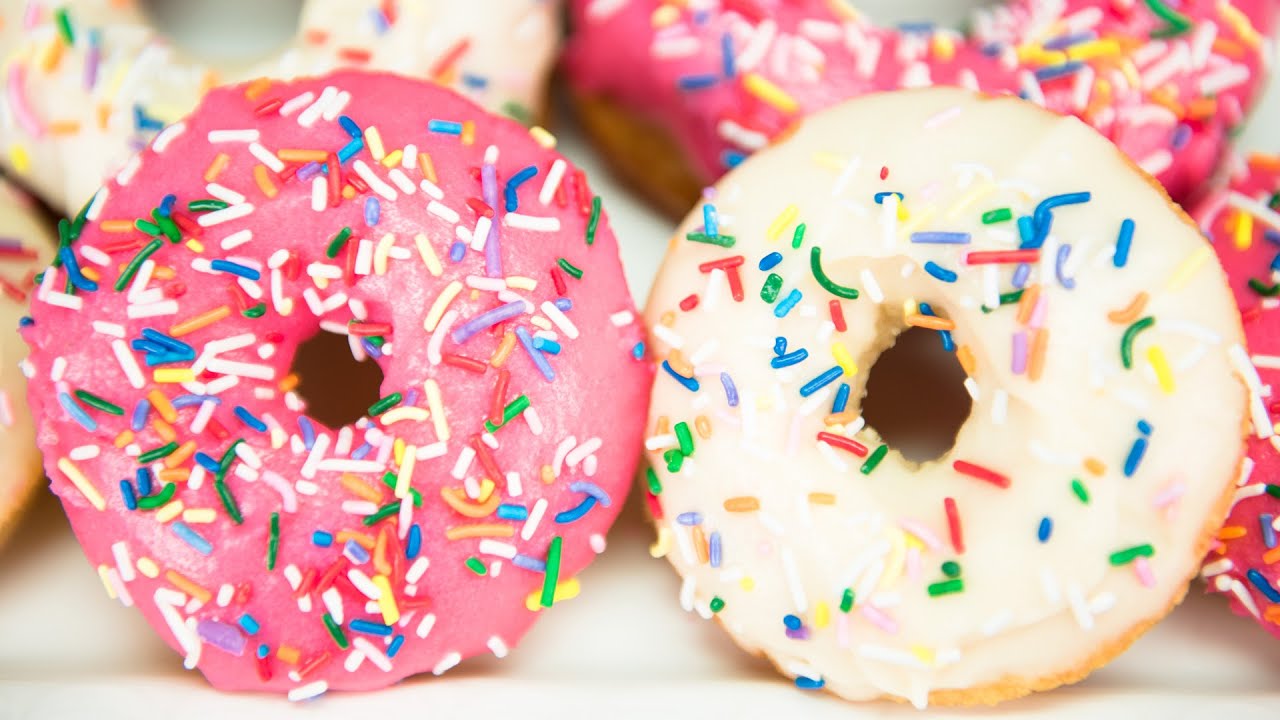
Homemade Donut Recipe: Who doesn’t love biting into a fresh, warm donut, perfectly golden on the outside and pillowy soft inside? While your local bakery may offer some tempting treats, nothing beats the taste of homemade donuts. Making donuts at home isn’t just a fun weekend project—it’s a chance to create magic in your kitchen. You control the ingredients, customize the flavors, and enjoy the unbeatable satisfaction of crafting something delicious from scratch.
Why go homemade when you can just buy one? For starters, freshness. Homemade donuts are served warm, right out of the fryer or oven. Plus, they’re preservative-free, which means they’re not just tastier—they’re better for you, too. Making them yourself also opens up a world of flavor possibilities, from classic glazed to zesty lemon-filled or even bacon-maple topped. And let’s not forget how much fun it is to make them with friends or family!
So if you’re ready to ditch store-bought and master the donut game at home, grab your apron and let’s dive in!
Ingredients You’ll Need
Before we start, gather all your ingredients. Here’s what you’ll need for classic yeast-raised donuts:
Basic Donut Dough Ingredients:
- 3 ½ cups all-purpose flour
- 1 packet (2 ¼ tsp) active dry yeast
- ¾ cup warm milk (about 110°F)
- ¼ cup granulated sugar
- 2 eggs, room temperature
- ¼ cup unsalted butter, melted
- 1 tsp salt
- 1 tsp vanilla extract
- Extra flour for kneading
For Frying:
- Vegetable oil (canola or sunflower oil work great)
For the Glaze:
- 1 ½ cups powdered sugar
- 2 tbsp milk
- ½ tsp vanilla extract
Optional Toppings:
- Sprinkles
- Chocolate chips
- Crushed nuts
- Cinnamon sugar
Ingredient Notes:
- Milk substitute: Use almond, oat, or soy milk if needed.
- Butter: Can be replaced with margarine or coconut oil for a dairy-free version.
- Flour: Bread flour gives slightly chewier donuts, while all-purpose flour is perfect for a softer bite.
The beauty of this recipe is that it’s easily adjustable to your dietary preferences or whatever’s in your pantry. Just make sure your yeast is fresh and active—it’s the key to light, fluffy donuts!
Essential Kitchen Tools
Let’s talk tools. While donuts aren’t complicated to make, a few basic items will make your job way easier.
Must-Haves:
- Large mixing bowl
- Wooden spoon or electric mixer with dough hook
- Rolling pin
- Donut cutter or two round cookie cutters
- Deep fryer or large heavy-bottomed pot
- Slotted spoon or spider strainer
- Wire cooling rack
- Thermometer (for oil temperature)
Nice-to-Haves:
- Stand mixer – makes kneading a breeze
- Piping bag – for filled donuts
- Pastry brush – for butter or glaze application
No donut cutter? No problem! Use a regular round cookie cutter and a smaller cap or bottle lid for the center. You can even shape donuts by hand if you’re feeling adventurous. Just keep it fun and relaxed!
Step-by-Step Instructions
Let’s break this down step by step so you can follow along without getting overwhelmed.
Step 1: Preparing the Dough
Start by activating your yeast. In a small bowl, mix warm milk with a teaspoon of sugar and sprinkle the yeast on top. Let it sit for 5–10 minutes until it’s foamy. If it doesn’t foam, your yeast may be inactive—get fresh yeast and try again.
In a large bowl, mix the flour, sugar, and salt. In a separate bowl, whisk the eggs, melted butter, and vanilla. Once the yeast is foamy, pour it into the flour mixture along with the wet ingredients. Mix until a sticky dough forms.
Now knead the dough. If you’re using your hands, knead on a floured surface for about 8–10 minutes until the dough is smooth and elastic. If you’re using a stand mixer with a dough hook, let it work for about 6 minutes. Don’t worry if the dough is a bit sticky—just avoid adding too much flour or your donuts will turn out dense.
Step 2: First Dough Rise
Now it’s time to let the dough rise. Place the dough in a greased bowl, cover it with a clean towel or plastic wrap, and set it in a warm, draft-free spot. Let it rise for 1 to 1.5 hours, or until it’s doubled in size.
Rising time depends on your kitchen’s temperature. If your kitchen is cold, preheat your oven for a minute or two, turn it off, and place the bowl inside with the door slightly ajar. This creates a warm proofing environment that speeds things up.
This first rise is critical—it allows the yeast to work its magic and gives the donuts that airy, fluffy texture. Be patient and don’t skip this step!
Step 3: Shaping the Donuts
Once your dough has doubled in size, it’s time for the fun part—shaping your donuts! First, lightly flour your surface and gently roll out the dough to about ½ inch thickness. You don’t want it too thin, or the donuts will come out flat and lifeless. Aim for that perfect middle ground where you’ll get some good puff and chew.
Use your donut cutter (or two round cutters—a large one for the outer shape and a small one for the center hole) to cut out as many donuts as possible. Place each one carefully on a parchment-lined baking tray. You can re-roll the scraps once, but after that, the dough tends to get tough. Don’t forget about the donut holes—they’re just as delicious and cook even faster!
Pro tip: Dust the cutters with a little flour before each cut to prevent sticking. Also, make sure to space the cutouts evenly apart on the tray to allow room for the second rise.
If you’re craving filled donuts, skip the center hole. You’ll shape them as solid circles and fill them later after frying. This technique is great for jelly, custard, or cream-filled varieties.
Step 4: Second Rise
This step is often overlooked, but it’s crucial if you want those donuts to puff up beautifully. Cover the shaped donuts loosely with a kitchen towel or plastic wrap and let them rise again for about 30 to 45 minutes. They should look slightly puffy but not doubled in size like before.
Why is the second rise important? Because it relaxes the dough and preps it for a light, airy finish once it hits the hot oil. If you skip this, your donuts might come out dense or chewy—not what we’re aiming for.
During this stage, prep your frying station. Pour oil into a deep fryer or large pot to a depth of about 2-3 inches and heat it to 350°F (175°C). Use a thermometer to keep the temperature consistent—too hot and the donuts burn outside while staying raw inside; too cool and they’ll absorb oil and turn greasy.
Step 5: Frying the Donuts
The moment of truth has arrived! Gently lift your donuts and carefully lower them into the hot oil, a few at a time—don’t overcrowd the pot. Fry each side for about 1 to 2 minutes until golden brown. Flip them using a slotted spoon or chopsticks to avoid splashing.
You’ll notice the donuts puffing up and turning a rich golden color—this is exactly what you want. Once cooked, place them on a wire rack lined with paper towels to drain any excess oil.
Frying tip: Always test the oil with a small piece of dough before you start. It should sizzle and bubble immediately. If it sinks or browns too quickly, adjust the heat accordingly.
Also, keep an eye on the oil temperature. Frying is all about balance—if the oil gets too hot, the outside will brown too quickly; if it cools down, the donuts absorb oil and become soggy.
Making the Glaze
Now let’s talk about the magic topping that brings everything together—glaze! A simple sugar glaze is classic, but don’t be afraid to get creative.
Basic Vanilla Glaze:
- 1 ½ cups powdered sugar
- 2 tablespoons milk
- ½ teaspoon vanilla extract
Whisk everything together in a medium bowl until smooth. Dip the warm donuts into the glaze and place them back on the rack so the excess can drip off.
Flavor Variations:
- Chocolate Glaze: Add 2 tablespoons cocoa powder to the mix.
- Maple Glaze: Swap vanilla for ½ teaspoon maple extract.
- Strawberry Glaze: Mix in 1–2 tablespoons of pureed strawberries.
Want a thicker glaze? Add more powdered sugar. For a thinner one, add a few more drops of milk. And for that shiny, bakery-style finish, glaze the donuts while they’re still warm.
Decorating Your Donuts
This is where your creativity can shine. Add toppings right after glazing so they stick well. You can go with:
- Rainbow sprinkles for that classic look
- Chopped nuts for crunch
- Toasted coconut flakes
- Crushed cookies or cereal
- Cinnamon sugar (just roll them in a mixture of sugar and cinnamon while they’re hot)
Want to get the kids involved? Set up a “decorate-your-own-donut” station with small bowls of various toppings. It turns the process into a fun family activity that everyone will remember (and devour).
Storing Homemade Donuts
So you’ve made a beautiful batch of donuts—now what? If by some miracle you have leftovers, storing them properly ensures they stay tasty for as long as possible.
Donuts are best enjoyed fresh on the day they’re made, but if you do need to store them:
For Short-Term Storage:
- Place the cooled donuts in an airtight container.
- Keep them at room temperature for up to 2 days.
- To prevent them from getting soggy, place a sheet of paper towel in the container to absorb excess moisture.
For Longer Storage:
- You can freeze unglazed donuts! Just place them in a single layer on a baking sheet and freeze for 1-2 hours.
- Once solid, transfer them to a freezer-safe bag or container.
- They’ll last up to 2 months.
- When ready to eat, reheat in the microwave for 10–15 seconds or warm in the oven at 300°F (150°C) for 5–7 minutes.
Glazed or filled donuts don’t freeze as well because the textures change, but you can store the dough itself in the fridge overnight and fry it fresh the next morning. This is perfect for prepping ahead for brunch or a special breakfast.
Common Mistakes to Avoid
Making donuts at home isn’t hard, but a few missteps can turn your fluffy dream into a greasy disaster. Let’s talk about some common pitfalls:
1. Skipping the Second Rise
It may seem unnecessary, but skipping the second proofing is a rookie mistake. This step ensures your donuts puff up beautifully and fry evenly. Don’t rush it!
2. Over-Kneading the Dough
Yes, you need to knead. But too much and you’ll develop too much gluten, resulting in dense, chewy donuts. Knead just until smooth and elastic, then stop.
3. Using Cold Ingredients
Cold eggs, milk, or butter can hinder yeast activation. Make sure everything is room temperature so the dough rises properly.
4. Overcrowding the Fryer
Frying too many donuts at once drops the oil temperature, leading to greasy, undercooked dough. Fry in small batches and monitor the oil heat.
5. Glazing Too Soon or Too Late
Glaze too soon and it melts into the donut. Too late and it won’t stick. The sweet spot? Glaze while they’re still warm but not hot.
By being mindful of these mistakes, you’ll significantly increase your chances of donut perfection on your first try.
FAQs about Donut Recipe
1. Can I bake these instead of frying?
Yes, you can! Baked donuts won’t have the same crispiness but are lighter and healthier. Brush them with melted butter before baking at 375°F (190°C) for about 10 minutes.
2. How do I make them dairy-free?
Substitute almond, oat, or soy milk for regular milk and use dairy-free margarine or coconut oil instead of butter.
3. Can I make the dough ahead of time?
Yes! Let the dough rise once, then cover tightly and refrigerate overnight. Let it come to room temperature and do the second rise before frying.
4. What if I don’t have a donut cutter?
No problem! Use two round cookie cutters, a glass and a bottle cap, or even shape by hand. They might not be perfect, but they’ll still taste amazing.
5. Why did my donuts turn out greasy?
This usually happens when the oil isn’t hot enough. Use a thermometer to maintain 350°F (175°C) and don’t overcrowd the pot.
Conclusion
Homemade donuts might sound intimidating at first, but once you go through the process, you’ll see how approachable and fun it really is. There’s something incredibly rewarding about pulling a batch of golden, fluffy donuts out of hot oil and watching your family or friends dive in with sticky fingers and big smiles.
Whether you’re making classic glazed, experimenting with crazy toppings, or preparing filled varieties for a special occasion, this recipe gives you the freedom to customize and create exactly what your taste buds are craving.
So next time you’re craving something sweet, skip the donut shop. Make them yourself. It’s not just about eating—it’s about the joy of making, sharing, and savoring every bite.