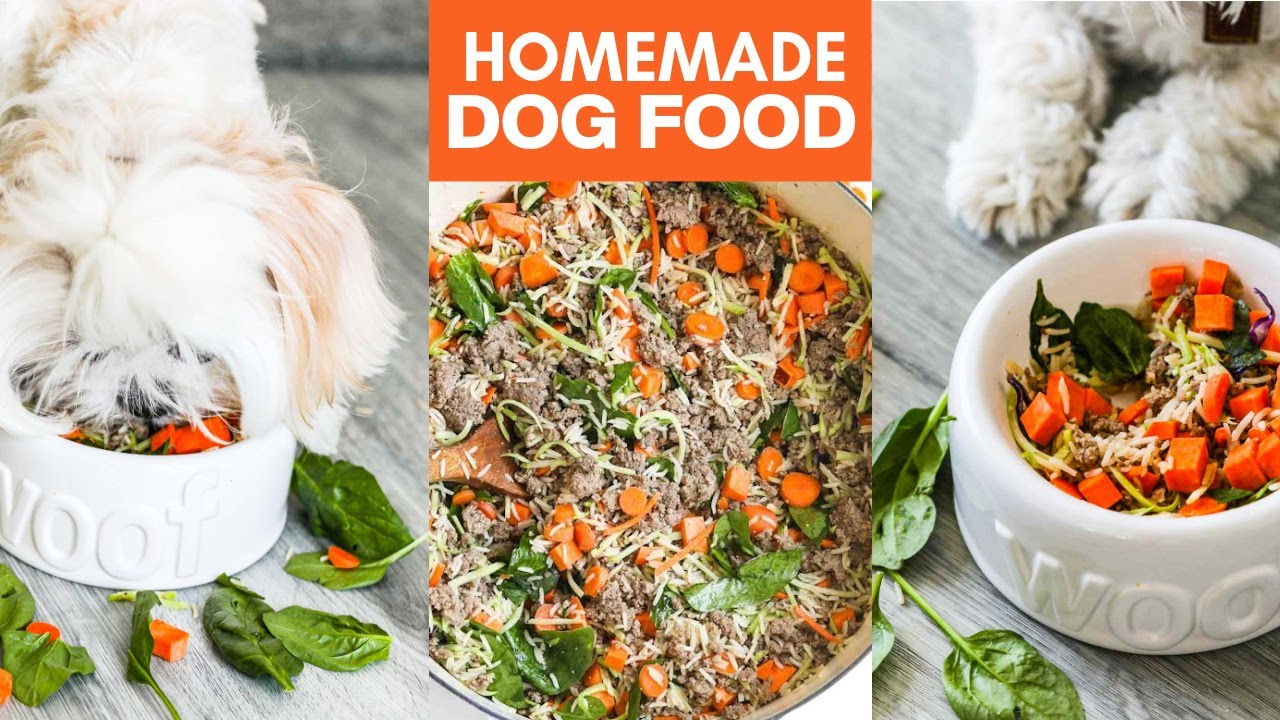
Homemade Dog Food Recipe: When it comes to your furry friend’s health, nothing beats the power of a well-balanced diet. And while store-bought dog food is convenient, it often lacks the freshness and quality ingredients your dog deserves. That’s where homemade dog food steps in—a wholesome, cost-effective, and tail-wagging alternative.
Let’s dive into a complete step-by-step guide to making homemade dog food that’s not just nutritious but also delicious (for your pup, of course!).
Why Choose Homemade Dog Food?
Understanding the Benefits
Homemade dog food gives you full control over what goes into your pet’s body. You can skip the fillers, preservatives, and artificial flavors that are often packed into commercial dog food. Instead, you can focus on fresh, whole ingredients that you’d be happy to eat yourself.
Here’s why so many pet parents are switching to DIY dog meals:
- Healthier Skin and Coat: Fresh foods rich in omega fatty acids and vitamins lead to shinier coats and healthier skin.
- Improved Digestion: No more stomach upsets due to unknown ingredients.
- Increased Energy Levels: Better quality food equals better vitality.
- Allergy Management: If your dog suffers from food allergies, homemade food lets you eliminate the culprits.
Plus, making your dog’s meals at home fosters a deeper bond—you’re literally feeding them with love.
Risks of Commercial Dog Food
Ever read the label on your dog’s kibble and not recognized half the ingredients? That’s a red flag. Many commercial dog foods use meat by-products, artificial preservatives, and fillers like corn and soy, which can contribute to obesity, digestive issues, and even long-term diseases.
Moreover, product recalls due to contamination or mislabeling are not uncommon in the pet food industry. When you make your dog’s food yourself, you eliminate that risk. It’s peace of mind on a plate.
Ingredients to Avoid in Homemade Dog Food
Harmful Foods for Dogs
Just because it’s good for humans doesn’t mean it’s safe for dogs. Knowing what not to include in your dog’s food is just as crucial as knowing what to put in.
Avoid:
- Onions and Garlic: These can damage your dog’s red blood cells.
- Chocolate and Caffeine: Toxic and potentially fatal.
- Grapes and Raisins: Can cause kidney failure.
- Alcohol and Yeast Dough: Dangerous to dogs in even small amounts.
Toxic Ingredients List
Here’s a quick-reference table to keep your dog safe:
| Ingredient | Effect on Dogs |
|---|---|
| Onions/Garlic | Anemia, red blood cell damage |
| Chocolate | Vomiting, seizures, death |
| Grapes/Raisins | Kidney failure |
| Xylitol (sweetener) | Insulin spike, liver failure |
| Avocado | Vomiting, diarrhea |
| Macadamia Nuts | Muscle tremors, lethargy |
Always double-check new ingredients before adding them to your dog’s meals.
Essential Nutrients for Dogs
Proteins, Carbs, Fats
Dogs, like humans, thrive on a balanced diet. Protein is the cornerstone—it builds muscles, supports growth, and maintains immune function. You can use chicken, beef, turkey, or fish as your primary protein sources.
Carbohydrates provide energy and fiber. Brown rice, oats, sweet potatoes, and quinoa are excellent choices. Fats are essential too—healthy fats like olive oil or fish oil contribute to a healthy coat and brain development.
Here’s a rough nutrient breakdown for a balanced dog meal:
- Protein: 40-50%
- Carbohydrates: 25-30%
- Fats: 10-15%
- Fiber & Moisture: 10-15%
Vitamins and Minerals
Dogs need vitamins like A, D, E, and B-complex, along with essential minerals like calcium, potassium, and magnesium. Adding a multivitamin supplement to homemade food ensures your pup gets everything they need.
Some natural sources include:
- Carrots (Vitamin A)
- Pumpkin (Fiber + Vitamin E)
- Spinach (Iron + Calcium)
- Eggs (Protein + B Vitamins)
But remember: while supplements help, they’re not a substitute for a varied, nutrient-rich diet.
Step-by-Step Homemade Dog Food Recipe
Ingredients You’ll Need
Let’s roll up our sleeves! Here’s a simple yet balanced recipe to get started.
Ingredients:
- 1 lb ground turkey (protein)
- 1 cup cooked brown rice (carbohydrates)
- 1/2 cup chopped carrots (vitamins/fiber)
- 1/2 cup peas (protein/fiber)
- 1 tbsp olive oil (healthy fat)
- 1 egg (protein + nutrients)
- 1/2 cup chopped spinach (iron/calcium)
You can substitute turkey with chicken, beef, or even salmon depending on your dog’s preference or dietary needs.
Preparation Instructions
- Cook the Protein: In a large skillet, cook the ground turkey over medium heat until browned. Break it up as it cooks to ensure it’s evenly cooked through.
- Prepare the Carbs: Cook the brown rice as per package instructions. Set it aside once done.
- Steam the Veggies: Lightly steam the carrots, peas, and spinach. Avoid overcooking to preserve nutrients.
- Combine and Mix: In a large mixing bowl, combine the cooked meat, rice, and vegetables. Add in the olive oil and a raw egg while the food is still warm (the heat will lightly cook the egg and bind the mix).
- Cool and Store: Let the food cool completely before serving. Store leftovers in an airtight container in the refrigerator for up to 4 days, or freeze for longer storage.
Pro Tip: Portion based on your dog’s weight and activity level. Typically, adult dogs eat about 2-3% of their body weight in food per day.
Tailoring the Recipe to Your Dog’s Needs
Adjusting for Size and Breed
Every dog is different. What works for a large, high-energy breed like a Labrador won’t be ideal for a small lapdog like a Chihuahua. That’s why portion size and nutritional balance should reflect your dog’s size, age, breed, and activity level.
Here’s a basic feeding guideline based on body weight:
- 10 lbs or less: 1/2 to 3/4 cup per day
- 10–25 lbs: 3/4 to 1.5 cups per day
- 25–50 lbs: 1.5 to 2.5 cups per day
- 50–75 lbs: 2.5 to 3.5 cups per day
- 75+ lbs: 3.5 to 4.5 cups per day
Puppies and pregnant or nursing dogs require more calories, while older dogs may benefit from a lower-calorie diet with joint support.
Customizing Ingredients for Allergies or Preferences
If your dog is allergic to certain proteins like chicken or beef, opt for alternatives like duck, fish, or even lentils for a plant-based protein option. For grain-sensitive dogs, skip rice and go with sweet potatoes or quinoa instead.
Keep in mind that some dogs are picky eaters. Try experimenting with flavor by adding small amounts of low-sodium chicken broth or turmeric (an anti-inflammatory spice that many dogs love).
Storage and Meal Planning Tips
Batch Cooking for Convenience
One of the best parts of homemade dog food? Batch cooking. You can make enough food for a week (or even a month if you freeze it), saving both time and stress.
Tips for effective batch cooking:
- Use large pots or slow cookers to prepare bigger batches.
- Portion meals into daily servings using freezer-safe containers or silicone molds.
- Label each container with the date to ensure freshness.
Frozen dog food can last for up to 3 months, and refrigerated portions stay good for about 4 days. Always thaw frozen meals overnight in the fridge—never at room temperature.
Safe Reheating Practices
Never microwave dog food in plastic containers. Reheat in glass or ceramic and test the temperature to avoid burns. Lukewarm is ideal—just enough to release aromas without overheating.
Signs Your Dog is Thriving on Homemade Food
What to Watch For
Switching to homemade meals should show positive results within a few weeks. Here are signs your pup is doing well:
- Shinier coat and healthier skin
- More consistent and smaller stools
- Increased energy levels
- Reduced allergy symptoms
- Clearer eyes and less tear staining
If your dog seems lethargic, gains weight too quickly, or starts shedding excessively, you may need to tweak the recipe or consult a vet.
Tracking Health Over Time
Keep a food diary noting what your dog eats and any changes in behavior or health. Regular checkups and blood tests are key, especially if you’re skipping commercial food altogether. A vet can help you adjust nutrient levels and spot deficiencies early.
Common Mistakes to Avoid
Not Balancing the Diet Properly
Many pet owners unknowingly serve meals too high in protein or lacking in vital nutrients. For example, too much liver can cause vitamin A toxicity, while an all-chicken diet lacks essential minerals like calcium.
Avoid these common pitfalls:
- Skipping supplements (especially calcium)
- Overfeeding fatty cuts of meat
- Forgetting fiber and vitamins from vegetables
- Not rotating protein sources
A rotation diet helps avoid nutrient deficiencies and keeps your dog excited about meals.
Failing to Consult a Vet or Nutritionist
Homemade food is a commitment. While it can be incredibly rewarding, it’s not a “set-it-and-forget-it” approach. Always consult a pet nutritionist or vet before making long-term diet changes. They’ll help formulate a balanced recipe based on your dog’s individual needs.
FAQs about Dog Food Recipe
1. Can I feed my dog homemade food every day?
Yes, as long as the meals are nutritionally balanced. Consult a vet to ensure all your dog’s dietary needs are being met.
2. Do I need to include supplements in homemade dog food?
Usually, yes. Supplements like calcium, omega-3s, and multivitamins help ensure complete nutrition.
3. Can puppies eat homemade food?
Absolutely, but they require higher protein and fat content. Get a vet-approved recipe tailored to your pup’s age and weight.
4. How do I transition my dog from kibble to homemade food?
Gradually mix homemade food with kibble over 7–10 days, increasing the homemade portion daily to avoid stomach upset.
5. Can I freeze homemade dog food?
Yes, you can freeze portions for up to 3 months. Thaw in the fridge and reheat slightly before serving.
Conclusion
Feeding your dog homemade food is more than a trend—it’s a lifestyle choice that prioritizes health, transparency, and love. With a little planning, creativity, and guidance, you can turn your kitchen into your dog’s favorite restaurant. Remember, the goal is balance, not perfection. Pay attention to your dog’s health, adjust as needed, and enjoy the peace of mind that comes from knowing exactly what’s in every bite.